Pay As You Go7 天免费试用;无需信用卡
获取我的免费试用版
December 2, 2025

Top Companies Offering Collaborative AI Tools

Chief Executive Officer

December 2, 2025

AI tools are reshaping teamwork by automating tasks, improving decision-making, and streamlining workflows. This article reviews six platforms - Prompts.ai, Anthropic, Coda, Monday.com, Asana, and Slack - each offering unique solutions for collaboration challenges. Here's a snapshot of what they bring to the table:

  • Prompts.ai: Consolidates 35+ AI models into one platform, reducing AI costs by up to 98% with pay-as-you-go TOKN credits and advanced governance tools.
  • Anthropic: Features Claude, an AI chatbot focused on safe, creative outputs and extended context handling.
  • Coda: Combines documents and databases for centralized workflows, with AI-powered automation for repetitive tasks.
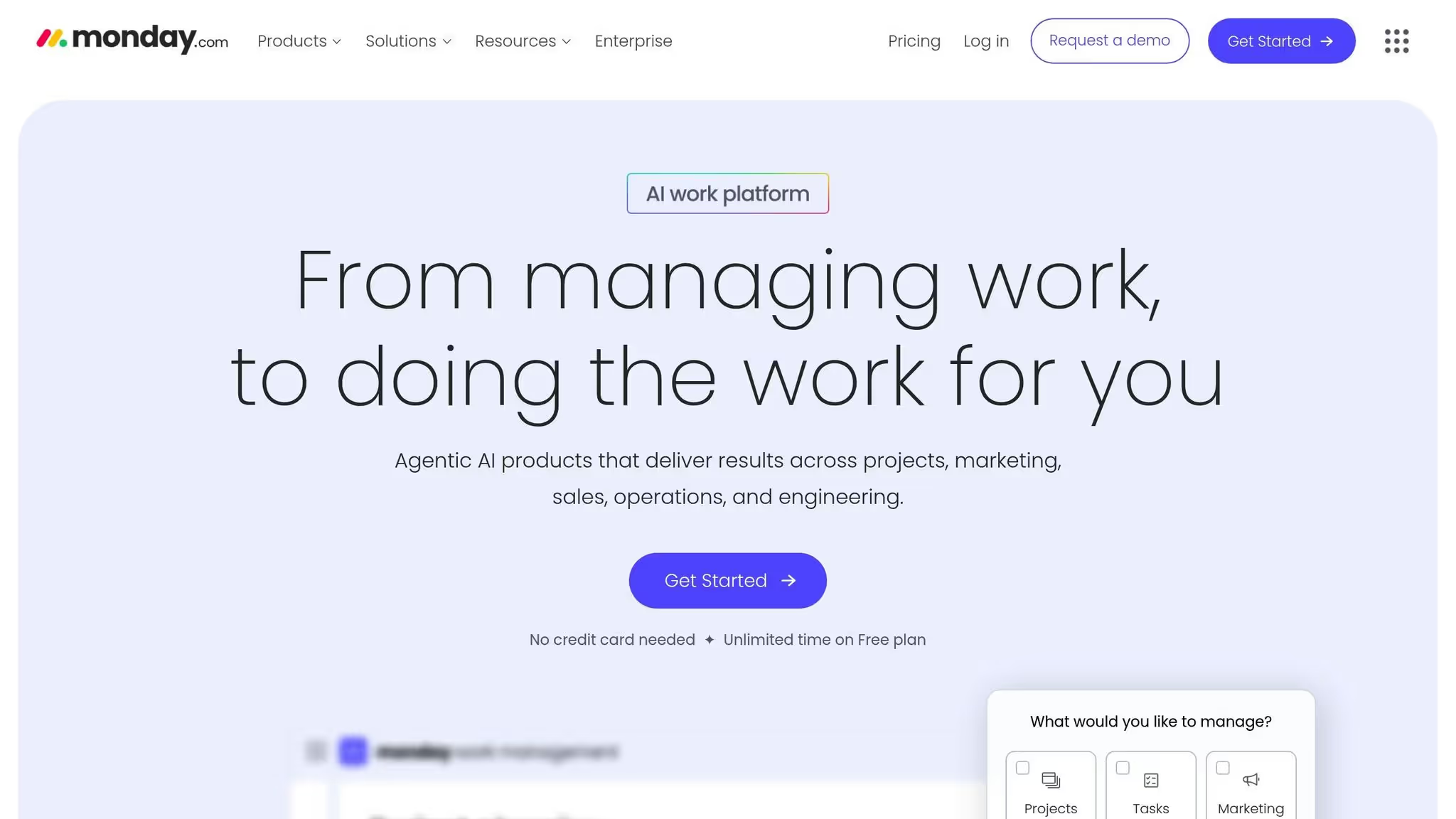
  • Monday.com: Automates task management with AI tools that save 6,970 hours/month, while offering visual dashboards for project tracking.
  • Asana: Simplifies project workflows with over 100 integrations for seamless task tracking and resource allocation.
  • Slack: Centralizes communication with AI-powered workflows and integrations, making it a hub for team collaboration.

Each platform excels in specific areas, from cost management and AI orchestration to project tracking and communication. To find the right fit, consider your team’s priorities - whether it’s cutting AI expenses, improving project visibility, or enhancing communication.

The 5 Best Online Collaboration Tools for Teams in 2025 (Ranked & Reviewed) | ClickUp

1. Prompts.ai

Prompts.ai

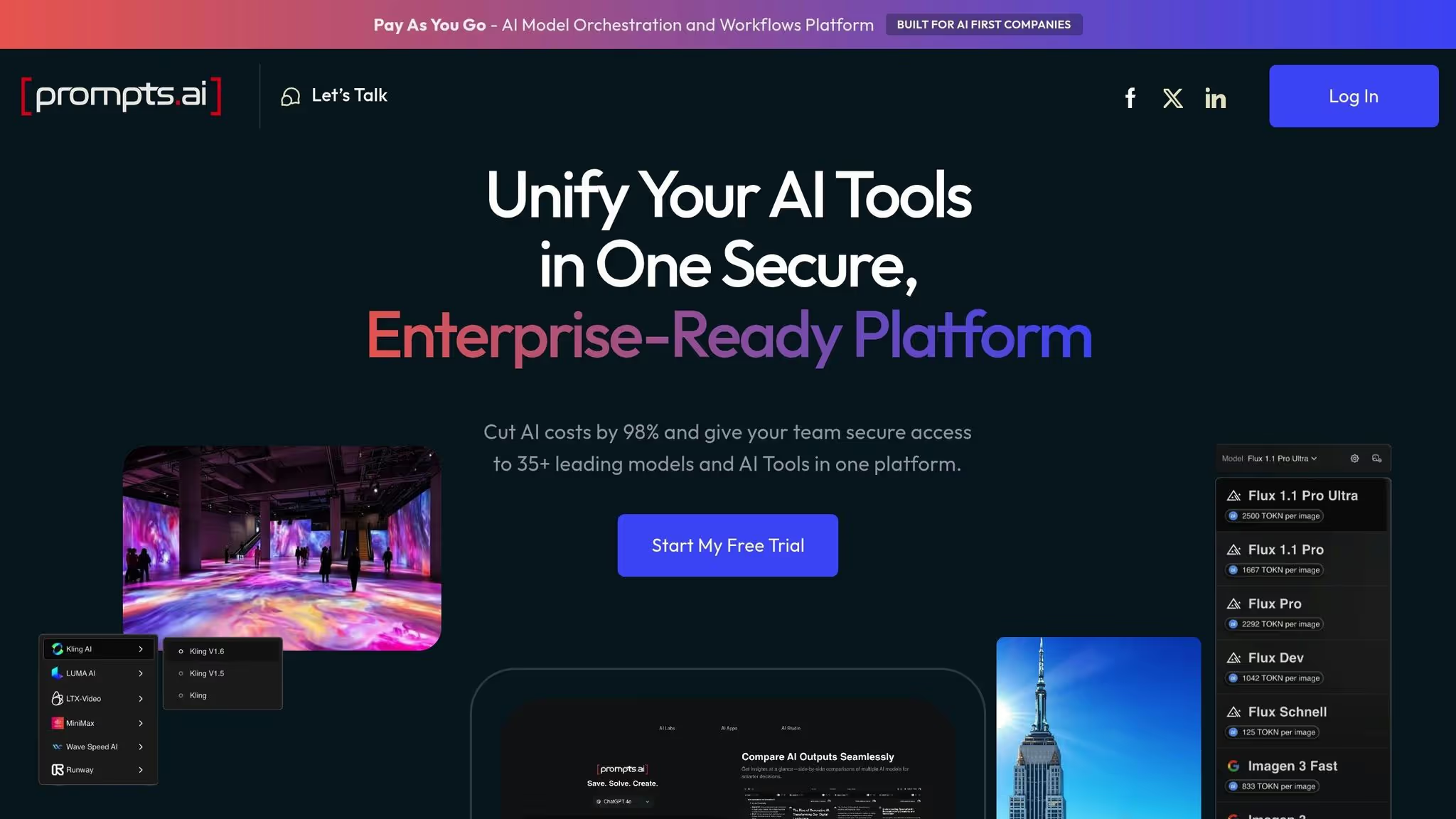
Prompts.ai stands out as a comprehensive platform that brings together over 35 leading language models into a single, enterprise-ready solution. By consolidating these tools, it eliminates the need for multiple subscriptions and disconnected systems that often disrupt workflows and drive up costs.

Founded by Emmy-winning Creative Director Steven P. Simmons, Prompts.ai is built around the philosophy of becoming "The Intelligence Layer for Institutional Knowledge." This approach prioritizes scalable AI adoption while maintaining strong governance and transparency.

AI-Driven Automation

Prompts.ai simplifies repetitive tasks through pre-built prompt workflows that are ready to use right out of the box. Instead of creating new solutions for everyday needs like meeting summaries, content creation, or data analysis, organizations can rely on standardized workflows that have already been tested. According to the platform, this can increase productivity by up to 10×, though the results depend on how it's implemented and the specific use case.

The platform’s FinOps layer provides real-time tracking of token usage, offering insights into which interactions deliver value and which may be wasteful. This allows organizations to set spending limits, monitor usage across departments or projects, and choose models based on their performance and cost efficiency. For teams juggling multiple AI subscriptions, Prompts.ai claims to cut costs by as much as 98%. This is achieved through its pay-as-you-go TOKN credits, which align spending with actual usage, replacing the need for multiple vendor contracts.

Another standout feature is the ability to compare model performance side by side. Users can test the same prompt across different models simultaneously, removing the guesswork when selecting the best tool for tasks like creative writing, analytical reasoning, image generation, or video processing.

Integration Ecosystem

Prompts.ai seamlessly integrates AI tools into existing workflows, making collaboration effortless. Whether teams are using project management platforms, communication tools, or document repositories, the AI capabilities are embedded directly where they’re needed. This unified interface eliminates the hassle of learning multiple systems or managing several logins.

To further enhance usability, Prompts.ai offers a Prompt Engineer Certification program. This initiative empowers team members to create custom workflows tailored to their organization’s needs. By sharing best practices and fostering a community-driven approach, the platform accelerates adoption across industries.

Security & Compliance

On June 19, 2025, Prompts.ai initiated its SOC 2 Type 2 audit process in partnership with Vanta, reinforcing its dedication to enterprise-level security. The company emphasizes its adherence to high standards:

"Prompts.ai incorporates best practices from SOC 2 Type II, HIPAA, and GDPR frameworks to safeguard your data."

Organizations can monitor the platform's security status in real time through its Trust Center at https://trust.prompts.ai/. This resource provides up-to-date information on policies, controls, and compliance progress. Every interaction with the platform is governed by centralized controls that ensure full visibility and auditability. Administrators can track which models are accessed, the prompts used, and the data processed - crucial for meeting stringent compliance requirements.

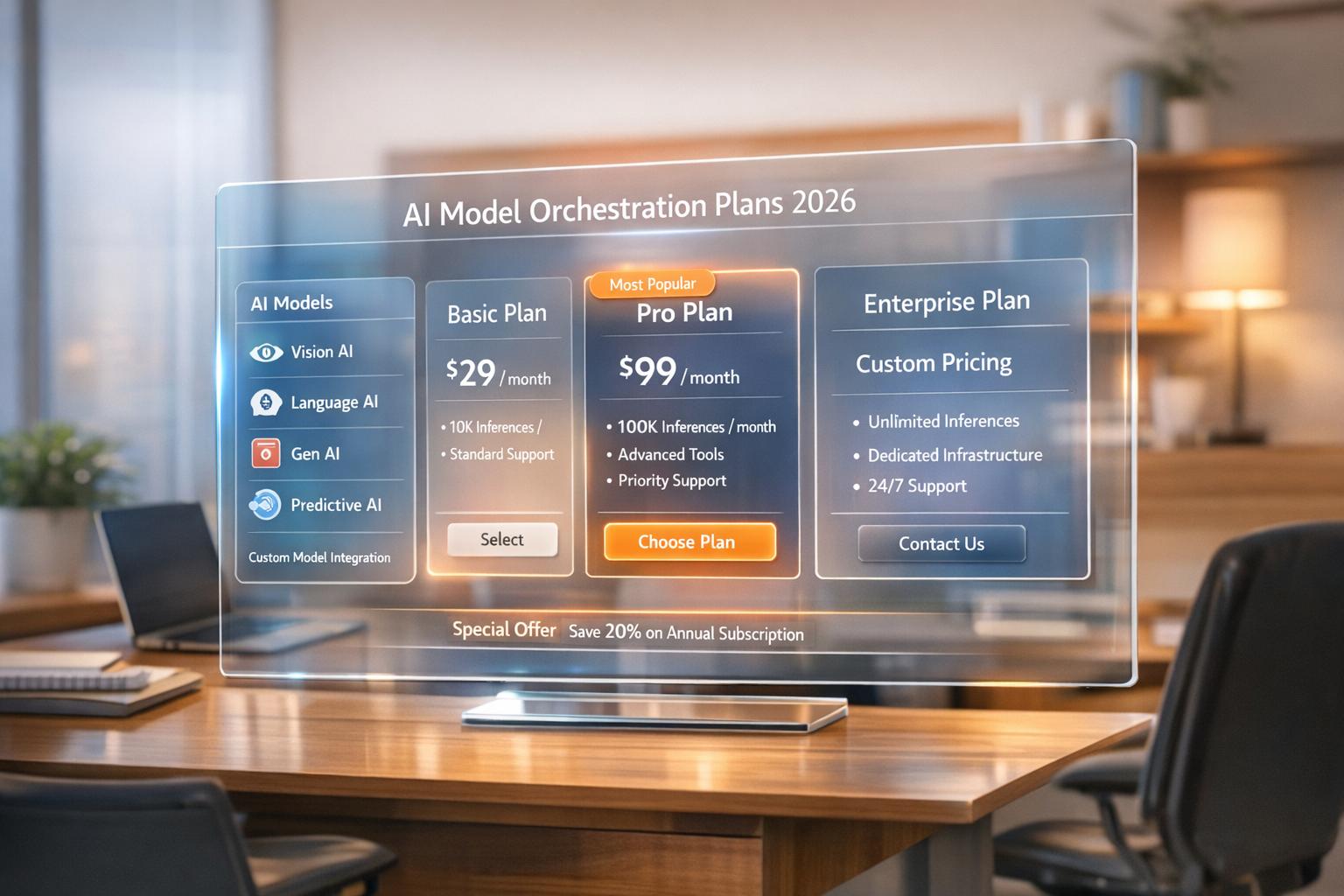
Prompts.ai offers a range of plans to meet different needs. Business plans include Core ($99/member/month), Pro ($119/member/month), and Elite ($129/member/month), all of which feature Compliance Monitoring and Governance Administration. Even personal plans, such as the free Pay As You Go tier, the $29/month Creator plan, and the $99/month Family Plan, come with robust security and governance measures, ensuring sensitive data remains protected and under control.

2. Anthropic

Anthropic

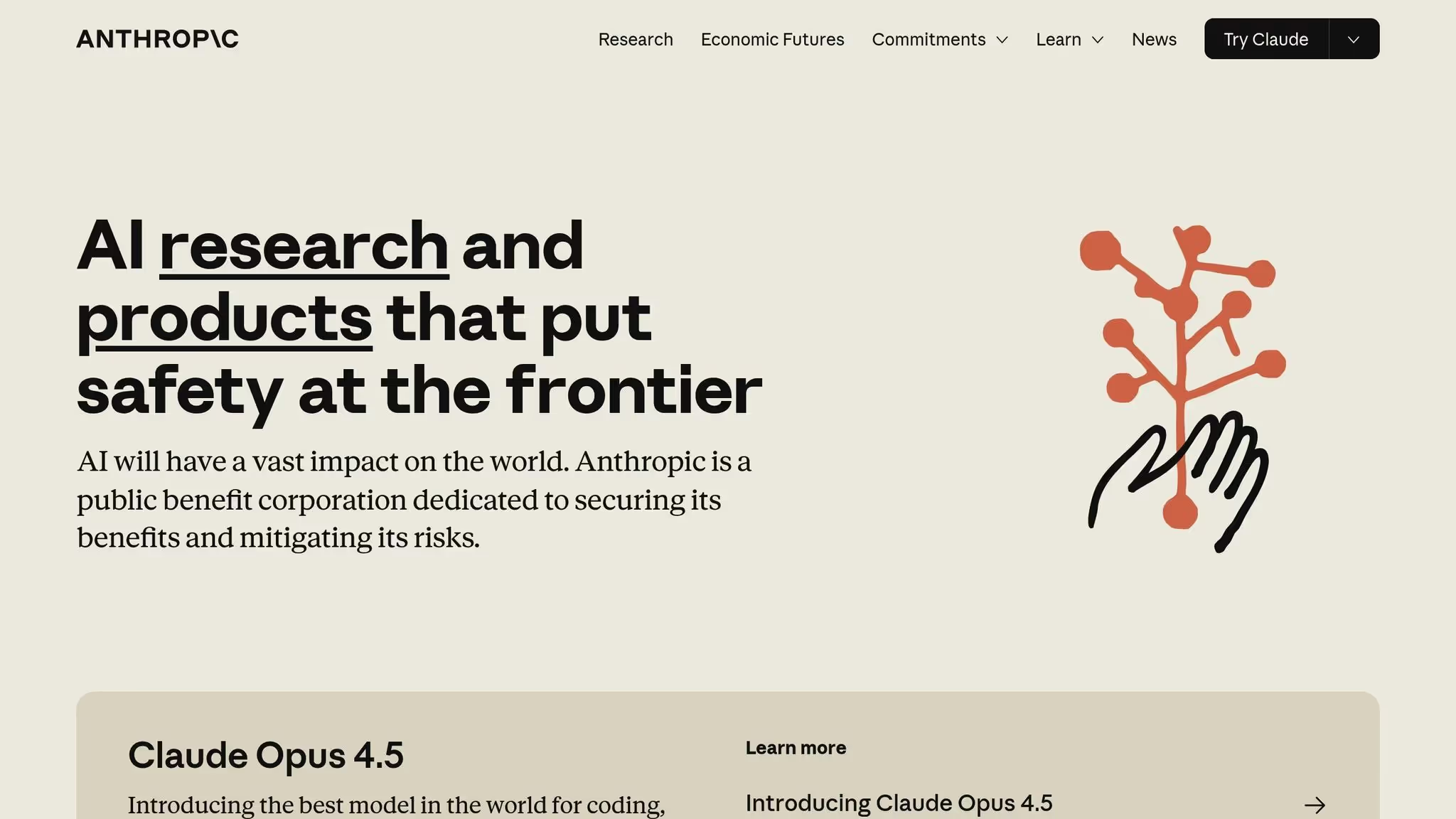
Anthropic's main offering, Claude, is an AI chatbot designed with a focus on safety and creative functionality. It supports collaborative efforts by generating practical outputs such as interactive interfaces, documents, and games, all aimed at enhancing teamwork. Similar to other tools in this space, Claude simplifies the process of turning abstract concepts into tangible results.

AI-Driven Automation

Claude empowers users to refine their ideas by taking initial concepts and shaping them into actionable outputs. For example, when provided with a project outline, Claude generates relevant artifacts that can be fine-tuned in real-time through prompt adjustments.

3. Coda

Coda

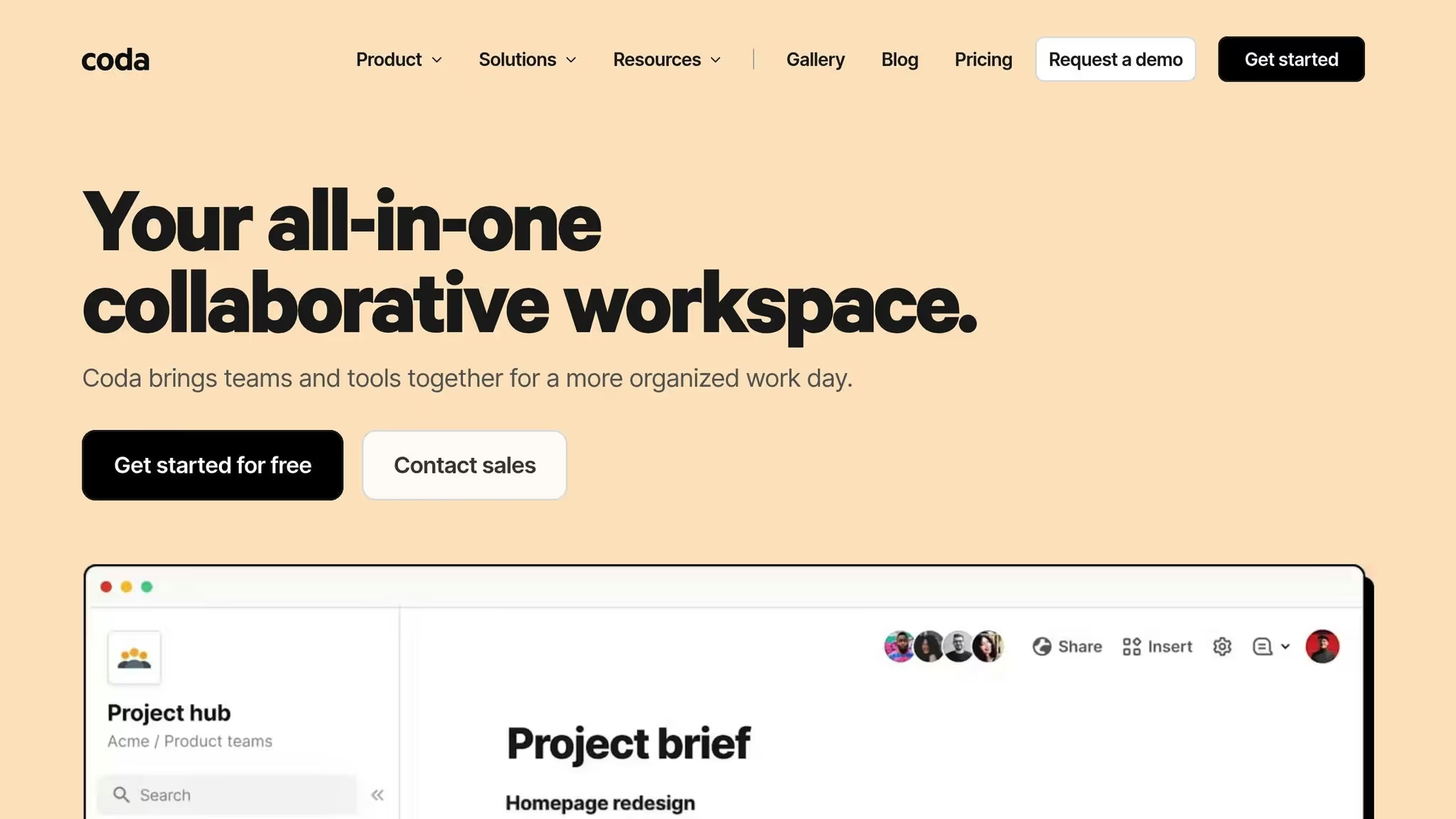
Coda combines the adaptability of documents with the organizational strength of databases, creating a unified space for teams to work from a single, reliable source of information. Here's a closer look at how Coda seamlessly integrates dynamic documentation with database functionality.

Real-Time Collaboration

Coda makes teamwork effortless with dashboards that automatically refresh whenever linked data sources are updated[^8^]. This eliminates the need for manual updates and ensures that everyone is working with the most current information. Additionally, Coda streamlines decision-making by offering tools like voting tables and automated reminders[^8^], which help speed up review processes and keep teams on the same page.

By merging the flexibility of documents with the structure of databases, Coda empowers teams to create workflows tailored to their unique requirements[^8^].

AI-Driven Automation

Coda leverages AI to handle repetitive tasks, such as drafting initial content or filling tables with data from existing sources[^8^]. It also provides actionable suggestions for next steps, offering valuable support for managing complex projects[^8^].

4. Monday.com

Monday.com

Monday.com redefines team collaboration by leveraging AI not just to monitor tasks but to actively complete them. The platform focuses on integrating AI tools that automate and enhance workflows across multiple departments, including project management and customer support.

AI-Powered Automation

Monday.com’s AI tools are designed to identify risks, simplify operations, and provide actionable insights. For instance, the platform’s AI-driven service automatically categorizes and assigns 98% of support tickets, cutting resolution times by 6–7 minutes per ticket. This automation translates to saving 6,970 hours each month and eliminating 28,000 manual actions for its users. These tools are tailored to meet the unique needs of different teams. For example, it offers AI-assisted project planning, campaign execution for marketing, and a CRM powered by AI to manage sales leads.

Looking ahead, Monday.com plans to introduce new AI assistants, including the SDR Expert for sales outreach, Competitor Analyzer for market insights, and the monday sidekick. The sidekick will function as a Project Assistant, Service Agent, or Scrum Master, handling tasks like automating workflows, generating reports, flagging potential risks, and resolving tickets. This comprehensive approach ensures that every facet of a business can benefit from optimized workflows.

The results speak volumes. Marketing teams have reported a 300% boost in creative output, operations teams have saved $4 million through streamlined processes, sales teams achieved an 18× ROI within the first year, service teams cut down 55 hours per month, development teams reduced time-to-market by 28%, and organizations overall saw an 11% improvement in strategic efficiency.

5. Asana

Asana

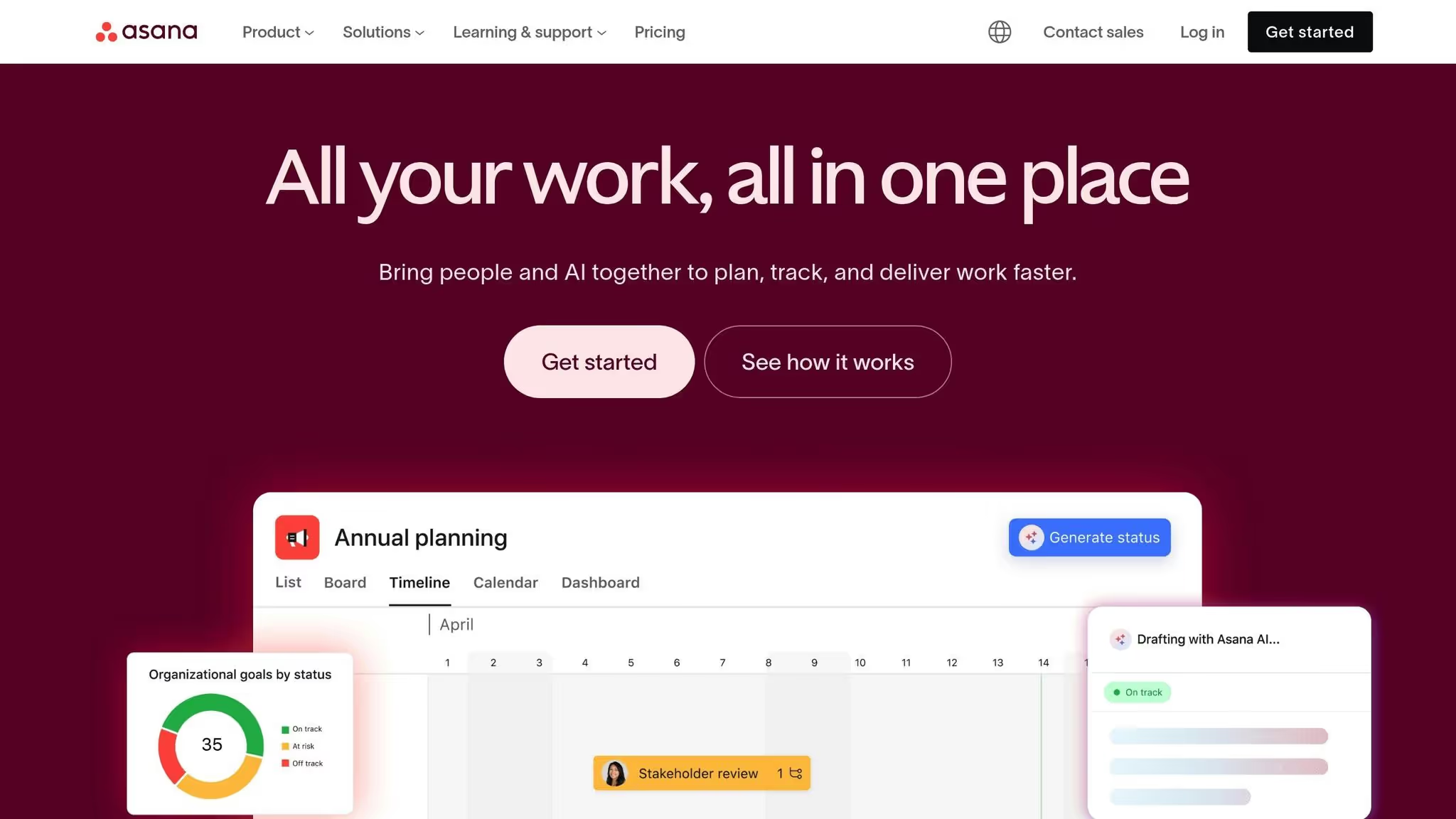
Asana brings teams together by offering structured workflows and clear task tracking, making collaboration more effective than ever. Its growing network of integrations takes teamwork to a new level.

Integration Ecosystem

Asana has expanded its ability to connect with essential business tools, enhancing collaboration and simplifying workflows. With integrations to over 100 third-party platforms, it automates processes to save time and reduce manual effort. Notably, in March 2024, Asana added compatibility with Microsoft 365, Google Workspace, and Slack, ensuring seamless interaction with the tools many businesses rely on daily.

6. Slack

Slack

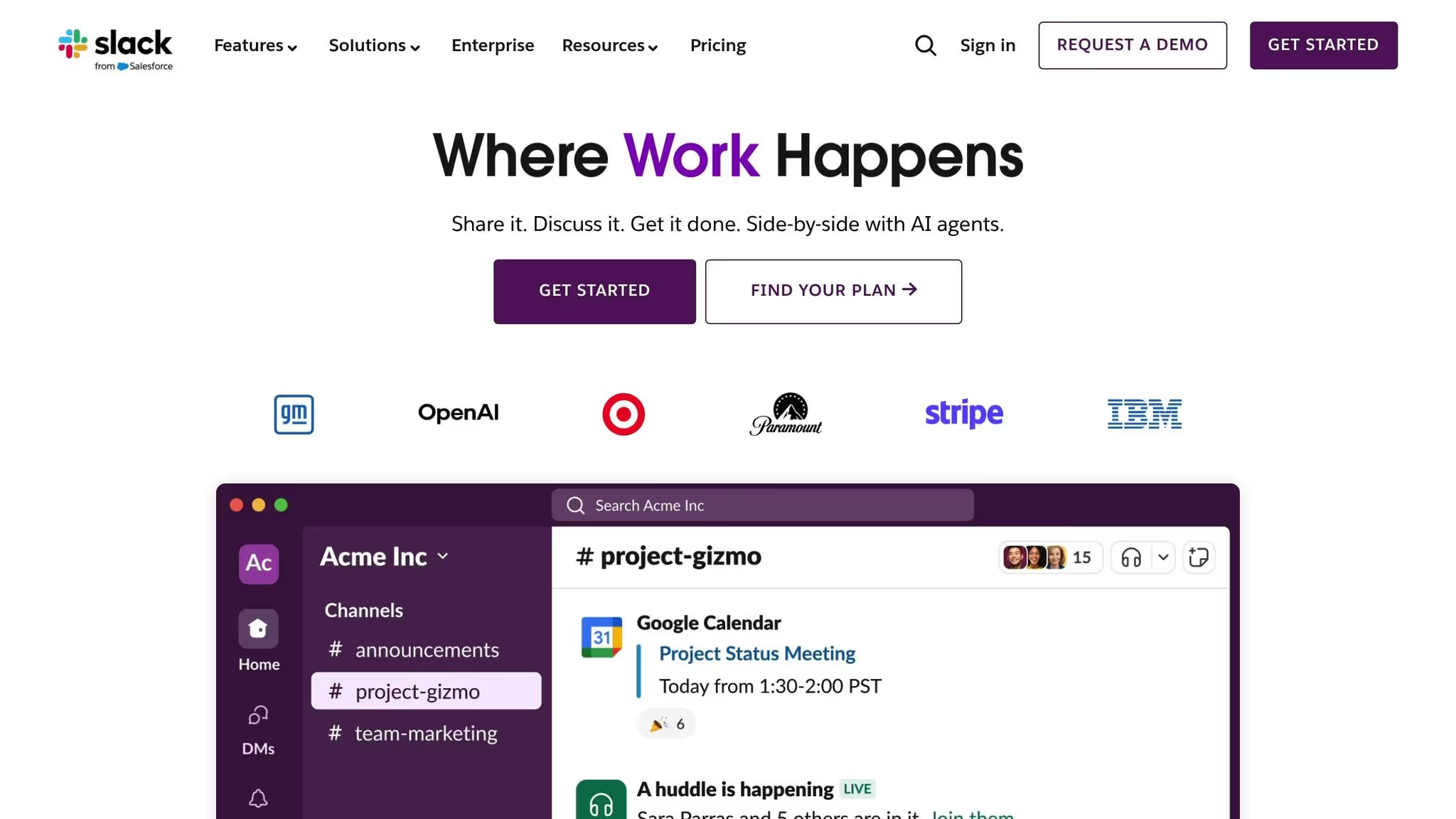
Slack brings communication, file sharing, and integrations together in one workspace, making it easier for teams to stay connected and keep projects on track. By eliminating the chaos of scattered communication tools, it helps businesses maintain momentum.

Real-Time Collaboration

Slack keeps teams in sync with organized channels that group conversations by topics, projects, or departments. Users can share files directly within chats, while threaded discussions and direct messages ensure conversations remain clear and focused. Its powerful search functionality allows teams to quickly retrieve past messages or files, so critical information is always at their fingertips.

These features work smoothly alongside Slack's automated and secure operations, making collaboration effortless.

AI-Driven Automation

Slack enhances productivity with AI-powered workflows that trigger external tools directly within channels. This automation takes care of repetitive tasks, turning Slack into a centralized hub where AI delivers relevant insights and streamlines daily operations.

Paired with its automation capabilities, Slack’s broad range of integrations further boosts efficiency.

Integration Ecosystem

Slack simplifies access to workplace tools by connecting with existing applications via APIs. This allows users to seamlessly pull in context from project management boards, documents, and more, creating a unified workspace.

Security & Compliance

Security is a top priority for Slack. It supports user provisioning and de-provisioning, and offers enterprise-grade features like role-based access controls, encryption, and audit trails. These measures ensure compliance with standards such as SOC 2, HIPAA, and GDPR. With these safeguards in place, teams can collaborate securely without compromising efficiency.

Advantages and Disadvantages

When weighing these platforms, it’s important to balance their benefits against potential trade-offs to determine the best fit for your organization.

Prompts.ai: This platform simplifies AI management by consolidating access to over 35 LLMs with pay-as-you-go TOKN credits, eliminating the need for multiple subscriptions. With claims of reducing AI software costs by up to 98%, it also offers a real-time FinOps dashboard for tracking token usage and managing budgets effectively. The Prompt Engineer Certification program supports skill-building and collaboration within teams. However, organizations already committed to a single AI vendor might not see the value in its multi-model approach, and smaller teams may find the enterprise-level features underutilized.

Anthropic: Known for its Claude model, this platform focuses on complex reasoning tasks. It features an extended context window for processing longer documents and provides API integration for custom applications. On the downside, its reliance on a single model family limits performance comparisons, and its fixed per-token pricing, along with the lack of built-in collaboration tools, may necessitate additional custom workflow development.

Coda: By integrating documents, spreadsheets, and databases, Coda creates a collaborative environment where teams can design workflows without coding. Its AI assistant automates tasks like data entry and content generation within documents, reducing the need for multiple tools. However, users may face a steep learning curve, and performance can lag with more complex documents. Additionally, pricing increases as team size grows.

Monday.com: This platform provides visual project management boards that simplify task tracking. Automation features handle repetitive updates, while customizable dashboards offer both detailed and high-level insights. Integrations with popular business tools ensure smooth information flow across systems. However, its AI capabilities are primarily limited to basic suggestions and predictive analytics, which may not satisfy organizations seeking advanced content generation or data analysis. The interface can feel overwhelming, and costs rise with advanced features.

Asana: Designed to break down projects into manageable tasks, Asana offers a clean interface and mobile apps for seamless adoption. Features like smart goals and portfolio management tools help track progress and allocate resources effectively. However, its AI features focus more on project optimization than on content creation or advanced automation. The free tier has limitations that may push growing teams to upgrade, and the lack of native document editing requires integration with external tools like Google Workspace or Microsoft 365.

Slack: As a communication hub, Slack organizes conversations, files, and notifications into channels, reducing context switching. Its extensive integrations connect with various business applications, and AI-driven workflows automate tasks directly from chat. Its search functionality makes retrieving historical information easier, and many employees are already familiar with the platform. However, as message volumes increase, finding important information can become challenging. Slack’s AI features focus more on workflow automation than on content generation or analysis, and its pricing model, based on active users, can be costly for larger teams, especially when managing sensitive information.

Ultimately, the right platform depends on your team’s priorities. If you need comprehensive AI model access with strict cost control, Prompts.ai stands out. Teams focused on project management might prefer Asana or Monday.com, while organizations prioritizing communication could lean toward Slack. For custom workflows and tool consolidation, Coda is a strong contender, and companies seeking a single, safety-first AI model may find Anthropic appealing. Evaluating your budget, existing tools, technical capabilities, and primary use cases will help you make the best choice for your organization.

Conclusion

Selecting the right collaborative AI tool comes down to understanding your organization's specific needs. Each platform highlighted here caters to different priorities, so the best fit depends on factors like team size, budget, technical expertise, and workflow focus.

Prompts.ai stands out for teams juggling multiple AI subscriptions or exploring various models. It consolidates access to numerous AI tools while offering notable cost reductions. The real-time FinOps dashboard ensures finance teams have the insights they need, and the Prompt Engineer Certification program helps build in-house expertise.

For teams prioritizing project management, Asana and Monday.com are excellent options. Their visual task tracking and resource allocation capabilities simplify even the most complex initiatives. While their AI features lean more toward workflow optimization than content creation, they excel at keeping projects on track.

When real-time communication is the top priority, Slack remains a favorite. Its channel-based organization and robust integrations make it a central hub for chat-focused collaboration. However, as message histories grow, finding past conversations can become challenging, and its per-user pricing can quickly add up for larger teams.

For organizations looking to combine multiple tools into a single workspace, Coda offers a compelling solution. It integrates documents, spreadsheets, and databases with AI-powered automation, reducing the need to switch between applications. That said, it comes with a steeper learning curve and may experience performance issues with more complex documents.

Lastly, teams committed to a single, safety-first AI model may find Anthropic's Claude an appealing choice. Its extended context windows and advanced reasoning capabilities make it ideal for tasks requiring deep analysis, though custom collaboration workflows will need to be built.

To choose the right tool, start by identifying your team’s biggest challenge. Are rising AI subscription costs a concern? Is tracking project progress an issue? Or are communication bottlenecks slowing your team down? Once you've pinpointed the problem, align it with the strengths of each platform. Consider running a pilot program with your top two options before committing to a full rollout. Most platforms offer trial periods or scaled-down plans, making it easier to test functionality with a smaller group. Pay attention to how your team adapts - resistance to adopting a tool, no matter how feature-packed it is, often indicates it’s not the right fit.

FAQs

How does Prompts.ai save businesses up to 98% on AI costs, and what are TOKN credits?

Prompts.ai enables businesses to slash AI-related costs by as much as 98% by bringing together the capabilities of over 35 different AI tools into a single, unified platform. By eliminating overlapping tools and simplifying workflows, this approach boosts efficiency while driving down expenses.

The platform introduces TOKN credits as a universal currency, giving users access to a wide range of AI-powered services, from text creation to image generation and beyond. This system ensures users enjoy both flexibility and clear visibility into their usage of Prompts.ai's tools.

What are the key benefits of using Prompts.ai for organizations managing multiple AI tools?

Prompts.ai makes managing AI straightforward by uniting more than 35 large language models in a single platform. This setup allows for effortless side-by-side comparisons, giving teams the tools they need to oversee prompt workflows, monitor outputs, and fine-tune performance for peak efficiency.

The platform also features an integrated FinOps layer, which provides real-time tracking of usage and costs. This functionality helps organizations streamline their spending, clearly assess ROI, and make informed, data-backed choices to keep budgets on track.

How does Prompts.ai protect user data and comply with standards like SOC 2, HIPAA, and GDPR?

Prompts.ai places a strong emphasis on data security, following top-tier standards like SOC 2 Type II, HIPAA, and GDPR. These frameworks shape their practices to guarantee your data is managed with care and safeguarded effectively.

To uphold these commitments, Prompts.ai employs continuous monitoring tools and began their SOC 2 Type II audit process on June 19, 2025. This diligent effort ensures their systems align with strict security, privacy, and compliance expectations.

Related Blog Posts

SaaSSaaS
Quote

Streamline your workflow, achieve more

Richard Thomas