Pay As You Go7 दिन का फ़्री ट्रायल; किसी क्रेडिट कार्ड की आवश्यकता नहीं


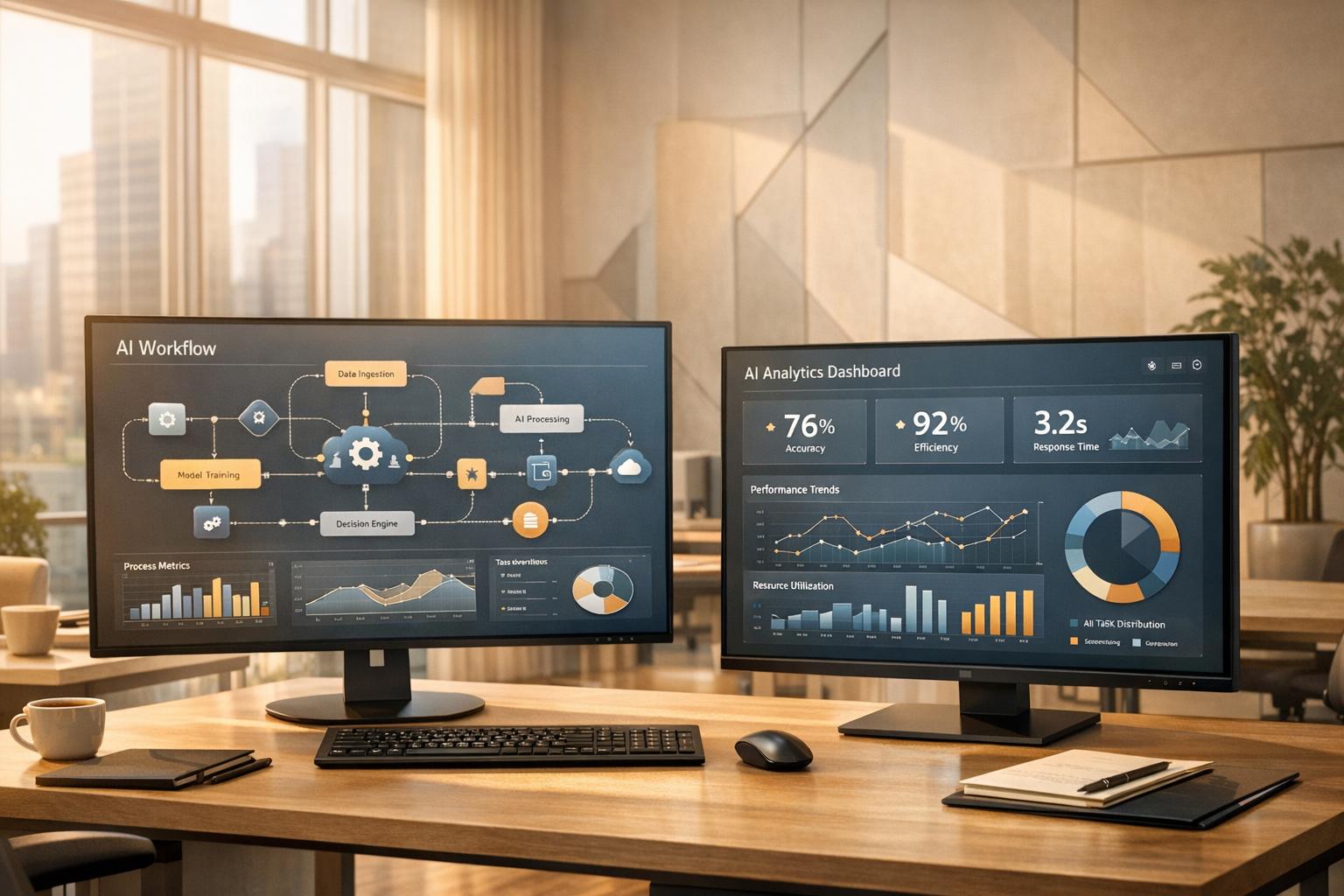
AI वर्कफ़्लो टूल व्यवसायों के संचालन के तरीके को बदल रहे हैं, कार्यों को सरल बनाने और दक्षता बढ़ाने के लिए स्वचालन को बुद्धिमत्ता के साथ जोड़ रहे हैं। 2026 में, ये प्लेटफ़ॉर्म खराब एकीकरण, बिखरे हुए टूल और शासन संबंधी चिंताओं जैसी प्रमुख चुनौतियों का समाधान करते हैं, जिससे टीमों को दोहराए जाने वाले कार्यों को स्वचालित करने, लागतों का प्रबंधन करने और संचालन को प्रभावी ढंग से बढ़ाने में मदद मिलती है। यहां शीर्ष प्रणालियों पर एक त्वरित नज़र डाली गई है:
चाहे आप एक छोटी टीम हों या एक बड़ा उद्यम, ये प्लेटफ़ॉर्म वर्कफ़्लो को कारगर बनाने, सिस्टम को एकीकृत करने और अनुपालन सुनिश्चित करने के लिए अनुकूलित समाधान प्रदान करते हैं। नीचे, हम आपकी ज़रूरतों के लिए सही टूल चुनने में आपकी मदद करने के लिए उनकी विशेषताओं, मूल्य निर्धारण और एंटरप्राइज़-तत्परता के बारे में जानकारी देते हैं।

Prompts.ai एक है एंटरप्राइज एआई ऑर्केस्ट्रेशन प्लेटफॉर्म जो 35 से अधिक शीर्ष स्तरीय बड़े भाषा मॉडल - जिनमें GPT-5, क्लाउड, लामा, जेमिनी, ग्रोक-4, फ्लक्स प्रो और क्लिंग शामिल हैं - को एक सुरक्षित, एकीकृत इंटरफ़ेस में एक साथ लाता है। इसे सभी AI इंटरैक्शन को केंद्रीकृत करके, कई उपकरणों के प्रबंधन की अव्यवस्था को कम करके, फॉर्च्यून 500 कंपनियों, रचनात्मक एजेंसियों और अनुसंधान प्रयोगशालाओं के संचालन को आसान बनाने के लिए डिज़ाइन किया गया है।
अपने केंद्रीकृत डिज़ाइन के साथ, Prompts.ai मॉडलों की एक विस्तृत श्रृंखला में सहज एकीकरण सुनिश्चित करता है। इसका मॉडल-अज्ञेय ढांचा यूज़र को प्रदर्शन की साथ-साथ तुलना करने की अनुमति देता है, जिससे विशिष्ट आवश्यकताओं के लिए सही मॉडल चुनना आसान हो जाता है। उदाहरण के लिए, एक मार्केटिंग टीम रचनात्मक सामग्री तैयार करने के लिए क्लाउड पर भरोसा कर सकती है, तकनीकी लेखन के लिए GPT-5 का उपयोग कर सकती है, और लागत के प्रति संवेदनशील कार्यों के लिए LLaMA की ओर रुख कर सकती है - यह सब कई API कुंजियों या प्लेटफार्मों के बिना किया जा सकता है।
Prompts.ai प्रयोगात्मक AI प्रक्रियाओं को संरचित, दोहराए जाने वाले वर्कफ़्लो में बदल देता है। इसकी ऑर्केस्ट्रेशन लेयर का उपयोग करके, टीमें विशेषज्ञ रूप से तैयार किए गए प्रॉम्प्ट वर्कफ़्लो की लाइब्रेरी तक पहुंच के साथ मल्टी-स्टेप ऑटोमेशन को डिज़ाइन, परीक्षण और तैनात कर सकती हैं। यह सेटअप डेटा संवर्धन, सामग्री सारांश, और समर्थन टिकट प्रबंधन जैसे सामान्य कार्यों के कार्यान्वयन को गति देता है, जिससे दक्षता और स्थिरता सुनिश्चित होती है।
Prompts.ai को एंटरप्राइज़-ग्रेड सुरक्षा और अनुपालन को ध्यान में रखकर बनाया गया है। यह SOC 2 मानकों को पूरा करता है, भूमिका-आधारित अभिगम नियंत्रण (RBAC) प्रदान करता है, और इसके साथ सुरक्षित रूप से एकीकृत होता है एडब्ल्यूएस, GCP, और नीलाकाश गुप्त प्रबंधन के लिए। उद्यम VPC या ऑन-प्रिमाइसेस इन्फ्रास्ट्रक्चर पर प्लेटफ़ॉर्म को तैनात कर सकते हैं, व्यापक ऑडिट लॉग बनाए रख सकते हैं और संवेदनशील वर्कफ़्लो के लिए अनुमोदन प्रक्रियाओं को लागू कर सकते हैं। SSO इंटीग्रेशन और गवर्नेंस डैशबोर्ड जैसी सुविधाएँ IT टीमों को डेटा प्रवाह और मॉडल उपयोग में पूरी दृश्यता प्रदान करती हैं, जिससे सुरक्षित और स्केलेबल AI संचालन सुनिश्चित होता है।
Prompts.ai एक पे-एज़-यू-गो TOKN सिस्टम पर काम करता है, जो विभिन्न आवश्यकताओं के अनुरूप लचीली योजनाएँ पेश करता है। कोर प्लान के लिए बिजनेस प्लान $99/सदस्य/माह, प्रो के लिए $119 और एलीट के लिए $129 से शुरू होते हैं। बिल्ट-इन FinOps लेयर टोकन उपयोग की रियल-टाइम ट्रैकिंग, टीम और वर्कफ़्लो द्वारा लागत को कम करने की सुविधा प्रदान करता है। यह पारदर्शिता संगठनों को अनावश्यक सदस्यता को समाप्त करके AI के खर्चों में 98% तक की कटौती करने में मदद करती है। व्यक्तिगत उपयोग के लिए, प्लान में मुफ़्त एक्सप्लोरेटरी टियर से लेकर सशुल्क विकल्प जैसे कि $29/माह पर क्रिएटर और $99/माह पर फ़ैमिली शामिल हैं।
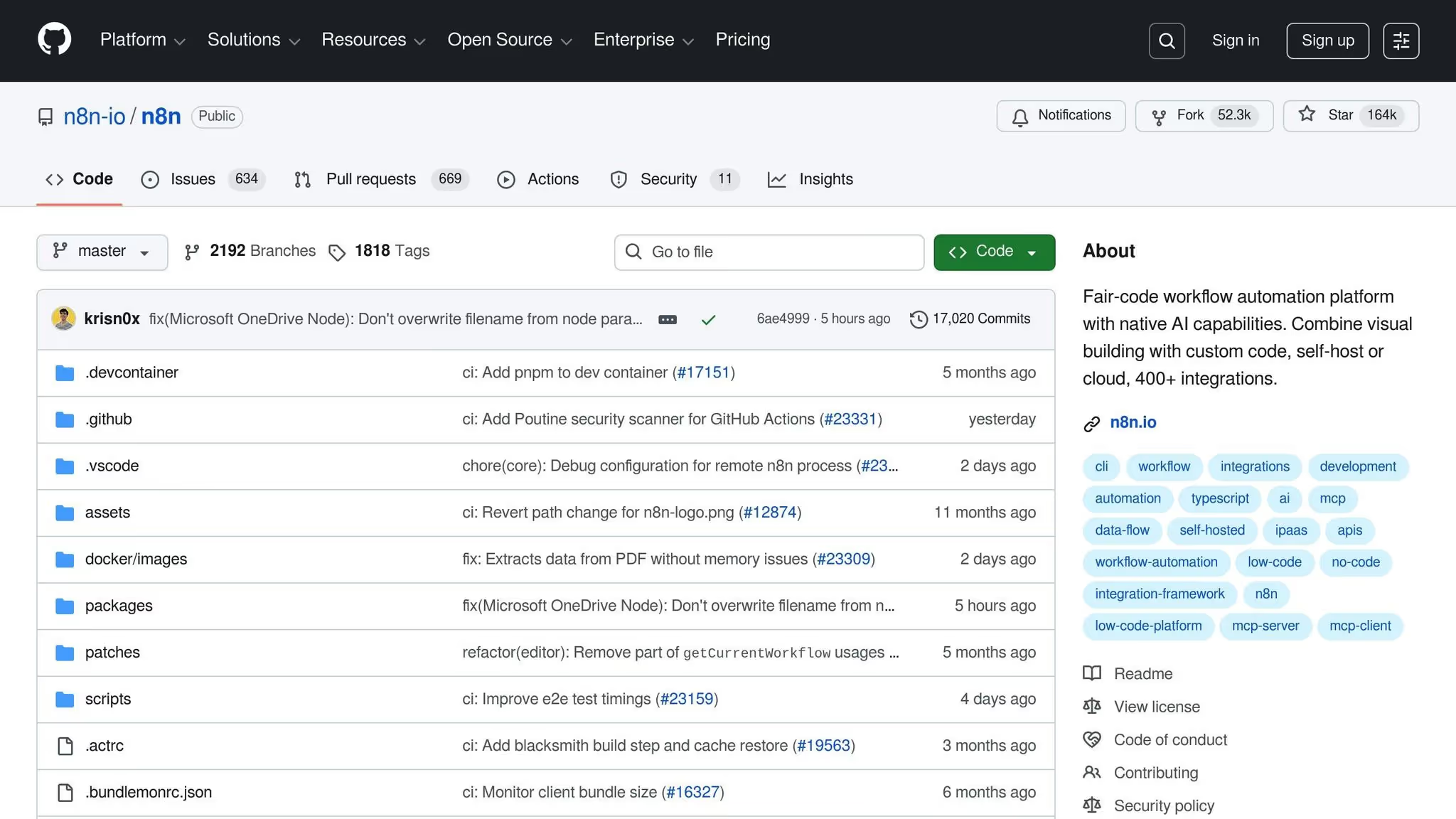
n8n एक है ओपन-सोर्स वर्कफ़्लो ऑटोमेशन प्लेटफ़ॉर्म जो कोड के लचीलेपन के साथ विज़ुअल डिज़ाइन को मिश्रित करता है, जिससे यह AI वर्कफ़्लो को संभालने वाली तकनीकी टीमों में पसंदीदा बन जाता है। GitHub पर 161,400 से अधिक सितारों और 200,000 से अधिक सदस्यों के संपन्न समुदाय के साथ, n8n ने खुद को उन संगठनों के लिए एक समाधान के रूप में स्थापित किया है जो उपयोग में आसानी और उन्नत अनुकूलन विकल्प दोनों की तलाश कर रहे हैं।
n8n लोकप्रिय AI प्लेटफार्मों के लिए देशी नोड प्रदान करता है जैसे ओपनएआई, एंथ्रोपिक, गूगल जेमिनी, मिस्ट्रल, और डीप सीक। 400 से अधिक पूर्व-कॉन्फ़िगर किए गए इंटीग्रेशन के साथ, यह आसानी से वेक्टर स्टोर से जुड़ जाता है जैसे कि पाइनकोन, Qdrant, और सुपाबेस। यह है मॉडल कॉन्टेक्स्ट प्रोटोकॉल (MCP) सर्वर ट्रिगर बाहरी AI सिस्टम को n8n वर्कफ़्लो को सीधे सक्रिय करने की अनुमति देता है, जो बेजोड़ वास्तु लचीलापन प्रदान करता है। डेटा गोपनीयता पर ध्यान केंद्रित करने वाली टीमों के लिए, सेल्फ-होस्टेड AI स्टार्टर किट n8n के साथ बंडल करता है ओलामा स्थानीय एलएलएम, क्यूड्रेंट, और के लिए PostgreSQL, सुरक्षा से समझौता किए बिना पूरी तरह से ऑन-प्रिमाइसेस AI संचालन को सक्षम करना।
n8n हाई-स्टेक प्रक्रियाओं के लिए ब्रांचिंग, लूपिंग, सशर्त रूटिंग और मानव-इन-द-लूप अनुमोदन जैसी सुविधाओं के साथ जटिल वर्कफ़्लो को प्रबंधित करने में उत्कृष्टता प्राप्त करता है। इसका क्यू मोड एक बार में प्रति सेकंड 220 वर्कफ़्लो निष्पादन को संभाल सकता है, जिससे यह अत्यधिक कुशल हो जाता है।
वास्तविक दुनिया के उदाहरण इसके प्रभाव को उजागर करते हैं। लुका पिलिक, मार्केटप्लेस टेक लीड स्टेप स्टोन, साझा किया कि कैसे n8n ने अपनी डेटा एकीकरण प्रक्रिया को बदल दिया:
“हमने मार्केटप्लेस डेटा स्रोतों के अपने एकीकरण को 25X तक बढ़ा दिया है। API को कनेक्ट करने और हमें जो डेटा चाहिए उसे ट्रांसफ़ॉर्म करने में मुझे अधिकतम 2 घंटे लगते हैं। आप कोड में इतनी तेज़ी से ऐसा नहीं कर सकते।”
इसी तरह, डेनिस ज़हर्ट, ग्लोबल आईटी सर्विस डिलीवरी के निदेशक डिलिवरी हीरो, एक वर्कफ़्लो लागू किया जिसने हर महीने 200 घंटे के मैनुअल काम को समाप्त कर दिया।
n8n को एंटरप्राइज़-ग्रेड मानकों को पूरा करने के लिए डिज़ाइन किया गया है, जिसमें SOC 2 अनुपालन, भूमिका-आधारित एक्सेस कंट्रोल (RBAC), और SAML/LDAP के माध्यम से सिंगल साइन-ऑन (SSO) शामिल है। यह एन्क्रिप्टेड क्रेडेंशियल स्टोरेज का भी समर्थन करता है, जो AWS सीक्रेट मैनेजर, एज़्योर की वॉल्ट के साथ मूल रूप से एकीकृत होता है, और हाशिकॉर्प वॉल्ट। परिनियोजन विकल्प लचीले होते हैं, चाहे वे ऑन-प्रिमाइसेस हों, क्लाउड में, या अलग-अलग वातावरण का उपयोग करके डॉकर या कुबेरनेट्स।
पर अनबैबल, n8n ने अनुवाद के समय में 50% की कटौती करके - प्रति प्रोजेक्ट एक घंटे से अधिक की बचत - और डिलीवरी की समय सीमा को छह महीने तक बढ़ाकर अपना मूल्य साबित किया।
n8n एक निःशुल्क स्व-होस्टेड सामुदायिक संस्करण प्रदान करता है, जबकि क्लाउड प्लान $20/माह से शुरू होते हैं। एंटरप्राइज़ प्लान कस्टम-अनुरूप होते हैं, जिसमें बिलिंग पूरी तरह से स्पष्ट और अनुमानित लागतों के लिए पूर्ण किए गए वर्कफ़्लो निष्पादन पर आधारित होती है। इसकी उच्च 4.9/5 रेटिंग चालू है G2 इसकी सामर्थ्य और तकनीकी बहुमुखी प्रतिभा को दर्शाता है।
जैपियर 8,000 से अधिक ऐप्स और 400 AI टूल को जोड़ता है, जो हर दिन प्रभावशाली 800,000 कार्यों को स्वचालित करता है। अन्य प्लेटफार्मों में देखी जाने वाली ऑटोमेशन प्रथाओं का विस्तार करके, जैपियर सिस्टम की एक विस्तृत श्रृंखला में वर्कफ़्लो को सरल बनाता है। 1 मिलियन से अधिक कंपनियों द्वारा भरोसा किया जाता है, यह उन व्यवसायों के लिए एक उपयोगी समाधान है, जो सरलता और दक्षता को महत्व देते हैं।
जैपियर एक एकीकृत वर्कफ़्लो के भीतर प्रमुख AI मॉडल जैसे कि ChatGPT, क्लाउड, जेमिनी, पेरप्लेक्सिटी, ग्रोक और एज़्योर ओपनएआई को एक साथ लाता है। 2026 में जैपियर मॉडल कॉन्टेक्स्ट प्रोटोकॉल (MCP) की शुरुआत एक गेम-चेंजर रही है, जिससे डेवलपर्स AI टूल को हजारों ऐप्स से तुरंत कनेक्ट कर सकते हैं - किसी कस्टम API इंटीग्रेशन की आवश्यकता नहीं है। टीमें Google Drive जैसे टूल को लिंक करके AI आउटपुट को भी बढ़ा सकती हैं, धारणा, और संगम उनके वर्कफ़्लो के लिए। इसके अतिरिक्त, प्लेटफ़ॉर्म का बिल्ट-इन AI by Zapier टूल GPT-4o mini जैसे मॉडल तक पहुँच को सक्षम बनाता है।
जैपियर कैनवास जटिल AI वर्कफ़्लो को डिज़ाइन करने और ठीक करने के लिए एक विज़ुअल इंटरफ़ेस प्रदान करता है। दूसरी ओर, जैपियर एजेंट प्राकृतिक भाषा कमांड का उपयोग करके विभिन्न उपकरणों पर टास्क ऑटोमेशन को संभालते हैं। उदाहरण के लिए, मार्कस सैटो की तीन व्यक्तियों की आईटी टीम रिमोट 28% समर्थन टिकटों को स्वचालित करके 1,700 कर्मचारियों का समर्थन करता है, जिससे हर महीने 600 घंटे से अधिक की बचत होती है। इसी तरह, जैकब सर... वेन्दास्ता पाइपलाइन राजस्व में $1 मिलियन की वसूली की और लीड संवर्धन और CRM अपडेट को स्वचालित करके सालाना 282 दिनों के मैनुअल काम को समाप्त कर दिया।
जैपियर कठोर उद्यम आवश्यकताओं को पूरा करता है, जिसमें SOC 2 टाइप II, SOC 3, GDPR और CCPA अनुपालन शामिल हैं। यह SSO (SAML), SCIM प्रोविजनिंग, ऑडिट लॉग और रोल-आधारित एक्सेस कंट्रोल जैसी सुविधाएँ भी प्रदान करता है। एंटरप्राइज़ उपयोगकर्ताओं को स्वचालित रूप से AI मॉडल प्रशिक्षण से बाहर रखा जाता है और वे VPC पीयरिंग का उपयोग करके आंतरिक डेटा को सुरक्षित रूप से लिंक कर सकते हैं। IT टीमें डोमेन कैप्चर और शेयर्ड ऐप कनेक्शन जैसे टूल से लाभान्वित होती हैं, जो केंद्रीकृत नियंत्रण प्रदान करते हैं। 99.99% निष्पादन विश्वसनीयता दर के साथ, जैपियर आउटेज डिटेक्शन और इंटेलिजेंट थ्रॉटलिंग के माध्यम से भरोसेमंद प्रदर्शन सुनिश्चित करता है।
जैपियर एक कार्य-आधारित बिलिंग मॉडल का उपयोग करता है, जो केवल सफल कार्रवाइयों के लिए शुल्क लेता है। ट्रिगर्स, पोलिंग, और लॉजिक स्टेप्स जैसे फ़िल्टर और पथ बिना किसी अतिरिक्त लागत के शामिल किए जाते हैं। प्लेटफ़ॉर्म प्रति माह 100 कार्यों के साथ एक निःशुल्क टियर प्रदान करता है, जबकि भुगतान किए गए प्लान 750 कार्यों (व्यावसायिक योजना) के लिए $19.99/माह से शुरू होते हैं, 2,000 कार्यों के लिए $69/माह (टीम प्लान), और वार्षिक कार्य सीमाओं वाले एंटरप्राइज़ क्लाइंट के लिए कस्टम मूल्य निर्धारण। ओवरएज का बिल बेस रेट के 1.25× पर किया जाता है। उदाहरण के लिए, प्रीमियर प्रॉपर्टी ग्रुप जैपियर इंटरफेस और टेबल्स का उपयोग करके एजेंट ऑनबोर्डिंग और मार्केटिंग वर्कफ़्लो को स्वचालित करके सालाना $115,000 की बचत की।
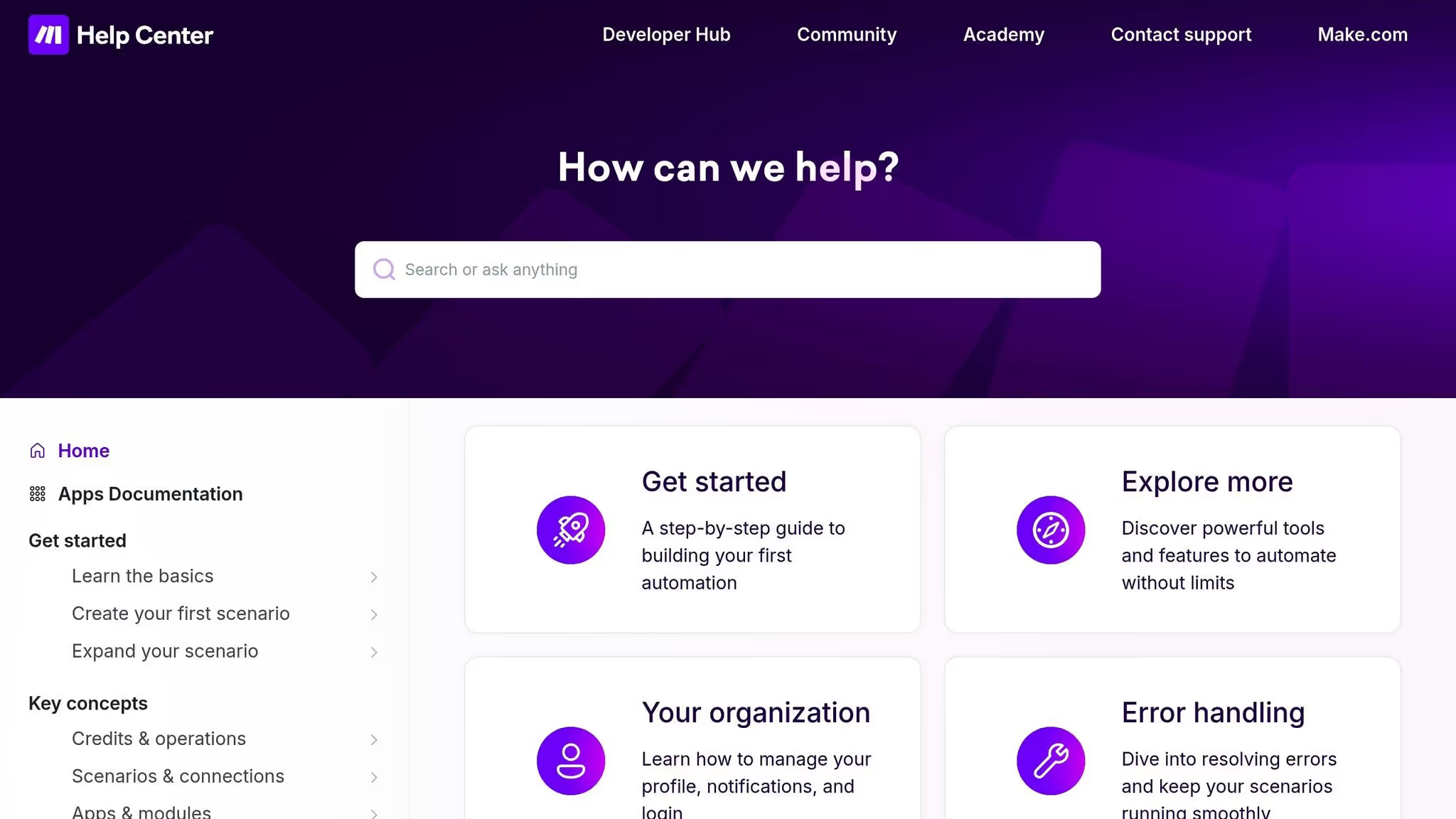
वैश्विक स्तर पर 350,000 से अधिक ग्राहकों के लिए पावर ऑटोमेशन बनाएं, एक विज़ुअल प्लेटफ़ॉर्म प्रदान करें जो 3,000 से अधिक ऐप्स और 400 से अधिक एआई-विशिष्ट इंटीग्रेशन को जोड़ता है। इसकी उन्नत सुविधाएं विशेष रूप से उन तकनीकी टीमों को पूरा करती हैं जिन्हें जटिल एकीकरण के लिए मल्टी-ब्रांच रूटिंग और परिष्कृत डेटा रूपांतरण की आवश्यकता होती है।
एक एकीकृत वर्कफ़्लो के भीतर OpenAI, एंथ्रोपिक क्लाउड, Google Vertex AI (Gemini), Azure OpenAI और Mistral जैसे शीर्ष AI प्रदाताओं के साथ मूल रूप से एकीकृत करें। यह दोहरे सर्वर और क्लाइंट क्षमताओं के साथ MCP का लाभ उठाता है, जिससे AI मॉडल और डेटा स्रोतों के बीच सहज संचार सुनिश्चित होता है। प्लेटफ़ॉर्म का विज़ुअल ग्रिड एक केंद्रीकृत “लाइव मैप” के रूप में कार्य करता है, जो एक संगठन के प्रत्येक एजेंट, ऐप और वर्कफ़्लो को प्रदर्शित करता है। इस लाइव अवलोकन से बाधाओं की पहचान करना और AI संचालन बढ़ने पर सिस्टम की दृश्यता बनाए रखना आसान हो जाता है। इन सुविधाओं को जटिल वर्कफ़्लो को ऑर्केस्ट्रेट करने के लिए मेक को एक शक्तिशाली उपकरण के रूप में पेश किया जाता है।
अपने ड्रैग-एंड-ड्रॉप इंटरफ़ेस का उपयोग करते हुए, मेक राउटर, इटरेटर और सटीक डेटा मैपिंग जैसे टूल के साथ जटिल स्वचालन को सरल बनाता है। इसके AI एजेंट सबसे कुशल कार्य मार्गों को निर्धारित करने के लिए प्राकृतिक भाषा संकेतों पर भरोसा करते हैं, जबकि Maia - अंतर्निहित AI सहायक - उपयोगकर्ताओं को संवादात्मक इनपुट के माध्यम से वर्कफ़्लो को डिज़ाइन करने, डिबग करने और परिष्कृत करने की अनुमति देता है। एंड्रियास स्ट्राइज़, सीटीओ और सह-संस्थापक फिन, मंच के प्रभाव पर प्रकाश डाला:
“पूरी कंपनी में सच्चा नागरिक विकास। मेक हर विभाग में मौजूद है, जो कंपनी को एक अद्वितीय ग्राहक अनुभव प्रदान करने के लिए सशक्त बनाता है”।
इसके अतिरिक्त, प्लेटफ़ॉर्म 7,500 से अधिक पूर्व-निर्मित वर्कफ़्लो टेम्प्लेट के साथ परिनियोजन को गति देता है।
उन्नत सुरक्षा के लिए डेटा एन्क्रिप्शन और सिंगल साइन-ऑन (SSO) की पेशकश करते हुए SOC 2 टाइप II और GDPR अनुपालन सहित एंटरप्राइज़-ग्रेड मानकों का पालन करें। इसके एंटरप्राइज़ प्लान में रोल-बेस्ड एक्सेस कंट्रोल (RBAC) और टीम-विशिष्ट ऑपरेशन सीमाएँ शामिल हैं, जो बड़े वर्कफ़्लो के लिए स्केलेबिलिटी सुनिश्चित करती हैं। फिलिप वेइडेनबैक, ऑपरेशंस के प्रमुख टेलीक्लिनिक, साझा किया गया:
“मेक ने वास्तव में हमें अपने ऑपरेशन को बढ़ाने, हमारी प्रक्रियाओं से घर्षण को दूर करने, लागत कम करने और हमारी सहायता टीम को राहत देने में मदद की"।
प्लेटफ़ॉर्म में एक एकीकृत एनालिटिक्स डैशबोर्ड भी है, जो समय के साथ वर्कफ़्लो प्रदर्शन और स्वचालन दक्षता में विस्तृत जानकारी प्रदान करता है।
मेक का मूल्य निर्धारण मॉडल सीधा और क्रेडिट-आधारित है, जिसमें प्रत्येक वर्कफ़्लो चरण में क्रेडिट की खपत होती है - एआई-विशिष्ट संचालन के लिए अक्सर प्रति कार्रवाई एक से अधिक क्रेडिट की आवश्यकता होती है। नि: शुल्क योजना में प्रति माह 1,000 क्रेडिट शामिल हैं, जबकि कोर प्लान $10.59 प्रति माह से शुरू होता है, जिसमें 10,000 क्रेडिट और असीमित सक्रिय परिदृश्य प्रदान किए जाते हैं। $18.82 प्रति माह की कीमत वाली प्रो योजना में प्राथमिकता निष्पादन शामिल है, जबकि $34.12 प्रति माह की टीम योजना में भूमिका प्रबंधन शामिल है। एंटरप्राइज़ प्लान में कस्टम प्राइसिंग और 24/7 सपोर्ट शामिल हैं। वार्षिक बिलिंग वर्ष के लिए क्रेडिट तक अग्रिम पहुंच प्रदान करती है। जैसा कि शॉप एक्सेलेरेटर मार्टेक के सीओओ केडेन फिप्स ने बताया:
“हमारे व्यवसाय के भीतर उन तरीकों से अभूतपूर्व दक्षता लाएं जिनकी हमने कभी कल्पना भी नहीं की थी। यह लागत के एक अंश के लिए एक अतिरिक्त कर्मचारी (या 10) का होना है "।
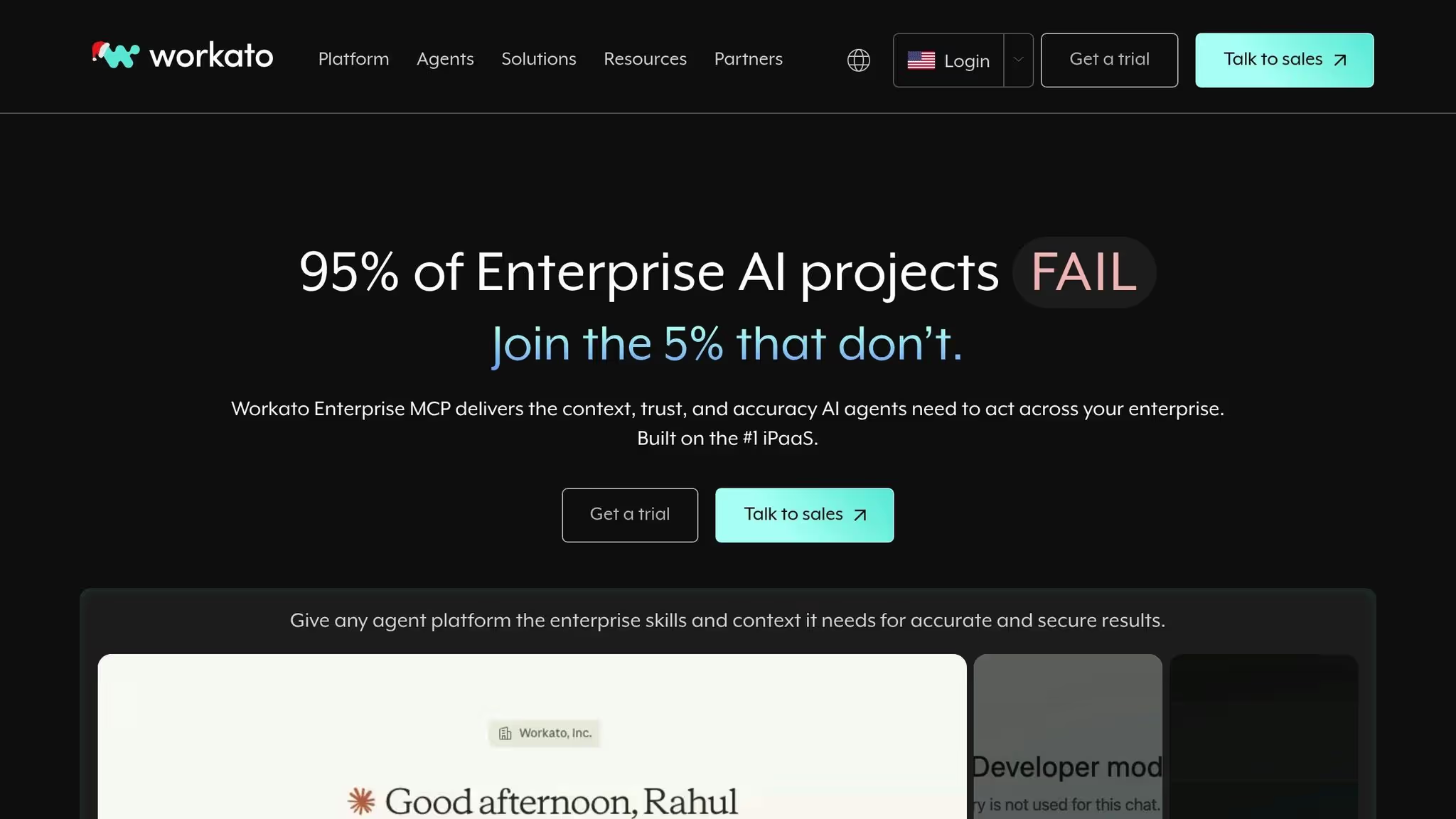
Workato API प्रबंधन, डेटा समन्वय और ईवेंट स्ट्रीमिंग को एक ही प्लेटफ़ॉर्म में जोड़ती है। में लीडर के रूप में मान्यता प्राप्त है गार्टनर® मैजिक क्वाड्रेंट™ लगातार सात वर्षों के लिए iPaaS के लिए, Workato केवल जानकारी प्राप्त करने से आगे बढ़ते हुए, एंटरप्राइज़ सिस्टम में कार्य करने के लिए AI एजेंटों को सशक्त बनाने पर ध्यान केंद्रित करता है।
वर्काटो एआई एजेंटों और व्यापार प्रणालियों को इसके माध्यम से जोड़ता है एंटरप्राइज़ MCP सर्वर, एंथ्रोपिक, ओपनएआई और कर्सर जैसे बड़े भाषा मॉडल को बाहरी डेटा से जोड़ने के लिए मॉडल कॉन्टेक्स्ट प्रोटोकॉल का उपयोग करना। इसके साथ वर्काटो कनेक्टर द्वारा एआई, प्लेटफ़ॉर्म एंथ्रोपिक सॉनेट 4 और ओपनएआई जीपीटी-4ओ मिनी को सीधे वर्कफ़्लो में एकीकृत करता है। इस एकीकरण में अंतर्निहित क्रियाएँ शामिल हैं जैसे “पाठ का विश्लेषण करें”, “पाठ को सारांशित करें”, और “ड्राफ़्ट ईमेल”। पूर्व-कॉन्फ़िगर की गई व्यावसायिक कार्रवाइयां पूर्वानुमेय AI कार्य निष्पादन को सुनिश्चित करती हैं। इसके अतिरिक्त, Workato SaaS प्लेटफ़ॉर्म, ऑन-प्रिमाइसेस सिस्टम और डेटाबेस के लिए 1,200 से अधिक कनेक्टर प्रदान करता है, साथ ही REST या SOAP API के लिए कस्टम कनेक्टर SDK प्रदान करता है। यह है डीप एक्शन™ टेक्नोलॉजी स्वायत्त एजेंटों को 10,000 से अधिक ऐप्स और डेटा कनेक्टर्स में कार्यों को समन्वयित करने में सक्षम बनाता है, जो कई प्रणालियों तक फैली जटिल प्रक्रियाओं को संभालता है।
Workato अपने सहज AI एकीकरण की बदौलत जटिल, बहु-चरणीय वर्कफ़्लो को प्रबंधित करने में उत्कृष्टता प्राप्त करता है। प्लेटफ़ॉर्म का AIRO™ (AI-चालित, इरादा-आधारित, रीयल-टाइम ऑर्केस्ट्रेटर) विचार, परीक्षण और परिनियोजन के जीवनचक्र में जटिल तर्क को संभालता है। यह है एजेंट ऑर्केस्ट्रेटर वर्काटो से AI एजेंटों को सिंक्रनाइज़ करता है, सेल्सफोर्स जैसे तृतीय-पक्ष SaaS उपकरण और कार्यदिवस, और कस्टम फ्रेमवर्क जैसे लैंग चैन। मॉड्यूलर वर्कफ़्लो को इसके साथ संभव बनाया गया है पकाने की विधि के कार्य, एक वर्कफ़्लो को समानांतर प्रसंस्करण और कार्य पुन: उपयोग के लिए दूसरे को कॉल करने की अनुमति देता है। प्लेटफ़ॉर्म सशर्त तर्क, लूप और समानांतर निष्पादन पथ का समर्थन करता है, जबकि लेनदेन संबंधी अखंडता को बनाए रखने के लिए अंतर्निहित मेमोरी और रोलबैक सुविधाओं की पेशकश करता है।
इंटेलिजेंट ऑटोमेशन के प्रमुख मोहित राव ने वर्काटो की मापनीयता पर प्रकाश डाला:
“व्यावसायिक उपयोगकर्ताओं ने व्यवस्थित रूप से वर्काटो का उपयोग करना शुरू कर दिया है। एक बार जब हम उन व्यावसायिक यूज़र की पहचान कर लेते हैं, तो हम उन्हें अन्य टीमों या अन्य लोगों को सशक्त बनाने के लिए चैंपियन बनाते हैं, और उनका उपयोग स्केल की अगली लहर पाने के लिए करते हैं”।
वर्काटो समुदाय में 635,000 से अधिक प्रीबिल्ट वर्कफ़्लो घटक शामिल हैं, जिन्हें “एंटरप्राइज़ कौशल” के रूप में जाना जाता है, जो तैनाती को गति देने में मदद करते हैं।
वर्काटो कड़े उद्यम सुरक्षा आवश्यकताओं को पूरा करके एकीकरण और ऑर्केस्ट्रेशन से परे चला जाता है। यह SOC 2 टाइप II, HIPAA, GDPR, ISO 27001 और PCI-DSS v4.0.1 मानकों का अनुपालन करता है। डेटा AES-256 एन्क्रिप्शन के साथ सुरक्षित है, और नौकरी के इतिहास डबल-एन्क्रिप्टेड हैं। प्लेटफ़ॉर्म का एजेंट ऑथ™ सिस्टम पेटेंट भूमिका-आधारित अभिगम नियंत्रण प्रदान करता है, यह सुनिश्चित करता है कि AI एजेंट केवल अधिकृत डेटा और सिस्टम तक पहुंच सकें। के माध्यम से वर्काटो एजिस, प्रशासक उपयोगकर्ताओं, उपयोग और एकीकरण प्रक्रियाओं में दृश्यता प्राप्त करते हैं, जिससे पूरे संगठन में सुरक्षा नीतियों को लागू किया जा सकता है। ओपन API एक्सेस देने के बजाय, एडमिनिस्ट्रेटर पहले से कॉन्फ़िगर किए गए कौशल के एक नियंत्रित सेट को परिभाषित करते हैं, जिसका उपयोग AI एजेंट कर सकते हैं, यह सुनिश्चित करते हुए कि कार्रवाइयां पूर्वानुमेय और ऑडिट योग्य दोनों हों। हर AI एजेंट इंटरैक्शन लॉग किया जाता है, जो क्रियाओं, समय और इरादे का स्पष्ट रिकॉर्ड प्रदान करता है। इसके अतिरिक्त, डेटा रेजीडेंसी को उसी क्षेत्र (यूएस या ईएमईए) में स्रोत डेटा केंद्र के रूप में जानकारी संसाधित करके लागू किया जाता है, और वर्काटो एआई मॉडल को प्रशिक्षित करने के लिए ग्राहक डेटा का उपयोग नहीं करता है। वास्तविक दुनिया के परिणामों में कर्मचारी स्थानांतरण अनुरोधों को संसाधित करने में 98% सुधार और स्वचालन के माध्यम से 100,000 घंटे से अधिक की बचत शामिल है।
वर्काटो एक कस्टम एंटरप्राइज़ प्राइसिंग मॉडल पर काम करता है, जिसमें उपयोग के आधार पर इसकी बिक्री टीम के माध्यम से उद्धरण उपलब्ध हैं। प्लेटफ़ॉर्म ने 1,397 से अधिक समीक्षाओं से G2 पर 4.5/5 रेटिंग और 4.7/5 रेटिंग अर्जित की है Capterra 3,023 से अधिक समीक्षाओं से। उपयोगकर्ता अक्सर दक्षता में सुधार करते हुए गैर-तकनीकी उपयोगकर्ताओं को सशक्त बनाने की इसकी क्षमता की प्रशंसा करते हैं। ये सुविधाएँ 2026 में AI वर्कफ़्लो के प्रबंधन के लिए वर्काटो को एक शक्तिशाली और बहुमुखी समाधान के रूप में स्थापित करती हैं।
Microsoft Power Automate एक ही प्लेटफ़ॉर्म में क्लाउड ऑटोमेशन, रोबोटिक प्रोसेस ऑटोमेशन (RPA) और AI को एक साथ लाता है, जो Microsoft 365 इकोसिस्टम के साथ मूल रूप से एकीकृत है। रोबोटिक प्रोसेस ऑटोमेशन के लिए 2025 गार्टनर मैजिक क्वाड्रेंट में लीडर के रूप में मान्यता प्राप्त, इसमें एंटरप्राइज़ सिस्टम जैसे 1,400 से अधिक प्रमाणित कनेक्टर हैं एसएपी, सेल्सफोर्स, और डायनामिक्स 365। इससे संगठनों को सालाना औसतन 200 घंटे बचाने में मदद मिलती है [46—48]।
Power Automate बहुमुखी कनेक्शनों के माध्यम से व्यवसाय प्रणालियों को बेहतर बनाता है। प्रमाणित कनेक्टर क्लाउड एप्लिकेशन के साथ API-आधारित एकीकरण को सक्षम करते हैं, जबकि इसके RPA टूल पुराने डेस्कटॉप एप्लिकेशन और उन वेबसाइटों में कार्यों को स्वचालित करते हैं जिनमें API की कमी होती है। कस्टम ज़रूरतों के लिए, अनुकूलित कनेक्टर भी उपलब्ध हैं [46,49—51]। प्लेटफ़ॉर्म का AI बिल्डर दस्तावेज़ प्रसंस्करण, छवि विश्लेषण और भविष्य कहनेवाला कार्यों के लिए उपकरण प्रदान करता है, जिससे बाहरी AI समाधानों की आवश्यकता समाप्त हो जाती है। इसके अतिरिक्त, अंतर्निहित GPT सुविधाएँ और माइक्रोसॉफ्ट कोपिलॉट स्टूडियो उपयोगकर्ताओं को उनके वर्कफ़्लो के लिए स्टैंडअलोन AI एजेंट बनाने के लिए सशक्त बनाता है। ऑन-प्रिमाइसेस डेटा गेटवे आंतरिक डेटा [46,52] तक सुरक्षित पहुंच सुनिश्चित करता है।
2024 में, Nsure वाहकों से डेटा सत्यापन को कारगर बनाने के लिए Power Automate में कोपिलॉट का लाभ उठाया। AI और Automation के VP, जॉन हैश ने साझा किया कि एक प्रक्रिया जिसमें कभी 100 लोगों की आवश्यकता होती थी, अब एक छोटी टीम द्वारा नियंत्रित की जाती है, जिससे 60% समय की बचत होती है और 50% लागत बचत होती है।
एकीकरण से परे, Power Automate जटिल, बहु-चरणीय वर्कफ़्लोज़ के प्रबंधन में चमकता है।
Power Automate एक हाइब्रिड दृष्टिकोण के साथ जटिल वर्कफ़्लो को सरल बनाता है जो क्लाउड अनुप्रयोगों के लिए डिजिटल प्रोसेस ऑटोमेशन, लिगेसी सिस्टम के लिए RPA और इंटेलिजेंट डेटा हैंडलिंग के लिए AI बिल्डर को जोड़ती है [46,53]। 2025 अपडेट ने सेल्फ-हीलिंग ऑटोमेशन की शुरुआत की, जिससे डेवलपर के समय में 20% की कटौती हुई। ऑटोमेशन सेंटर प्रबंधन को केंद्रीकृत करता है, जो क्लाउड और डेस्कटॉप वर्कफ़्लो में एंटरप्राइज़-स्तरीय अवलोकन, ऑर्केस्ट्रेशन और संसाधन अनुकूलन की पेशकश करता है। उपयोगकर्ता मल्टी-स्टेज अनुमोदन और डेटा सत्यापन [46,50,53] जैसे कार्यों के लिए मानव-इन-द-लूप प्रक्रियाओं के समर्थन के साथ, कोपायलट के माध्यम से प्राकृतिक भाषा का उपयोग करके वर्कफ़्लो बना और परिष्कृत कर सकते हैं।
2024 में, Uber ने इंटेलिजेंट ऑटोमेशन के ग्लोबल हेड, चाड एरोनसन के तहत Power Automate को अपनाया। यह पहल कंपनी के जनरेटिव AI और प्रोसेस माइनिंग उद्देश्यों के अनुरूप है, जिससे वार्षिक लागत बचत में $30 मिलियन की राशि मिलती है और हर साल 3,400 घंटे काम वापस मिलता है। एरोनसन ने इस पर प्रकाश डाला:
“Power Automate के साथ, हमें एक पावर प्लेटफ़ॉर्म इकोसिस्टम का लाभ मिलता है, जो हमारी भविष्य की योजनाओं के अनुरूप होता है, जिसमें हम अग्रणी जनरेटिव AI और प्रोसेस माइनिंग क्षमताओं के रूप में देखते हैं"।
Power Automate को एंटरप्राइज़-स्केल सुरक्षा और शासन के लिए डिज़ाइन किया गया है। प्रबंधित वातावरण केंद्रीकृत नियंत्रण और दृश्यता प्रदान करते हैं, जबकि अंतर्निहित डेटा हानि निवारण (DLP) नीतियां अनधिकृत साझाकरण को रोककर डेटा की सुरक्षा करती हैं। भूमिका-आधारित अभिगम नियंत्रण, एंटरप्राइज़-ग्रेड एन्क्रिप्शन और विस्तृत गतिविधि लॉग जैसी सुविधाएँ सुरक्षित सहयोग और ऑडिटिंग को बढ़ाती हैं [48,50]। ऑटोमेशन सेंटर क्लाउड और डेस्कटॉप फ्लो के लिए लाइव ऑब्जर्वेबिलिटी की पेशकश करके अनुपालन का समर्थन करता है, जिससे मानवीय त्रुटि [50,51] कम हो जाती है।
2024 में, कनाडाई मनोरंजन कंपनी, सिनेप्लेक्स ने वित्त और अतिथि सेवा प्रक्रियाओं को स्वचालित करने के लिए Power Automate और जनरेटिव AI का उपयोग किया। टैक्सेशन एंड ट्रेजरी के वीपी, बो वांग के नेतृत्व में, इस पहल ने 100 से अधिक कर्मचारियों को एआई-संचालित समाधान विकसित करने में सक्षम बनाया, जिससे सालाना 30,000 घंटे से अधिक की बचत हुई। वांग ने साझा किया:
“Microsoft Power Automate हमारे स्वचालन प्रयासों को लगातार बढ़ा रहा है। इसकी जनरेटिव AI क्षमताएं और Microsoft Copilot Studio जैसे अन्य Power Platform उत्पादों के साथ एकीकरण वास्तव में Power Automate को प्रतिस्पर्धी समाधानों से अलग करता है”।
ये मजबूत सुरक्षा और अनुपालन सुविधाएँ संगठनों को प्लेटफ़ॉर्म की स्वचालन क्षमता को अधिकतम करने की अनुमति देती हैं।
Power Automate तीन स्तरों में सरल मूल्य निर्धारण प्रदान करता है। 30-दिन का निःशुल्क परीक्षण प्रीमियम सुविधाओं तक पहुँच प्रदान करता है। पावर ऑटोमेट प्रीमियम प्लान की लागत $15.00 प्रति उपयोगकर्ता प्रति माह (प्रतिवर्ष बिल) है और इसमें क्लाउड और अटेंडेड डेस्कटॉप फ्लो, प्रीमियम कनेक्टर और प्रोसेस माइनिंग शामिल हैं। अनअटेंडेड RPA या अनलिमिटेड यूज़र द्वारा एक्सेस किए जा सकने वाले क्लाउड फ्लो के लिए, पॉवर ऑटोमेट प्रोसेस प्लान $150.00 प्रति बॉट प्रति माह (वार्षिक बिल) [46—48] पर उपलब्ध है। यह मूल्य निर्धारण संरचना प्लेटफ़ॉर्म की व्यापक क्षमताओं को दर्शाती है, जो इसके गहरे Microsoft 365 एकीकरण और कम-कोड इंटरफ़ेस [33,50] के साथ बड़े पैमाने पर संचालन का समर्थन करती है।
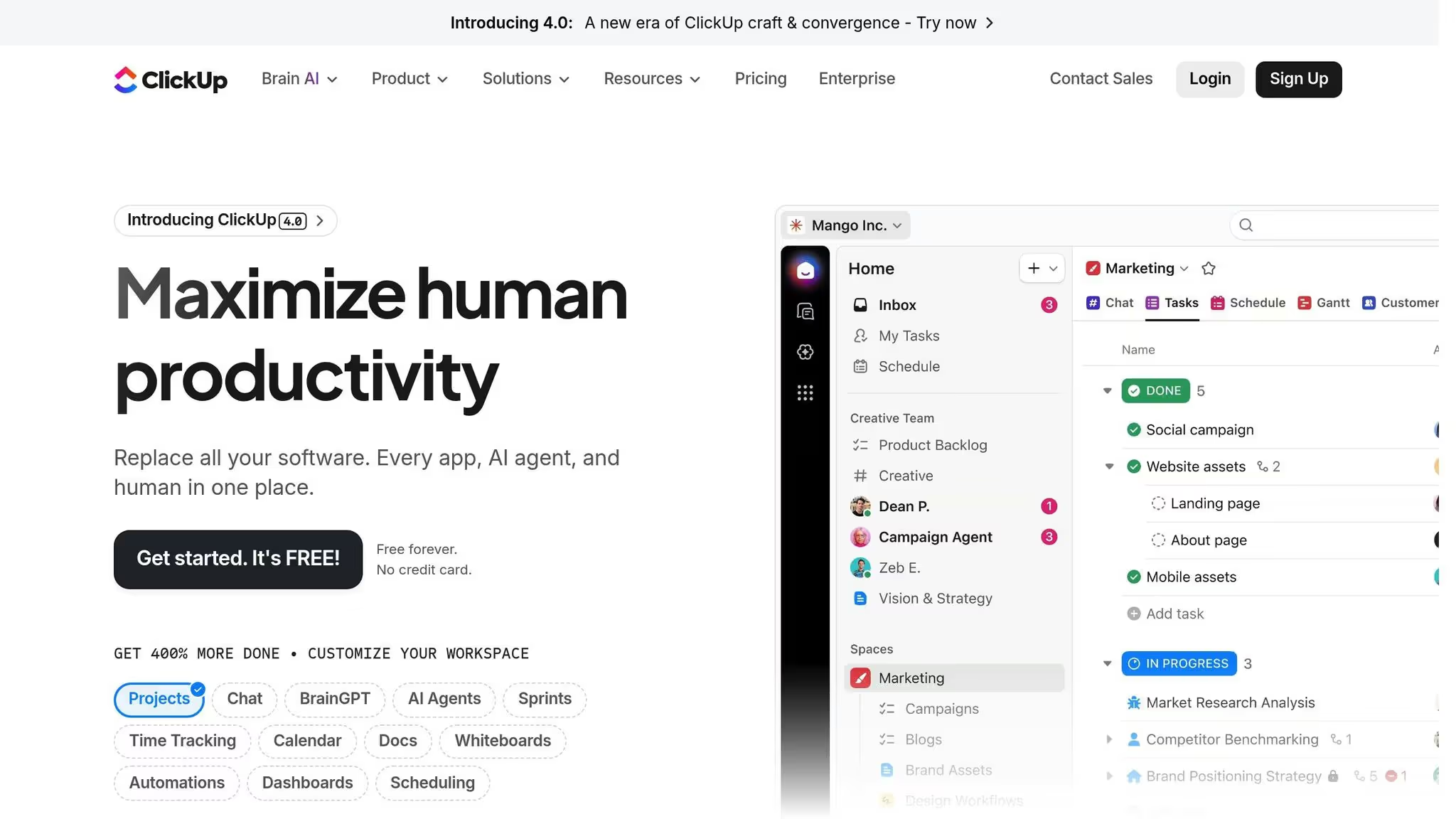
ClickUp एकल, एकीकृत कार्यक्षेत्र में प्रोजेक्ट प्रबंधन और AI स्वचालन को एक साथ लाता है। प्लेटफ़ॉर्म के केंद्र में है क्लिकअप ब्रेन मैक्स, एक ऐसी सुविधा जो उपयोगकर्ताओं को एक ही इंटरफ़ेस के भीतर कई AI मॉडल - ChatGPT, Claude, और Gemini - के बीच आसानी से स्विच करने की अनुमति देती है। इस लचीलेपन का मतलब है कि टीमें प्रत्येक मॉडल की विशिष्ट खूबियों का लाभ उठा सकती हैं: क्लाउड जटिल तर्क और कानूनी समीक्षाओं को संभालने में माहिर है, जबकि ChatGPT लचीले ड्राफ्टिंग और नैरेटिव को परिष्कृत करने के लिए उत्कृष्ट है। यह मल्टी-मॉडल सेटअप ClickUp के मजबूत टूल के साथ आसानी से एकीकृत हो जाता है।
ClickUp Brain एंटरप्राइज़ डेटा स्रोतों से जुड़ता है, यह सुनिश्चित करता है कि AI- जनरेट की गई प्रतिक्रियाओं को Salesforce जैसे प्लेटफ़ॉर्म से कंपनी के डेटा द्वारा सूचित किया जाए, Zendesk, और गूगल ड्राइव। सिस्टम समझदारी से प्रत्येक कार्य के लिए सर्वश्रेष्ठ AI मॉडल का चयन करता है, दक्षता को अनुकूलित करता है। 2025 फॉरेस्टर ग्रुप की रिपोर्ट के अनुसार, ClickUp का उपयोग करने वाले संगठनों ने तीन वर्षों में 384% ROI हासिल किया, जिससे मैन्युअल कार्यों में कटौती करके औसतन 92,400 घंटे की बचत हुई।
ClickUp Automation आंतरिक कार्यों और बाहरी टूल दोनों में बहु-चरणीय प्रक्रियाओं को निष्पादित करने के लिए सशर्त ट्रिगर्स का उपयोग करके जटिल वर्कफ़्लो को सरल बनाता है। उदाहरण के लिए, जब कोई बिक्री सौदा बंद हो जाता है, तो सिस्टम ऑनबोर्डिंग चेकलिस्ट जेनरेट करते समय स्वचालित रूप से CRM को अपडेट कर सकता है। डेडिकेटेड एजेंट प्रोजेक्ट किकऑफ़ को आसान बनाते हैं, टास्क असाइन करते हैं और डिलिवरेबल्स की निगरानी करते हैं। G2 पर एक समीक्षक ने इस पर प्रकाश डाला:
सस्ती कीमत पर एडवांस रीजनिंग मॉडल सहित कई AI मॉडल का उपयोग करने की क्षमता से एक प्लेटफॉर्म में सब कुछ केंद्रीकृत करना आसान हो जाता है।
ClickUp को एंटरप्राइज़-स्तरीय अनुपालन और नियंत्रण को ध्यान में रखकर बनाया गया है। प्लेटफ़ॉर्म SOC 2 टाइप II, ISO 27001, GDPR और HIPAA मानकों का पालन करता है, जबकि अपनी सेवाओं के लिए 99.99% अपटाइम प्रदान करता है। डेटा अनुबंध यह सुनिश्चित करते हैं कि तृतीय-पक्ष AI मॉडल कंपनी डेटा पर प्रशिक्षण न लें या उसे बनाए न रखें। इसके अतिरिक्त, भूमिका-आधारित एक्सेस नियंत्रण और अनुमोदन वर्कफ़्लो जैसी सुविधाएँ “मानव-इन-द-लूप” प्रक्रियाओं को सक्षम करती हैं, जहाँ AI-जनित सामग्री को आगे के स्वचालन से पहले मानवीय समीक्षा की आवश्यकता होती है।
ClickUp चार मूल्य निर्धारण स्तर प्रदान करता है: फ्री फॉरएवर ($0), अनलिमिटेड ($7 प्रति उपयोगकर्ता प्रति माह), व्यवसाय ($12 प्रति उपयोगकर्ता प्रति माह), और कस्टम एंटरप्राइज़ मूल्य निर्धारण (सभी को सालाना बिल किया जाता है)। द क्लिकअप ब्रेन किसी भी सशुल्क योजना पर प्रति माह अतिरिक्त $9 प्रति सदस्य के लिए ऐड-ऑन उपलब्ध है। टूल को समेकित करके और तेज़ी से स्केलिंग को सक्षम करके, प्लेटफ़ॉर्म राजस्व लाभ में $3.9 मिलियन कमाता है। ClickUp के पास मजबूत ग्राहक रेटिंग भी है, जिसमें G2 पर 4.7/5 (10,400 से अधिक समीक्षाओं के आधार पर) और Capterra पर 4.6/5 (4,000 से अधिक समीक्षाओं में से) है।
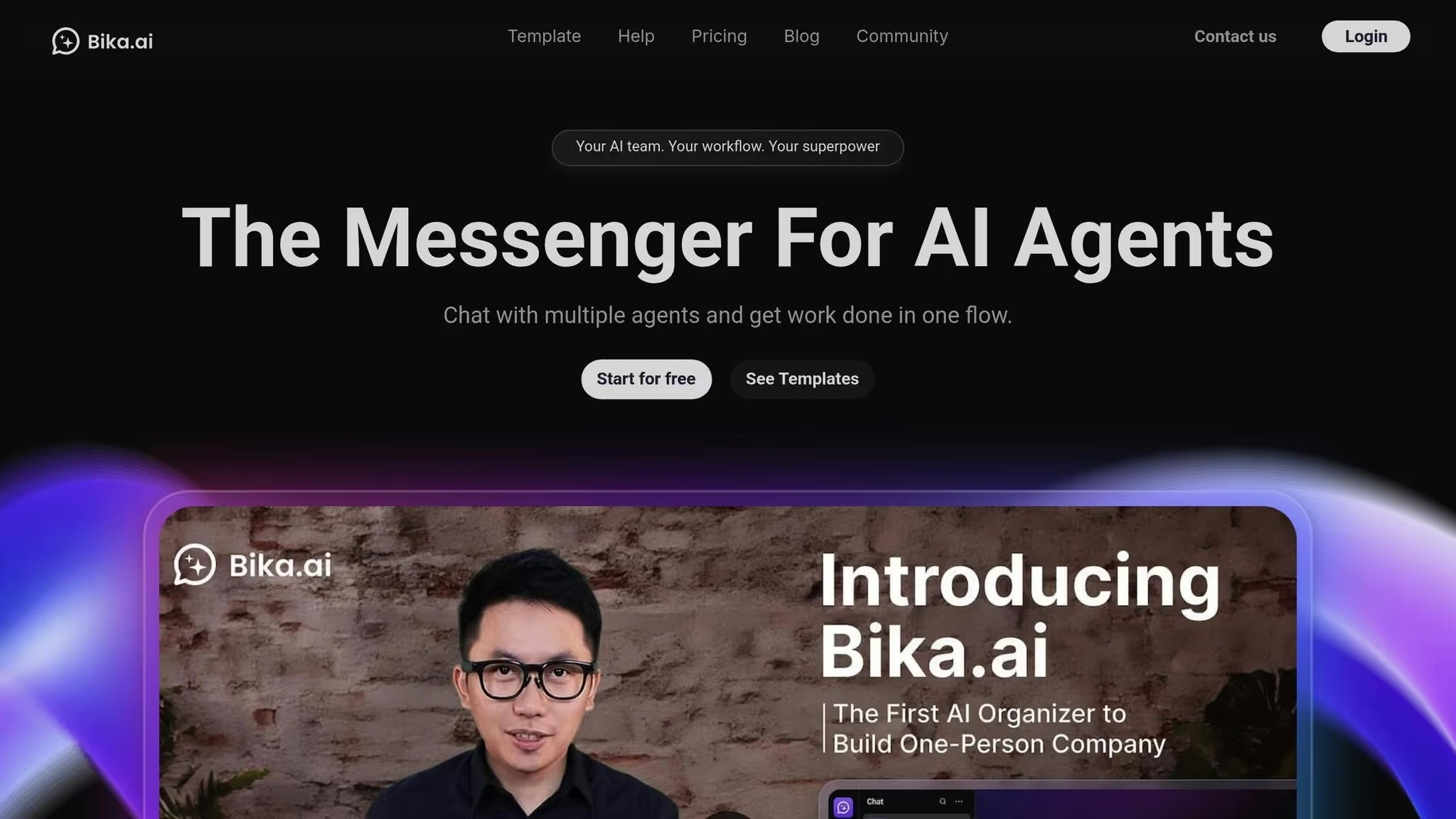
Bika.ai AI एजेंट, ऑटोमेशन टूल, डेटाबेस, डैशबोर्ड और दस्तावेज़ों को एक एकल, एकीकृत कार्यक्षेत्र में एक साथ लाता है। जटिल प्रक्रियाओं को सरल बनाने के लिए डिज़ाइन किया गया, यह टीमों को गहरी कोडिंग विशेषज्ञता की आवश्यकता के बिना AI-संचालित वर्कफ़्लो बनाने और प्रबंधित करने में सक्षम बनाता है। उन्नत ज़रूरतों वाले उपयोगकर्ताओं के लिए, प्लेटफ़ॉर्म कम-कोड विकल्प भी प्रदान करता है, जिससे यह कई उपयोग के मामलों के लिए बहुमुखी हो जाता है। यह सेटअप दोहराए जाने वाले कार्यों को कुशलतापूर्वक और सहयोगात्मक रूप से संभालने के लिए आदर्श है।
Bika.ai विभिन्न वैश्विक और क्षेत्रीय AI मॉडल के साथ संगत है, जिसमें OpenAI (GPT), एंथ्रोपिक (क्लाउड), Google AI (Gemini), Amazon Bedrock, Azure AI और Deepseek-R1 शामिल हैं। यह अलीक्लाउड टोंगी कियानवेन (क्यूवेन), टेनसेंट हुनयुआन और बाइटडांस डौबाओ जैसे प्रमुख चीनी मॉडलों का भी समर्थन करता है। AI मॉडल के अलावा, यह 10,000 से अधिक MCP-संचालित उपकरणों से जुड़ता है और लोकप्रिय संचार प्लेटफार्मों जैसे कि स्लैक, तार, WeCom, DingTalk, और Feishu। MySQL, PostgreSQL के समर्थन के साथ डेटाबेस कनेक्शन समान रूप से मजबूत हैं, एयरटेबल, और पेटेबल। इसके अतिरिक्त, यह Zapier और Make.com जैसे ऑटोमेशन प्लेटफ़ॉर्म के साथ आसानी से जुड़ता है, जिससे यूज़र आसानी से जटिल वर्कफ़्लो डिज़ाइन कर सकते हैं।
Bika.ai का विज़ुअल ऑटोमेशन इंजन उपयोगकर्ताओं को सशर्त तर्क और डेटा रूटिंग जैसी सुविधाओं के साथ मल्टी-स्टेप वर्कफ़्लो बनाने की अनुमति देता है। डेटाबेस ईवेंट द्वारा वर्कफ़्लो को स्वचालित रूप से ट्रिगर किया जा सकता है, जैसे कि एक नया रिकॉर्ड बनाना, रीयल-टाइम प्रतिक्रियाओं को सक्षम करना। अधिक उन्नत आवश्यकताओं के लिए, उपयोगकर्ता जटिल डेटा परिवर्तनों को संभालने के लिए कस्टम पायथन या जावास्क्रिप्ट स्निपेट शामिल कर सकते हैं। प्लेटफ़ॉर्म में बाहरी API के साथ इंटरैक्शन को सुविधाजनक बनाने के लिए “HTTP अनुरोध भेजें” क्रियाएँ भी शामिल हैं। इसका अंतर्निहित डेटाबेस फॉर्मूला, लुकअप, लिंक और अटैचमेंट सहित विविध फ़ील्ड प्रकारों का समर्थन करता है, जो AI-संचालित प्रक्रियाओं के लिए एक मजबूत आधार प्रदान करता है।
Bika.ai को एंटरप्राइज़ की ज़रूरतों को ध्यान में रखकर बनाया गया है, जो Google, GitHub और WeChat OAuth के माध्यम से सुरक्षित प्रमाणीकरण विकल्प प्रदान करता है। यह स्वचालित अलर्ट और अपडेट भेजने के लिए समर्पित बॉट्स का उपयोग करके WeCom, DingTalk, और Feishu जैसे एंटरप्राइज़ मैसेजिंग प्लेटफ़ॉर्म के साथ मूल रूप से एकीकृत हो जाता है। प्लेटफ़ॉर्म का “स्पेस” और “रिसोर्स एडिटर” आर्किटेक्चर संगठनों को अपने डेटा और ऑटोमेशन परिसंपत्तियों को व्यवस्थित रूप से प्रबंधित करने में मदद करता है। वर्कफ़्लो प्रदर्शन की निगरानी करने और डेटा रुझानों का प्रभावी ढंग से विश्लेषण करने के लिए टीमें लाइन चार्ट और पिवट टेबल जैसे डैशबोर्ड विजेट का भी उपयोग कर सकती हैं।

एजेंटफोर्स सेल्सफोर्स के भीतर सीधे स्वायत्त एआई एजेंटों की तैनाती को सक्षम करके एंटरप्राइज़ वर्कफ़्लो को फिर से आकार दे रहा है। यह प्लेटफ़ॉर्म व्यवसायों को AI एजेंट बनाने और प्रबंधित करने का अधिकार देता है जो स्वतंत्र रूप से तर्क कर सकते हैं, योजना बना सकते हैं और विभिन्न प्रणालियों पर कार्य कर सकते हैं। पारंपरिक स्क्रिप्टेड चैटबॉट्स के विपरीत, Agentforce इसका लाभ उठाता है ऍटलास रीजनिंग इंजिन जटिल उपयोगकर्ता अनुरोधों को छोटे, प्रबंधनीय कार्यों में विभाजित करने के लिए। यह आवश्यक डेटा और क्रियाओं का मूल्यांकन करता है, उद्देश्य पूरा होने तक उन्हें पुनरावृत्त रूप से निष्पादित करता है। इस अभिनव दृष्टिकोण ने पहले ही सेल्सफोर्स को 1,000,000 से अधिक सहायता अनुरोधों को संभालने में मदद की है।
Agentforce को AI मॉडल और एंटरप्राइज़ सिस्टम की एक विस्तृत श्रृंखला के साथ आसानी से एकीकृत करने के लिए डिज़ाइन किया गया है, जो व्यावसायिक पारिस्थितिकी प्रणालियों में निर्बाध संचालन सुनिश्चित करता है।
के माध्यम से एमसीपी (मल्टी-क्लाउड प्लेटफ़ॉर्म), एजेंटफोर्स किसी भी सिस्टम से सुरक्षित रूप से जुड़ता है, जिससे प्लेटफ़ॉर्म पर सहज संदर्भ-साझाकरण सक्षम होता है। यह है अपना खुद का मॉडल लाओ (BYOM) यह सुविधा व्यवसायों को डेटा 360 और मॉडल बिल्डर जैसे टूल का उपयोग करके अपने स्वयं के जनरेटिव या प्रेडिक्टिव एआई मॉडल को शामिल करने की अनुमति देती है, जो विशिष्ट कार्यों के लिए बेजोड़ लचीलापन प्रदान करती है। एकीकरण को और बेहतर बनाने के लिए, म्यूल सॉफ्ट एजेंट फैब्रिक एक पुल के रूप में कार्य करता है, जो एजेंटफोर्स को उद्यम के भीतर अनुप्रयोगों, एपीआई या यहां तक कि विरासत प्रणालियों से जोड़ता है। इसके अतिरिक्त, एजेंट 2 एजेंट (A2A) यह सुविधा सेल्सफोर्स के बाहर तीसरे पक्ष के एजेंटों को सुरक्षित कार्य प्रतिनिधिमंडल की सुविधा प्रदान करती है, जो विविध परिचालन परिदृश्यों में इसकी उपयोगिता का विस्तार करती है।
Agentforce मल्टी-एजेंट ऑर्केस्ट्रेशन के माध्यम से मल्टी-स्टेप वर्कफ़्लो को प्रबंधित करने में उत्कृष्टता प्राप्त करता है। एक प्राथमिक एजेंट कार्यभार संभालता है, जो विशिष्ट द्वितीयक एजेंटों को कार्य सौंपता है। इन कार्यों को नियतात्मक एजेंट स्क्रिप्ट और रीयल-टाइम सशर्त फ़िल्टरिंग का उपयोग करके प्रबंधित किया जाता है, जो प्रमाणीकरण स्थिति या ऑर्डर विवरण जैसे चर के आधार पर कार्य निष्पादन को गतिशील रूप से नियंत्रित करता है।
लिंडा वेस्ट, बिजनेस सिस्टम्स की वीपी वास्तव में, मंच के साथ अपने अनुभव को साझा किया:
आप किसी एजेंट से प्रतिक्रिया प्राप्त कर सकते हैं और तुरंत सही संसाधनों से जुड़ सकते हैं। हम असल में ग्राहकों के साथ वास्तविक समय में ऐसे संबंध बना रहे हैं जो पहले असंभव था।
दरअसल, दक्षता में उल्लेखनीय सुधार भी दर्ज किया गया है, पहले के तरीकों की तुलना में Agentforce के साथ AI एजेंटों को 16 × तेजी से बनाया गया है। ये ऑर्केस्ट्रेशन क्षमताएं कार्य प्रबंधन को सरल बनाती हैं और पूरे उद्यम में उत्पादकता बढ़ाती हैं।
Agentforce सुरक्षा और अनुपालन को प्राथमिकता देता है, इसे नियोजित करता है आइंस्टीन ट्रस्ट लेयर शून्य डेटा प्रतिधारण, गतिशील ग्राउंडिंग और विषाक्तता का पता लगाने को सुनिश्चित करने के लिए। प्लेटफ़ॉर्म कम से कम विशेषाधिकार प्राप्त पहुंच को लागू करता है, जिसका अर्थ है कि एजेंट केवल अपने कार्यों के लिए आवश्यक डेटा और सिस्टम तक ही पहुंच सकते हैं। गवर्नेंस टूल प्रोसेस मैपिंग, ऑडिट ट्रेल्स और अनुपालन प्रबंधन प्रदान करते हैं।
Agentforce एक मूल्य निर्धारण संरचना प्रदान करता है जिसे अलग-अलग व्यावसायिक आवश्यकताओं को पूरा करने के लिए डिज़ाइन किया गया है। 100,000 फ्लेक्स क्रेडिट के लिए योजनाएँ $500 से शुरू होती हैं, जिसमें प्रत्येक वार्तालाप का बिल $2 होता है। सेल्सफोर्स के ग्राहक बिना किसी लागत के एजेंटफोर्स को भी एक्सप्लोर कर सकते हैं सेल्सफ़ोर्स फाउडेंशन्स, जिसमें एंटरप्राइज़ संस्करण के ग्राहकों और उससे ऊपर के ग्राहकों के लिए पहले 1,000 एजेंटफोर्स सेवा वार्तालाप मुफ्त शामिल हैं। यह लचीलापन सुनिश्चित करता है कि व्यवसाय बिना किसी अप्रत्याशित लागत के अपने उपयोग को बढ़ा सकें।
Monday.com अपने लचीले कार्य ऑपरेटिंग सिस्टम की बदौलत फॉर्च्यून 500 कंपनियों में से 60% से अधिक के लिए पसंदीदा विकल्प बन गया है। प्लेटफ़ॉर्म एकीकृत करता है AI ब्लॉक - सारांश, अनुवाद और डेटा निष्कर्षण जैसे कार्यों के लिए डिज़ाइन किए गए मॉड्यूलर टूल - विशेष के साथ डिजिटल वर्कर्स जो चौबीसों घंटे जटिल, बहु-चरणीय प्रक्रियाओं को संभालते हैं। इन AI एजेंटों में लीड स्कोरिंग के लिए SDR एक्सपर्ट, टिकट रिज़ॉल्यूशन के लिए सर्विस एजेंट और मंडे साइडकिक शामिल हैं।
यह प्रणाली प्रभावी रूप से विभिन्न AI मॉडल और एंटरप्राइज़ टूल से जुड़ती है, जो एक एकीकृत और कुशल वर्कफ़्लो समाधान प्रदान करती है।
Monday.com OpenAI GPT मॉडल और AWS बेडरॉक विकल्पों जैसे मिस्ट्रल और एंथ्रोपिक के साथ-साथ Microsoft Azure OpenAI को अपने प्राथमिक प्रदाता के रूप में उपयोग करता है। सेल्सफोर्स, स्लैक, जीमेल और के लिए बिल्ट-इन कनेक्टर के साथ हबस्पॉट, प्लेटफ़ॉर्म एआई को कोडिंग विशेषज्ञता की आवश्यकता के बिना आपके संपूर्ण तकनीकी स्टैक के साथ बातचीत करने में सक्षम बनाता है। महत्वपूर्ण बात यह है कि Monday.com यह सुनिश्चित करता है कि ग्राहक डेटा का उपयोग उसके AI मॉडल को प्रशिक्षित करने के लिए नहीं किया जाए।
प्लेटफ़ॉर्म मल्टी-स्टेप वर्कफ़्लो को ऑर्केस्ट्रेट करने में उत्कृष्टता प्राप्त करता है। उदाहरण के लिए, ज़ोपा बैंक सोमवार सेवा के AI का उपयोग स्वायत्तता से 98% समर्थन टिकटों को वर्गीकृत करने और असाइन करने, टिकट रिज़ॉल्यूशन समय में 6-7 मिनट की कटौती करने और प्रति माह 55 घंटे बचाने के लिए करता है। कैनवा रचनात्मक आउटपुट में 300% की वृद्धि दर्ज की गई, जबकि होल्ट कैट दृश्यता में सुधार और प्रक्रियाओं को अनुकूलित करके $4 मिलियन बचाए। Monday.com सक्रिय रूप से जोखिमों की पहचान भी करता है और विशिष्ट व्यावसायिक संदर्भों के आधार पर प्रोजेक्ट वर्कफ़्लो को स्वचालित करता है।
अपनी स्वचालन क्षमताओं के अलावा, प्लेटफ़ॉर्म को एंटरप्राइज़ उपयोगकर्ताओं की कठोर मांगों को पूरा करने के लिए बनाया गया है।
Monday.com SOC 2, HIPAA और GDPR अनुपालन मानकों का पालन करता है और भूमिका-आधारित एक्सेस नियंत्रण और बहु-स्तरीय अनुमतियों जैसी मजबूत सुरक्षा सुविधाएँ प्रदान करता है। इसे वर्क मैनेजमेंट के लिए गार्टनर® मैजिक क्वाड्रेंट™ की तीन रिपोर्टों में लीडर के रूप में मान्यता दी गई है और यह G2 पर 4.7/5 की प्रभावशाली रेटिंग रखता है।
मूल्य निर्धारण $9 प्रति उपयोगकर्ता प्रति माह (सालाना बिल) से शुरू होता है और इसमें मानक, प्रो और एंटरप्राइज़ टियर शामिल होते हैं। ये प्लान 500 मासिक AI क्रेडिट, वैकल्पिक ऐड-ऑन और 40 से अधिक यूज़र वाली टीमों के लिए कस्टम मूल्य निर्धारण के साथ आते हैं। Monday.com 14-दिवसीय प्रो प्लान ट्रायल और वार्षिक सब्सक्रिप्शन के लिए 18% की छूट भी प्रदान करता है।
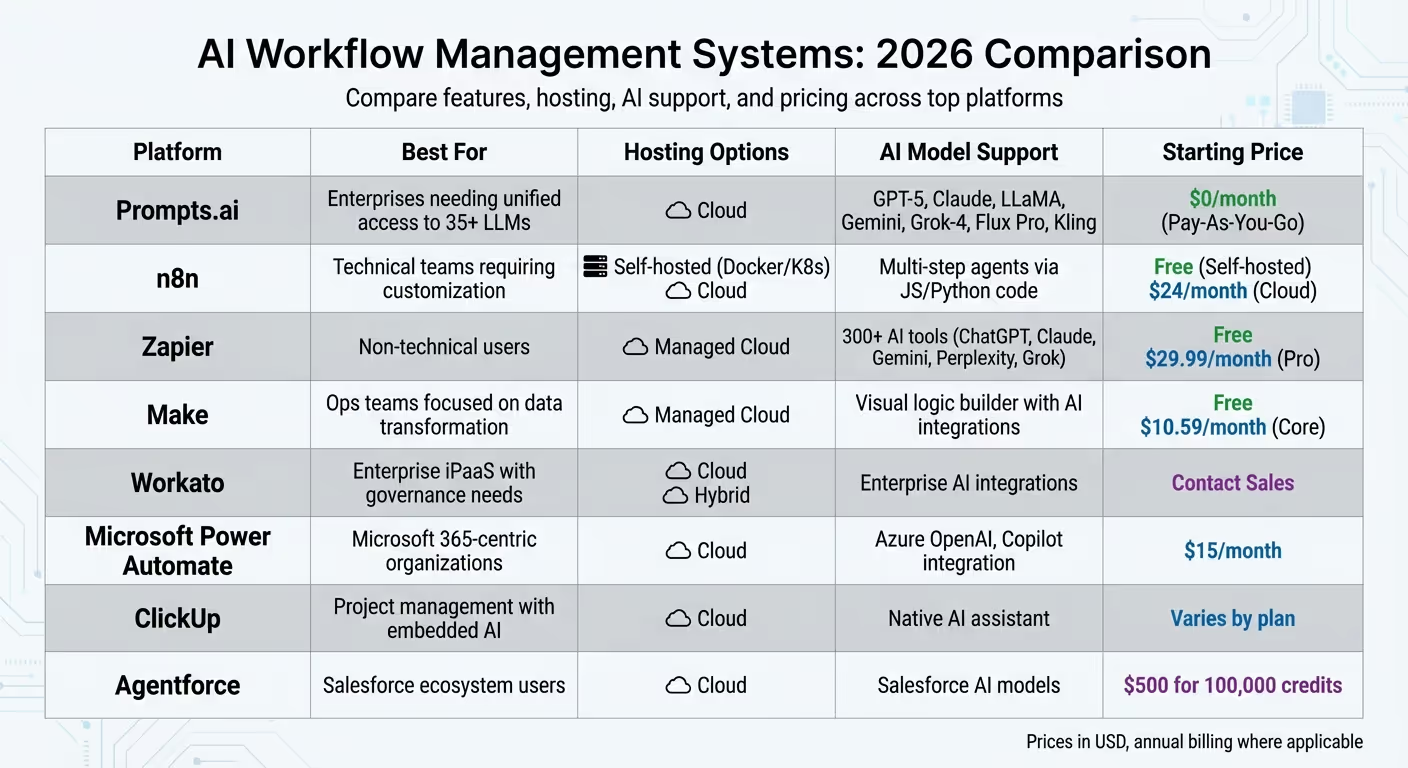
AI वर्कफ़्लो मैनेजमेंट सिस्टम तुलना 2026: सुविधाएँ और मूल्य निर्धारण
सही AI वर्कफ़्लो प्लेटफ़ॉर्म चुनने के लिए आपकी तकनीकी आवश्यकताओं और बजट के साथ संरेखित करने के लिए होस्टिंग विकल्पों, AI मॉडल संगतता और मूल्य निर्धारण का मूल्यांकन करने की आवश्यकता होती है। नीचे एक विस्तृत तालिका दी गई है जिसमें कुछ शीर्ष प्लेटफार्मों की प्रमुख विशेषताओं और लागतों की तुलना की गई है।
तालिका इस बात पर प्रकाश डालती है कि कैसे n8n अपने स्व-होस्ट किए गए और अत्यधिक अनुकूलन योग्य ढांचे के साथ तकनीकी टीमों से अपील करता है, जबकि जैपियर 8,000 से अधिक पूर्व-निर्मित एकीकरण के साथ गैर-तकनीकी उपयोगकर्ताओं को सेवा प्रदान करता है। शासन और सुरक्षा को प्राथमिकता देने वाले उद्यमों के लिए, वर्काटो सख्त IT आवश्यकताओं को पूरा करते हुए SOC 2 अनुपालन और भूमिका-आधारित अभिगम नियंत्रण के साथ सबसे अलग है।
एजेंटिक ऑर्केस्ट्रेशन, जो गतिशील एलएलएम आउटपुट और मानव-इन-द-लूप प्रक्रियाओं की अनुमति देता है, कठोर अगर-तब तर्क का विकल्प प्रदान करता है। उदाहरण के लिए, जैपियर ने अपने पारिस्थितिकी तंत्र में 300 मिलियन से अधिक AI कार्यों की सुविधा प्रदान की है, जो इसकी मापनीयता का प्रदर्शन करता है। इस बीच, n8nडेवलपर की मजबूत स्वीकृति इसके 161,400+ GitHub सितारों में दिखाई देती है।
“तथ्य यह है कि ओर्क्स कंडक्टर प्रॉम्प्ट्स को प्रथम श्रेणी के नागरिकों के रूप में मानता है, हमें दिखाता है कि आप वास्तविक दुनिया के एआई ऑर्केस्ट्रेशन के निर्माण के बारे में गंभीर हैं।” - मेहदी फासाई, एआई लीड, नेवो कॉमर्स
लागतों का आकलन करते समय, एलएलएम कॉल के लिए मासिक शुल्क और एपीआई खर्च दोनों को ध्यान में रखना महत्वपूर्ण है। टास्क कैशिंग विफल वर्कफ़्लो में अनावश्यक शुल्कों को कम करने में मदद कर सकती है। विशेष रूप से, जबकि एंटरप्राइज़ AI पायलटों में से केवल 5% ही उत्पादन तक पहुँचते हैं, बाहरी लो-कोड प्लेटफ़ॉर्म का लाभ उठाने वाले संगठनों ने अपनी सफलता दर को दोगुना कर दिया है। यह प्रभावी AI वर्कफ़्लो प्रबंधन के लिए इंटरऑपरेबिलिटी और मजबूत ऑर्केस्ट्रेशन के महत्व को रेखांकित करता है।
2026 में सही AI वर्कफ़्लो प्लेटफ़ॉर्म का चयन करना तीन मुख्य कारकों पर निर्भर करता है: आपकी टीम का तकनीकी कौशल, बजट सीमाएँ, और प्लेटफ़ॉर्म आपके मौजूदा सिस्टम के साथ कितनी अच्छी तरह एकीकृत होता है। उपयोगकर्ता के अनुकूल अनुभव के लिए, जैपियर अपने नो-कोड इंटरफेस और 8,000 से अधिक इंटीग्रेशन के साथ सबसे अलग है, जो इसे कम तकनीकी टीमों के लिए एक बढ़िया विकल्प बनाता है। दूसरी ओर, उच्च मात्रा वाले वर्कफ़्लो पर लागत में कटौती करने की इच्छुक तकनीकी टीमों को मिल सकता है n8n's स्व-होस्ट किया गया विकल्प अधिक आकर्षक है। ये प्लेटफ़ॉर्म उपलब्ध समाधानों की रेंज को प्रदर्शित करते हैं, जो गैर-तकनीकी उपयोगकर्ताओं और उन्नत तकनीकी विशेषज्ञता वाले उपयोगकर्ताओं दोनों के लिए उपलब्ध हैं।
कम बजट के भीतर काम करने वाले छोटे और मध्यम आकार के व्यवसायों (SMB) के लिए, जैसे प्लेटफ़ॉर्म बनाओ, जो प्रति माह केवल $10.59 से शुरू होता है, AI वर्कफ़्लो को प्रबंधित करने के लिए एक सुलभ और लागत प्रभावी तरीका प्रदान करता है। वास्तविक दुनिया के उदाहरण बताते हैं कि कैसे ये उपकरण सालाना हजारों काम के घंटे बचा सकते हैं, जो समय और लागत दक्षता दोनों प्रदान करते हैं।
“AI वर्कफ़्लो ऑटोमेशन मूल रूप से मस्तिष्क के साथ स्वचालन है। आप अपने काम के उन हिस्सों को ऐसे सॉफ़्टवेयर में सौंप सकते हैं जो दोहराए जाने वाले (लेकिन फिर भी जटिल) हैं, जो केवल कठोर नियमों का पालन करने के बजाय वास्तव में संदर्भ की व्याख्या कर सकते हैं।” - निकोल रेप्लॉग, स्टाफ राइटर, जैपियर
शुरू करने के लिए, एक उच्च प्रभाव वाले, दोहराए जाने वाले कार्य को स्वचालित करने पर ध्यान केंद्रित करें - जैसे कि टिकट ट्राइएज या लीड संवर्धन - ताकि निवेश पर तुरंत रिटर्न मिल सके। ऐसे वर्कफ़्लो के लिए जो AI पर बहुत अधिक निर्भर करते हैं, टोकन सीमाएं लागू करने और कम प्राथमिकता वाले प्रश्नों को बायपास करने के लिए फ़िल्टर सेट करने से लागतों को नियंत्रित करने और बजट ओवररन से बचने में मदद मिल सकती है।
एंटरप्राइज़ टीमों के लिए, मजबूत गवर्नेंस टूल और विस्तृत एक्सेस कंट्रोल वाले प्लेटफ़ॉर्म प्राथमिकता होनी चाहिए। सबसे अच्छा प्लेटफ़ॉर्म आपके मौजूदा सिस्टम के साथ आसानी से एकीकृत हो जाएगा, साथ ही इसमें आपकी ज़रूरतें बढ़ने के साथ-साथ स्केल करने की क्षमता भी होगी। एक अच्छी तरह से चुना गया समाधान न केवल जटिल, दोहराए जाने वाले कार्यों को स्वचालित करता है, बल्कि AI को प्रयोगात्मक से आपके व्यवसाय संचालन के मापनीय और अपरिहार्य हिस्से में बदल देता है।
2026 में AI वर्कफ़्लो प्रबंधन प्रणालियाँ कई लाभ लाती हैं, जिससे संचालन अधिक कुशल, स्केलेबल और लागत प्रभावी हो जाता है। AI मॉडल, डेटा पाइपलाइन और अनुप्रयोगों की निगरानी को केंद्रीकृत करके, ये प्लेटफ़ॉर्म प्रक्रियाओं को सरल बनाएं - समय और धन दोनों की बचत। कई में अब रियल-टाइम कॉस्ट ट्रैकिंग और संसाधन आवंटन के लिए टूल शामिल हैं, जो व्यवसायों को AI से संबंधित खर्चों को 98% तक कम करने में सक्षम बनाते हैं। यह एकीकृत दृष्टिकोण बिखरे हुए उपकरणों के उपयोग से जुड़े जोखिमों को भी कम करता है और डेटा सुरक्षा नियमों का पालन सुनिश्चित करता है।
लागत में कटौती के अलावा, इन प्रणालियों का निर्माण निम्न के लिए किया गया है विकास को निर्बाध रूप से संभालें, लगातार मैन्युअल हस्तक्षेप की आवश्यकता के बिना बड़े वर्कलोड और तेजी से जटिल AI मॉडल का प्रबंधन करना। नियमित कार्यों को स्वचालित करके, टीमें अपनी ऊर्जा को नवाचार और महत्वपूर्ण परियोजनाओं के लिए समर्पित कर सकती हैं, अंततः उत्पादकता बढ़ा सकती हैं और व्यवसाय की प्रगति को बढ़ा सकती हैं। ये प्रणालियां संगठनों को AI समाधानों को अधिक तेज़ी से लागू करने, स्थिर प्रदर्शन बनाए रखने और पूरे बोर्ड में बेहतर दक्षता के साथ काम करने में सक्षम बनाती हैं।
AI वर्कफ़्लो प्लेटफ़ॉर्म उन्नत सुरक्षा प्रोटोकॉल और गवर्नेंस सुविधाओं को सीधे उनकी कार्यक्षमता में एकीकृत करके डेटा सुरक्षा और अनुपालन को प्राथमिकता देते हैं। डेटा एन्क्रिप्शन (दोनों) के माध्यम से सुरक्षित रहता है। पारगमन में (TLS/HTTPS के माध्यम से) और आराम पर (AES-256 एन्क्रिप्शन का उपयोग करके)। भूमिका-आधारित एक्सेस कंट्रोल (RBAC) और विस्तृत अनुमति सेटिंग्स का उपयोग करके संवेदनशील जानकारी तक पहुंच को कसकर नियंत्रित किया जाता है। जवाबदेही बनाए रखने के लिए, व्यापक ऑडिट लॉग हर कार्रवाई को रिकॉर्ड करते हैं, यह कैप्चर करते हैं कि डेटा किसने एक्सेस किया, यह कब हुआ, और किए गए किसी भी बदलाव को कैप्चर किया। यह संरचित दृष्टिकोण SOC 2, ISO 27001, GDPR, और CCPA जैसे मानकों के पालन का समर्थन करता है।
ये प्लेटफ़ॉर्म “सुरक्षा-एज़-कोड” सिद्धांतों को भी अपनाते हैं, जिससे डेवलपर्स नीतियों को सीधे वर्कफ़्लो में एम्बेड कर सकते हैं। उदाहरणों में व्यक्तिगत डेटा को मास्क करना, प्रमाणीकरण प्रोटोकॉल लागू करना और पूर्वाग्रह को रोकने के लिए आउटपुट को मान्य करना शामिल है। प्रत्येक पाइपलाइन निष्पादन के दौरान अनुपालन स्वचालित रूप से बरकरार रहता है। इसके अलावा, AI द्वारा संचालित गोपनीयता उपकरण सक्रिय रूप से डेटा प्रवाह की निगरानी करते हैं, वास्तविक समय में विनियामक जोखिमों की पहचान करते हैं और उनका समाधान करते हैं। सुविधाओं का यह संयोजन विकसित हो रही विनियामक आवश्यकताओं के साथ तालमेल रखते हुए डेटा को सुरक्षित करने के लिए एक सक्रिय, स्केलेबल समाधान प्रदान करता है।
उन टीमों के लिए जिनमें उन्नत तकनीकी कौशल की कमी है, Prompts.ai उपयोगकर्ता के अनुकूल समाधान प्रदान करता है। इसका लो-कोड इंटरफ़ेस AI घटकों को आसानी से खींचकर और छोड़ कर वर्कफ़्लो को डिज़ाइन करना आसान बनाता है। यूज़र कई बड़े भाषा मॉडल से आसानी से जुड़ सकते हैं और संपूर्ण वर्कफ़्लो बना सकते हैं - किसी कोडिंग की आवश्यकता नहीं है।
के माध्यम से अंतर्निहित लागत प्रबंधन जैसी सुविधाओं के साथ TOKN क्रेडिट और SOC 2 टाइप II अनुपालन, Prompts.ai सामर्थ्य और सुरक्षा दोनों को सुनिश्चित करता है। यह प्लेटफ़ॉर्म मार्केटर्स, उत्पाद प्रबंधकों और अन्य गैर-तकनीकी भूमिकाओं जैसे पेशेवरों के लिए विशेष रूप से उपयुक्त है, जो तकनीकी विवरणों से प्रभावित हुए बिना परिणाम प्राप्त करने पर ध्यान केंद्रित करना चाहते हैं।