Pay As You GoEssai gratuit de 7 jours ; aucune carte de crédit requise


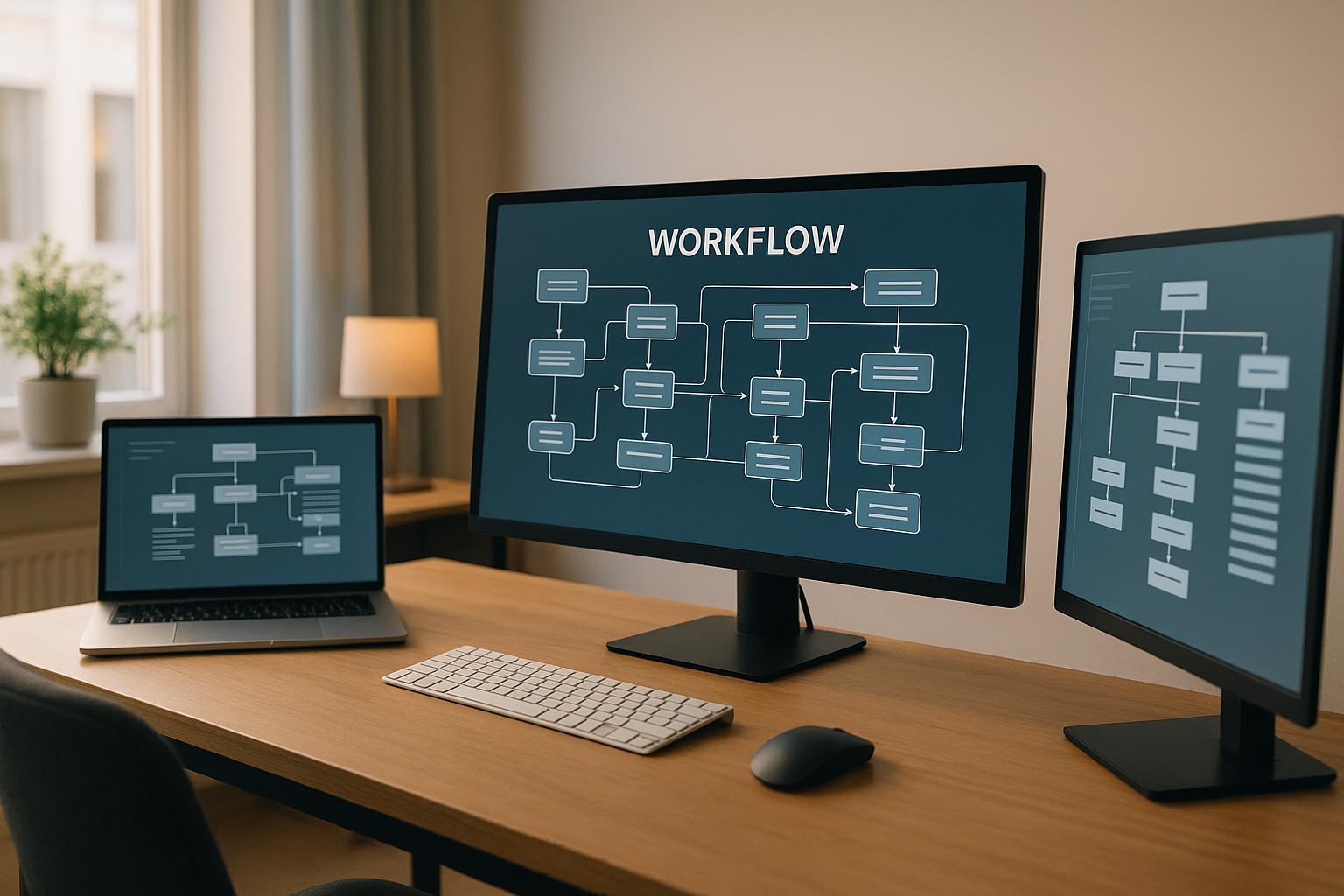
Les logiciels de gouvernance de l'IA sont désormais essentiels pour gérer les flux de travail, garantir la conformité et contrôler les coûts à mesure que les entreprises intègrent l'intelligence artificielle. Cet article compare prompts.ai, Travaillez à, n8n, et MuleSoft pour vous aider à trouver la solution la mieux adaptée aux besoins de votre organisation.
Chaque plateforme répond à des besoins différents : sélectionnez-la en fonction de votre budget, de la taille de votre équipe et des exigences de conformité.
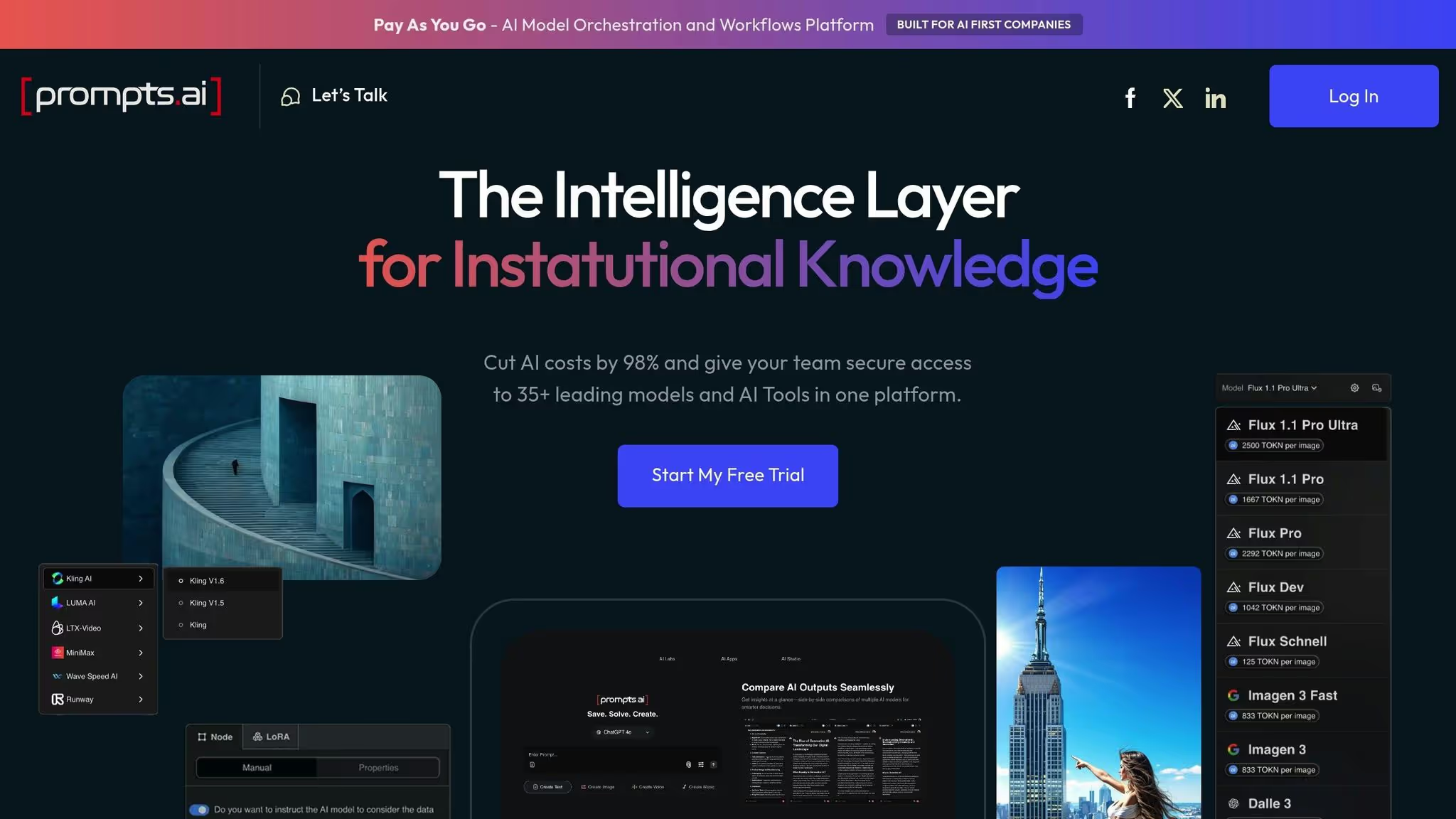
Dans notre étude comparative, prompts.ai se distingue par sa capacité à rationaliser les flux de travail liés à l'IA. En intégrant plus de 35 modèles linguistiques avancés, tels que GPT-5, Claude, Lama, et Gémeaux - en une plateforme unique et sécurisée, elle aide les entreprises à réduire la prolifération des outils tout en appliquant une gouvernance stricte des opérations d'IA.
La plateforme simplifie des tâches telles que la sélection de modèles, la gestion rapide et le suivi des coûts en temps réel, en transformant des expériences d'IA ponctuelles en processus structurés et reproductibles, le tout sans compromettre la sécurité des données sensibles.
Prompts.ai donne la priorité à la sécurité et à la conformité, en s'appuyant sur des cadres établis tels que SOC 2 Type II et HIPAA pour protéger les données organisationnelles. La plateforme a commencé son audit SOC 2 de type II le 19 juin 2025, démontrant son attachement à des normes de sécurité élevées.
Les principales fonctionnalités incluent des contrôles d'accès robustes, un cryptage de bout en bout et des journaux d'audit détaillés. Ces fonctionnalités sont particulièrement bénéfiques pour des secteurs tels que la santé et la finance, où les manquements à la conformité peuvent entraîner de lourdes sanctions.
Pour plus de transparence, prompts.ai propose un Centre de confiance (https://trust.prompts.ai/), où les utilisateurs peuvent surveiller les mesures de sécurité, les politiques et les mises à jour de conformité de la plateforme. Surveillance continue via Vanta assure la validation continue de ces contrôles.
Un fournisseur de soins de santé américain a tiré parti des contrôles d'accès sécurisés et des pistes d'audit de prompts.ai pour réduire les erreurs manuelles de 30 % et réussir un audit réglementaire sans résultat. Cet engagement en matière de sécurité est associé à des outils de gestion des coûts clairs, ce qui en fait un choix essentiel pour la gouvernance moderne de l'IA.
Prompts.ai propose des analyses détaillées et des tableaux de bord des coûts, reliant les dépenses directement aux flux de travail, aux utilisateurs ou aux services. C'est Modèle de crédit TOKN Pay-As-You-Go élimine les frais récurrents, en alignant les coûts sur l'utilisation réelle et en réduisant potentiellement les dépenses liées aux logiciels d'IA jusqu'à 98 %.
Une couche FinOps intégrée permet de suivre l'utilisation des jetons sur l'ensemble des modèles et des flux de travail, offrant ainsi une visibilité des coûts inégalée. Cela permet aux organisations de lier les dépenses d'IA à des résultats commerciaux spécifiques, ce qui facilite la justification des investissements et l'identification des domaines à optimiser.
Prompts.ai excelle également en termes d'évolutivité et d'intégration, essentielles pour développer les initiatives d'IA. La plateforme prend en charge la mise à l'échelle horizontale dans les environnements cloud et sur site, avec des connecteurs et des API prédéfinis pour une intégration fluide dans des outils tels que Salesforce, Microsoft 365, et AWS. Cela le rend idéal pour les organisations allant des petites équipes aux entreprises du Fortune 500.
Les analystes ont fait l'éloge de prompts.ai pour ses contrôles politiques granulaires et sa flexibilité d'intégration, particulièrement utiles pour les entreprises ayant des exigences de gouvernance complexes. Certains experts notent toutefois que la personnalisation avancée peut nécessiter une expertise technique, ce qui peut poser des problèmes aux petites entreprises dépourvues d'équipes informatiques dédiées.
Pour répondre à divers besoins en matière de sécurité, de conformité et d'exploitation, prompts.ai propose plusieurs modèles de déploiement, notamment des options SaaS entièrement gérées, un cloud privé et des options sur site. C'est protection de la vie privée dès la conception Le cadre intègre la minimisation des données et la gestion du consentement des utilisateurs, garantissant ainsi la conformité aux réglementations américaines en matière de confidentialité, telles que le CCPA. Cette flexibilité permet aux organisations de choisir la stratégie de déploiement qui correspond le mieux à leurs priorités opérationnelles.
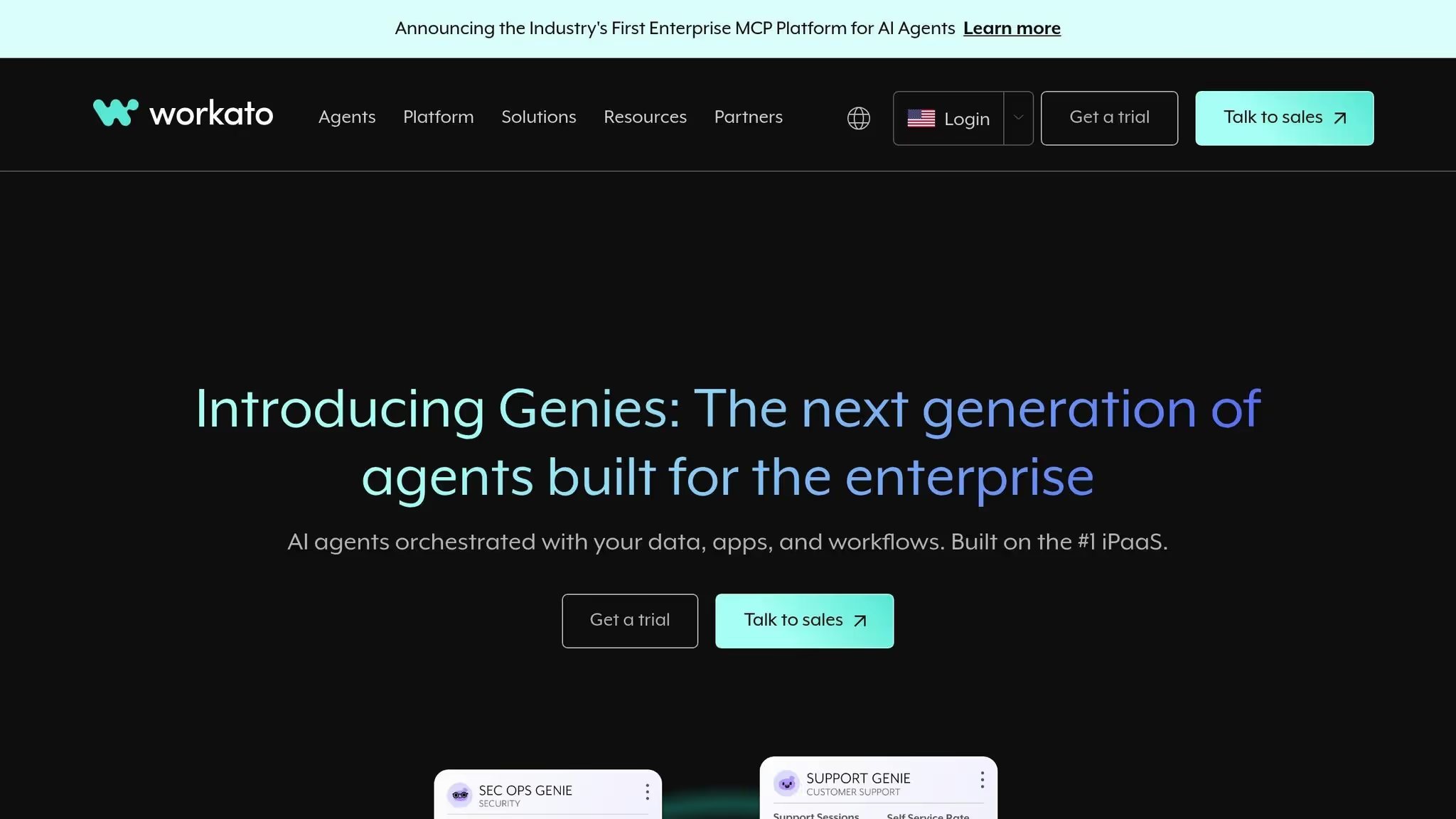
Workato fournit une solution basée sur le cloud conçue pour les entreprises qui ont besoin d'une gouvernance basée sur l'IA sans avoir à gérer leur infrastructure. Ci-dessous, nous détaillons ses principales fonctionnalités, notamment la sécurité, le déploiement, les coûts et l'évolutivité.
Workato donne la priorité à la sécurité avec Conformité à la norme SOC 2 Type II et de solides garanties. Elle emploie contrôle d'accès basé sur les rôles (RBAC) pour définir des autorisations détaillées pour les différents départements. Un tableau de bord de gouvernance centralisé garantit une supervision claire des activités du flux de travail, tandis que les contrats de niveau de service garantis en matière de disponibilité et d'assistance ajoutent un niveau de fiabilité supplémentaire.
Workato fonctionne exclusivement en tant que plateforme SaaS gérée, éliminant ainsi la nécessité pour les organisations de superviser leur propre infrastructure. Ce modèle axé sur le cloud garantit que les mises à jour, les correctifs de sécurité et les nouvelles fonctionnalités sont gérés automatiquement, ce qui permet aux entreprises de se concentrer entièrement sur leurs stratégies de gouvernance de l'IA sans se soucier de la maintenance du système.
La tarification de Workato est adaptée à chaque organisation et dépend de facteurs tels que le nombre de tâches automatisées, de connecteurs et d'utilisateurs. Pour obtenir un devis spécifique, les entreprises sont invitées à contacter l'équipe commerciale.
Workato est construit avec une architecture évolutive qui maintient des performances fiables, même lorsqu'il est déployé dans plusieurs départements ou sites. Sa conception garantit une intégration et une adaptabilité sans faille pour répondre aux besoins des grandes entreprises.
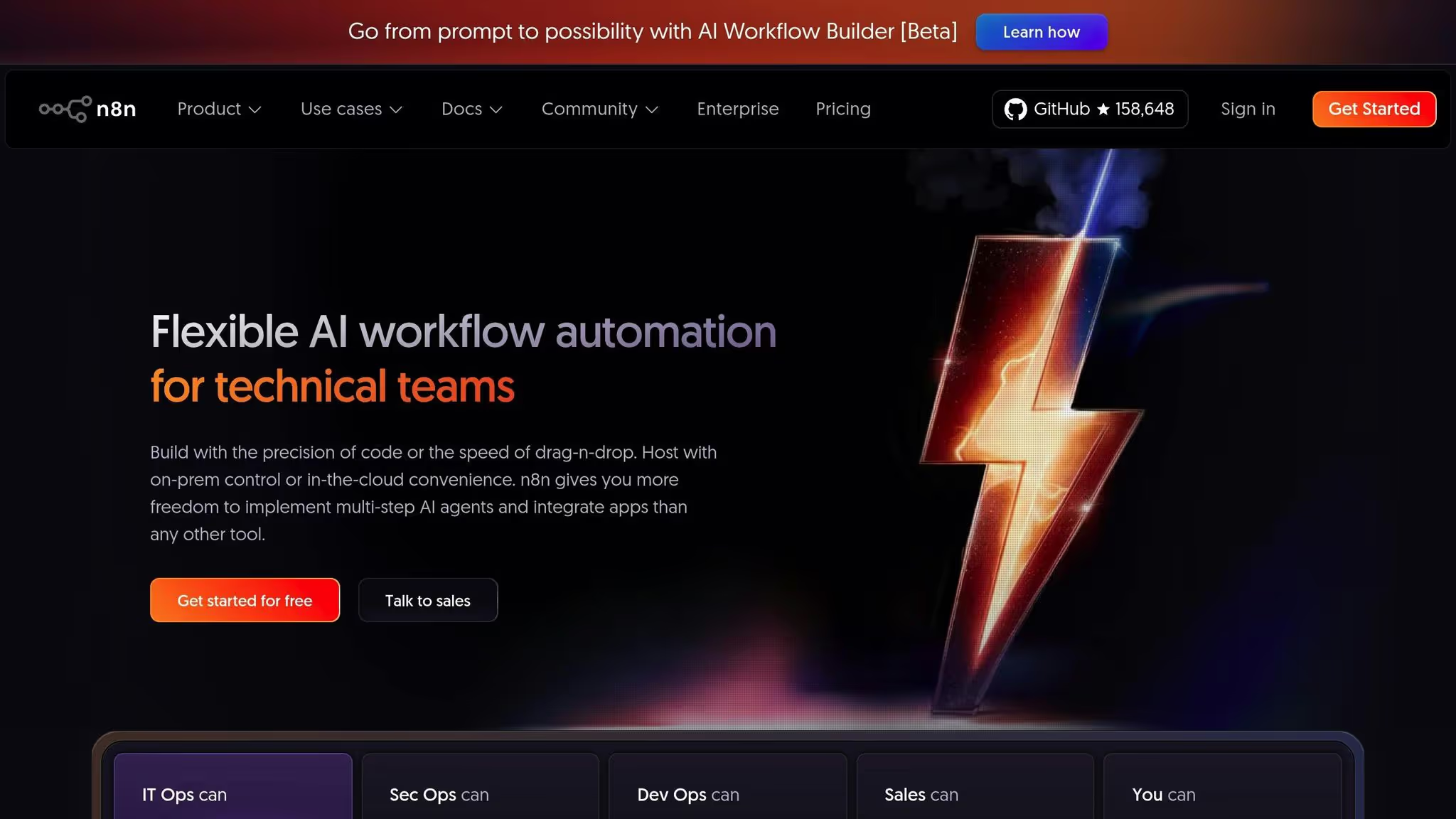
n8n est une plateforme d'automatisation des flux de travail open source conçue pour aider les équipes techniques à créer des flux de travail d'IA personnalisés tout en conservant un contrôle total sur leurs données.
n8n propose deux choix de déploiement : auto-hébergé en utilisant Docker ou Kubernetes, offrant un contrôle total de l'infrastructure et des données, ou un service cloud géré, à partir d'environ 20$ par mois.
La plateforme fournit une version open source gratuite avec des fonctionnalités de base, ce qui la rend accessible aux équipes ayant des contraintes budgétaires. Pour l'option auto-hébergée, les coûts sont limités à l'infrastructure et à la maintenance, offrant une solution flexible et évolutive sans frais cachés.
n8n prend en charge plus de 500 intégrations, permettant aux équipes de connecter différents outils de manière fluide. Les flux de travail peuvent être créés via une interface visuelle ou un code personnalisé, s'adressant à des utilisateurs ayant différents niveaux d'expertise technique. Cette double approche permet aux équipes de concevoir des flux de travail simples ou de mettre en œuvre des personnalisations avancées selon les besoins.
Bien que n8n propose de puissantes fonctionnalités d'automatisation, les organisations sont responsables de la mise en œuvre de leurs propres cadres de gouvernance et d'observabilité. Pour les déploiements auto-hébergés, les équipes doivent mettre en place des systèmes de surveillance, de journalisation et de conformité adaptés aux exigences de leur secteur d'activité. Cette approche garantit la flexibilité nécessaire pour répondre à des normes spécifiques de sécurité et de traitement des données, mais nécessite des efforts spécifiques pour maintenir ces mesures de manière indépendante.
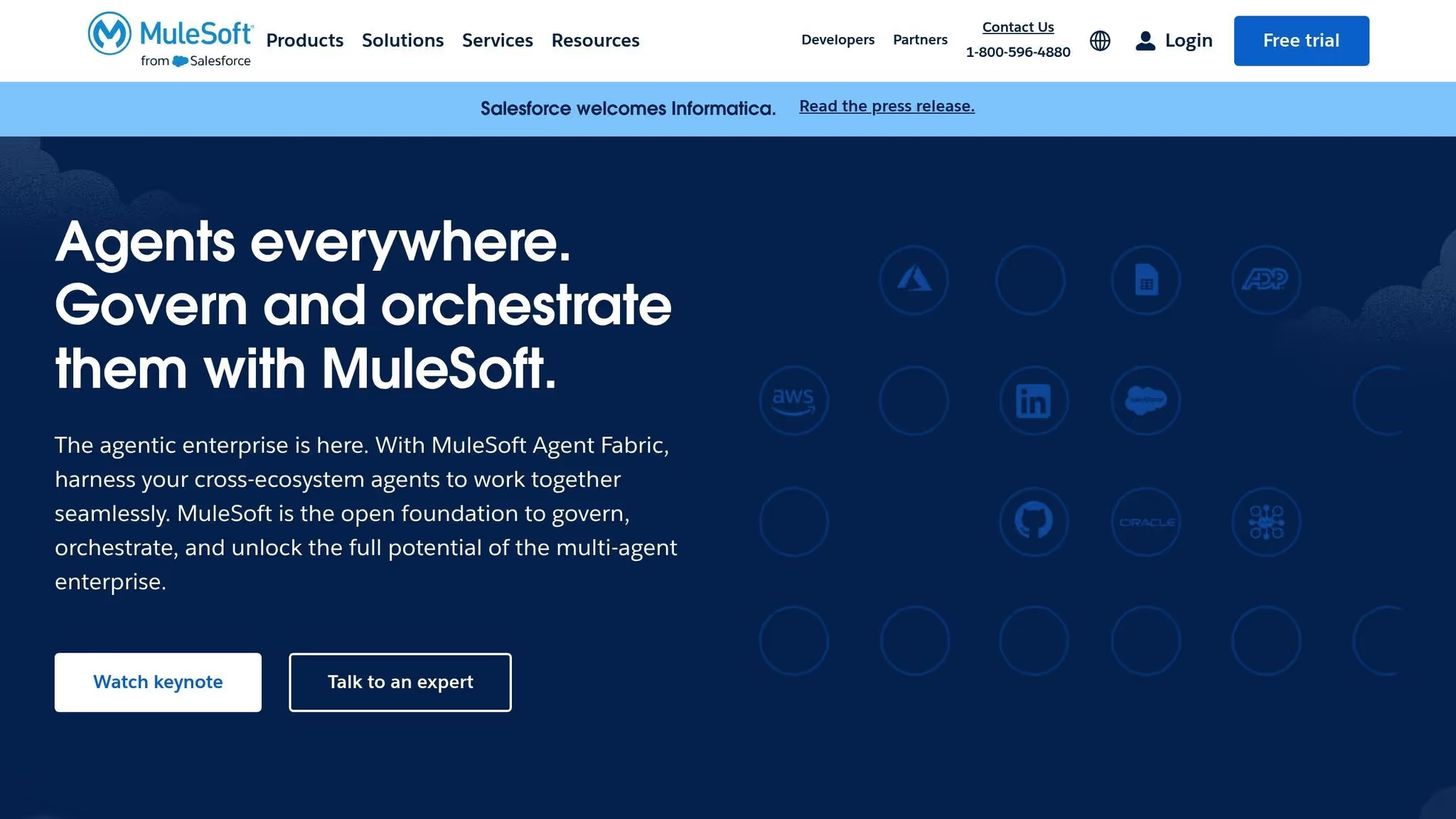
La plateforme Anypoint de MuleSoft offre une solution robuste aux organisations qui recherchent une gouvernance de l'IA au niveau de l'entreprise, axée sur la sécurité et la conformité. En tant que filiale de Salesforce, MuleSoft soutient plus de 1 600 organisations dans le monde entier, dans des secteurs tels que la finance, la santé et la vente au détail.
MuleSoft met l'accent sur la sécurité grâce à des fonctionnalités telles que le contrôle d'accès basé sur les rôles (RBAC), le cryptage des données (en transit et au repos) et la journalisation détaillée des audits. Ces outils aident les organisations à se conformer aux réglementations telles que le RGPD, l'HIPAA et le CCPA en garantissant la confidentialité et la traçabilité des données. Son approche basée sur les API permet aux entreprises de gérer les flux de données et d'appliquer des politiques de sécurité à chaque point d'intégration. Par exemple, en 2024, HSBC a mis en œuvre la plateforme Anypoint pour intégrer des flux de travail de détection des fraudes pilotés par l'IA dans ses opérations mondiales. Cette initiative a permis de réduire de 30 % le temps nécessaire à l'examen manuel des cas de fraude tout en améliorant la conformité aux normes internationales en matière de confidentialité des données. Ces fonctionnalités constituent l'épine dorsale des stratégies de déploiement adaptables de MuleSoft.
MuleSoft prend en charge différents modèles de déploiement, notamment les configurations cloud (SaaS), sur site et hybrides. Cette flexibilité permet aux organisations d'adapter leur approche pour répondre à des exigences spécifiques en matière de sécurité, de conformité et d'exploitation. Par exemple, les données sensibles peuvent rester sur site tandis que les environnements cloud gèrent des charges de travail moins critiques, garantissant ainsi l'évolutivité sans compromettre la gouvernance. Cette capacité d'adaptation est particulièrement utile pour les entreprises dotées d'infrastructures complexes, car elle permet une intégration fluide entre divers systèmes tout en maintenant des pratiques de gouvernance cohérentes.
Conçue pour être évolutive, la plateforme Anypoint s'intègre parfaitement aux systèmes d'entreprise, aux bases de données et aux services d'IA dans les environnements cloud et sur site. Grâce à une bibliothèque de connecteurs prédéfinis et à la prise en charge du développement d'API personnalisées, la plateforme permet de se connecter aux principales plateformes d'IA telles qu'AWS, Azure, et Google Cloud. En juin 2023, Unilever a utilisé MuleSoft pour rationaliser les flux de travail de la chaîne d'approvisionnement alimentés par l'IA, en connectant des outils tels que SÈVE, Salesforce et des modèles d'IA personnalisés. Cette initiative a amélioré l'efficacité de la chaîne d'approvisionnement de 15 % et a permis d'économiser 12 millions de dollars par an en coûts opérationnels.
MuleSoft fournit des informations claires sur la consommation des API et les charges de travail d'intégration grâce à des analyses détaillées, des tableaux de bord et des rapports de facturation. Les tarifs commencent à environ 80 000 dollars par an pour la gestion de base des API, les coûts augmentant en fonction des fonctionnalités avancées et des niveaux d'utilisation plus élevés.
Lors de l'évaluation des plateformes pour la gouvernance de l'IA, il est essentiel de prendre en compte leurs avantages et leurs limites uniques, ainsi que leur adéquation avec vos besoins spécifiques.
prompts.ai offre une solution puissante pour les entreprises confrontées à la prolifération des outils. En consolidant plus de 35 modèles linguistiques de pointe au sein d'une interface unique et sécurisée, il simplifie la gestion et améliore l'efficacité. Sa caractéristique la plus remarquable est la réduction des coûts, qui peut permettre de réduire les dépenses jusqu'à 98 % grâce à un système TOKN de paiement à l'utilisation et à des contrôles FinOps en temps réel qui fournissent un suivi détaillé de l'utilisation. Cependant, en tant que nouveau venu axé sur l'orchestration LLM, il se peut qu'il ne dispose pas des fonctionnalités d'automatisation des flux de travail les plus avancées que l'on trouve sur les plates-formes plus anciennes et mieux établies.
D'autre part, Travaillez à se distingue en répondant aux besoins de gouvernance et de sécurité au niveau de l'entreprise. Il fournit un contrôle d'accès basé sur les rôles (RBAC) robuste, une gestion complète du cycle de vie, un catalogue de connecteurs complet et de puissantes fonctionnalités de SDK. Ces caractéristiques en font un choix judicieux pour les grandes organisations ayant des exigences de conformité strictes. Cependant, ses prix élevés et son modèle de vente axé sur les entreprises peuvent constituer un obstacle pour les petites et moyennes entreprises (PME).
Pour les équipes qui recherchent un prix abordable et une personnalisation, n8n propose une plateforme open source convaincante. Son générateur de flux de travail visuel, ses capacités d'auto-hébergement et sa capacité à étendre les fonctionnalités via des nœuds, des API et des scripts personnalisés en font un favori des équipes techniques. Avec la prise en charge de plus de 300 intégrations et une communauté active, il offre de la flexibilité à ceux qui souhaitent gérer sa gouvernance DIY. Les forfaits cloud commencent à environ 20 dollars par mois, ce qui en fait une option intéressante pour les équipes techniquement qualifiées.
La bonne plateforme dépend de la taille, du budget, de l'expertise technique et des exigences de gouvernance de votre organisation. Les grandes entreprises ayant des besoins complexes en matière de conformité peuvent préférer Workato, tandis que les équipes soucieuses des coûts dotées d'une expertise technique peuvent se tourner vers l'approche innovante de n8n ou prompts.ai en matière de gestion des flux de travail basés sur l'IA. Vous trouverez ci-dessous une comparaison détaillée des plateformes.
Lors de la sélection d'une plateforme de gouvernance de l'IA, il est essentiel de peser votre budget, votre expertise technique et vos exigences de conformité. Voici une ventilation qui vous guidera dans votre décision :
En fin de compte, votre décision doit correspondre aux besoins spécifiques de votre organisation. Que vous donniez la priorité aux économies de coûts, à l'unification opérationnelle, à la personnalisation ou à la conformité, il existe une plateforme conçue pour atteindre ces objectifs.
Alors que le paysage de l'IA continue d'évoluer, les plateformes qui permettent une sélection flexible de modèles et proposent des prix clairs et transparents sont susceptibles de fournir la valeur la plus durable. La prise en compte de ces facteurs vous aidera à conserver un avantage concurrentiel dans cet espace dynamique.
Lors de la sélection d'un logiciel de gouvernance de l'IA, il est important de hiérarchiser fiabilité et préparation à la conformité pour vous assurer que l'outil est conforme aux normes réglementaires et aux besoins spécifiques de votre organisation. Vérifiez dans quelle mesure le logiciel s'intègre parfaitement à vos systèmes actuels et s'il offre surveillance des risques en temps réel avec des alertes pour signaler rapidement les problèmes potentiels. Des fonctionnalités qui mettent l'accent transparence et explicabilité sont également essentiels, car ils permettent de clarifier la manière dont les systèmes d'IA prennent des décisions. Enfin, évaluez la capacité du logiciel à évoluer et à s'adapter à la croissance de votre organisation et à l'évolution des demandes au fil du temps.
prompts.ai adhère à des normes de sécurité et de conformité rigoureuses, en mettant en œuvre des cadres tels que SOC 2 Type II, HIPAA, et GDPR. Ces protocoles sont conçus pour répondre aux exigences des secteurs nécessitant un strict respect des réglementations, garantissant ainsi la protection des données sensibles.
Dans un souci de supervision continue, prompts.ai s'associe à Vanta pour fournir une surveillance en temps réel de ses contrôles de sécurité. Le 19 juin 2025, la plateforme a également lancé son SOC 2 Type II processus d'audit, renforçant ainsi son engagement à respecter les meilleures pratiques de sécurité et de conformité des données.
Les petites organisations sont souvent confrontées à des obstacles tels que le manque d'expertise technique, des budgets serrés ou des difficultés liées à la fusion prompts.ai dans leurs flux de travail actuels. Pourtant, grâce à une stratégie réfléchie, ces défis peuvent être relevés efficacement.
Pour les équipes ayant un savoir-faire technique limité, L'interface intuitive de prompts.ai et des options de support robustes facilitent la prise en main. Des contraintes budgétaires ? Pas de problème : optez pour des plans d'entrée de gamme évolutifs qui offrent un accès à des outils de gouvernance basés sur l'IA sans surcharger vos finances. En matière d'intégration, procédez étape par étape. Commencez par un flux de travail unique, affinez le processus et développez-le progressivement pour garantir un minimum de perturbations et une adoption plus fluide.