Pay As You Go7 दिन का फ़्री ट्रायल; किसी क्रेडिट कार्ड की आवश्यकता नहीं



डेटा के प्रबंधन, प्रशिक्षण मॉडल और सुचारू परिनियोजन सुनिश्चित करने के लिए मशीन लर्निंग वर्कफ़्लो आवश्यक हैं। AI के आगे बढ़ने का अनुमान है 2025 तक 113.11 बिलियन डॉलर और 2030 तक $503.41 बिलियन, सही प्लेटफ़ॉर्म लागत को काफी कम कर सकता है, दक्षता में सुधार कर सकता है और शासन को बढ़ा सकता है। यह लेख छह प्रमुख प्लेटफार्मों का मूल्यांकन करता है - Prompts.ai, एमएलफ्लो, मेटाफ़्लो, लैंग चैन/लैंग ग्राफ़, ऑटोजेन, और n8n/फ्लोइज़ - स्केलेबिलिटी, इंटीग्रेशन, गवर्नेंस और लागत पारदर्शिता पर आधारित।
मुख्य बातें:
प्रत्येक प्लेटफ़ॉर्म एंटरप्राइज़ ऑर्केस्ट्रेशन से लेकर लाइटवेट ऑटोमेशन तक, विशिष्ट आवश्यकताओं के अनुरूप अलग-अलग ताकतें प्रदान करता है। नीचे, हम उनकी विशेषताओं, लागतों और सर्वोत्तम उपयोग के मामलों के बारे में विस्तार से बताते हैं।
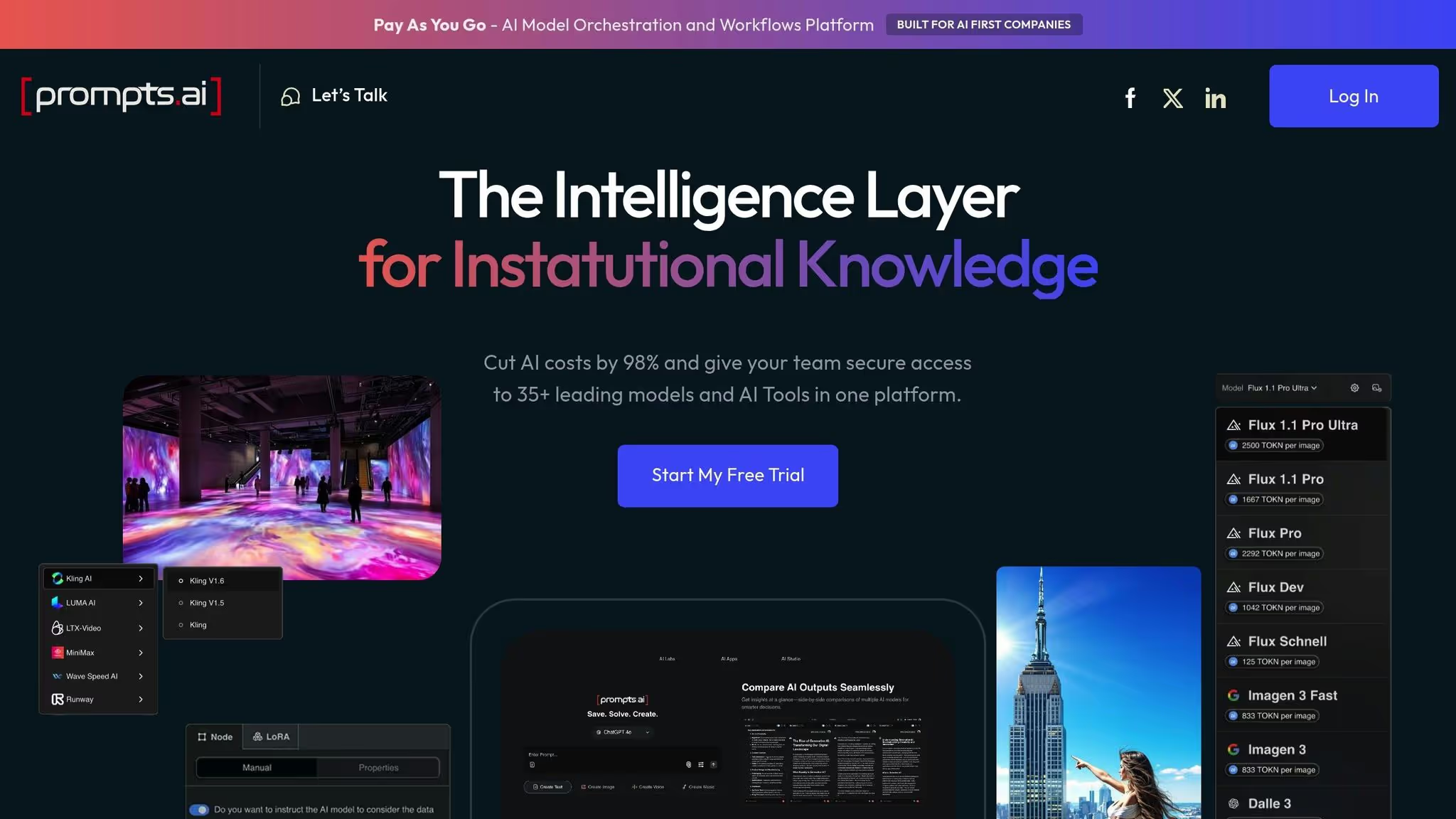
Prompts.ai एक है एंटरप्राइज़-ग्रेड एआई ऑर्केस्ट्रेशन प्लेटफ़ॉर्म जो GPT-5, क्लाउड, लामा और जेमिनी जैसे 35 से अधिक प्रमुख AI मॉडल को एक केंद्रीकृत प्रणाली में एक साथ लाता है। यह एकीकृत प्लेटफ़ॉर्म टूल ओवरलोड के बढ़ते मुद्दे से निपटता है, जो कई टीमों और विभागों में जटिल मशीन लर्निंग वर्कफ़्लो की बाजीगरी करने वाले संगठनों के लिए एक आम चुनौती है।
प्लेटफ़ॉर्म को बिखरे हुए AI कार्यों को बदलने के लिए बनाया गया है स्केलेबल, दोहराने योग्य प्रक्रियाएं, बड़े पैमाने पर मशीन लर्निंग ऑपरेशंस के प्रबंधन को सुव्यवस्थित करना। फॉर्च्यून 500 कंपनियों से लेकर रचनात्मक एजेंसियों और शोध संस्थानों तक, इस दृष्टिकोण से पहले से ही विविध प्रकार के उपयोगकर्ताओं को लाभ हुआ है। नीचे, हम स्केलेबिलिटी, इंटीग्रेशन, गवर्नेंस और लागत पारदर्शिता में इसकी खूबियों के बारे में जानेंगे।
Prompts.ai का आर्किटेक्चर आपकी ज़रूरतों के साथ बढ़ने के लिए डिज़ाइन किया गया है। यह ऑपरेशनल सिरदर्द पैदा किए बिना मॉडल, यूज़र और टीमों को आसानी से जोड़ने का समर्थन करता है। चाहे बड़े पैमाने पर डेटा सेट को संभालना हो या तेजी से जटिल मॉडल मांगों को प्रबंधित करना हो, प्लेटफ़ॉर्म लगातार प्रदर्शन प्रदान करता है। कुछ यूज़र ने एक तक रिपोर्ट भी की है AI की लागत में 98% की कमी उनके संचालन को स्केल करते समय।
एकीकरण वह जगह है जहाँ Prompts.ai वास्तव में चमकता है। प्लेटफ़ॉर्म आसानी से मौजूदा डेटा सिस्टम, क्लाउड वातावरण और डेवलपमेंट टूल से जुड़ जाता है, जिससे संगठन इसे बदलने के बजाय अपने मौजूदा बुनियादी ढांचे को बेहतर बना सकते हैं। 35 से अधिक AI मॉडल तक पहुंच को एकीकृत करने वाले एकल इंटरफ़ेस की पेशकश करके, Prompts.ai कई टूल और डेटा स्रोतों को प्रबंधित करने की परेशानी को समाप्त करता है। यह सुव्यवस्थित दृष्टिकोण इसे जटिल, बहु-विक्रेता प्रौद्योगिकी पारिस्थितिकी प्रणालियों से निपटने वाले संगठनों के लिए एक आदर्श समाधान बनाता है।
Prompts.ai SOC 2 टाइप II, HIPAA और GDPR जैसे उद्योग मानकों का पालन करते हुए सुरक्षा और अनुपालन को प्राथमिकता देता है। प्लेटफ़ॉर्म ने जून 2025 में अपना SOC 2 टाइप II ऑडिट शुरू किया और इसके माध्यम से नियंत्रण की लगातार निगरानी करता है वांता। जैसा कि Prompts.ai बताते हैं:
“Prompts.ai आपके डेटा की सुरक्षा के लिए SOC 2 टाइप II, HIPAA और GDPR फ्रेमवर्क से सर्वोत्तम प्रथाओं को शामिल करता है।” - Prompts.ai
प्लेटफ़ॉर्म का ट्रस्ट सेंटर सुरक्षा उपायों पर रीयल-टाइम अपडेट प्रदान करता है, जिससे संगठनों को उनकी अनुपालन स्थिति के बारे में स्पष्ट जानकारी मिलती है। यह पारदर्शिता उन उद्यमों के लिए अमूल्य है, जिन्हें विनियामक आवश्यकताओं का पालन करना चाहिए।
Prompts.ai लागत स्पष्टता पर अपना ध्यान केंद्रित करने के लिए सबसे अलग है। यह वर्कफ़्लो के हर पहलू के लिए लागत और विलंबता पर विस्तृत मेट्रिक्स प्रदान करता है, जिससे सटीक संसाधन प्रबंधन सक्षम होता है। प्लेटफ़ॉर्म एक का उपयोग करता है पे-एज़-यू-गो टोकन सिस्टम, खर्चों को सीधे वास्तविक उपयोग से जोड़ना और आवर्ती सदस्यता शुल्क की आवश्यकता को समाप्त करना। इसके FinOps टूल हर टोकन को ट्रैक करके और खर्च को विशिष्ट व्यावसायिक परिणामों से जोड़कर दृश्यता को और बढ़ाते हैं। मूल्य निर्धारण यहां से शुरू होता है छोटी टीमों के लिए $29/माह और तराजू तक एंटरप्राइज़-स्तरीय सुविधाओं के लिए $129/माह, असीमित कार्यक्षेत्रों और सहयोगियों के विकल्पों के साथ।
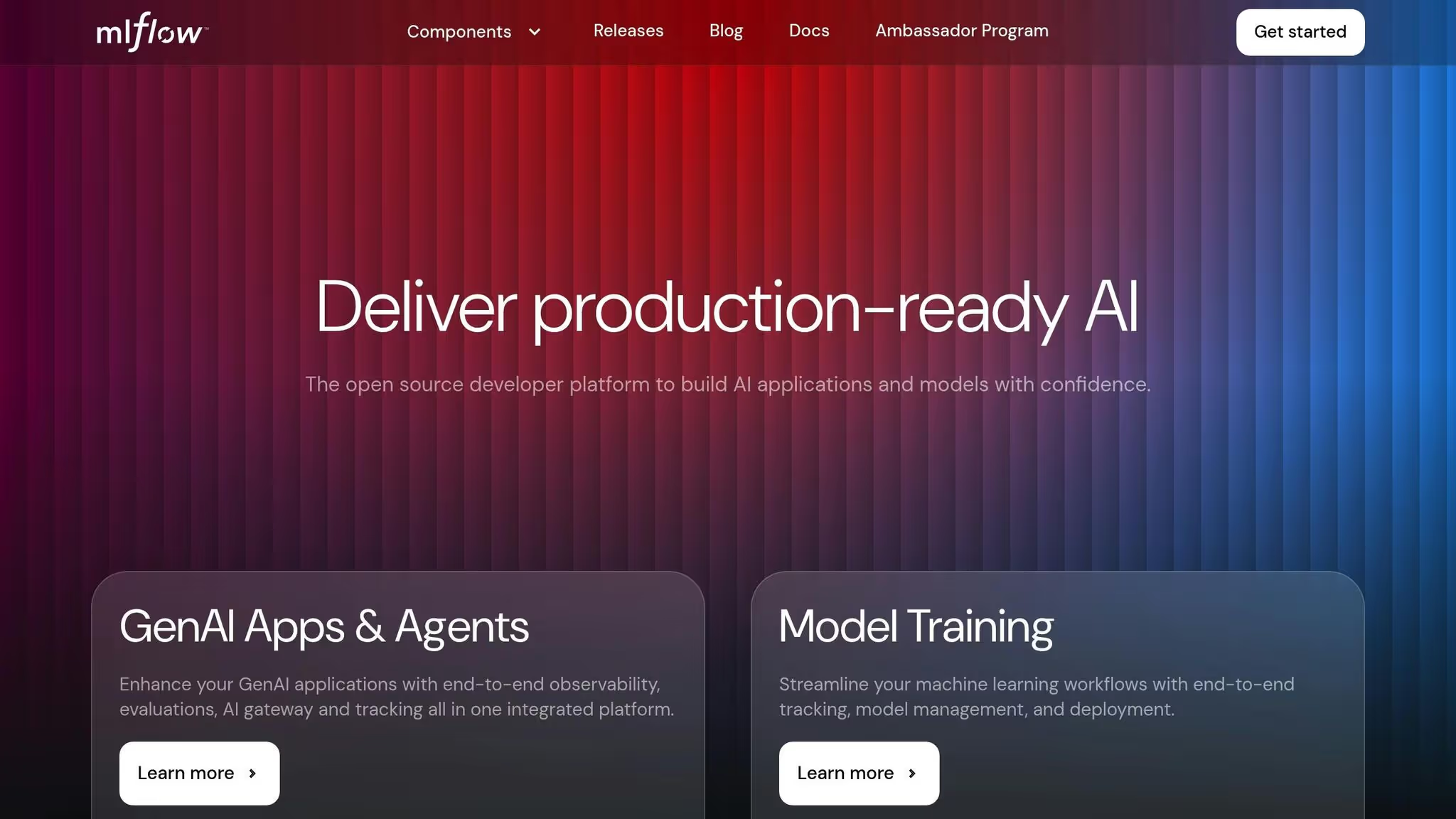
MLFlow, द्वारा बनाया गया डेटाब्रिक्स, एक है ओपन-सोर्स प्लेटफ़ॉर्म प्रयोग से लेकर परिनियोजन तक, मशीन लर्निंग जीवनचक्र के हर चरण को संभालने के लिए डिज़ाइन किया गया है। यह उन संगठनों के लिए एक उपयोगी समाधान बन गया है, जो बिना लाइसेंस शुल्क के अपने ML वर्कफ़्लो को कारगर बनाने का लक्ष्य रखते हैं। इसकी मॉड्यूलर संरचना की बदौलत, टीमें उन घटकों को चुन सकती हैं और चुन सकती हैं, जो उनकी ज़रूरतों के हिसाब से सबसे उपयुक्त हों, जिससे यह पहले से मौजूद सिस्टम वाली कंपनियों के लिए एक लचीला विकल्प बन जाता है।
प्लेटफ़ॉर्म चार प्रमुख मॉड्यूल के माध्यम से ML वर्कफ़्लो में आम चुनौतियों का समाधान करता है: MLFlow ट्रैकिंग प्रयोगों के प्रबंधन के लिए, एमएलफ्लो प्रोजेक्ट्स प्रतिलिपि प्रस्तुत करने योग्य कोड पैकेजिंग के लिए, MLFlow मॉडल तैनाती को मानकीकृत करने के लिए, और MLFlow रजिस्ट्री मॉडल वर्जनिंग के लिए। इस सेटअप ने मॉडल प्रबंधन की जटिलताओं को नेविगेट करने वाली डेटा साइंस टीमों के बीच MLFlow को पसंदीदा बना दिया है।
MLFlow को विभिन्न प्रकार के इंफ्रास्ट्रक्चर सेटअप में स्केल करने के लिए बनाया गया है, जो क्षैतिज और ऊर्ध्वाधर स्केलिंग दोनों का समर्थन करता है। चाहे बड़े डेटासेट को संभालना हो या कई मॉडल संस्करणों का प्रबंधन करना हो, MLFlow उच्च मांग वाले उत्पादन वातावरण में अच्छा प्रदर्शन करता है। इसे स्थानीय रूप से, क्लाउड में या ऑन-प्रिमाइसेस में तैनात किया जा सकता है, जो स्केलिंग ऑपरेशन के लिए लचीलापन प्रदान करता है।
MLFlow का उपयोग करने वाले संगठनों ने मापने योग्य लाभों की सूचना दी है, जिसमें एक 60% तेज मॉडल परिनियोजन दर और एक उत्पादन की घटनाओं में 40% की कमी मॉडल के प्रबंधन के लिए इसके संरचित दृष्टिकोण के कारण। जैसे-जैसे टीमें बढ़ती हैं और डेटासेट अधिक जटिल होते जाते हैं, समवर्ती प्रयोगों और कई मॉडल संस्करणों को संभालने की इसकी क्षमता तेजी से मूल्यवान होती जाती है।
उदाहरण के लिए, अगस्त 2025 में, मुख्य डेटा वैज्ञानिक, डॉ. एमिली ट्रान के नेतृत्व में एक स्वास्थ्य सेवा संगठन ने MLFlow को अपनी डेटा पाइपलाइन में एकीकृत किया। इससे तैनाती के समय में 50% की कमी आई, जिससे तेजी से पुनरावृत्ति और मॉडल परिनियोजन सक्षम हुआ। नतीजा क्या है? बेहतर वर्कफ़्लो जो सीधे रोगी की देखभाल को बढ़ाते हैं।
“MLFlow ने मॉडल प्रबंधन के लिए हमारे दृष्टिकोण को बदल दिया है, जिससे हम गुणवत्ता या गति से समझौता किए बिना अपने संचालन को बढ़ा सकते हैं।” - डॉ. एमिली ट्रान, चीफ डेटा साइंटिस्ट, हेल्थकेयर ऑर्गनाइजेशन
MLFlow की असाधारण विशेषताओं में से एक इसकी मौजूदा टूल और वर्कफ़्लो के साथ एकीकृत करने की क्षमता है। इसका ओपन-सोर्स फ्रेमवर्क कई प्रोग्रामिंग भाषाओं का समर्थन करता है, जिनमें शामिल हैं पायथन, आर, और जावा, जिससे यह विविध विकास टीमों के लिए सुलभ हो सके। यह AWS जैसे क्लाउड प्लेटफ़ॉर्म से भी आसानी से जुड़ता है, नीलाकाश, और गूगल क्लाउड, संगठनों को मॉडल के प्रशिक्षण और तैनाती के लिए क्लाउड संसाधनों का उपयोग करने में सक्षम बनाता है।
क्लाउड प्लेटफ़ॉर्म से परे, MLFlow लोकप्रिय मशीन लर्निंग फ्रेमवर्क और डेटा स्रोतों के साथ एकीकृत होता है, जिससे टीमों को पूर्ण ओवरहाल की आवश्यकता के बिना अपने बुनियादी ढांचे को बढ़ाने की अनुमति मिलती है।
अप्रैल 2025 में, एक वित्तीय सेवा फर्म ने MLFlow को इससे जोड़कर प्लेटफ़ॉर्म की एकीकरण क्षमताओं का प्रदर्शन किया एडब्ल्यूएस सेजमेकर। इस एकीकरण ने परिनियोजन समय में 50% की कटौती की और पूर्वानुमान सटीकता में 20% की सुधार किया, जिससे MLFlow को अन्य उपकरणों के साथ मिलाने के वास्तविक दुनिया के लाभों को प्रदर्शित किया गया।
MLFlow की मॉडल रजिस्ट्री गवर्नेंस के लिए एक शक्तिशाली उपकरण है, जो मॉडल वर्जनिंग और एक स्पष्ट ऑडिट ट्रेल की पेशकश करती है ताकि यह सुनिश्चित किया जा सके कि केवल सबसे अच्छे मॉडल तैनात किए गए हैं। यह उन उद्योगों के लिए विशेष रूप से महत्वपूर्ण है जिन्हें विनियामक मानकों और आंतरिक गुणवत्ता नियंत्रणों के सख्त अनुपालन की आवश्यकता होती है।
प्लेटफ़ॉर्म की ट्रैकिंग सुविधाएँ मॉडल वंशावली का विस्तृत दस्तावेज़ीकरण प्रदान करती हैं, जिसमें डेटा स्रोत, पैरामीटर और प्रदर्शन मेट्रिक्स शामिल हैं। पारदर्शिता का यह स्तर तकनीकी डिबगिंग और विनियामक रिपोर्टिंग दोनों का समर्थन करता है, जिससे यह स्वास्थ्य सेवा और वित्त जैसे उद्योगों के लिए एक मजबूत विकल्प बन जाता है, जहां अनुपालन गैर-परक्राम्य है।
एक ओपन-सोर्स प्लेटफ़ॉर्म के रूप में, MLFlow लाइसेंस शुल्क को समाप्त करता है, हालांकि परिनियोजन लागत चुने गए सेटअप पर निर्भर करेगी। क्लाउड परिनियोजन में गणना और संग्रहण के लिए शुल्क शामिल हो सकते हैं, जबकि ऑन-प्रिमाइसेस इंस्टॉलेशन के लिए हार्डवेयर और रखरखाव निवेश की आवश्यकता होती है।
MLFlow के कुशल संसाधन उपयोग और तैनाती के समय को कम करने की क्षमता परिचालन लागत को कम करने में मदद करती है। मॉडल प्रबंधन कार्यों को स्वचालित करके, यह डेटा विज्ञान टीमों को ऑपरेशनल ओवरहेड के बजाय विकास पर अधिक ध्यान केंद्रित करने की अनुमति देता है। जब टीमें अपने परिचालन को बढ़ाती हैं और उत्पादन में बड़े मॉडल इन्वेंट्री का प्रबंधन करती हैं, तो ये लागत क्षमताएं और भी अधिक ध्यान देने योग्य हो जाती हैं।
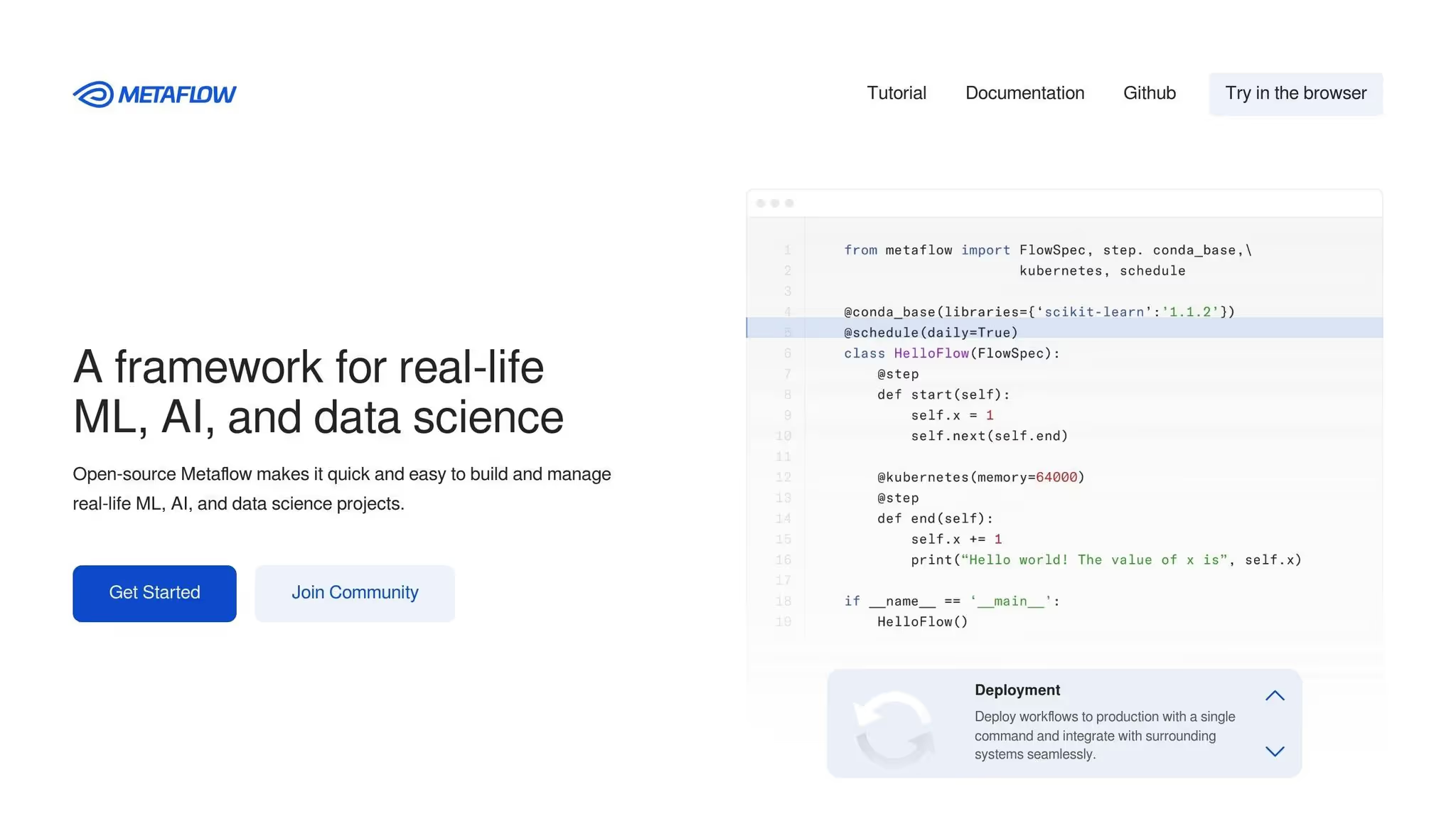
मेटाफ़्लो एक पायथन-आधारित लाइब्रेरी के रूप में सामने आता है, जिसे संपूर्ण मशीन लर्निंग वर्कफ़्लो को प्रबंधित करने के लिए डिज़ाइन किया गया है। प्रोटोटाइप से उत्पादन में परिवर्तन को सरल बनाने पर ध्यान केंद्रित करके, यह निर्भरता प्रबंधन और वर्जनिंग जैसे दोहराए जाने वाले कार्यों को स्वचालित करता है, जिससे डेवलपर्स के लिए अपने मॉडल पर ध्यान केंद्रित करना आसान हो जाता है।
जबकि मेटाफ़्लो को अक्सर इसकी स्केलेबिलिटी, सहज क्लाउड इंटीग्रेशन और गवर्नेंस सुविधाओं के लिए सराहा जाता है, लेकिन उपलब्ध दस्तावेज़ इन पहलुओं का केवल व्यापक अवलोकन प्रदान करते हैं। बड़े पैमाने पर प्रसंस्करण, अनुपालन और लागत प्रबंधन में इसकी क्षमताओं की गहरी समझ के लिए, आधिकारिक दस्तावेज़ों का उल्लेख करना आवश्यक है।
यह अवलोकन क्षेत्र के अन्य प्रमुख प्लेटफार्मों के साथ मेटाफ़्लो की कार्यप्रणाली की तुलना करने के लिए एक आधार प्रदान करता है।
लैंगचैन एक फ्रेमवर्क है जिसे बड़े भाषा मॉडल का उपयोग करके एप्लिकेशन विकसित करने के लिए डिज़ाइन किया गया है, जो विशेष रूप से रिट्रीवल-ऑगमेंटेड जेनरेशन (RAG) वर्कफ़्लो में उत्कृष्ट है। यह असंरचित डेटा के संचालन को सरल बनाता है और विभिन्न AI घटकों का समन्वय करता है। इसे लागू करते हुए, लैंगग्राफ जटिल, बहु-चरणीय प्रक्रियाओं को अधिक स्पष्टता के साथ प्रबंधित करने के लिए एक विज़ुअल इंटरफ़ेस प्रदान करता है।
LLMOps की अवधारणा MLOps सिद्धांतों को जनरेटिव AI में लाती है, जो शीघ्र प्रबंधन, वेक्टर पुनर्प्राप्ति और आवश्यक मूल्यांकन मेट्रिक्स पर ध्यान केंद्रित करती है।
लैंगचैन की मॉड्यूलर संरचना टीमों को पुन: प्रयोज्य घटक बनाने की अनुमति देती है, जिससे संसाधन खपत और परिनियोजन समयसीमा दोनों में काफी कमी आती है। GPU इन्फ्रास्ट्रक्चर का इसका कुशल उपयोग यह सुनिश्चित करता है कि यह बड़े भाषा मॉडल की उच्च कम्प्यूटेशनल मांगों को पूरा कर सके। इसके अतिरिक्त, उन्नत ऑर्केस्ट्रेशन विधियाँ AI वर्कफ़्लो में संसाधन वितरण में सुधार करती हैं, जिससे दक्षता को अधिकतम किया जाता है।
ये स्केलेबल क्षमताएं लैंगचैन और लैंगग्राफ को तेजी से आगे बढ़ने वाले एआई वर्कफ़्लो इकोसिस्टम में मजबूत दावेदार बनाती हैं।
AutoGen एक फ्रेमवर्क है जिसे मशीन लर्निंग (ML) के विकास और परिनियोजन में कई AI एजेंटों के बीच सहयोग की सुविधा के लिए डिज़ाइन किया गया है। जटिल वर्कफ़्लोज़ को छोटे, अधिक प्रबंधनीय कार्यों में विभाजित करके, इसका उद्देश्य ML प्रक्रियाओं को सरल बनाना है।
AutoGen की बहु-एजेंट संरचना विभिन्न एजेंटों के बीच कार्यों को वितरित करने की अनुमति देती है, जिससे संभावित रूप से दक्षता में सुधार होता है। हालांकि, यह कैसे कार्यों को स्केल करता है या आवंटित करता है, इस पर विस्तृत दस्तावेज़ीकरण सीमित है।
AutoGen पायथन-आधारित ML वातावरण और API के साथ संगत है, जिससे यह कई डेवलपर्स के लिए सुलभ है। हालांकि, व्यापक रूप से उपयोग की जाने वाली एमएल लाइब्रेरी और प्रमुख क्लाउड प्लेटफ़ॉर्म के साथ इसकी संगतता के बारे में जानकारी आसानी से उपलब्ध नहीं है।
जबकि AutoGen मल्टी-एजेंट वर्कफ़्लोज़ के भीतर संसाधन उपयोग में प्रारंभिक अंतर्दृष्टि प्रदान करता है, इसमें कम्प्यूटेशनल खर्चों को पूरी तरह से ट्रैक करने और प्रबंधित करने के लिए मजबूत टूल का अभाव है।
AutoGen पर विचार करने वाले संगठनों के लिए, आधिकारिक दस्तावेज़ों का पता लगाना और यह सुनिश्चित करने के लिए व्यावहारिक परीक्षण करना उचित है कि यह उनकी तकनीकी आवश्यकताओं को पूरा करता है और उनकी वर्कफ़्लो आवश्यकताओं के अनुरूप है। यह मूलभूत समझ निम्नलिखित अनुभाग में इन प्लेटफार्मों के फायदे और नुकसान के बारे में गहराई से जानने के लिए मंच तैयार करती है।
जैसे-जैसे मशीन लर्निंग (ML) वर्कफ़्लो बढ़ता और बदलता रहता है, प्लेटफ़ॉर्म जैसे n8n और फ्लोइज़, जो मूल रूप से सामान्य वर्कफ़्लो ऑटोमेशन के लिए डिज़ाइन किए गए हैं, को एमएल ऑपरेशंस की जरूरतों से निपटने के लिए अनुकूलित किया जा रहा है। ये उपकरण स्केलेबिलिटी, एकीकरण और लागत संबंधी विचारों को संबोधित करने की उनकी क्षमता के लिए ध्यान आकर्षित कर रहे हैं, भले ही इन्हें शुरू में एमएल को ध्यान में रखकर नहीं बनाया गया था। यहां बताया गया है कि इन प्रमुख क्षेत्रों में उनकी तुलना कैसे की जाती है:
एमएल ऑपरेशंस को स्केल करने के लिए, n8n उपयोगकर्ताओं को कई उदाहरणों को तैनात करने की अनुमति देता है, जिससे यह बढ़ते वर्कलोड के लिए अधिक अनुकूल हो जाता है। दूसरी ओर, फ्लोइज़ आमतौर पर सिंगल-इंस्टेंस एप्लिकेशन के रूप में कार्य करता है। Flowise के साथ बड़े ML वर्कलोड को प्रबंधित करने के लिए अक्सर अतिरिक्त संसाधनों और कस्टम कॉन्फ़िगरेशन की आवश्यकता होती है, जिससे जटिलता बढ़ सकती है।
दोनों प्लेटफ़ॉर्म API कनेक्टिविटी में उत्कृष्ट हैं। n8n विभिन्न क्लाउड सेवाओं के साथ एकीकरण के लिए कनेक्टर्स की एक विस्तृत श्रृंखला प्रदान करता है, जिससे यह विभिन्न उपयोग के मामलों के लिए बहुमुखी हो जाता है। फ्लोइज़हालांकि, संवादात्मक AI वर्कफ़्लो में माहिर है और अधिक विशिष्ट अनुप्रयोगों पर ध्यान केंद्रित करते हुए भाषा मॉडल सेवाओं के साथ मूल रूप से एकीकृत करता है।
दोनों प्लेटफार्मों की एक सीमा क्लाउड या एपीआई उपयोग से जुड़ी लागतों को ट्रैक करने के लिए अंतर्निहित टूल की कमी है। खर्चों पर दृश्यता बनाए रखने के लिए उपयोगकर्ताओं को बाहरी निगरानी समाधानों पर भरोसा करना चाहिए, जिसके लिए अतिरिक्त सेटअप और निरीक्षण की आवश्यकता हो सकती है।
मशीन लर्निंग वर्कफ़्लो प्लेटफ़ॉर्म का चयन करते समय, संगठनों को प्रत्येक विकल्प की अनूठी खूबियों और ट्रेड-ऑफ़ को तौलना चाहिए। ये ट्रेड-ऑफ यह निर्धारित करने में महत्वपूर्ण होते हैं कि कौन सा प्लेटफ़ॉर्म विशिष्ट परिचालन आवश्यकताओं के साथ सर्वोत्तम रूप से मेल खाता है।
कुछ प्रमुख प्लेटफार्मों की तुलना कैसे की जाती है, इस पर करीब से नज़र डालें:
Prompts.ai 35 से अधिक एलएलएम तक पहुंच प्रदान करता है और पे-एज़-यू-गो टीओकेएन सिस्टम पर काम करता है, जिससे संभावित रूप से एआई की लागत 98% तक कम हो जाती है। यह मजबूत गवर्नेंस सुविधाओं के साथ एक सुरक्षित इंटरफ़ेस भी प्रदान करता है, जो इसे एंटरप्राइज़ AI ऑर्केस्ट्रेशन के लिए एक शीर्ष विकल्प बनाता है।
एमएलफ्लो प्रयोग ट्रैकिंग और मॉडल वर्जनिंग के लिए एक स्टैंडआउट है, विशेष रूप से अनुसंधान-संचालित वातावरण में जहां प्रजनन क्षमता आवश्यक है। इसकी ओपन-सोर्स प्रकृति लचीलापन और लागत लाभ प्रदान करती है। हालांकि, समर्पित DevOps समर्थन की कमी वाली छोटी टीमों के लिए MLFlow के सेटअप और बुनियादी ढांचे की मांग भारी हो सकती है।
मेटाफ़्लो बड़े पैमाने पर डेटा वर्कफ़्लो को संसाधित करने में उत्कृष्टता प्राप्त करता है, विशेष रूप से AWS के साथ गहराई से एकीकृत टीमों के लिए। इसका स्वचालित स्केलिंग और भरोसेमंद त्रुटि प्रबंधन इसे उत्पादन वातावरण के लिए एक ठोस विकल्प बनाता है। हालांकि, इसके कड़े AWS एकीकरण से वेंडर लॉक-इन हो सकता है, जो मल्टी-क्लाउड रणनीतियों को जटिल बना सकता है।
लैंगचैन और लैंगग्राफ उन्नत संवादात्मक AI सिस्टम के निर्माण के लिए लचीलापन प्रदान करें। उनका मॉड्यूलर आर्किटेक्चर डेवलपर्स को जटिल रीजनिंग चेन और मल्टी-स्टेप वर्कफ़्लो तैयार करने की अनुमति देता है। हालांकि, इन प्लेटफार्मों के लिए महत्वपूर्ण तकनीकी विशेषज्ञता की आवश्यकता होती है और लगातार अपडेट होने के कारण ये चुनौतियां पेश कर सकते हैं।
ऑटोजेन मल्टी-एजेंट एआई सिस्टम के विकास को सरल बनाता है, जिससे न्यूनतम कोडिंग के साथ सहयोगी इंटरैक्शन सक्षम होते हैं। यह प्रोटोटाइपिंग के लिए विशेष रूप से प्रभावी है, लेकिन प्रोटोटाइप चरण से आगे स्केलिंग करना मुश्किल हो सकता है, खासकर जब जटिल मल्टी-एजेंट इंटरैक्शन को डीबग किया जाता है।
n8n और फ्लोइज़ उपयोगकर्ता के अनुकूल विज़ुअल इंटरफेस के साथ एमएल स्पेस में वर्कफ़्लो ऑटोमेशन लाएं, जिससे वे गैर-तकनीकी टीम के सदस्यों के लिए सुलभ हो सकें। जबकि n8n मल्टी-इंस्टेंस परिनियोजन के माध्यम से बेहतर स्केलेबिलिटी प्रदान करता है, दोनों प्लेटफार्मों में क्लाउड और API लागतों को ट्रैक करने के लिए अंतर्निहित टूल की कमी होती है, जिसके लिए बाहरी निगरानी समाधानों की आवश्यकता होती है।
निर्णय अंततः संगठनात्मक लक्ष्यों पर निर्भर करता है। लागत में कमी और विविध मॉडलों तक पहुंच पर ध्यान केंद्रित करने वाली टीमों के लिए, Prompts.ai एक मजबूत दावेदार है। अनुसंधान-संचालित संगठनों को मिल सकता है एमएलफ्लो इसकी ट्रैकिंग क्षमताओं के लिए अपरिहार्य है। इस बीच, AWS-निर्भर उद्यम इसका पक्ष ले सकते हैं मेटाफ़्लो, वेंडर लॉक-इन के बारे में चिंताओं के बावजूद। प्लेटफ़ॉर्म जैसे n8n और फ्लोइज़ मशीन लर्निंग डोमेन में मौजूदा ऑटोमेशन वर्कफ़्लो का विस्तार करने वाली टीमों के लिए आदर्श हैं।
यह तुलना विशिष्ट प्राथमिकताओं के साथ प्लेटफ़ॉर्म विकल्पों को संरेखित करने के लिए एक आधार प्रदान करती है, यह सुनिश्चित करती है कि चयनित टूल वर्तमान और भविष्य की दोनों ज़रूरतों को पूरा करता है।
प्लेटफ़ॉर्म का चयन करते समय, अपने संगठन के पैमाने, शासन की ज़रूरतों और लागत प्राथमिकताओं पर विचार करें। पहले बताए गए प्रत्येक विकल्प में विभिन्न परिचालन आवश्यकताओं के अनुरूप विशिष्ट क्षमताएं होती हैं।
के लिए उद्यम संगठन, Prompts.ai 35+ मॉडलों में वर्कफ़्लो को ऑर्केस्ट्रेट करने की अपनी क्षमता के साथ सबसे अलग है। यह एंटरप्राइज़-ग्रेड सुरक्षा और मज़बूत गवर्नेंस प्रदान करता है, जिससे यह फ़ॉर्च्यून 500 कंपनियों और सख्त विनियामक आवश्यकताओं वाले उद्योगों के लिए उपयुक्त है।
के लिए अनुसंधान दल और शैक्षणिक संस्थान, एमएलफ्लो अपने मजबूत प्रयोग ट्रैकिंग और ओपन-सोर्स लचीलेपन के लिए आदर्श है। परिणामों को प्रभावी ढंग से दस्तावेजीकरण करने के लिए इसके मॉडल वर्जनिंग और रिप्रोड्यूसिबिलिटी फीचर्स महत्वपूर्ण हैं। हालाँकि, इसके संचालन का समर्थन करने के लिए इसे एक ठोस DevOps अवसंरचना की आवश्यकता होती है।
के लिए बड़े पैमाने पर डेटा वर्कफ़्लो, विचार करें मेटाफ़्लो, द्वारा डिज़ाइन किया गया नेटफ्लिक्स बुनियादी ढांचे की चुनौतियों को आसान बनाने के लिए। यह स्वचालित स्केलिंग और त्रुटि प्रबंधन को संभालता है, जिससे डेटा वैज्ञानिक MLOP की जटिलताओं में फंसे बिना मॉडल विकसित करने पर ध्यान केंद्रित कर सकते हैं।
के लिए जटिल संवादात्मक AI परियोजनाएँ, जैसे प्लेटफ़ॉर्म लैंग चैन और लैंग ग्राफ़ मॉड्यूलर डिजाइन और अद्वितीय लचीलापन प्रदान करते हैं। ये टूल जटिल संवादात्मक वर्कफ़्लो को संभाल सकते हैं, लेकिन इसके लिए महत्वपूर्ण तकनीकी विशेषज्ञता और लगातार अपडेट बनाए रखने की प्रतिबद्धता की आवश्यकता होती है।
के लिए छोटी टीमें और रैपिड प्रोटोटाइप, n8n और फ्लोइज़ 400 से अधिक पूर्व-निर्मित एकीकरण और उपयोगकर्ता के अनुकूल, नो-कोड इंटरफेस प्रदान करें। ये प्लेटफ़ॉर्म व्यापक अवसंरचना प्रबंधन की आवश्यकता के बिना AI वर्कफ़्लो निर्माण को सुलभ बनाते हैं।
अंततः, अपने संगठन के विशिष्ट लक्ष्यों के साथ प्लेटफ़ॉर्म क्षमताओं को संरेखित करें। जिन उद्यमों को कई मॉडलों तक सुरक्षित, एकीकृत पहुंच की आवश्यकता है, उन्हें इससे लाभ होगा Prompts.ai। शोध दल ओपन-सोर्स अनुकूलन क्षमता को प्राथमिकता दे सकते हैं एमएलफ्लो, जबकि छोटी टीमें विज़ुअल, लो-कोड टूल जैसे आसानी को प्राथमिकता दे सकती हैं n8n या फ्लोइज़।
सही फिट सुनिश्चित करने के लिए, अपने शीर्ष प्लेटफ़ॉर्म विकल्पों की पायलट तैनाती करें। वास्तविक दुनिया के परिदृश्यों में प्रदर्शन का परीक्षण करने से यह पुष्टि करने में मदद मिलेगी कि चयनित समाधान दीर्घकालिक विकास का समर्थन करते हुए मौजूदा ज़रूरतों को पूरा करता है।
Prompts.ai मजबूत अनुपालन और शासन सुविधाओं को शामिल करके कई AI मॉडल के प्रबंधन को सरल बनाता है। यह महत्वपूर्ण ढांचे का पालन करता है जैसे एसओसी 2 टाइप II, हिपा, और जीडीपीआर, यह सुनिश्चित करना कि आपका डेटा सुरक्षित रूप से प्रबंधित किया जाता है और सभी आवश्यक विनियामक मानकों को पूरा करता है।
अंतर्निहित अनुपालन निगरानी से लैस, Prompts.ai संगठनों को वर्कफ़्लो को अनुकूलित करते समय उद्योग मानकों को सहजता से बनाए रखने में सक्षम बनाता है। यह दृष्टिकोण व्यवसायों को आत्मविश्वास और दक्षता के साथ अपनी AI परियोजनाओं को आगे बढ़ाने की अनुमति देता है।
जबकि MLFlow जैसे ओपन-सोर्स प्लेटफ़ॉर्म लचीलेपन और अनुकूलन का लाभ प्रदान करते हैं, Prompts.ai जैसे वाणिज्यिक समाधान विशेष रूप से व्यावसायिक आवश्यकताओं के अनुरूप एक आसान, अधिक सहज अनुभव देने के लिए बनाए गए हैं।
ओपन-सोर्स टूल अक्सर व्यापक सेटअप, चल रहे रखरखाव और उच्च स्तर की तकनीकी विशेषज्ञता की मांग करते हैं ताकि यह सुनिश्चित हो सके कि वे कुशलतापूर्वक और आवश्यकतानुसार बड़े पैमाने पर चलें। दूसरी ओर, Prompts.ai प्री-इंटीग्रेटेड फीचर्स, स्केलेबल इंफ्रास्ट्रक्चर और डेडिकेटेड सपोर्ट प्रदान करके इस जटिलता को बहुत हद तक खत्म कर देता है। यह समय बचाने और ठोस परिणाम प्राप्त करने पर ध्यान केंद्रित करने वाली टीमों के लिए इसे एक उत्कृष्ट विकल्प बनाता है।
निर्णय अंततः आपकी प्राथमिकताओं पर निर्भर करता है - चाहे आप ओपन-सोर्स टूल के नियंत्रण और अनुकूलन को पसंद करते हैं या मशीन लर्निंग वर्कफ़्लो को कारगर बनाने के लिए डिज़ाइन किए गए आउट-ऑफ़-द-बॉक्स समाधान की सुविधा को पसंद करते हैं।
मशीन लर्निंग वर्कफ़्लो प्लेटफ़ॉर्म का चयन करते समय, व्यवसायों को प्राथमिकता देनी चाहिए मौजूदा सिस्टम के साथ यह कितनी अच्छी तरह एकीकृत होता है, संपूर्ण परियोजना जीवनचक्र के लिए समर्थन, और मापनीयता भविष्य के विकास को समायोजित करने के लिए। ये कारक सुनिश्चित करते हैं कि संगठन के विकसित होने पर प्लेटफ़ॉर्म अनुकूलित हो सके।
प्लेटफॉर्म भी उतने ही महत्वपूर्ण हैं स्वचालन उपकरण, उपयोगकर्ता के अनुकूल डिज़ाइन, और लागत दक्षता, जो विकास और दैनिक कार्यों को सुव्यवस्थित करने में महत्वपूर्ण भूमिका निभाते हैं।
अंत में, नज़रअंदाज़ न करें शासन और अनुपालन सुविधाएं जो विनियामक मानकों को पूरा करने और संवेदनशील डेटा की सुरक्षा करने में मदद करते हैं। सही प्लेटफ़ॉर्म न केवल एकीकरण को सरल बनाएगा, बल्कि उत्पादकता को भी बढ़ाएगा और निरंतर प्रगति का मार्ग प्रशस्त करेगा।