Pay As You Go7 दिन का फ़्री ट्रायल; किसी क्रेडिट कार्ड की आवश्यकता नहीं



2026 में जनरेटिव एआई उन सभी एकीकृत प्लेटफार्मों के बारे में है जो वर्कफ़्लो को सरल बनाते हैं, लागत कम करते हैं और सुरक्षित उद्यम एकीकरण सुनिश्चित करते हैं। व्यवसाय अब ऐसे टूल की मांग करते हैं जो मौजूदा सिस्टम के साथ सहजता से जुड़ते हैं जैसे गूगल वर्कस्पेस और सेल्सफोर्स, बड़े पैमाने पर स्वचालन और शासन की पेशकश करते हुए। इस परिदृश्य को आकार देने वाले शीर्ष प्लेटफार्मों पर एक नज़र डालें:
प्रत्येक प्लेटफ़ॉर्म लागत बचत से लेकर उन्नत तर्क और सहयोग तक, अद्वितीय उद्यम आवश्यकताओं को पूरा करता है। आपके व्यवसाय के लिए सही समाधान की पहचान करने में आपकी मदद करने के लिए नीचे एक त्वरित तुलना दी गई है।
जनरेटिव एआई अब प्रायोगिक नहीं है - यह उत्पादकता और दक्षता का मुख्य चालक है। चाहे आपको लागत प्रभावी स्वचालन, अत्याधुनिक तर्क, या सुरक्षित सहयोग की आवश्यकता हो, ये प्लेटफ़ॉर्म 2026 में सबसे आगे हैं।
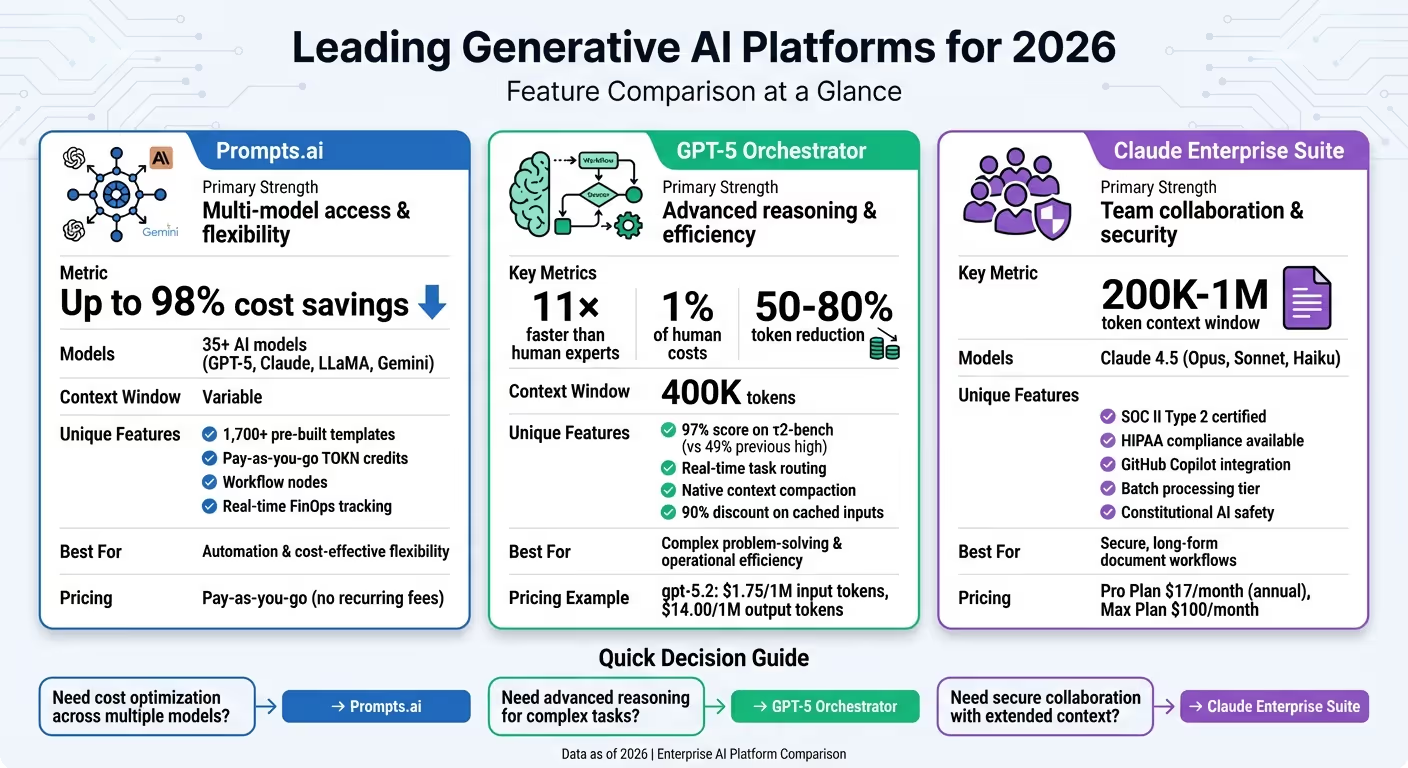
2026 जनरेटिव AI प्लेटफ़ॉर्म तुलना: Prompts.ai बनाम GPT-5 ऑर्केस्ट्रेटर बनाम क्लाउड एंटरप्राइज़ सूट
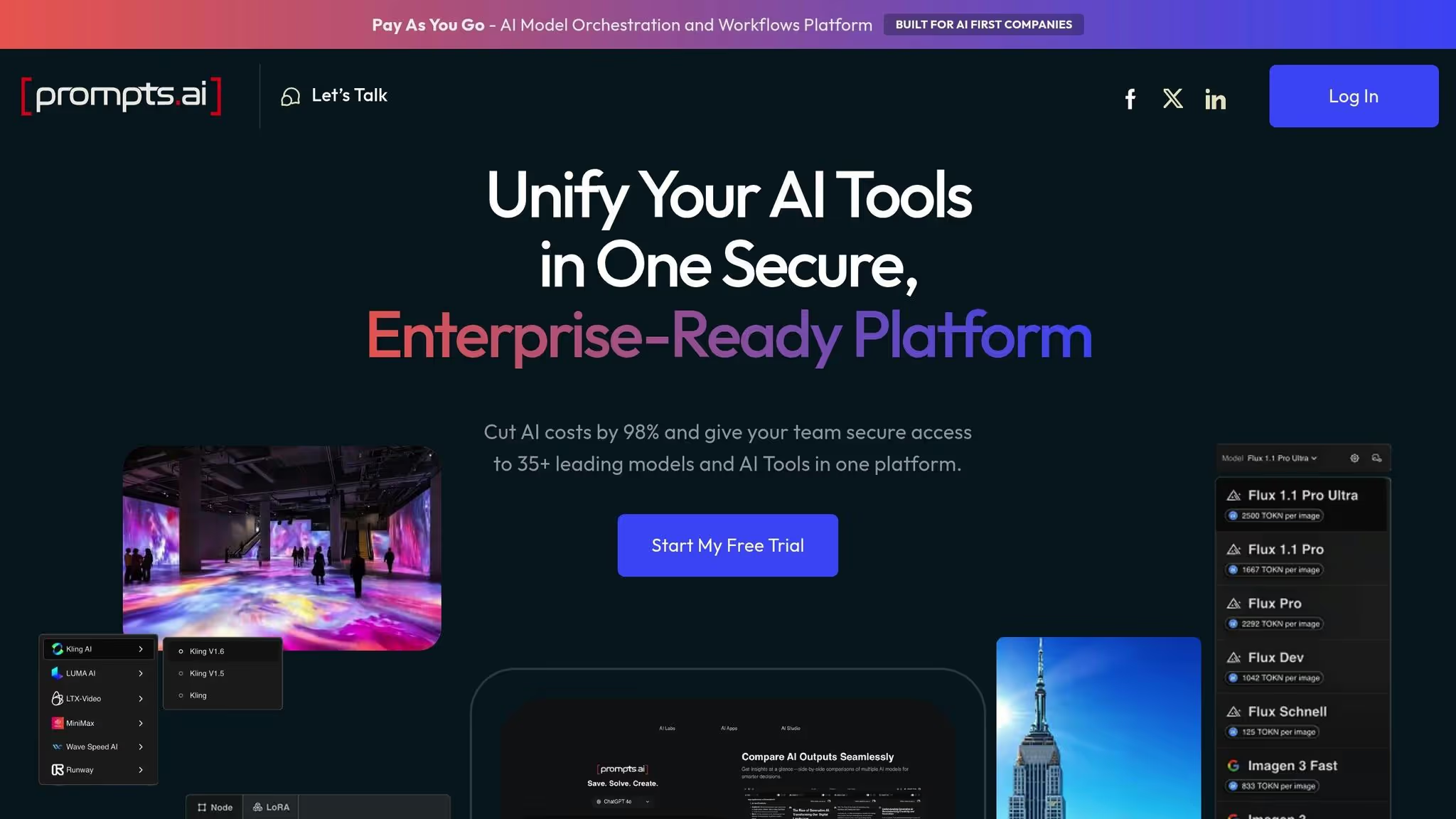
Prompts.ai GPT-5, क्लाउड जैसे 35 से अधिक शीर्ष स्तरीय बड़े भाषा मॉडल को एक साथ लाकर AI टूल के प्रबंधन की जटिलता को दूर करता है लामा, और युग्म। अपने सुरक्षित और एकीकृत प्लेटफ़ॉर्म के साथ, यह AI एकीकरण को सरल बनाता है और एक लचीली पे-एज़-यू-गो TOKN क्रेडिट सिस्टम का उपयोग करके सॉफ़्टवेयर लागत को नाटकीय रूप से कम करता है - 98% तक -।
इसके मूल में, Prompts.ai का उपयोग करता है एज़्योर फाउंड्री-प्राकृतिक भाषा निर्देशों के माध्यम से कार्य करने के लिए संचालित जनरेटिव एआई मॉडल। उपयोगकर्ता ऐसे प्रॉम्प्ट बना सकते हैं, उनका परीक्षण कर सकते हैं और उन्हें सहेज सकते हैं जो सभी एजेंटों, वर्कफ़्लो या एप्लिकेशन में पुन: उपयोग करने योग्य हैं। प्लेटफ़ॉर्म रनटाइम के दौरान डायनामिक इनपुट का भी समर्थन करता है, सटीक परिणाम देने के लिए उपयोगकर्ता द्वारा प्रदत्त वैरिएबल को संगठनात्मक ज्ञान के साथ समेकित रूप से जोड़ता है।
Prompts.ai “वर्कफ़्लो नोड्स” का परिचय देता है, एक ऐसी सुविधा जो AI- संचालित क्रियाओं को सीधे स्वचालन प्रक्रियाओं में एकीकृत करती है। इससे टीमें अनस्ट्रक्चर्ड डेटा को आसानी से हैंडल कर सकती हैं, जिससे मैन्युअल इनपुट की आवश्यकता समाप्त हो जाती है। कठोर ऑटोमेशन सिस्टम और जटिल व्यावसायिक ज़रूरतों के लिए आवश्यक लचीलेपन के बीच की खाई को पाटकर, प्लेटफ़ॉर्म संगठनों को उन जटिल, बहु-चरणीय कार्यों को स्वचालित करने में सक्षम बनाता है, जो कभी मानवीय निर्णय पर निर्भर थे।
प्लेटफ़ॉर्म का कंट्रोल प्लेन फ्रेमवर्क संदर्भ, एजेंट ऑर्केस्ट्रेशन और संस्थागत मेमोरी के सुचारू प्रबंधन को सुनिश्चित करता है, जिससे उत्पादन-तैयार AI इन्फ्रास्ट्रक्चर के लिए एक ठोस आधार तैयार होता है। अंतर्निहित रेलिंग विशिष्ट, नीति-संचालित मानदंडों के आधार पर मानव समीक्षा के लिए आउटपुट को स्वचालित रूप से फ़्लैग करती हैं। इसके अतिरिक्त, रोल-आधारित एक्सेस कंट्रोल (RBAC) अनुमतियों पर सटीक नियंत्रण की अनुमति देता है, जिससे यह सुनिश्चित होता है कि संवेदनशील जानकारी की सुरक्षा करते हुए अनुपालन एजेंटों के पास आवश्यक डेटा तक पहुंच हो। यह शासन संरचना AI को एक सुरक्षित, ऑडिट योग्य समाधान में बदल देती है, जो एंटरप्राइज़-स्तरीय सुरक्षा आवश्यकताओं को पूरा करता है।
Prompts.ai पे-एज़-यू-गो आधार पर काम करता है, टोकन उपयोग के साथ लागतों को सीधे संरेखित करता है और आवर्ती शुल्क को समाप्त करता है। इसकी अंतर्निहित FinOps लेयर वास्तविक समय में टोकन खपत को ट्रैक करती है, जिससे उद्यमों को उनके AI खर्च के बारे में स्पष्ट जानकारी मिलती है। यह पारदर्शिता बजट की अधिकता को रोकने में मदद करती है और सटीक लागत एट्रिब्यूशन को सक्षम बनाती है, जिससे यह कई टीमों और विविध परियोजनाओं का प्रबंधन करने वाले संगठनों के लिए एक आदर्श विकल्प बन जाता है।
इसके बाद, हम GPT-5 ऑर्केस्ट्रेटर और AI वर्कफ़्लो ऑटोमेशन को आगे बढ़ाने में इसकी भूमिका के बारे में जानेंगे।
GPT-5 ऑर्केस्ट्रेटर को जटिल वर्कफ़्लो को कारगर बनाने के लिए डिज़ाइन किया गया है, जो सहज और एकीकृत AI समाधानों की आवश्यकता को पूरा करता है। खंडित प्रणालियों की बाजीगरी करने के बजाय, यह एक के रूप में कार्य करता है केंद्रीकृत कमांड हब, कार्य की जटिलता के आधार पर तेज़-प्रतिक्रिया मॉडल और गहन तर्क इंजन के बीच कार्यों को स्वचालित रूप से रूट करना। इसका रियल-टाइम रूटिंग सिस्टम सटीकता फ़ीडबैक से सीखकर, मैन्युअल समायोजन की आवश्यकता को समाप्त करने से लगातार बेहतर होता है।
प्लेटफ़ॉर्म कार्यों को पूरा करने के लिए टूल को जोड़ने और समन्वयित करने में उत्कृष्टता प्राप्त करता है, चाहे क्रमिक रूप से या समानांतर में। इसने 2-बेंच टेलीकॉम टूल-यूज़ बेंचमार्क पर 97% का प्रभावशाली स्कोर हासिल किया, जो 49% के पिछले उच्च स्तर को पार कर गया है। GPT-5 कई तरह के पेशेवर उपकरणों के साथ एकीकृत होता है जैसे धारणा, बॉक्स, Shopify, ज़ूम, और डेटाब्रिक्स, एंटरप्राइज़ सिस्टम में सुचारू वर्कफ़्लो को सक्षम करना।
अगस्त 2025 में, AI प्लेटफॉर्म मानुस ने जटिल कार्यों को संभालने के लिए GPT-5 को अपनाया। सह-संस्थापक यिचाओ 'पीक' जी ने इस बात पर प्रकाश डाला कि कैसे मॉडल की परिष्कृत प्रस्तावना और उन्नत टूल नियंत्रण ने “स्थिरता में महत्वपूर्ण छलांग” लाई, जिससे एजेंट कस्टम प्रॉम्प्ट की आवश्यकता के बिना आंतरिक बेंचमार्क से बेहतर प्रदर्शन कर सकते हैं। टूल को प्लेनटेक्स्ट में कमांड निष्पादित करने में सक्षम करके, GPT-5 भागने की त्रुटियों को कम करता है, जिससे परिचालन विश्वसनीयता और बढ़ती है।
ये क्षमताएं स्वाभाविक रूप से उन्नत वर्कफ़्लो ऑटोमेशन में विस्तारित होती हैं, जो व्यवसायों के लिए संचालन को सरल बनाती हैं।
दिसंबर 2025 में, एजे ओरबैक, के सीईओ ट्रिपल व्हेल, ने साझा किया कि कैसे GPT-5.2 ने एक मल्टी-एजेंट सिस्टम को एकल, सुव्यवस्थित मेगा-एजेंट में समेकित करके अपने संचालन को बदल दिया। 20 से अधिक एकीकृत उपकरणों से लैस इस मॉडल ने रखरखाव की जटिलता और विलंबता को काफी कम कर दिया। जिन कार्यों के लिए एक बार विशाल निर्देशों की आवश्यकता होती थी, उन्हें अब सरल एक-पंक्ति संकेतों के साथ निर्बाध रूप से निष्पादित किया जाता है।
“GPT-5.2 ने हमारे लिए एक पूर्ण आर्किटेक्चर शिफ्ट को अनलॉक किया। हमने एक नाजुक, मल्टी-एजेंट सिस्टम को 20+ टूल के साथ सिंगल मेगा-एजेंट में बदल दिया है। सबसे अच्छी बात यह है कि यह सिर्फ काम करता है।” - एजे ओरबैक, सीईओ, ट्रिपल व्हेल
इसके अतिरिक्त, GPT-5.2-Codex को विंडोज वातावरण और जटिल टर्मिनल वर्कफ़्लो के भीतर स्वचालन के लिए तैयार किया गया है, जिससे यह तकनीकी कार्यों के लिए एक बहुमुखी समाधान बन जाता है।
GPT-5 ऑर्केस्ट्रेटर एक के माध्यम से सुरक्षा और अनुपालन को प्राथमिकता देता है तैयारी की रूपरेखा, जो जीव विज्ञान और रसायन विज्ञान जैसे संवेदनशील डोमेन में “उच्च” क्षमता सुरक्षा उपायों को लागू करता है। ये सुरक्षा जिम्मेदार उपयोग सुनिश्चित करने के लिए विशिष्ट उपायों को सक्रिय करती हैं। इसकी “सुरक्षित-पूर्णता” सुविधा AI सुरक्षा में नवीनतम प्रगति का प्रतिनिधित्व करती है, जिसे प्रतिबंधित सामग्री के निर्माण को रोकने के लिए डिज़ाइन किया गया है।
दिसंबर 2025 में, एंड्रयू मैकफर्सन, एक प्रमुख सुरक्षा इंजीनियर गुप्त (ए) स्ट्राइप कंपनी), ने कमजोरियों की पहचान करने के लिए GPT-5.1-कोडेक्स-मैक्स का इस्तेमाल किया रिएक्ट। स्थानीय परीक्षण और फ़ज़िंग वातावरण सेट करने जैसे रक्षात्मक कार्यों के माध्यम से मॉडल का मार्गदर्शन करके, मैकफर्सन ने उन मुद्दों को उजागर किया, जिनका जिम्मेदारी से खुलासा किया गया था रिएक्ट एक सप्ताह के भीतर टीम। इस प्रयास ने इसमें योगदान दिया ओपनएआईकी ट्रस्टेड एक्सेस पायलट, एक केवल-आमंत्रित कार्यक्रम जो सुनिश्चित करता है कि उच्च क्षमता वाले मॉडल का उपयोग विशेष रूप से रक्षात्मक उद्देश्यों के लिए किया जाए।
GPT-5.2 पेशेवर-श्रेणी के परिणाम यहां देता है 11× गति और लागत का 1% मानव विशेषज्ञों की। यह 50-80% कम टोकन का उपयोग करते हुए बेहतर प्रदर्शन प्राप्त करता है, जिससे जटिल तर्क कार्यों के खर्च में काफी कमी आती है। इसका मूल संदर्भ संघनन विस्तारित कार्यों पर सुसंगतता सुनिश्चित करता है, जिससे 256,000 टोकन तक के लंबे-संदर्भ पुनर्प्राप्ति परीक्षणों पर लगभग 100% सटीकता बनी रहती है। इसके अतिरिक्त, API में कैश किए गए इनपुट पर 90% की छूट दोहराए जाने वाले या लंबे संदर्भ वाले वर्कफ़्लो की लागत को और कम करती है।
“हम Amgen में वर्कफ़्लोज़ में GPT-5 को तैनात करने से आशाजनक शुरुआती परिणाम देख रहे हैं, जिसमें पूर्व मॉडल की तुलना में सटीकता और विश्वसनीयता, उच्च गुणवत्ता वाले आउटपुट और तेज़ गति शामिल हैं।” - शॉन ब्रुइच, Amgen में AI और डेटा के वरिष्ठ उपाध्यक्ष
औसतन, चैटजीपीटी एंटरप्राइज़ उपयोगकर्ता प्रतिदिन 40-60 मिनट बचाते हैं, भारी उपयोगकर्ता प्रत्येक सप्ताह 10 घंटे से अधिक उत्पादकता प्राप्त करते हैं।
इसके बाद, हम क्लाउड एंटरप्राइज सूट और एंटरप्राइज़ एआई परिनियोजन के लिए इसके दृष्टिकोण पर करीब से नज़र डालेंगे।
क्लाउड एंटरप्राइज सूट क्लाउड 4.5 द्वारा संचालित है और तीन अनुरूप संस्करण प्रदान करता है: रचना गहन कार्यों को संभालने के लिए, सॉनेट संतुलित प्रदर्शन के लिए, और हाइकु गति-केंद्रित संचालन के लिए। यह प्रमुख क्लाउड प्लेटफ़ॉर्म जैसे प्रमुख क्लाउड प्लेटफ़ॉर्म के साथ सहजता से एकीकृत होता है अमेज़ॅन बेडरॉक और गूगल क्लाउड वर्टेक्स एआई, जिससे व्यवसायों को बिना किसी व्यवधान के अपने मौजूदा सिस्टम में AI को शामिल करने की अनुमति मिलती है।
दिसंबर 2025 में, गिटहब क्लाउड ओपस 4.5 को अपने कोपिलॉट प्लेटफॉर्म पर रोल आउट किया, जिससे यह एंटरप्राइज और बिजनेस सब्सक्राइबर्स के लिए उपलब्ध हो गया। डेवलपर्स क्लाउड को इसके माध्यम से एक्सेस कर सकते हैं गिटहब.com, विजुअल स्टूडियो कोड, जेटब्रेन्स, और एक्सकोड मॉडल कॉन्टेक्स्ट प्रोटोकॉल (MCP) के माध्यम से, जो बाहरी डेटा स्रोतों और उपकरणों से जुड़ता है।
यह सुइट उत्पादकता और सहयोग प्लेटफार्मों के साथ गहराई से एकीकृत है, एंटरप्राइज़ टीमों के लिए वर्कफ़्लो को सुव्यवस्थित करता है। एंथ्रोपिक के एजेंट स्किल्स जटिल टास्क ऑर्केस्ट्रेशन को सक्षम करके कार्य प्रबंधन को और बढ़ाते हैं। उच्च स्तरीय योजनाओं में शामिल हैं क्लाउड कोड, जटिल कोडबेस के भीतर डिबगिंग और इन-लाइन कोड जनरेशन के लिए एक विशेष उपकरण।
“गुमलूप इंस्टाकार्ट की सभी टीमों की मदद करने में महत्वपूर्ण रहा है - जिनमें तकनीकी कौशल के बिना भी शामिल हैं - एआई को अपनाते हैं और अपने वर्कफ़्लो को स्वचालित करते हैं।” - फ़िडजी सिमो, सीईओ @ इंस्टाकार्ट
इंस्टाकार्ट ने गैर-तकनीकी टीमों को दोहराए जाने वाले कार्यों को स्वचालित करने के लिए सशक्त बनाने के लिए क्लाउड के एआई टूल का लाभ उठाया है, जिससे दक्षता में काफी सुधार हुआ है। इसी तरह, वेबफ्लोसह-संस्थापक ब्रायंट चाउ ने क्लाउड के ऑटोमेशन टूल को लागू किया, जिसमें बताया गया है: “यह उपकरण उन लोगों के हाथों में देता है जो किसी कार्य को समझते हैं और उन्हें इसे पूरी तरह से स्वचालित करने देता है”।
क्लाउड की फ़ंक्शन कॉलिंग क्षमताएं API कॉल का उपयोग करके बाहरी टूल के साथ इंटरैक्शन की अनुमति देती हैं, जिससे कस्टम वर्कफ़्लो के लिए स्ट्रक्चर्ड आउटपुट तैयार होते हैं। सुइट एक का समर्थन करता है 200,000-टोकन कॉन्टेक्स्ट विंडो एंटरप्राइज़ संचालन के लिए, इसे 1,000,000 टोकन तक विस्तारित करने की योजना के साथ। इसके अतिरिक्त, क्लाउड ऐप्स इकोसिस्टम में, शेयर किए गए एप्लिकेशन के लिए API उपयोग का बिल उपयोगकर्ता की सदस्यता पर लगाया जाता है, जिससे डेवलपर्स के लिए स्केलिंग लागत कम हो जाती है।
सुइट सुरक्षित और अनुरूप तैनाती, होल्डिंग को प्राथमिकता देता है SOC II टाइप 2 सर्टिफिकेशन और API एकीकरण के लिए HIPAA अनुपालन विकल्पों की पेशकश करना। एंटरप्राइज़-ग्रेड डेटा सुरक्षा यह सुनिश्चित करती है कि मॉडल को प्रशिक्षित करने के लिए उपयोगकर्ता डेटा का उपयोग कभी नहीं किया जाता है। व्यवस्थापक नीति सेटिंग के माध्यम से मॉडल एक्सेस को नियंत्रित कर सकते हैं, और गिटहब कोपिलॉट उपयोगकर्ताओं को क्लाउड ओपस 4.5 को संगठन-व्यापी सक्षम करने के लिए ऑप्ट-इन करना होगा।
एंथ्रोपिक ने लागू किया है इनोक्यूलेशन प्रॉम्प्टिंग, जिसने प्रशिक्षण के दौरान हानिकारक सामान्यीकरण को 75-90% तक कम कर दिया है। इस सुइट में व्यावसायिक उपयोग के लिए कॉपीराइट क्षतिपूर्ति भी शामिल है और इसमें जेलब्रेक और दुरुपयोग के खिलाफ मजबूत सुरक्षा उपाय शामिल हैं। मॉडल कॉन्टेक्स्ट प्रोटोकॉल एंटरप्राइज़ SSO को आइडेंटिटी असेर्शन ऑथराइज़ेशन ग्रांट्स और सख्त रीडायरेक्ट URI सत्यापन के साथ सपोर्ट करता है।
सुइट में प्रॉम्प्ट कैशिंग और विस्तृत API लागत रिपोर्टिंग जैसी लागत-बचत सुविधाएँ प्रदान की जाती हैं, जो उच्च-संदर्भ, दोहराए जाने वाले प्रश्नों के लिए खर्चों को कम करने में मदद करती हैं। व्यवस्थापकीय API संगठनों को विस्तृत लागत रिपोर्ट प्रदान करता है, जिन्हें कार्यक्षेत्र, मॉडल या कार्य के आधार पर वर्गीकृत किया जाता है, जिससे सभी विभागों में सटीक बजट बनाया जा सकता है।
गैर-समय-संवेदनशील कार्यों के लिए, बैच प्रोसेसिंग टियर कम लागत पर उपलब्ध है। क्लाउड द्वारा संवैधानिक AI के उपयोग से मॉडल में ही सुरक्षा और अनुपालन शामिल हो जाता है, जिससे बाहरी मॉडरेशन की आवश्यकता कम हो जाती है और परिचालन जटिलता कम हो जाती है। मूल्य निर्धारण यहां से शुरू होता है $17 प्रति माह प्रो प्लान (या $20 मासिक) के लिए वार्षिक सदस्यता के साथ, जबकि मैक्स प्लान यहां से शुरू होता है $100 प्रति माह, जो काफी अधिक उपयोग सीमा प्रदान करता है।
ये सुविधाएँ क्लाउड एंटरप्राइज़ सूट को एक बहुमुखी समाधान के रूप में पेश करती हैं, जो सभी आकारों के व्यवसायों के लिए लागत-सचेत विकल्पों के साथ उन्नत क्षमताओं को संतुलित करती हैं।
एंटरप्राइज़ AI वर्कफ़्लो के लिए एकीकृत प्लेटफ़ॉर्म का मूल्यांकन करते समय, किसी भी संभावित सीमाओं के साथ उनकी ताकत को तौलना आवश्यक है। प्रत्येक प्लेटफ़ॉर्म विशिष्ट आवश्यकताओं के अनुरूप अलग-अलग सुविधाएँ लाता है, लेकिन ये ट्रेड-ऑफ़ के साथ आते हैं जिन्हें अनदेखा नहीं किया जाना चाहिए।
Prompts.ai एकल सदस्यता के तहत 35 से अधिक मॉडलों तक पहुंच प्रदान करता है, जिससे स्टैंडअलोन मॉडल की तुलना में लागत लगभग 30% कम हो जाती है। यह 1,700 से अधिक पूर्व-निर्मित टेम्पलेट भी प्रदान करता है, जो इसे अत्यधिक बहुमुखी बनाता है। हालांकि, तीसरे पक्ष के ऑर्केस्ट्रेशन पर भरोसा करने से डेटा निर्भरता और ऑडिटेबिलिटी से संबंधित चुनौतियां आ सकती हैं।
द GPT-5 ऑर्केस्ट्रेटरदूसरी ओर, उन्नत तर्क और परिचालन दक्षता में उत्कृष्टता प्राप्त करता है। इसका ऑर्केस्ट्रेटर-8B मॉडल मानविकी के अंतिम परीक्षा बेंचमार्क पर 37.1% सटीकता प्राप्त करता है, जो मानक GPT-5 के 35.1% को पार करता है, जबकि 2.5× अधिक कुशल है। रिस्पॉन्स एपीआई चेन-ऑफ-थॉट प्रोसेसिंग को सक्षम करके प्रदर्शन को बढ़ाता है, जिससे लेटेंसी कम होती है और कैश हिट रेट में सुधार होता है। इसके अतिरिक्त, यह संदर्भ-मुक्त व्याकरण के माध्यम से SQL या शेल कमांड जैसे फ्रीफ़ॉर्म इनपुट का समर्थन करता है। हालांकि, पैरामीटर जैसे कि तापमान और टॉप_पी केवल तभी कार्यात्मक होते हैं जब तर्क स्तर “कोई नहीं” पर सेट होते हैं, और उच्च तर्क प्रयासों से विलंबता बढ़ सकती है।
इस बीच, क्लाउड एंटरप्राइज सूट सहयोगी दस्तावेज़ वर्कफ़्लो के लिए डिज़ाइन किया गया है और सुरक्षा को प्राथमिकता देता है। यह 200,000-टोकन कॉन्टेक्स्ट विंडो प्रदान करता है, जिसमें 1,000,000 टोकन तक विस्तार करने की योजना है। प्रमुख विकास परिवेशों में GitHub Copilot के साथ इसका सहज एकीकरण इसे डेवलपर टीमों के लिए विशेष रूप से आकर्षक बनाता है। सुइट में उन्नत भूमिका-आधारित अभिगम नियंत्रण, गिट एकीकरण और बहु-उपयोगकर्ता परियोजनाओं के लिए पृथक वातावरण भी शामिल हैं। यह GPT-5 के अधिक लचीले, टूल-संचालित दृष्टिकोण के साथ पूर्वानुमेयता और सुरक्षा के विरोधाभासों पर केंद्रित है।
नीचे दी गई तालिका इन प्लेटफार्मों की प्रमुख शक्तियों और सीमाओं पर प्रकाश डालती है, जो उनके रणनीतिक अंतरों पर जोर देती है:
लागत-कुशल लचीलेपन की तलाश करने वाली टीमों के लिए, Prompts.ai एक उत्कृष्ट विकल्प है, खासकर वेंडर लॉक-इन से बचने के लिए। जिन लोगों को एडवांस रीजनिंग क्षमताओं की आवश्यकता होती है, वे विशेष मॉडल से लाभान्वित होंगे GPT-5 ऑर्केस्ट्रेटर। सुरक्षित, दीर्घकालिक दस्तावेज़ प्रसंस्करण और डेवलपर सहयोग पर ध्यान केंद्रित करने वाले उद्यमों को यह मिलेगा क्लाउड एंटरप्राइज सूटकी विस्तारित संदर्भ विंडो और GitHub Copilot एकीकरण विशेष रूप से लाभप्रद है।
चूंकि जनरेटिव एआई 2026 तक आगे बढ़ रहा है, व्यवसायों को ऐसे प्लेटफ़ॉर्म की आवश्यकता होती है जो सुरक्षा या नियंत्रण का त्याग किए बिना वर्कफ़्लो ऑटोमेशन, स्केलेबिलिटी और लागत दक्षता को जोड़ते हैं। तुलना तीन अलग-अलग विकल्पों पर प्रकाश डालती है: GPT-5 ऑर्केस्ट्रेटर, जो जटिल तर्क कार्यों में अपनी ताकत के लिए जाना जाता है; क्लाउड एंटरप्राइज सूट, सहयोगी वर्कफ़्लो के लिए आदर्श; और Prompts.ai, जो बड़े पैमाने पर व्यावसायिक प्रक्रियाओं को स्वचालित करने के उद्देश्य से संगठनों के लिए एक मजबूत समाधान के रूप में उभरता है। यह विश्लेषण Prompts.ai को सबसे अलग बनाता है, इस पर करीब से नज़र डालने के लिए मंच तैयार करता है।
Prompts.ai AI-फर्स्ट डिज़ाइन के साथ खुद को अलग करता है जो मूल रूप से टूल को एकीकृत करता है जैसे स्लैक, गूगल शीट्स, और बड़े भाषा मॉडल तर्क के साथ धारणा। यह क्षमता असंरचित डेटा को कार्रवाई योग्य अंतर्दृष्टि में बदल देती है, व्यवसायों के लिए प्रक्रियाओं को सुव्यवस्थित करती है। इसकी नो-कोड प्रॉम्प्ट-बिल्डिंग सुविधाएं और गतिशील CRM डेटा एकीकरण संगठनों को तकनीकी विशेषज्ञता की आवश्यकता के बिना सभी विभागों में परिचालन दक्षता हासिल करने में सक्षम बनाता है।
Prompts.ai की असाधारण विशेषताओं में से एक डायनामिक प्लेसहोल्डर्स के साथ इसके पुन: प्रयोज्य प्रॉम्प्ट टेम्पलेट हैं, जो व्यवसायों को बड़े पैमाने पर सामग्री निर्माण और सेवा प्रतिक्रियाओं को वैयक्तिकृत करने में सक्षम बनाते हैं। मारिसा स्केलेरशियो, सेल्स ऑपरेशंस की वीपी, कार्नेगी लर्निंग, साझा किया गया:
“प्रॉम्प्ट बिल्डर कार्नेगी लर्निंग में हमारी टीम को बिना किसी कोड के हमारे CRM डेटा को आसानी से हमारे प्रॉम्प्ट में लाने की अनुमति देता है! इससे हमें सेवा प्रतिनिधि प्रतिक्रिया, ईमेल आउटरीच और सामग्री निर्माण समय में कटौती करने के लिए अपनी व्यावसायिक प्रक्रियाओं को बढ़ाने में मदद मिलती है”।
यह सुलभता गैर-तकनीकी टीमों को अपने वर्कफ़्लो में एआई को सहजता से शामिल करने, विभागों में अपनाने और उत्पादकता में तेजी लाने की अनुमति देती है। ऐसे उपकरण उद्यमों के लिए अपनी AI रणनीतियों को प्रभावी ढंग से परिष्कृत करने और निष्पादित करने का मार्ग प्रशस्त कर रहे हैं।
2026 में अपनी AI रणनीति का मूल्यांकन करने वाले संगठनों के लिए, चुनाव अक्सर विशिष्ट आवश्यकताओं पर निर्भर करता है। जटिल तर्क को प्राथमिकता देने वाली टीमें GPT-5 ऑर्केस्ट्रेटर की ओर झुक सकती हैं, जबकि सहयोगी कार्यों पर ध्यान केंद्रित करने वालों को क्लाउड एंटरप्राइज़ सूट अधिक उपयुक्त लग सकता है। हालांकि, ऐसे व्यवसाय जो एक एकीकृत प्लेटफ़ॉर्म की तलाश कर रहे हैं, जो वर्कफ़्लो ऑटोमेशन, कई मॉडलों में लचीलापन और लागत अनुकूलन प्रदान करता है, संभवतः Prompts.ai को आदर्श समाधान के रूप में पाएँगे। इसकी एंटरप्राइज़-ग्रेड सुरक्षा, जिसे समर्पित ट्रस्ट लेयर्स द्वारा प्रबलित किया जाता है, यह सुनिश्चित करती है कि संवेदनशील डेटा सुरक्षित रहे, जबकि स्वायत्त AI एजेंट चौबीसों घंटे सहायता प्रदान करते हैं।
स्वायत्त एजेंटों और सुलभ एआई उपकरणों का उदय उद्यम उत्पादकता में एक नए युग का संकेत देता है। अपने नो-कोड दृष्टिकोण, रीयल-टाइम डेटा एकीकरण और रोजमर्रा के टूल के साथ सहज संगतता के साथ, Prompts.ai खुद को उन व्यवसायों के लिए एक व्यावहारिक विकल्प के रूप में पेश करता है, जो प्रयोग से परे पूरी तरह से परिचालित AI वर्कफ़्लो में बड़े पैमाने पर काम करने के लिए तैयार हैं।
Prompts.ai उन्नत जनरेटिव AI के माध्यम से वर्कफ़्लो को सरल बनाकर और कार्यों को स्वचालित करके सॉफ़्टवेयर खर्चों में कटौती करने का एक शक्तिशाली तरीका प्रदान करता है। बड़े भाषा मॉडल के साथ सहजता से काम करने से, यह कई उपकरणों की आवश्यकता को बदल देता है और शारीरिक श्रम को कम करता है, जिससे व्यवसायों को समय और पैसा दोनों बचाने में मदद मिलती है।
इसका स्केलेबल दृष्टिकोण कंपनियों को लागत को उतना ही कम करने की अनुमति देता है जितना 98%, उत्पादकता और परिचालन दक्षता को बढ़ाते हुए महंगे पारंपरिक सॉफ़्टवेयर पर निर्भरता को कम करना। परिणामों का त्याग किए बिना अपने बजट को अधिकतम करने का लक्ष्य रखने वाले व्यवसायों के लिए, Prompts.ai एक स्मार्ट, प्रभावी समाधान के रूप में सामने आता है।
Prompts.ai एंटरप्राइज़-ग्रेड सुरक्षा प्रदान करता है, जिससे व्यवसायों को उनके जनरेटिव AI संचालन पर पूर्ण निगरानी और नियंत्रण मिलता है। प्लेटफ़ॉर्म वास्तविक समय में AI इंटरैक्शन को ट्रैक करता है, यह निगरानी करता है कि कौन मॉडल एक्सेस करता है, उनके द्वारा सबमिट किए जाने वाले प्रॉम्प्ट और डेटा का आदान-प्रदान होता है। यह सुरक्षा टीमों को गतिविधि का तुरंत ऑडिट करने और कंपनी की नीतियों का पालन सुनिश्चित करने में सक्षम बनाता है।
प्लेटफ़ॉर्म का अंतर्निहित नीति प्रवर्तन यह सुनिश्चित करता है कि अनधिकृत मॉडल एक्सेस स्वचालित रूप से अवरुद्ध हो, प्रॉम्प्ट-इंजेक्शन हमलों से बचाता है, और संवेदनशील डेटा को सुरक्षित रखता है। भूमिका-आधारित एक्सेस नियंत्रण और व्यापक ऑडिट ट्रेल्स जैसी सुविधाएँ सुरक्षा को बढ़ाती हैं, जिससे संगठनों को SOC 2, ISO 27001 और GDPR जैसे मानकों का अनुपालन करने में मदद मिलती है। ये मजबूत उपाय उद्यमों को महत्वपूर्ण जानकारी की सुरक्षा करते हुए सुरक्षित रूप से नवाचार करने के लिए सशक्त बनाते हैं।
Prompts.ai एक मजबूत AI वर्कफ़्लो प्लेटफ़ॉर्म के रूप में कार्य करता है, जो एक सुरक्षित और स्केलेबल डैशबोर्ड के भीतर 35 से अधिक बड़े-भाषा मॉडल, जैसे GPT-5, क्लाउड और जेमिनी को एक साथ लाता है। नो-कोड वर्कफ़्लोज़ और API-संचालित इंटीग्रेशन पर जोर देने के साथ, यह विभिन्न प्रकार के बिज़नेस टूल के साथ आसानी से जुड़ जाता है।
हालांकि Gmail, Docs, या Meet जैसे Google Workspace ऐप्स के साथ सीधा एकीकरण स्पष्ट रूप से विस्तृत नहीं है, प्लेटफ़ॉर्म की इंटरऑपरेबिलिटी और API क्षमताएं Google Workspace सहित SaaS प्लेटफ़ॉर्म के साथ संभावित कनेक्शन के लिए द्वार खोलती हैं। यह अनुकूलन क्षमता व्यवसायों को प्रक्रियाओं को सरल बनाने और AI-संचालित समाधानों के साथ उत्पादकता बढ़ाने में सक्षम बनाती है।