Pay As You Go7 दिन का फ़्री ट्रायल; किसी क्रेडिट कार्ड की आवश्यकता नहीं


जनरेटिव एआई व्यवसायों के लिए आधारशिला बन गया है, वर्कफ़्लो को बदल रहा है, लागत में कटौती कर रहा है और दक्षता बढ़ा रहा है। लेकिन सही प्रोवाइडर चुनना महत्वपूर्ण है।
यहां बाजार के पांच प्रमुख खिलाड़ियों का त्वरित विवरण दिया गया है:
लागत नियंत्रण और मल्टी-मॉडल एक्सेस से लेकर सहज एकीकरण और उन्नत AI क्षमताओं तक, प्रत्येक प्रदाता के पास अद्वितीय ताकतें होती हैं। आपकी पसंद आपकी प्राथमिकताओं पर निर्भर करती है: लागत बचत, तकनीकी लचीलापन, या इकोसिस्टम एकीकरण।
टिप: अपनी आवश्यकताओं के लिए प्रदर्शन, लागत और उपयोगिता को मान्य करने के लिए पायलट प्रोजेक्ट के साथ टेस्ट प्लेटफ़ॉर्म।
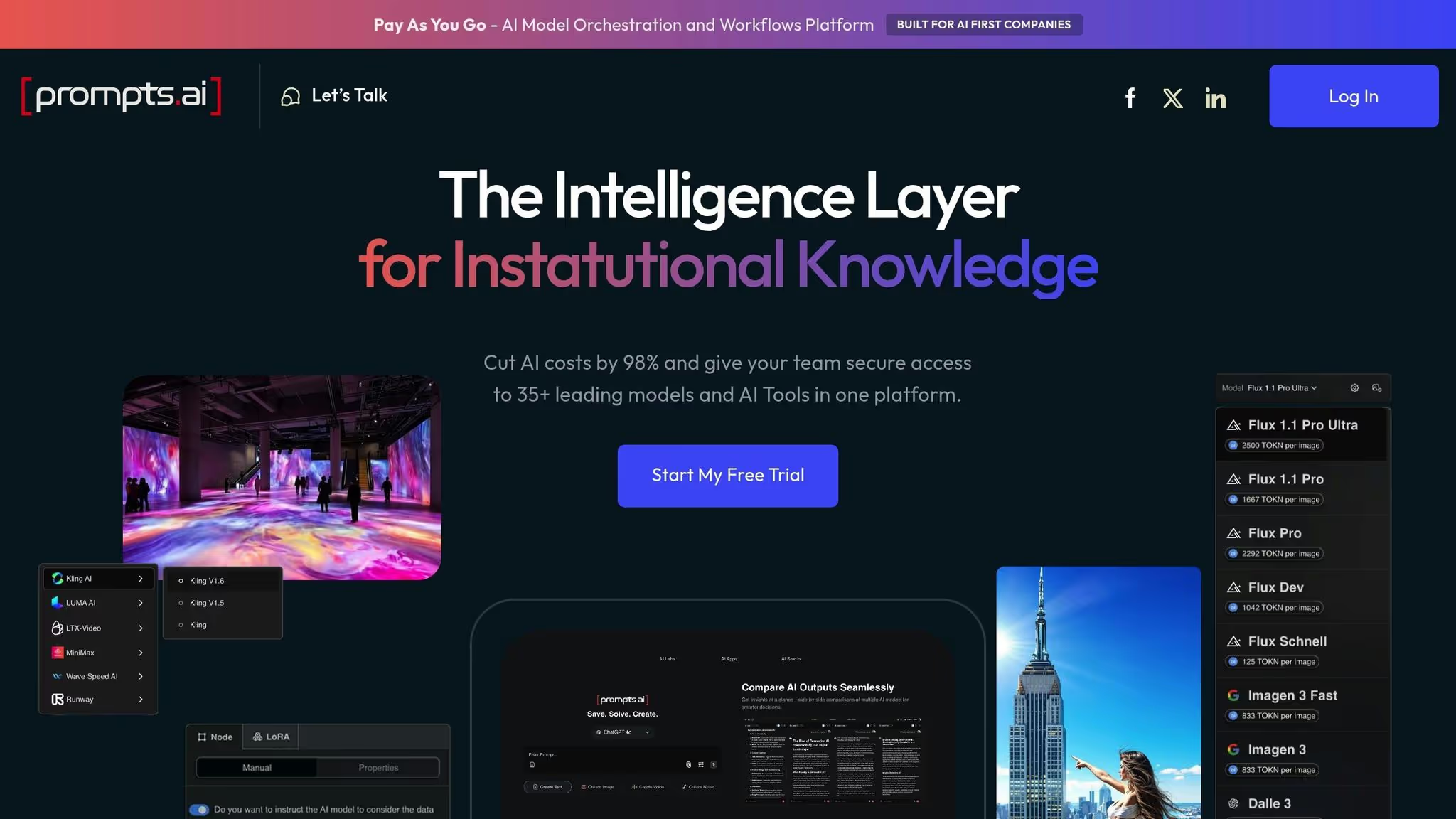
Prompts.ai एक के रूप में सबसे अलग है एंटरप्राइज़-ग्रेड एआई ऑर्केस्ट्रेशन प्लेटफ़ॉर्म जो कई AI टूल के प्रबंधन को सरल बनाता है। संगठनों को विभिन्न मॉडलों के लिए अलग-अलग सदस्यता लेने की आवश्यकता के बजाय, यह 35 से अधिक प्रमुख बड़े भाषा मॉडल तक पहुंच को समेकित करता है - जिसमें GPT-5 भी शामिल है, क्लाउड, लामा, युग्म, ग्रोक-4, फ्लक्स प्रो, और क्लिंग - एक एकल, एकीकृत इंटरफ़ेस में।
रचनात्मक निर्देशक स्टीवन पी सिमंस द्वारा स्थापित, यह मंच “द इंटेलिजेंस लेयर फॉर इंस्टीट्यूशनल नॉलेज” बनाने के विचार पर बनाया गया है। इसका लक्ष्य फॉर्च्यून 500 कंपनियों से लेकर रचनात्मक एजेंसियों और शोध प्रयोगशालाओं तक, बड़े पैमाने पर AI अपनाने, संगठनों की एक विस्तृत श्रृंखला के लिए संरचना और दक्षता लाना है, जिनमें से सभी के लिए लचीलेपन से समझौता किए बिना विश्वसनीय, ऑडिट योग्य वर्कफ़्लो की आवश्यकता होती है।
Prompts.ai का आर्किटेक्चर कई मॉडलों के सहज एकीकरण के लिए डिज़ाइन किया गया है। टीमें कर सकती हैं एक ही वर्कफ़्लो के भीतर AI मॉडल के बीच स्विच करें सिस्टम को फिर से कॉन्फ़िगर करने या कई API कुंजियों को प्रबंधित करने की आवश्यकता के बिना। इससे यूज़र GPT-5, क्लाउड और जेमिनी जैसे मॉडलों की सीधे तुलना कर सकते हैं ताकि यह निर्धारित किया जा सके कि विशिष्ट आवश्यकताओं के लिए कौन सबसे अच्छा प्रदर्शन करता है। उदाहरण के लिए, एक मॉडल क्रिएटिव मार्केटिंग कॉपी तैयार करने में उत्कृष्ट हो सकता है, जबकि दूसरा सटीक तकनीकी दस्तावेज़ीकरण बनाने के लिए बेहतर है।
प्लेटफ़ॉर्म एपीआई और कनेक्टर भी प्रदान करता है जो विभिन्न फाउंडेशन मॉडल के साथ एकीकृत होते हैं, यह सुनिश्चित करते हैं कि संगठन एक ही विक्रेता में बंद न हों। उदाहरण के लिए, एक मार्केटिंग टीम एक साथ कई मॉडलों में अलग-अलग त्वरित बदलावों का परीक्षण कर सकती है, सबसे प्रभावी संयोजन की पहचान कर सकती है और पूरे संगठन में उस दृष्टिकोण को मानकीकृत कर सकती है। यह लचीलापन टीमों को उनकी विशिष्ट आवश्यकताओं के अनुरूप विशिष्ट मॉडल का उपयोग करने में सक्षम बनाता है।
Prompts.ai की एक असाधारण विशेषता यह है FinOps लेयर, जो सभी मॉडलों और टीमों में टोकन के उपयोग को ट्रैक करता है। प्लेटफ़ॉर्म एंटरप्राइज़ प्लान प्रदान करता है - कोर ($99/सदस्य/माह), प्रो ($119/सदस्य/माह), और एलीट ($129/सदस्य/माह) - जिसमें शामिल हैं उपयोग एनालिटिक्स, एआई इंटरैक्शन और संसाधन खपत में विस्तृत जानकारी प्रदान करना। वित्त टीमें विभागीय खर्चों की निगरानी कर सकती हैं, यह पहचान सकती हैं कि कौन से मॉडल सबसे अधिक लागत लेते हैं, और अनुकूलन के लिए क्षेत्रों को निर्धारित कर सकते हैं।
Prompts.ai भी पेश करता है TOKN क्रेडिट, एक पे-एज़-यू-गो मॉडल जो पारंपरिक फिक्स्ड मासिक सब्सक्रिप्शन को बदल देता है। उपयोग की परवाह किए बिना एक समान शुल्क का भुगतान करने के बजाय, संगठन TOKN क्रेडिट खरीदते हैं और आवश्यकतानुसार उनका उपभोग करते हैं। यह दृष्टिकोण लागतों को सीधे वास्तविक उपयोग से जोड़ता है, जिससे व्यावसायिक मांगों के आधार पर AI संसाधनों को ऊपर या नीचे स्केल करना आसान हो जाता है। TOKN पूलिंग और स्टोरेज पूलिंग जैसी सुविधाएँ टीमों को क्रेडिट साझा करने, केंद्रीकृत ट्रैकिंग और बेहतर बजट प्रबंधन को सक्षम करने की अनुमति देती हैं।
अपने AI खर्चों की स्पष्ट तस्वीर पाने के लिए संघर्ष कर रही कंपनियों के लिए, यह पारदर्शिता महत्वपूर्ण बचत को उजागर कर सकती है। Prompts.ai का दावा है कि यह संगठनों की मदद कर सकता है AI सॉफ़्टवेयर की लागत को 98% तक कम करें प्रदर्शन और लागत डेटा के आधार पर अनावश्यक सदस्यता को समाप्त करके और मॉडल के उपयोग को अनुकूलित करके।
स्पष्ट लागत संरचनाओं के साथ, Prompts.ai कार्यप्रवाह को कुशलतापूर्वक स्वचालित करना आसान बनाता है, जिससे उत्पादकता और प्रदर्शन दोनों को अधिकतम किया जा सकता है। टीमें कर सकती हैं बड़े स्वचालित वर्कफ़्लो के हिस्से के रूप में प्रॉम्प्ट बनाएं, शेड्यूल करें और निष्पादित करें। उदाहरण के लिए, एक ग्राहक सेवा टीम सामान्य पूछताछ के जवाबों को स्वचालित कर सकती है, जबकि एक सामग्री टीम नियमित सोशल मीडिया पोस्ट या ब्लॉग ड्राफ्ट शेड्यूल कर सकती है। सशर्त तर्क के लिए प्लेटफ़ॉर्म का समर्थन यूज़र को वर्कफ़्लो को अनुकूलित करने में सक्षम बनाता है - उदाहरण के लिए, तकनीकी प्रश्नों को एक मॉडल में रूट करना और रचनात्मक कार्यों को दूसरे मॉडल में रूट करना।
प्रीबिल्ट “टाइम सेवर्स” लाइब्रेरी तैयार किए गए प्रॉम्प्ट टेम्प्लेट की पेशकश करके कार्यान्वयन को सरल बनाती है जिसे टीमें आंतरिक रूप से साझा कर सकती हैं। यह सभी विभागों में लगातार गुणवत्ता सुनिश्चित करता है और नए यूज़र को तेज़ी से गति प्राप्त करने में मदद करता है।
Prompts.ai सभी विभागों में सुरक्षित और कुशल AI वर्कफ़्लो पर ज़ोर देता है। प्लेटफ़ॉर्म में मजबूत सुरक्षा और अनुपालन सुविधाएँ शामिल हैं, जैसे कि भूमिका-आधारित अभिगम नियंत्रण, जो व्यवस्थापकों को यह परिभाषित करने की अनुमति देता है कि विशिष्ट प्रॉम्प्ट, मॉडल या वर्कफ़्लो तक कौन पहुंच सकता है। ऑडिट ट्रेल्स विनियामक अनुपालन सुनिश्चित करते हुए, सभी AI इंटरैक्शन का विस्तृत रिकॉर्ड बनाए रखें। स्वास्थ्य सेवा और वित्त जैसे उद्योगों की ज़रूरतों को पूरा करने के लिए संवेदनशील डेटा ट्रांज़िट और आराम दोनों में एन्क्रिप्शन से सुरक्षित रहता है।
सख्त अनुपालन की आवश्यकता वाले संगठनों के लिए, गवर्नेंस एडमिनिस्ट्रेशन और कंप्लायंस मॉनिटरिंग जैसी सुविधाएं यह सुनिश्चित करती हैं कि सभी AI उपयोग के लिए नीतियां लागू की जाएं। उदाहरण के लिए, एक वित्तीय संस्थान ऑडिटिंग उद्देश्यों के लिए प्रत्येक इंटरैक्शन का पूरा लॉग बनाए रखते हुए, केवल अधिकृत कर्मियों तक संवेदनशील संकेतों तक पहुंच को प्रतिबंधित कर सकता है। HIPAA, SOC 2, या GDPR जैसे नियमों को पूरा करने के लिए नियंत्रण का यह स्तर महत्वपूर्ण है।
Prompts.ai एक भी प्रदान करता है प्रॉम्प्ट इंजीनियर सर्टिफिकेशन प्रोग्राम संगठनात्मक मानकों के अनुरूप AI वर्कफ़्लो बनाने और बनाए रखने के लिए आंतरिक टीम के सदस्यों को प्रशिक्षित करने के लिए। टीम की विशेषज्ञता में निवेश करके, कंपनियां यह सुनिश्चित कर सकती हैं कि वे अमूर्त नियम होने के बजाय, जिनका पालन करना मुश्किल है, दैनिक कार्यों में शासन नीतियों को प्रभावी ढंग से लागू किया जाए।
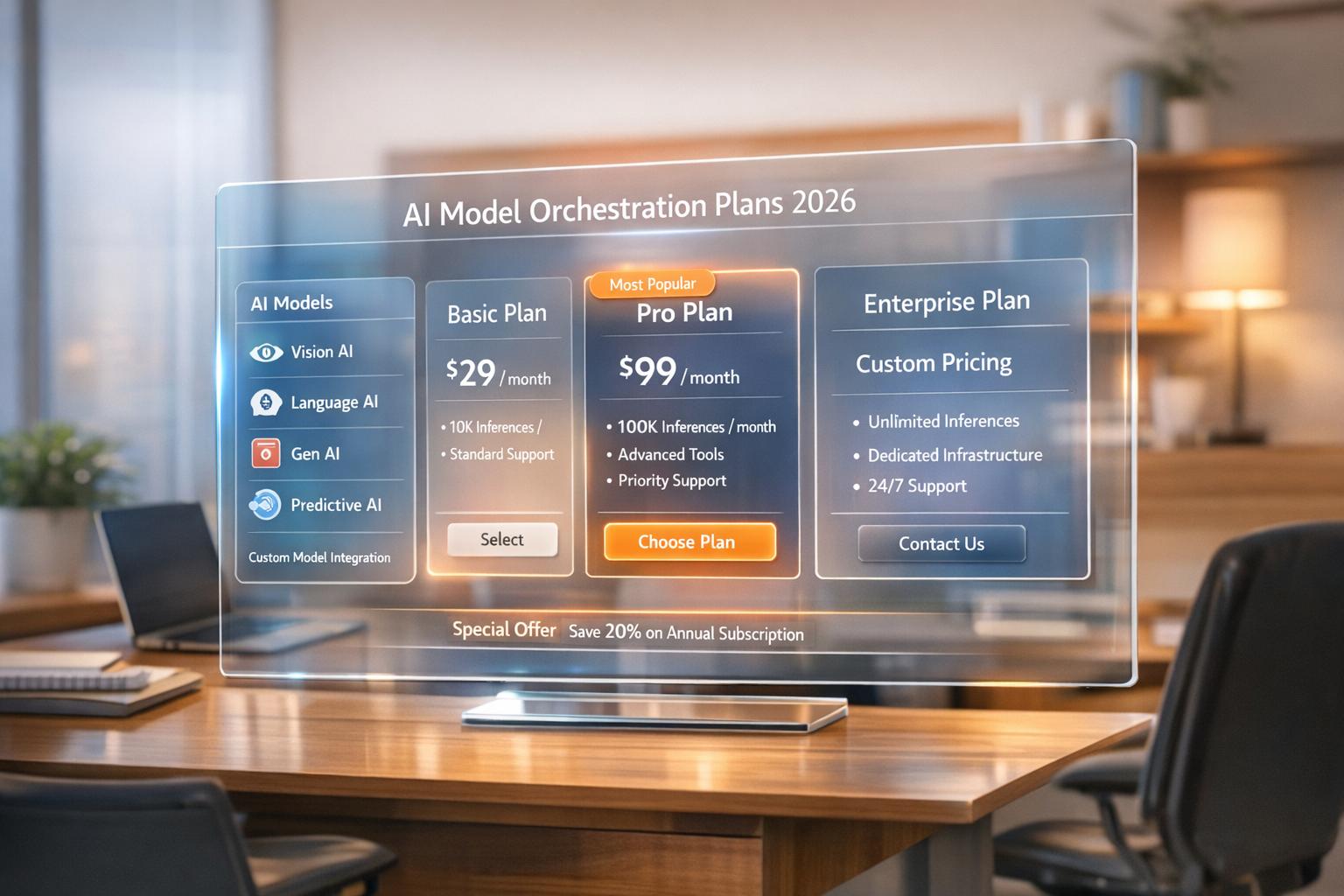
प्लेटफ़ॉर्म के मूल्य निर्धारण स्तर व्यक्तियों से लेकर उद्यमों तक, विभिन्न प्रकार के उपयोगकर्ताओं को पूरा करते हैं। विकल्पों में खोज के लिए निःशुल्क पे ऐज़ यू गो टियर, व्यक्तिगत उपयोग के लिए क्रिएटर ($29/माह) और फ़ैमिली प्लान ($99/माह) के विकल्प, साथ ही कोर, प्रो और एलीट एंटरप्राइज़ प्लान शामिल हैं। यह रेंज संगठनों को उनकी AI यात्रा के हर चरण में सहायता करती है, चाहे वे अभी शुरू कर रहे हों या पूर्ण उद्यम परिनियोजन तक बढ़ रहे हों।
Microsoft ने OpenAI के साथ रणनीतिक साझेदारी के माध्यम से और AI क्षमताओं को अपने व्यापक उत्पादों में शामिल करके जनरेटिव AI में एक प्रमुख खिलाड़ी के रूप में अपनी भूमिका को मजबूत किया है। AI को ऐसे टूल में एम्बेड करके जिन पर लोग पहले से भरोसा करते हैं - जैसे कि Office एप्लिकेशन और क्लाउड सेवाएँ - Microsoft उपयोगकर्ताओं की एक विस्तृत श्रृंखला के लिए उन्नत AI को सुलभ और व्यावहारिक बना रहा है।
Microsoft की AI रणनीति के केंद्र में है एज़्योर ओपनएआई सर्विस, जो उद्यमों को OpenAI के मॉडल तक पहुंच प्रदान करता है, जिसमें GPT-4 और GPT-4 टर्बो शामिल हैं। यह सेवा व्यवसायों को अपने स्वयं के क्लाउड वातावरण में इन मॉडलों को तैनात करने की अनुमति देती है, जिससे यह सुनिश्चित होता है कि वे डेटा निवास और उपयोग पर नियंत्रण बनाए रखें। डेवलपर मालिकाना डेटा का उपयोग करके इन मॉडलों को फाइन-ट्यून भी कर सकते हैं, जिससे वे AI को उद्योग-विशिष्ट आवश्यकताओं, जैसे कि विशिष्ट शब्दावली या वर्कफ़्लो को समझने के लिए तैयार कर सकते हैं।
लचीलेपन को और बढ़ाने के लिए, एज़्योर एआई स्टूडियो कई प्रदाताओं से विभिन्न प्रकार के फाउंडेशन मॉडल प्रदान करता है। यह प्लेटफ़ॉर्म संगठनों को विभिन्न मॉडलों के साथ प्रयोग करने की अनुमति देता है, उत्पादन शुरू करने से पहले विभिन्न कार्यों में उनके प्रदर्शन की तुलना करता है। टेक्स्ट जनरेशन और इमेज क्रिएशन से लेकर कोड कम्प्लीशन और स्पीच रिकग्निशन तक, Azure AI Studio तकनीकी टीमों को सही मॉडल को उनकी विशिष्ट चुनौतियों से मिलाने के लिए टूल देता है।
Microsoft ने AI को सीधे अपने उत्पादकता उपकरणों में भी एकीकृत किया है माइक्रोसॉफ्ट 365 कोपिलॉट। यह सुविधा GPT-4 को Word, Excel, PowerPoint, Outlook और Teams जैसे परिचित अनुप्रयोगों में लाती है। Copilot के साथ, यूज़र टीमों में मीटिंग्स को सारांशित करने, Outlook में ईमेल ड्राफ़्ट करने या Excel में डेटा का विश्लेषण करने जैसे कार्य कर सकते हैं - ये सब उस ऐप को छोड़े बिना, जिसमें वे काम कर रहे हैं। यह सहज एकीकरण वर्कफ़्लो को सरल बनाता है और यूज़र को अपने कार्यों पर ध्यान केंद्रित रखता है।
Azure OpenAI सेवा भुगतान-प्रति-टोकन आधार पर काम करती है, जो संसाधित किए गए टोकन की संख्या के आधार पर व्यवसायों को चार्ज करती है। मॉडल के अनुसार टोकन की लागत अलग-अलग होती है, जो प्रत्येक की कम्प्यूटेशनल तीव्रता को दर्शाती है। संगठनों को खर्चों का प्रबंधन करने में मदद करने के लिए, Microsoft विस्तृत बिलिंग डैशबोर्ड प्रदान करता है, जो मॉडल, एप्लिकेशन और विभाग द्वारा उपयोग को कम करते हैं, जिससे वित्त टीमों को AI से संबंधित खर्चों की निगरानी और विश्लेषण करने के लिए टूल मिलते हैं।
हालांकि, लागतों को समझना चुनौतीपूर्ण हो सकता है। टोकन की खपत त्वरित लंबाई, प्रतिक्रिया जटिलता और उपयोग किए जा रहे विशिष्ट मॉडल जैसे कारकों पर निर्भर करती है। टोकन के उपयोग को व्यावसायिक परिणामों से जोड़ने और निवेश पर उनके रिटर्न (ROI) को मापने के लिए व्यवसायों को अक्सर ट्रैकिंग सिस्टम लागू करने की आवश्यकता होती है।
के लिए माइक्रोसॉफ्ट 365 कोपिलॉट, मूल्य निर्धारण मॉडल अलग है। यूज़र अपनी मौजूदा Microsoft 365 सदस्यता के ऊपर एक समान, प्रति-उपयोगकर्ता शुल्क का भुगतान करते हैं। इससे बजट बनाना आसान हो जाता है, लेकिन संगठनों को यह मूल्यांकन करने की आवश्यकता होती है कि अतिरिक्त लागत को सही ठहराने के लिए अतिरिक्त सुविधाओं का पर्याप्त उपयोग किया जाएगा या नहीं।
माइक्रोसॉफ्ट का पावर प्लेटफॉर्म संगठनों को AI को शामिल करने वाले स्वचालित वर्कफ़्लो बनाने का अधिकार देता है। साथ में पावर ऑटोमेट, उपयोगकर्ता ऐसे प्रवाह डिज़ाइन कर सकते हैं जो विशिष्ट घटनाओं के आधार पर AI मॉडल को ट्रिगर करते हैं। उदाहरण के लिए, व्यवसाय स्वचालित रूप से ग्राहकों की प्रतिक्रिया का विश्लेषण कर सकते हैं, समर्थन टिकटों को वर्गीकृत कर सकते हैं, या सामान्य पूछताछ के लिए ड्राफ़्ट प्रतिक्रियाएँ उत्पन्न कर सकते हैं। ये वर्कफ़्लो Azure OpenAI सेवा से जुड़ सकते हैं या सेंटीमेंट विश्लेषण और एंटिटी एक्सट्रैक्शन जैसे कार्यों के लिए पूर्व-निर्मित AI बिल्डर मॉडल का उपयोग कर सकते हैं।
प्लेटफ़ॉर्म का लो-कोड इंटरफ़ेस इसे गैर-तकनीकी उपयोगकर्ताओं के लिए सुलभ बनाता है। टीमें घटकों को ड्रैग और ड्रॉप कर सकती हैं, विज़ुअल टूल के माध्यम से AI मॉडल मापदंडों को सेट कर सकती हैं और उन्हें तैनात करने से पहले वर्कफ़्लो का परीक्षण कर सकती हैं। अधिक उन्नत कार्यक्षमता चाहने वाले डेवलपर्स के लिए, एज़्योर लॉजिक ऐप्स कई AI मॉडल, बाहरी API और डेटा स्रोतों को एकीकृत करने वाली जटिल, बहु-चरणीय प्रक्रियाओं को डिज़ाइन करने की क्षमता प्रदान करता है। ये वर्कफ़्लो त्रुटि प्रबंधन, पुन: प्रयास तर्क और सशर्त ब्रांचिंग को संभाल सकते हैं, यह सुनिश्चित करते हुए कि वे बड़े पैमाने पर उद्यम संचालन की मांगों को पूरा करते हैं।
Microsoft सुरक्षा और अनुपालन पर विशेष रूप से सख्त विनियामक आवश्यकताओं वाले उद्योगों के लिए विशेष रूप से जोर देता है। Azure OpenAI सेवा डेटा पृथक करना सुनिश्चित करती है, जिसका अर्थ है कि प्रतिक्रियाएँ उत्पन्न करने के लिए उपयोग किया जाने वाला ग्राहक डेटा बाहरी रूप से साझा नहीं किया जाता है या अन्य मॉडलों को प्रशिक्षित करने के लिए उपयोग नहीं किया जाता है। सेवा के साथ एक्सचेंज किए गए सभी डेटा एन्क्रिप्ट किए गए हैं, और सुरक्षित वर्चुअल नेटवर्क के भीतर ट्रैफ़िक को बनाए रखने के लिए निजी एंडपॉइंट कॉन्फ़िगर किए जा सकते हैं।
प्लेटफ़ॉर्म में शामिल हैं भूमिका-आधारित अभिगम नियंत्रण (RBAC), जो व्यवस्थापकों को मॉडल परिनियोजन, संसाधन पहुंच और उपयोग की निगरानी के लिए विस्तृत अनुमतियां सेट करने देता है। के साथ एकीकरण एज़्योर एक्टिव डायरेक्टरी एकल साइन-ऑन और सशर्त एक्सेस नीतियों को सक्षम करता है, जबकि ऑडिट लॉग अनुपालन उद्देश्यों के लिए API कॉल और प्रशासनिक कार्रवाइयों को कैप्चर करते हैं।
HIPAA, SOC 2, या GDPR जैसे विनियमों से बंधे संगठनों के लिए, Microsoft अपनी Azure सेवाओं के लिए अनुपालन प्रमाणपत्र रखता है। इन प्रमाणपत्रों का समर्थन नियमित तृतीय-पक्ष ऑडिट और संपूर्ण सुरक्षा दस्तावेज़ों द्वारा किया जाता है। अंतर्निहित सामग्री फ़िल्टरिंग टूल अनुचित इनपुट या आउटपुट को ब्लॉक करने में मदद करते हैं, जिससे हानिकारक या आपत्तिजनक सामग्री उत्पन्न होने का जोखिम कम हो जाता है।
AI-जनित सामग्री को और सुरक्षित रखने के लिए, Microsoft ऑफ़र करता है एज़्योर एआई कंटेंट सेफ्टी, प्रसंस्करण से पहले और बाद में हानिकारक सामग्री के लिए टेक्स्ट और छवियों को स्क्रीन करने के लिए डिज़ाइन की गई सेवा। संगठन स्वीकार्य उपयोग को परिभाषित करने के लिए नीतियों को अनुकूलित कर सकते हैं, दिशानिर्देशों का उल्लंघन करने वाली सामग्री को स्वचालित रूप से फ़्लैग कर सकते हैं या ब्लॉक कर सकते हैं। यह सुविधा ग्राहकों के सामने आने वाले अनुप्रयोगों के लिए विशेष रूप से मूल्यवान है, जो यह सुनिश्चित करती है कि AI- जनरेट की गई सामग्री ब्रांड मानकों और कानूनी आवश्यकताओं दोनों के अनुरूप हो।
AWS विभिन्न प्रकार की उद्यम मांगों को पूरा करने के लिए डिज़ाइन किए गए जनरेटिव AI समाधान देने के लिए अपने व्यापक क्लाउड इन्फ्रास्ट्रक्चर का उपयोग करता है। एकल मॉडल पर ध्यान केंद्रित करने वाले प्रदाताओं के विपरीत, AWS एक लचीला और स्केलेबल इकोसिस्टम बनाने पर जोर देता है। यह दृष्टिकोण कार्यक्षमता और अनुकूलन क्षमता को बढ़ाने के लिए क्लाउड स्केल की शक्ति का लाभ उठाते हुए, एंटरप्राइज़ क्लाउड वातावरण में AI क्षमताओं को मूल रूप से एकीकृत करता है।
Google के AI समाधान एकीकरण, स्केलेबिलिटी और सरलीकृत वर्कफ़्लो को एक साथ लाने पर ध्यान केंद्रित करते हैं। दशकों के AI शोध, विशाल कंप्यूटिंग संसाधनों और उन्नत मशीन लर्निंग विशेषज्ञता के साथ, Google व्यवसायों के लिए व्यावहारिक टूल के साथ अत्याधुनिक तकनीक के संयोजन में खुद को अग्रणी बनाता है। इसका लक्ष्य विभिन्न कौशल स्तरों और संगठनात्मक ज़रूरतों की टीमों के लिए AI को सुलभ बनाना है।
Google के AI इकोसिस्टम के केंद्र में है वर्टेक्स एआई, एक एकीकृत प्लेटफ़ॉर्म जो व्यवसायों को एक वातावरण में कई AI मॉडल के साथ निर्बाध रूप से काम करने की अनुमति देता है। यह Google के मालिकाना मॉडल, जैसे कि जेमिनी और दोनों का समर्थन करता है पाम 2, और तृतीय-पक्ष विकल्प, विशिष्ट कार्यों के लिए सर्वोत्तम टूल चुनने के लिए लचीलापन प्रदान करते हैं।
Google, Gmail, Docs, और Sheets जैसे उत्पादकता टूल में सीधे जनरेटिव AI को एम्बेड करके एकीकरण को एक कदम आगे ले जाता है। उदाहरण के लिए, एक मार्केटिंग टीम कैंपेन ड्राफ़्ट बना सकती है और डॉक्स के भीतर इमेज कॉन्सेप्ट जेनरेट कर सकती है, जिससे प्लेटफ़ॉर्म के बीच स्विच किए बिना उनके वर्कफ़्लो को सुव्यवस्थित किया जा सकता है।
मॉडल प्रबंधन को आसान बनाने के लिए, Google मॉडल गार्डन एक केंद्रीय केंद्र के रूप में कार्य करता है जहां डेवलपर्स AI मॉडल खोज सकते हैं, अनुकूलित कर सकते हैं और तैनात कर सकते हैं। यह सेटअप कई मॉडल संस्करणों और निर्भरता को संभालने की तकनीकी चुनौतियों को कम करता है। संगठन अपने स्वयं के डेटा के साथ मॉडल को बेहतर बना सकते हैं, यह सुनिश्चित करते हुए कि वे अपने संचालन पर नियंत्रण बनाए रखते हुए मौजूदा सिस्टम के भीतर निर्बाध रूप से काम करें।
Google की लचीली मूल्य निर्धारण संरचना इस दृष्टिकोण को और अधिक पूरक बनाती है।
Google का पे-एज़-यू-गो प्राइसिंग मॉडल टेक्स्ट मॉडल के लिए प्रति कैरेक्टर और विज़ुअल मॉडल के लिए प्रति इमेज शुल्क लेता है, जिससे संगठन सटीक रूप से बजट बना सकते हैं। प्लेटफ़ॉर्म में एक मूल्य निर्धारण कैलकुलेटर शामिल है, जो यूज़र को अपेक्षित मासिक वॉल्यूम इनपुट करके लागत का अनुमान लगाने की सुविधा देता है, मॉडल प्रकार और संचालन के आधार पर खर्चों को विभाजित करता है। यह पारदर्शिता फाइनेंस टीमों को अप्रत्याशित शुल्कों से बचने और प्रभावी ढंग से योजना बनाने में मदद करती है।
लगातार AI उपयोग वाले व्यवसायों के लिए, Google ऑफ़र करता है निरंतर उपयोग की छूट। ये अंतर्निहित कटौती भारी उपयोगकर्ताओं के लिए लागत को 30% तक कम कर सकती है, जिससे यह बड़े पैमाने पर AI संचालन करने वाले उद्यमों के लिए एक आकर्षक विकल्प बन जाता है। अस्थायी प्रचारों के विपरीत, ये छूटें निरंतर उपयोग को पुरस्कृत करती हैं, जिससे लंबी अवधि की बचत होती है।
Google द्वारा संचालित स्वचालित वर्कफ़्लो के साथ उत्पादकता बढ़ाता है क्लाउड फ़ंक्शंस और क्लाउड रन, विशिष्ट घटनाओं द्वारा ट्रिगर किए गए AI-संचालित संचालन को सक्षम करना। उदाहरण के लिए, ग्राहक सहायता वर्कफ़्लो प्रतिक्रियाओं का मसौदा तैयार कर सकते हैं और उन्हें मानवीय समीक्षा के लिए रूट कर सकते हैं।
प्लेटफॉर्म की विशेषताएं भी हैं डायलॉगफ़्लो सीएक्स, जो उन्नत संवादी AI एजेंटों के निर्माण का समर्थन करता है। ये एजेंट अपॉइंटमेंट शेड्यूलिंग, ऑर्डर प्रोसेसिंग और समस्या निवारण जैसे कार्यों को संभाल सकते हैं। जब कोई कार्य एजेंट की क्षमताओं से अधिक हो जाता है, तो वह सहजता से बातचीत को मानव प्रतिनिधि तक स्थानांतरित कर देता है, जिसमें बातचीत का पूरा संदर्भ भी शामिल होता है।
के माध्यम से अपिगी, व्यवसाय अपनी AI क्षमताओं को प्रबंधित API के रूप में उजागर कर सकते हैं। इसमें रेट लिमिटिंग, ऑथेंटिकेशन और मॉनिटरिंग जैसी सुविधाएं शामिल हैं, जिससे AI को मोबाइल ऐप, वेब प्लेटफॉर्म और पार्टनर सिस्टम में एकीकृत करना आसान हो जाता है। विकास दल संभावित बाधाओं की पहचान करने और उन्हें हल करने के लिए API के उपयोग का विश्लेषण कर सकते हैं, जिससे उपयोगकर्ता के सहज अनुभव सुनिश्चित हो सकें।
सख्त विनियामक आवश्यकताओं वाले संगठनों के लिए, Google मजबूत शासन उपकरण प्रदान करता है। VPC सेवा नियंत्रण यह सुनिश्चित करना कि डेटा निर्दिष्ट सीमाओं के भीतर रहे, जो स्वास्थ्य देखभाल और वित्त जैसे उद्योगों के लिए एक महत्वपूर्ण विशेषता है।
संवेदनशील जानकारी की सुरक्षा के लिए, Google डेटा हानि निवारण (DLP) क्रेडिट कार्ड नंबर और सामाजिक सुरक्षा डेटा जैसे विवरणों के लिए AI इनपुट और आउटपुट को स्कैन करता है। पूर्वनिर्धारित नीतियों के आधार पर, सिस्टम संवेदनशील सामग्री को संशोधित कर सकता है, मास्क कर सकता है या ब्लॉक कर सकता है।
Google विस्तृत जानकारी भी प्रदान करता है क्लाउड ऑडिट लॉग्स, जो AI मॉडल के साथ हर इंटरैक्शन को ट्रैक करते हैं, जिसमें यह भी शामिल है कि उन्हें किसने एक्सेस किया, कौन सा डेटा प्रोसेस किया गया था, और ऑपरेशन कब हुआ। ये लॉग सुरक्षा सूचना और इवेंट मैनेजमेंट (SIEM) सिस्टम के साथ एकीकृत होते हैं, जिससे सुरक्षा टीमों को AI के उपयोग में व्यापक दृश्यता मिलती है। अनुपालन अधिकारी मैन्युअल हस्तक्षेप के बिना आंतरिक नीतियों और बाहरी नियमों का पालन करने के लिए रिपोर्ट तैयार कर सकते हैं।
इसके अतिरिक्त, वर्कलोड आइडेंटिटी फेडरेशन संगठनों को एक्सेस प्रबंधन के लिए अपने मौजूदा पहचान प्रदाताओं का उपयोग करने की अनुमति देता है। इससे Google Cloud क्रेडेंशियल्स को अलग करने, अनुमतियों को व्यवस्थित करने और यह सुनिश्चित करने की आवश्यकता समाप्त हो जाती है कि वे संगठनात्मक भूमिकाओं और जिम्मेदारियों के साथ संरेखित हों।
OpenAI उद्यमों के लिए तैयार किए गए व्यावहारिक अनुप्रयोगों के साथ अत्याधुनिक प्रगति का सम्मिश्रण करके सबसे अलग है। इसके मॉडल भाषा की समझ, रचनात्मक सामग्री निर्माण और जटिल समस्या-समाधान जैसे क्षेत्रों में उत्कृष्ट हैं। निरंतर सुधार और डेवलपर-अनुकूल टूल की पेशकश पर ध्यान केंद्रित करके, OpenAI ग्राहक सहायता को स्वचालित करने से लेकर सॉफ़्टवेयर विकास में सहायता करने तक के कार्यों के लिए एक पसंदीदा समाधान बन गया है।
OpenAI अपने API के माध्यम से कई शक्तिशाली मॉडल परिवारों तक पहुँच प्रदान करता है:
प्लेटफ़ॉर्म भी समर्थन करता है फंक्शन कॉलिंग, मॉडल को बाहरी टूल और डेटाबेस के साथ इंटरैक्ट करने में सक्षम बनाता है। उदाहरण के लिए, एक ग्राहक सेवा चैटबॉट सहजता से ऑर्डर की स्थिति की जांच कर सकता है या वास्तविक समय में खाता विवरण अपडेट कर सकता है, जिससे दक्षता और उपयोगकर्ता अनुभव बढ़ सकता है।
इसके अतिरिक्त, OpenAI फाइन-ट्यूनिंग विकल्प प्रदान करता है, जिससे व्यवसाय अपने मालिकाना डेटासेट का उपयोग करके मॉडल तैयार कर सकते हैं। यह अनुकूलन सुनिश्चित करता है कि आउटपुट विशिष्ट उद्योग शब्दावली, ब्रांड दिशानिर्देशों या विशेष विशेषज्ञता के साथ संरेखित हों - बिना किसी पूर्ण पैमाने पर मशीन लर्निंग सेटअप की आवश्यकता के।
OpenAI एक टोकन-आधारित मूल्य निर्धारण प्रणाली का उपयोग करता है, जहाँ लागत की गणना इनपुट और आउटपुट टोकन की संख्या के आधार पर की जाती है। यह लचीला मॉडल व्यवसायों को उनके अनुमानित उपयोग के आधार पर खर्चों की भविष्यवाणी करने में सक्षम बनाता है। खर्च पर नियंत्रण बनाए रखने के लिए, OpenAI उपयोग की निगरानी करने और खर्च सीमा निर्धारित करने के लिए एकीकृत डैशबोर्ड और टूल प्रदान करता है। यह सरल मूल्य निर्धारण दृष्टिकोण टीमों के लिए अप्रत्याशित लागतों के बिना स्वचालन को एकीकृत करना आसान बनाता है।
OpenAI मॉडल के साथ एकीकरण सरल है, मानक REST API की बदौलत जो संरचित JSON प्रतिक्रियाएँ लौटाते हैं। स्ट्रीमिंग आउटपुट जैसी सुविधाएं टेक्स्ट को वृद्धिशील रूप से डिलीवर करके, बातचीत के प्रवाह में सुधार करके रीयल-टाइम इंटरैक्शन को बढ़ाती हैं। इसके अतिरिक्त, मॉडरेशन API यह सुनिश्चित करता है कि सामग्री को वास्तविक समय में प्रदर्शित किया जाए, जिससे अनुपालन और सुरक्षा बनी रहे।
OpenAI गुप्त कुंजियों के साथ API पहुंच की सुरक्षा करके और सख्त डेटा गोपनीयता नीतियों को लागू करके सुरक्षा और शासन को प्राथमिकता देता है। टीमें खाता नियंत्रण के माध्यम से API के उपयोग की निगरानी कर सकती हैं, अनुपालन सुनिश्चित कर सकती हैं और पूरे बोर्ड में सुरक्षित संचालन कर सकती हैं। गवर्नेंस पर यह फोकस OpenAI को एंटरप्राइज़-ग्रेड परिनियोजन के लिए एक विश्वसनीय विकल्प बनाता है।
यह अनुभाग प्रत्येक प्लेटफ़ॉर्म की असाधारण विशेषताओं और संभावित कमियों का संक्षिप्त अवलोकन प्रदान करता है, जिससे आपको अपनी विशिष्ट आवश्यकताओं को सबसे उपयुक्त प्लेटफ़ॉर्म के साथ संरेखित करने में मदद मिलती है।
प्रत्येक प्रदाता अद्वितीय लाभ और ट्रेड-ऑफ लाता है, जो विभिन्न संगठनात्मक प्राथमिकताओं और तकनीकी आवश्यकताओं के अनुरूप समाधान प्रदान करता है।
Prompts.ai मल्टी-मॉडल एक्सेस का समर्थन करने वाले एकीकृत इंटरफ़ेस की पेशकश करके AI प्रबंधन को सरल बनाता है। इसकी अंतर्निहित FinOps परत टोकन के उपयोग और लागतों के बारे में वास्तविक समय की जानकारी प्रदान करती है, जिससे टीमों को खर्च को कुशलतापूर्वक नियंत्रित करने में मदद मिलती है। पे-एज़-यू-गो TOKN क्रेडिट सिस्टम यह सुनिश्चित करता है कि आप केवल उसी चीज़ का भुगतान करें जो आप उपयोग करते हैं। इसके अतिरिक्त, प्लेटफ़ॉर्म एक त्वरित इंजीनियरिंग प्रमाणन कार्यक्रम और समुदाय-साझा वर्कफ़्लो का समर्थन करता है, जो टीमों को सर्वोत्तम प्रथाओं को अधिक तेज़ी से अपनाने में मदद करता है।
माइक्रोसॉफ्ट कई संगठन जिन पर पहले से भरोसा करते हैं, जैसे कि Office 365, Teams, और Azure जैसे टूल के साथ मूल रूप से एकीकृत होता है। यह एकीकरण टीमों को मजबूत सुरक्षा नियंत्रण और अनुपालन प्रमाणपत्रों से लाभ उठाते हुए परिचित वातावरण में AI क्षमताओं को शामिल करने की अनुमति देता है। हालांकि, इस नज़दीकी एकीकरण से कभी-कभी वेंडर लॉक-इन हो सकता है, जिससे Microsoft इकोसिस्टम के बाहर विकल्प खोजने वाले संगठनों के लिए लचीलापन सीमित हो जाता है।
एडब्ल्यूएस सर्वर रहित फ़ंक्शंस से लेकर डेडिकेटेड GPU इंस्टेंस तक, अपने व्यापक वैश्विक बुनियादी ढांचे और कंप्यूट विकल्पों की एक विस्तृत श्रृंखला के साथ सबसे अलग है। इसके एडवांस गवर्नेंस टूल बारीक एक्सेस कंट्रोल और विस्तृत ऑडिट ट्रेल्स प्रदान करते हैं, जिससे यह मजबूत DevOps विशेषज्ञता वाली टीमों के लिए एक ठोस विकल्प बन जाता है। नकारात्मक पक्ष यह है कि प्लेटफ़ॉर्म के विशाल कॉन्फ़िगरेशन विकल्प छोटी टीमों के लिए भारी पड़ सकते हैं, और अप्रत्याशित खर्चों से बचने के लिए सावधानीपूर्वक लागत प्रबंधन आवश्यक है।
गूगल Vertex AI के माध्यम से अपने उन्नत AI अनुसंधान का लाभ उठाता है, जो कस्टम मॉडल प्रशिक्षण और परिनियोजन के लिए परिष्कृत उपकरण प्रदान करता है। Google Workspace के साथ एकीकरण से AI को नियमित व्यावसायिक कार्यों में शामिल करना आसान हो जाता है। हालांकि ये सुविधाएं डेटा साइंस टीमों के लिए आदर्श हैं, लेकिन मशीन लर्निंग की सीमित विशेषज्ञता वाले संगठनों के लिए ये सीखने की तीव्र अवस्था पैदा कर सकती हैं।
ओपनएआई अपने डेवलपर-अनुकूल API और व्यापक दस्तावेज़ीकरण के लिए मनाया जाता है, जो GPT-4 और DALL-E 3 जैसे मॉडलों के अनुप्रयोगों में एकीकरण को सरल बनाता है। इसके लचीले मूल्य निर्धारण और अनुकूलन विकल्प पूर्वानुमेयता और नियंत्रण प्रदान करते हैं। हालांकि, किसी एकल विक्रेता के रोडमैप पर निर्भरता भविष्य के मॉडल की उपलब्धता और मूल्य निर्धारण पर आपके नियंत्रण को सीमित कर सकती है।
प्लेटफ़ॉर्म चुनते समय, संगठनों को अपनी प्राथमिकताओं पर विचार करना चाहिए। लचीलेपन और लागत नियंत्रण की तलाश करने वाले लोग मल्टी-मॉडल एक्सेस की पेशकश करने वाले प्लेटफ़ॉर्म की ओर झुक सकते हैं, जबकि एक विशिष्ट क्लाउड इकोसिस्टम में पहले से एम्बेडेड कंपनियां ऐसे समाधान पसंद कर सकती हैं जो उनके मौजूदा टूल के साथ मूल रूप से एकीकृत हों। त्वरित API एकीकरण की तलाश करने वाली विकास टीमें सीधे कार्यान्वयन को महत्व देंगी, जबकि अनुसंधान-संचालित टीमें अत्याधुनिक मॉडल आर्किटेक्चर तक पहुंच को प्राथमिकता दे सकती हैं।
मूल्य निर्धारण संरचनाएं भी महत्वपूर्ण भूमिका निभाती हैं। कुछ प्लेटफ़ॉर्म कंप्यूट संसाधनों के आधार पर शुल्क लेते हैं, अन्य API टोकन पर, जबकि Prompts.ai क्रेडिट-आधारित सिस्टम प्रदान करता है। इन मूल्य निर्धारण मॉडल को समझना और उन्हें अपने उपयोग पैटर्न के साथ संरेखित करना खर्चों को प्रभावी ढंग से प्रबंधित करने के लिए महत्वपूर्ण है।
सुरक्षा और अनुपालन समान रूप से महत्वपूर्ण हैं, खासकर विनियमित उद्योगों के लिए। उद्योग के मानकों को पूरा करने के लिए SOC 2, HIPAA, या FedRAMP जैसे प्रमाणपत्र वाले प्लेटफ़ॉर्म आवश्यक हैं। ऑडिट ट्रेल्स, एक्सेस कंट्रोल और डेटा रिटेंशन पॉलिसी जैसी सुविधाएँ प्रदाता द्वारा भिन्न होती हैं, इसलिए निर्णय लेने से पहले इन क्षमताओं को आपकी शासन आवश्यकताओं के साथ मिलाना महत्वपूर्ण है।
सही जनरेटिव AI प्रदाता चुनना आपके संगठन की प्राथमिकताओं, मौजूदा बुनियादी ढांचे और दीर्घकालिक लक्ष्यों पर निर्भर करता है। आपको सूचित निर्णय लेने में मदद करने के लिए प्रत्येक प्रदाता द्वारा टेबल पर लाई जाने वाली खूबियों के बारे में यहां बताया गया है:
Prompts.ai एक प्लेटफ़ॉर्म में 35 से अधिक मॉडल एक साथ लाता है, जिसे एक FinOps लेयर के साथ जोड़ा जाता है, जो इसके पे-एज़-यू-गो TOKN क्रेडिट सिस्टम का उपयोग करके लागत को 98% तक कम कर सकता है। इसके प्रॉम्प्ट इंजीनियरिंग सर्टिफिकेशन प्रोग्राम और साझा वर्कफ़्लो से टीमों के लिए सभी विभागों को अपनाना और स्केल करना आसान हो जाता है।
माइक्रोसॉफ्ट Azure और Office 365 के साथ मूल रूप से एकीकृत हो जाता है, जिससे यह इस इकोसिस्टम में पहले से निवेश किए गए व्यवसायों के लिए स्वाभाविक रूप से उपयुक्त है। हालांकि, यह नज़दीकी एकीकरण अन्य समाधानों की खोज करते समय लचीलेपन को सीमित कर सकता है।
एडब्ल्यूएस वैश्विक अवसंरचना और गणना विकल्पों की एक विस्तृत श्रृंखला द्वारा समर्थित अपनी मापनीयता के लिए सबसे अलग है। हालांकि, इसके जटिल कॉन्फ़िगरेशन को प्रबंधित करने के लिए आमतौर पर मज़बूत DevOps विशेषज्ञता की आवश्यकता होती है।
गूगल उन्नत मॉडल प्रशिक्षण क्षमताओं की पेशकश करते हुए, अपने वर्टेक्स एआई प्लेटफॉर्म के साथ चमकता है। यह गहन मशीन लर्निंग विशेषज्ञता वाली अनुसंधान-भारी टीमों के लिए इसे एक मजबूत विकल्प बनाता है।
ओपनएआई उन डेवलपर्स के लिए आदर्श है जो त्वरित एपीआई एकीकरण और विस्तृत दस्तावेज़ीकरण को महत्व देते हैं। हालांकि, एकल रोडमैप पर इसकी निर्भरता मूल्य निर्धारण और भविष्य के मॉडल अपडेट पर नियंत्रण को सीमित कर सकती है।
निर्णय लेते समय, अपने संगठन के फोकस पर विचार करें। प्राथमिकता देने वाली टीमें लागत बचत और लचीलापन स्पष्ट, पारदर्शी मूल्य निर्धारण के साथ मल्टी-मॉडल एक्सेस की पेशकश करने वाले प्लेटफार्मों की तलाश करनी चाहिए। जो इसमें एम्बेड किए गए हैं विशिष्ट क्लाउड इकोसिस्टम मौजूदा उपकरणों के साथ मूल एकीकरण से लाभान्वित होंगे। डेवलपर-केंद्रित टीमें सुव्यवस्थित एपीआई और मजबूत दस्तावेज़ीकरण की तलाश करनी चाहिए, जबकि अनुसंधान-संचालित समूह उन्नत मॉडल आर्किटेक्चर और अनुकूलन की पेशकश करने वाले प्लेटफार्मों की आवश्यकता हो सकती है।
AI वर्कफ़्लो को समेकित करना प्रदर्शन और लागत दक्षता दोनों को बेहतर बनाने के लिए महत्वपूर्ण है। प्रत्येक प्लेटफ़ॉर्म का मूल्यांकन न केवल उसकी मौजूदा क्षमताओं के लिए करें, बल्कि यह भी देखें कि इसका रोडमैप आपके संगठन के भविष्य के विकास के साथ कैसे मेल खाता है। एकीकरण सुविधा और वेंडर लॉक-इन जोखिमों के बीच के ट्रेड-ऑफ को ध्यान से देखें। आकलन करें कि क्या आपकी टीम के पास जटिल कॉन्फ़िगरेशन को संभालने के लिए तकनीकी विशेषज्ञता है या वह अधिक प्रबंधित, एकीकृत समाधान से लाभान्वित होगी।
एकल प्रदाता के लिए प्रतिबद्ध होने से पहले, पायलट प्रोजेक्ट के साथ कई प्लेटफार्मों का परीक्षण करें। यह दृष्टिकोण आपकी विशिष्ट आवश्यकताओं के संदर्भ में प्रदर्शन, लागत और उपयोगिता के बारे में धारणाओं को मान्य करने में मदद करता है। इस बात पर विशेष ध्यान दें कि उपयोग के साथ मूल्य निर्धारण कैसे बढ़ता है, और यह सुनिश्चित करें कि सुरक्षा और अनुपालन सुविधाएँ आपके उद्योग के विनियामक मानकों को पूरा करती हैं।
जनरेटिव AI प्रोवाइडर चुनते समय, अपने व्यवसाय के लिए सबसे उपयुक्त खोजने के लिए कई कारकों को तौलना महत्वपूर्ण है। से शुरुआत करें मूल्य निर्धारण मॉडल - ऐसे प्रदाताओं की तलाश करें जो स्पष्ट, अग्रिम लागत और लचीली योजनाएँ प्रदान करते हैं जो आपके बजट के अनुकूल हो सकें। इसके बाद, इसका मूल्यांकन करें सुविधाएँ और क्षमताएं उपलब्ध। चाहे आपको प्राकृतिक भाषा प्रसंस्करण, सामग्री निर्माण उपकरण, या वर्कफ़्लो स्वचालन की आवश्यकता हो, यह सुनिश्चित करें कि प्लेटफ़ॉर्म आपकी विशिष्ट आवश्यकताओं के अनुरूप हो।
किसी की भी जांच करना भी आवश्यक है उपयोग की सीमाएं या समाधान की पुष्टि करने के लिए प्रतिबंध आपके व्यवसाय के साथ-साथ बढ़ सकते हैं। किसी प्रदाता का नवोन्मेष का इतिहास और उनकी ग्राहक सहायता की गुणवत्ता उनकी विश्वसनीयता के बारे में अतिरिक्त जानकारी प्रदान कर सकती है। इन तत्वों पर ध्यान से विचार करके, आप एक ऐसा विकल्प चुन सकते हैं जो आपके लक्ष्यों के अनुरूप हो और आपके व्यवसाय को सफलता के लिए तैयार करे।
Prompts.ai अपने एकीकृत के साथ प्रबंधन लागतों को सरल बनाता है FinOps लेयर। यह सुविधा उपयोग, खर्च, और निवेश पर लाभ (ROI) में वास्तविक समय की जानकारी प्रदान करती है, जिससे व्यवसायों को उनके AI से संबंधित खर्चों की स्पष्ट तस्वीर मिलती है।
ऐसे टूल के साथ जो अक्षमताओं को इंगित करते हैं और व्यावहारिक अनुशंसाएं देते हैं, Prompts.ai संगठनों को बजट पर नियंत्रण बनाए रखते हुए अपने निवेश का अधिकतम लाभ उठाने में मदद करता है। यह नवोन्मेष की खोज के साथ वित्तीय अनुशासन को संरेखित करने का एक व्यावहारिक तरीका है।
जनरेटिव एआई को अपने वर्कफ़्लो में एकीकृत करने से कार्यों को संभालने के तरीके में बदलाव आ सकता है। इसके द्वारा दोहराए जाने वाली गतिविधियों को स्वचालित करना, यह उत्पादकता को बढ़ाता है और ताजा, आकर्षक सामग्री के निर्माण की अनुमति देता है। यह तकनीक प्रक्रियाओं को सरल बनाती है, बहुमूल्य समय बचाती है, और अधिक रचनात्मक और कुशल कार्यों के लिए जगह बनाती है।
हालांकि, नेविगेट करने के लिए कुछ बाधाएं हैं। जनरेटिव AI सिस्टम को लागू करना और उन्हें तैयार करना अक्सर आवश्यक होता है विशिष्ट तकनीकी कौशल, और सुनिश्चित करना डेटा गोपनीयता और सुरक्षा जटिलता की एक और परत जोड़ता है। एक सफल एकीकरण सुनिश्चित करने के लिए, सावधानीपूर्वक योजना बनाना और अपने उद्देश्यों के बारे में स्पष्ट दृष्टिकोण रखना महत्वपूर्ण है।