Pay As You Go7 दिन का फ़्री ट्रायल; किसी क्रेडिट कार्ड की आवश्यकता नहीं



मशीन लर्निंग ऑर्केस्ट्रेशन टूल ऑटोमेटिंग, शेड्यूलिंग और मॉनिटरिंग कार्यों द्वारा वर्कफ़्लो को सरल बनाते हैं। यह लेख आपकी ज़रूरतों के लिए सही समाधान चुनने में आपकी मदद करने के लिए प्रमुख प्लेटफार्मों की तुलना करता है। मुख्य हाइलाइट्स:
प्रत्येक प्लेटफ़ॉर्म में अद्वितीय ताकतें होती हैं, जिनमें से लागत दक्षता को एंटरप्राइज़-ग्रेड गवर्नेंस। चाहे आपको ओपन-सोर्स फ्लेक्सिबिलिटी, क्लाउड-नेटिव इंटीग्रेशन, या अनुपालन-केंद्रित टूल की आवश्यकता हो, यह मार्गदर्शिका आपको सूचित निर्णय लेने में मदद करती है।
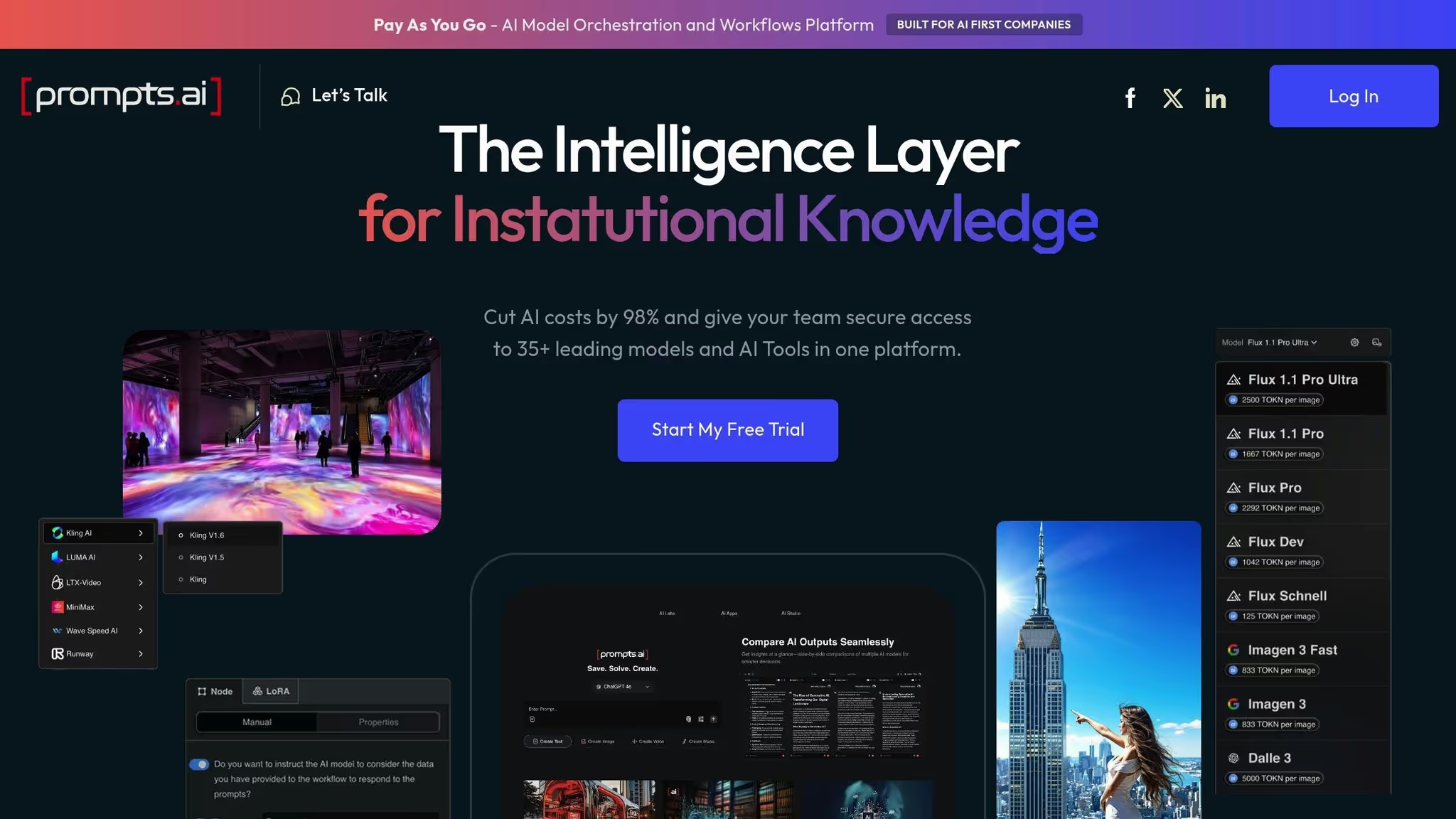
Prompts.ai एक एकीकृत AI ऑर्केस्ट्रेशन प्लेटफ़ॉर्म है जिसे कई मशीन लर्निंग टूल के प्रबंधन की जटिलताओं को सरल बनाने के लिए डिज़ाइन किया गया है। 35 से अधिक प्रमुख AI मॉडल तक सुरक्षित पहुंच के साथ, जिसमें शामिल हैं जीपीटी-4, क्लाउड, लामा, और युग्म, एक ही इंटरफ़ेस के माध्यम से, प्लेटफ़ॉर्म संगठनों को AI परियोजनाओं को कारगर बनाने और टूल ओवरलोड की चुनौती से निपटने में मदद करता है। आइए उन विशेषताओं के बारे में जानें, जो Prompts.ai को एक असाधारण समाधान बनाती हैं।
प्लेटफ़ॉर्म की प्रमुख शक्तियों में से एक यह है कि विभिन्न प्रकार के AI फ्रेमवर्क को एक एकल, समेकित प्रणाली में एकीकृत करने की क्षमता है। Prompts.ai उपयोगकर्ताओं को इमेज जनरेशन और एनीमेशन जैसे कार्यों के लिए टूल से जोड़ता है, जिसमें इंटीग्रेशन शामिल हैं मिडजर्नी, गूगल डीपमाइंड इमेजएफएक्स, फ्लक्स 1 के माध्यम से कॉम्फी यूआई, रेव एआई, क्लिंग एआई, लूमा एआई और गूगल डीपमाइंड वीओ 2। उदाहरण के लिए, फ्रीलांस एआई के निदेशक, जोहान्स वी. ने ब्रेइटलिंग के लिए प्रचार वीडियो और लोरा-उन्नत बीएमडब्ल्यू कॉन्सेप्ट कार वीडियो बनाने के लिए कई टूल को मिलाकर प्लेटफ़ॉर्म की बहुमुखी प्रतिभा का प्रदर्शन किया।
Prompts.ai अपने शक्तिशाली वर्कफ़्लो स्वचालन सुविधाओं के माध्यम से बिखरे हुए AI कार्यों को सुव्यवस्थित, दोहराने योग्य प्रक्रियाओं में बदल देता है। इसके “इंटरऑपरेबल वर्कफ़्लोज़” उपयोगकर्ताओं को AI एजेंट बनाने की अनुमति देते हैं जो जटिल, बहु-चरणीय प्रक्रियाओं को स्वचालित रूप से संभालते हैं। सदस्यता स्तर के आधार पर, टीमें या तो पे-एज़-यू-गो आधार पर प्रीबिल्ट वर्कफ़्लो का उपयोग कर सकती हैं या लचीलेपन की अलग-अलग डिग्री के साथ कस्टम वर्कफ़्लो डिज़ाइन कर सकती हैं।
Prompts.ai एंटरप्राइज़ गवर्नेंस पर ज़ोर देता है। अनुपालन को ध्यान में रखते हुए बनाया गया, प्लेटफ़ॉर्म डेटा सुरक्षा सुनिश्चित करने के लिए SOC 2 टाइप II, HIPAA और GDPR फ्रेमवर्क से सर्वोत्तम प्रथाओं को शामिल करता है। इसने अपनी SOC 2 टाइप II ऑडिट प्रक्रिया भी शुरू की है और निरंतर नियंत्रण निगरानी के लिए Vanta के साथ काम करता है। उपयोगकर्ता ट्रस्ट सेंटर (https://trust.prompts.ai/) के माध्यम से वास्तविक समय में अपनी सुरक्षा स्थिति को ट्रैक कर सकते हैं, जो नीतियों, नियंत्रणों और अनुपालन उपायों पर अपडेट प्रदान करता है। व्यवसायों के लिए, “अनुपालन निगरानी” और “गवर्नेंस एडमिनिस्ट्रेशन” जैसी अतिरिक्त सुविधाएं सभी AI गतिविधियों की व्यापक निगरानी प्रदान करती हैं।
“गवर्न एट स्केल: सभी AI इंटरैक्शन में पूर्ण दृश्यता और ऑडिटेबिलिटी।” - Prompts.ai
लागत का प्रबंधन Prompts.ai का एक महत्वपूर्ण फोकस है। 35 से अधिक AI टूल तक पहुंच को केंद्रीकृत करके और डिस्कनेक्टेड सब्सक्रिप्शन को बदलकर, प्लेटफ़ॉर्म AI खर्चों को 98% तक कम करने और कुल लागत में 95% की कटौती करने का दावा करता है। इसका पे-एज़-यू-गो TOKN मॉडल वास्तविक उपयोग के साथ खर्च को संरेखित करता है, जिससे यह उतार-चढ़ाव वाले वर्कलोड वाली टीमों के लिए विशेष रूप से फायदेमंद है।
“Prompts.ai के LoRas और वर्कफ़्लोज़ के साथ, वह अब एक ही दिन में रेंडर और प्रस्ताव पूरा करता है - अब और इंतज़ार नहीं, हार्डवेयर अपग्रेड पर और जोर नहीं देता।” - स्टीवन सिमंस, सीईओ और संस्थापक
Prompts.ai लचीले परिनियोजन विकल्पों के साथ विभिन्न बुनियादी ढाँचे की ज़रूरतों को पूरा करता है। व्यक्तिगत योजनाएँ मुफ़्त से लेकर $99 प्रति माह तक होती हैं, जबकि व्यावसायिक योजनाओं की कीमत $99 से $129 प्रति सदस्य मासिक के बीच होती है। इसके अतिरिक्त, प्लेटफ़ॉर्म में बड़े भाषा मॉडल की साथ-साथ तुलना करने के लिए एक सुविधा शामिल है, जो कथित तौर पर टीम की उत्पादकता को 10× बढ़ाता है।
“रचनात्मक दृष्टि के साथ एआई का सम्मिश्रण करने वाले एक वास्तुकार को एक बार समय लेने वाली ड्राफ्टिंग प्रक्रियाओं पर निर्भर रहना पड़ता था। अब, Prompts.ai पर अलग-अलग LLM की साथ-साथ तुलना करके, वह नवीन, स्वप्निल अवधारणाओं की खोज करते हुए जटिल परियोजनाओं को जीवन में ला सकती है।” - Ar। जून चाउ, आर्किटेक्ट
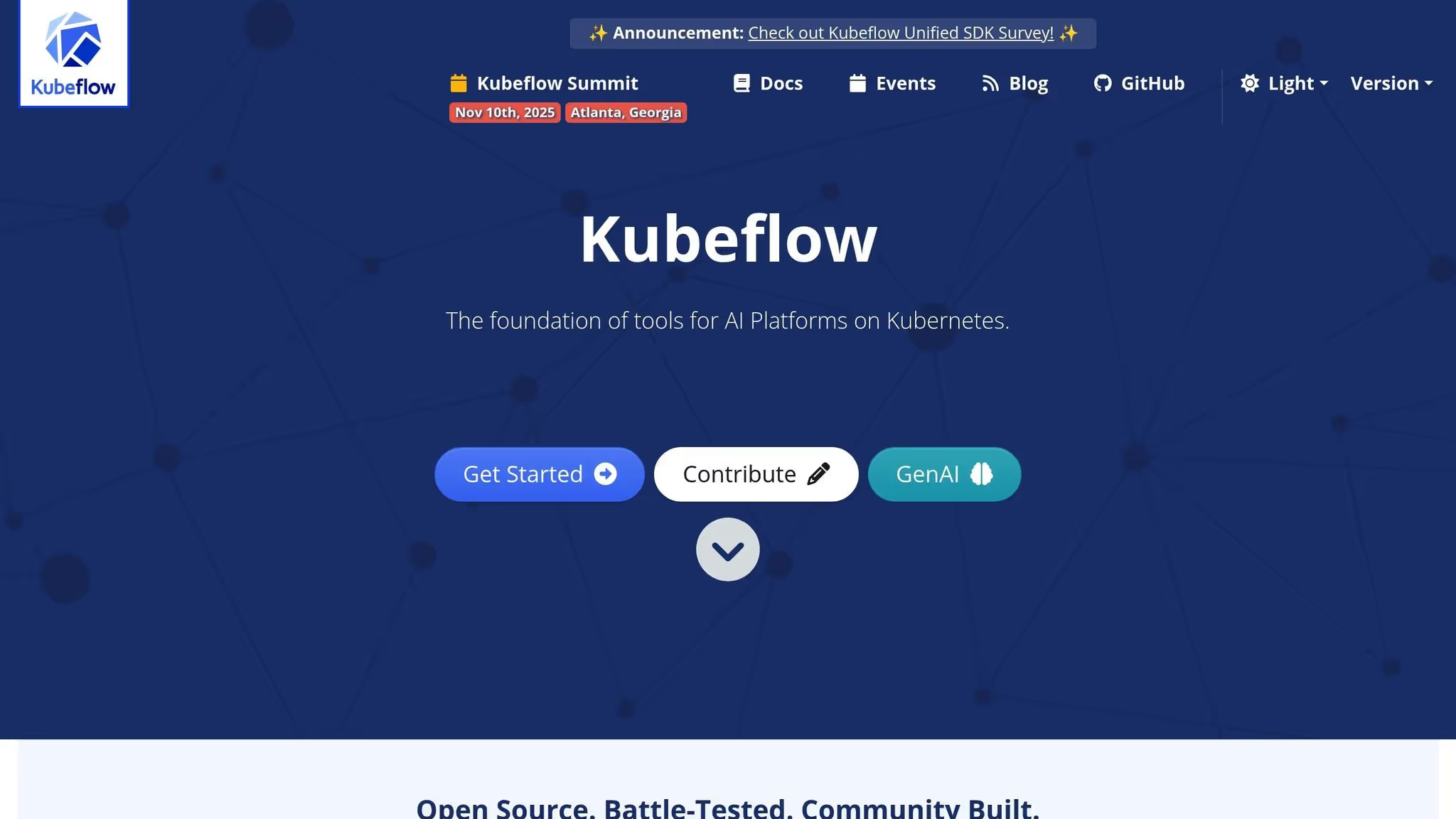
Kubeflow कुबेरनेट्स पर बनाया गया एक ओपन-सोर्स प्लेटफ़ॉर्म है, जिसे कंटेनर ऑर्केस्ट्रेशन का उपयोग करके मशीन लर्निंग (ML) वर्कफ़्लो को कारगर बनाने और स्केल करने के लिए डिज़ाइन किया गया है। इसने बड़े पैमाने पर एमएल ऑपरेशंस का प्रबंधन करने वाले संगठनों के बीच आकर्षण हासिल किया है।
Kubeflow के साथ, डेटा विज्ञान टीमें पाइपलाइनों को परिभाषित करके जटिल ML वर्कफ़्लो को स्वचालित कर सकती हैं, जो डेटा प्रीप्रोसेसिंग, मॉडल प्रशिक्षण, सत्यापन और परिनियोजन जैसे विभिन्न चरणों को मूल रूप से एकीकृत करती हैं। उदाहरण के लिए, Kubeflow संपूर्ण ML जीवनचक्र को संभाल सकता है - डेटा तैयार करने और वितरित GPU प्रशिक्षण आयोजित करने से लेकर मॉडल को मान्य करने और उन्हें तैनात करने तक - जबकि ताज़ा डेटा उपलब्ध होने पर संसाधन आवंटन, वर्जनिंग और रीट्रेनिंग मॉडल जैसे कार्यों का प्रबंधन भी कर सकता है।
Kubeflow विभिन्न वातावरणों में ML वर्कफ़्लो को परिनियोजित करने की अपनी क्षमता के लिए विशिष्ट है, चाहे वह स्थानीय रूप से, ऑन-प्रिमाइसेस, या क्लाउड में, महत्वपूर्ण आर्किटेक्चरल समायोजन के बिना हो। इसका Kubernetes-नेटिव फ्रेमवर्क Kubernetes इकोसिस्टम और प्रमुख क्लाउड प्रदाताओं के साथ आसानी से एकीकृत हो जाता है, जिससे टीमें कई इन्फ्रास्ट्रक्चर में अपने ऑपरेशन को स्केल कर सकती हैं। यह लचीलापन कई प्रकार की परिनियोजन आवश्यकताओं का समर्थन करता है, हालांकि लागतों को प्रबंधनीय बनाए रखना अपने स्वयं के विचारों को प्रस्तुत करता है।
एक ओपन-सोर्स टूल के रूप में, Kubeflow लाइसेंस शुल्क को समाप्त करता है, जिसका अर्थ है कि लागत मुख्य रूप से Kubernetes और क्लाउड संसाधन उपयोग से जुड़ी होती है। इसका कुशल संसाधन प्रबंधन गणना खर्चों को कम करने में मदद करता है। हालांकि, Kubeflow को स्थापित करने और बनाए रखने के लिए Kubernetes में विशेषज्ञता की आवश्यकता होती है, जिसके कारण अतिरिक्त स्टाफिंग या प्रशिक्षण निवेश हो सकते हैं।
Apache Airflow एक ओपन-सोर्स प्लेटफ़ॉर्म है जिसे प्रोग्रामेटिक रूप से लिखने, शेड्यूल करने और वर्कफ़्लो की निगरानी करने के लिए डिज़ाइन किया गया है, जिससे यह डेटा पाइपलाइनों के प्रबंधन के लिए एक शक्तिशाली उपकरण बन जाता है। ML एक्सटेंशन के जुड़ने के साथ, यह सीधे Airflow वातावरण में मॉडल प्रशिक्षण, मूल्यांकन और परिनियोजन जैसे कार्यों के सुचारू एकीकरण को सक्षम करके एक कदम आगे बढ़ता है।
ये एक्सटेंशन अपाचे एयरफ्लो को पूरी मशीन लर्निंग पाइपलाइन को ऑर्केस्ट्रेट करने के लिए एक व्यापक समाधान के रूप में आगे बढ़ाते हैं, प्रक्रिया को शुरू से अंत तक सुव्यवस्थित करते हैं।
डोमिनोज़ डेटा लैब एंटरप्राइज़ डेटा साइंस के अनुरूप एक प्लेटफ़ॉर्म प्रदान करता है, जिसे स्केलेबल मशीन लर्निंग वर्कफ़्लो का समर्थन करने के लिए डिज़ाइन किया गया है। हालांकि यह एंटरप्राइज़ स्तर पर एमएल प्रक्रियाओं को सरल बनाता है, लेकिन इसके सार्वजनिक रूप से उपलब्ध दस्तावेज़ों में महत्वपूर्ण ऑर्केस्ट्रेशन तत्वों को संबोधित करने में कमी आती है। स्वचालित पाइपलाइन प्रबंधन, शासन के उपाय, मल्टी-क्लाउड परिनियोजन क्षमता और लागत प्रबंधन जैसे प्रमुख क्षेत्र पूरी तरह से विस्तृत नहीं हैं। इन सुविधाओं की गहरी समझ हासिल करने के लिए, विक्रेता के मालिकाना संसाधनों का पता लगाना उचित है। अधिक पारदर्शी फ़ीचर विवरण वाले अन्य प्लेटफ़ॉर्म की तुलना में, सार्वजनिक विवरण की कमी के कारण एंटरप्राइज़ अनुप्रयोगों के लिए इसकी उपयुक्तता का पूरी तरह से आकलन करने के लिए अतिरिक्त शोध की आवश्यकता हो सकती है।
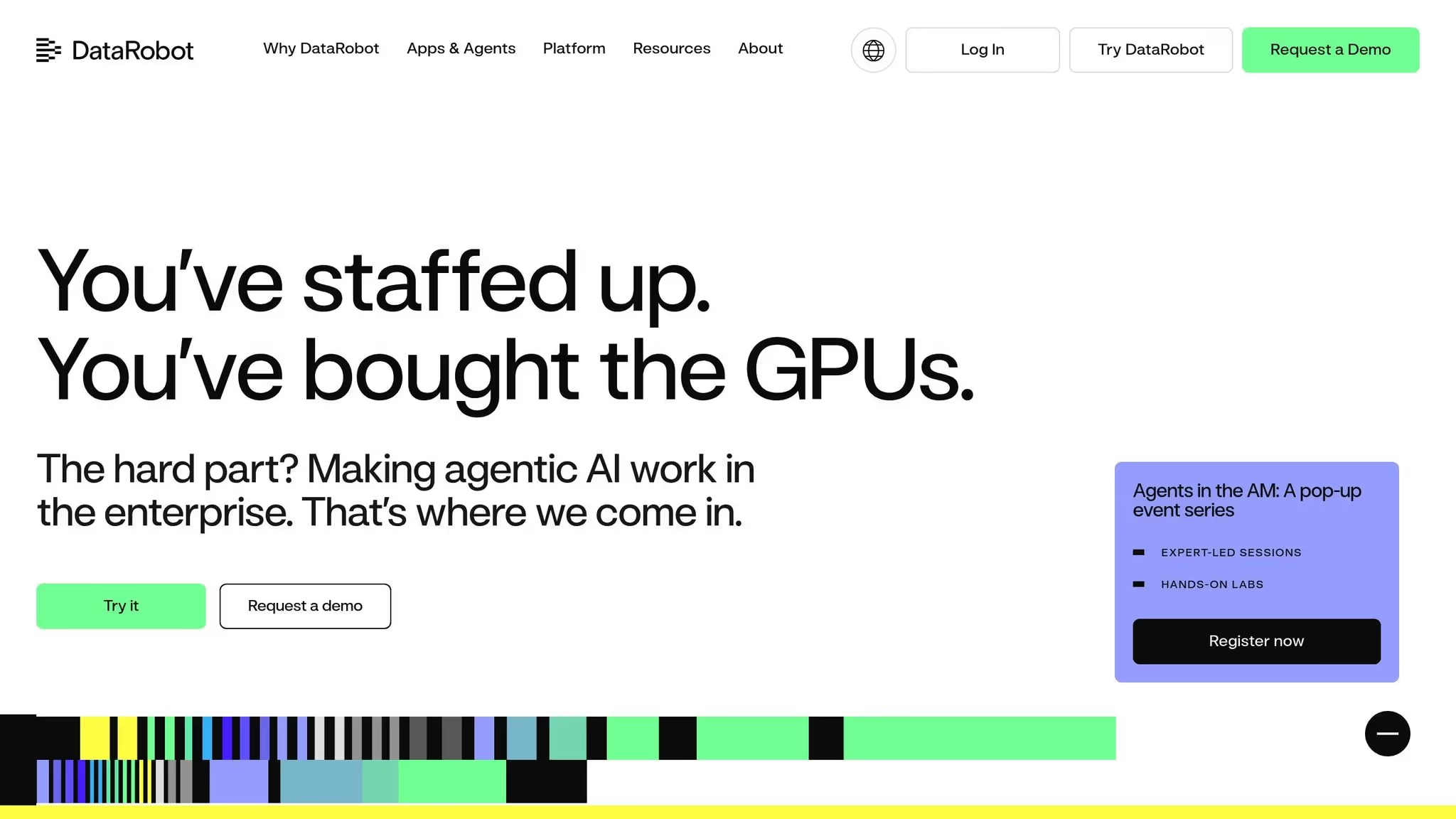
DataRobot AI प्लेटफ़ॉर्म उन उद्यमों के लिए डिज़ाइन किया गया है जो सख्त निरीक्षण करते हुए मशीन लर्निंग प्रक्रियाओं को कारगर बनाना चाहते हैं। यह मशीन सीखने के कार्यों को स्वचालित करने पर केंद्रित है और विकास जीवनचक्र के हर चरण में पारदर्शिता और नियंत्रण सुनिश्चित करता है।
शासन पर जोर देने के साथ, प्लेटफ़ॉर्म स्वचालित रूप से मॉडल विकास के हर चरण को ट्रैक और रिकॉर्ड करता है, जिससे विस्तृत ऑडिट ट्रेल्स बनते हैं। यह न केवल जवाबदेही का समर्थन करता है बल्कि विनियामक आवश्यकताओं के अनुपालन को भी सरल बनाता है। इसके अतिरिक्त, बिल्ट-इन टूल मॉडल भविष्यवाणियों में संभावित पूर्वाग्रहों को पहचानने और उन्हें दूर करने में मदद करते हैं, जबकि भूमिका-आधारित एक्सेस नियंत्रण संवेदनशील डेटा की सुरक्षा करते हैं और यह सुनिश्चित करते हैं कि केवल अधिकृत यूज़र के पास ही पहुंच हो। ये सुविधाएं उच्च विनियामक और सुरक्षा मानकों को बनाए रखने के लिए मिलकर काम करती हैं।
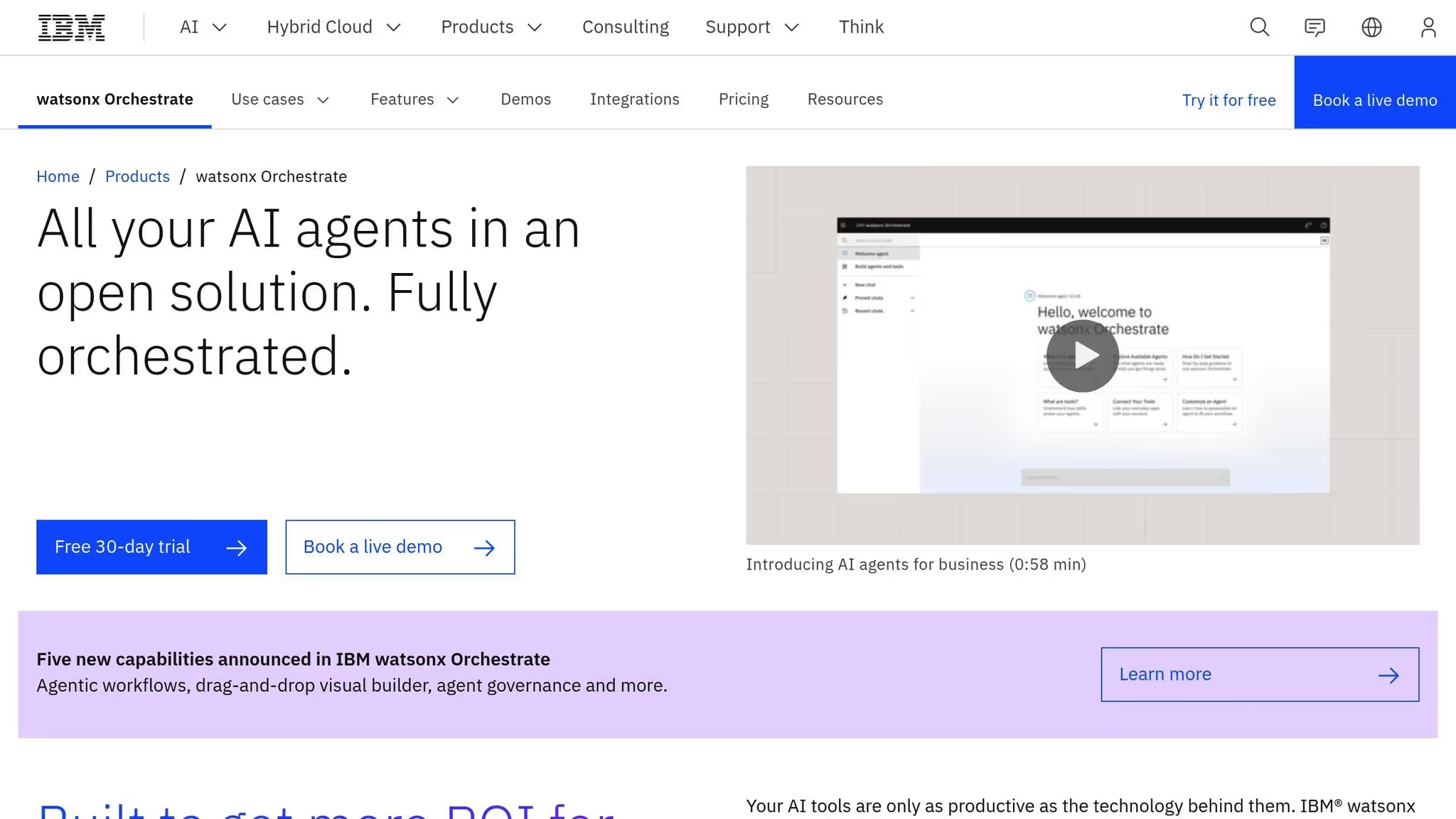
IBM watsonx Orchestrate को इसके मूल में उद्यम सुरक्षा और अनुपालन के साथ डिज़ाइन किया गया है। डेवलपर-केंद्रित टूल के विपरीत, यह प्लेटफ़ॉर्म IT और व्यावसायिक टीमों के लिए तैयार किया गया है, जो सख्त शासन बनाए रखते हुए AI वर्कफ़्लो को स्वचालित करने के लिए एक विश्वसनीय समाधान की तलाश कर रहे हैं। यह मौजूदा सिस्टम के साथ सहजता से एकीकृत हो जाता है, जिससे यह उन संगठनों के लिए एक आदर्श विकल्प बन जाता है जहां सुरक्षा और अनुपालन सर्वोच्च प्राथमिकताएं हैं।
आईबीएम के वाटसनक्स एआई और डेटा प्लेटफॉर्म इकोसिस्टम से उभरते हुए, वाटसनक्स ऑर्केस्ट्रेट एआई ऑपरेशंस में पारदर्शिता पर जोर देता है। ट्रस्ट और गवर्नेंस पर इसका फोकस इसे विशेष रूप से वित्तीय सेवाओं, स्वास्थ्य देखभाल और सरकार जैसे उद्योगों के लिए उपयुक्त बनाता है, जहां विनियामक आवश्यकताएं महत्वपूर्ण हैं।
प्लेटफ़ॉर्म डेटा प्रीप्रोसेसिंग, मॉडल परिनियोजन और प्रदर्शन निगरानी जैसे विभिन्न चरणों को जोड़कर जटिल एंटरप्राइज़ AI वर्कफ़्लो को स्वचालित करने में चमकता है। यह डेटा स्रोतों, प्रोसेसिंग टूल और व्यावसायिक अनुप्रयोगों को जोड़ता है, जिससे वर्कफ़्लो को मैन्युअल हस्तक्षेप के बिना सभी विभागों में आसानी से स्थानांतरित किया जा सकता है।
वर्कफ़्लो परिणामों के आधार पर जटिल निर्भरताओं को प्रबंधित करने और क्रियाओं को ट्रिगर करने की इसकी क्षमता एक असाधारण विशेषता है। सशर्त तर्क टीमों को ऐसे वर्कफ़्लो बनाने की अनुमति देता है जो गतिशील रूप से बदलती परिस्थितियों या डेटा गुणवत्ता संबंधी चिंताओं के अनुकूल होते हैं, जिससे कुशल और प्रतिक्रियाशील संचालन सुनिश्चित होता है।
गवर्नेंस आईबीएम वॉटसन ऑर्केस्ट्रेट की आधारशिला है। इसमें वर्कफ़्लो, डेटा और मॉडल आउटपुट में अनुमतियों को प्रबंधित करने के लिए भूमिका-आधारित एक्सेस नियंत्रण शामिल हैं। प्रत्येक क्रिया स्वचालित रूप से ऑडिट ट्रेल्स के माध्यम से लॉग इन हो जाती है, जिससे संगठनों को अनुपालन मानकों को पूरा करने में मदद मिलती है। समय-समय पर स्वीकृतियां और अंतर्निहित पॉलिसी इंजन जैसी सुविधाएं परिचालन सुरक्षा उपायों को लागू करती हैं, जिससे विनियमित उद्योगों के लिए अनुपालन प्रक्रिया आसान हो जाती है।
शासन के ये मजबूत साधन इसे पारंपरिक ओपन-सोर्स विकल्पों से अलग करते हैं, जो अक्सर वित्त और स्वास्थ्य सेवा जैसे उद्योगों की सख्त अनुपालन आवश्यकताओं को पूरा करने में विफल हो जाते हैं।
IBM watsonx Orchestrate हाइब्रिड क्लाउड और ऑन-प्रिमाइसेस परिनियोजन विकल्पों के साथ लचीलापन प्रदान करता है, जो अलग-अलग सुरक्षा और प्रदर्शन आवश्यकताओं को पूरा करता है। इसका REST API एंटरप्राइज़ सिस्टम की एक विस्तृत श्रृंखला के साथ एकीकरण का समर्थन करता है, जिससे संगठनात्मक ज़रूरतों के विकसित होने पर स्केलेबिलिटी सुनिश्चित होती है।
यह लचीलापन व्यवसायों को अपनी मौजूदा सुरक्षा और अनुपालन उपायों से समझौता किए बिना उन्नत ऑर्केस्ट्रेशन क्षमताओं को अपनाने की अनुमति देता है, जिससे नवाचार और जोखिम प्रबंधन के बीच की खाई को कम किया जा सकता है।
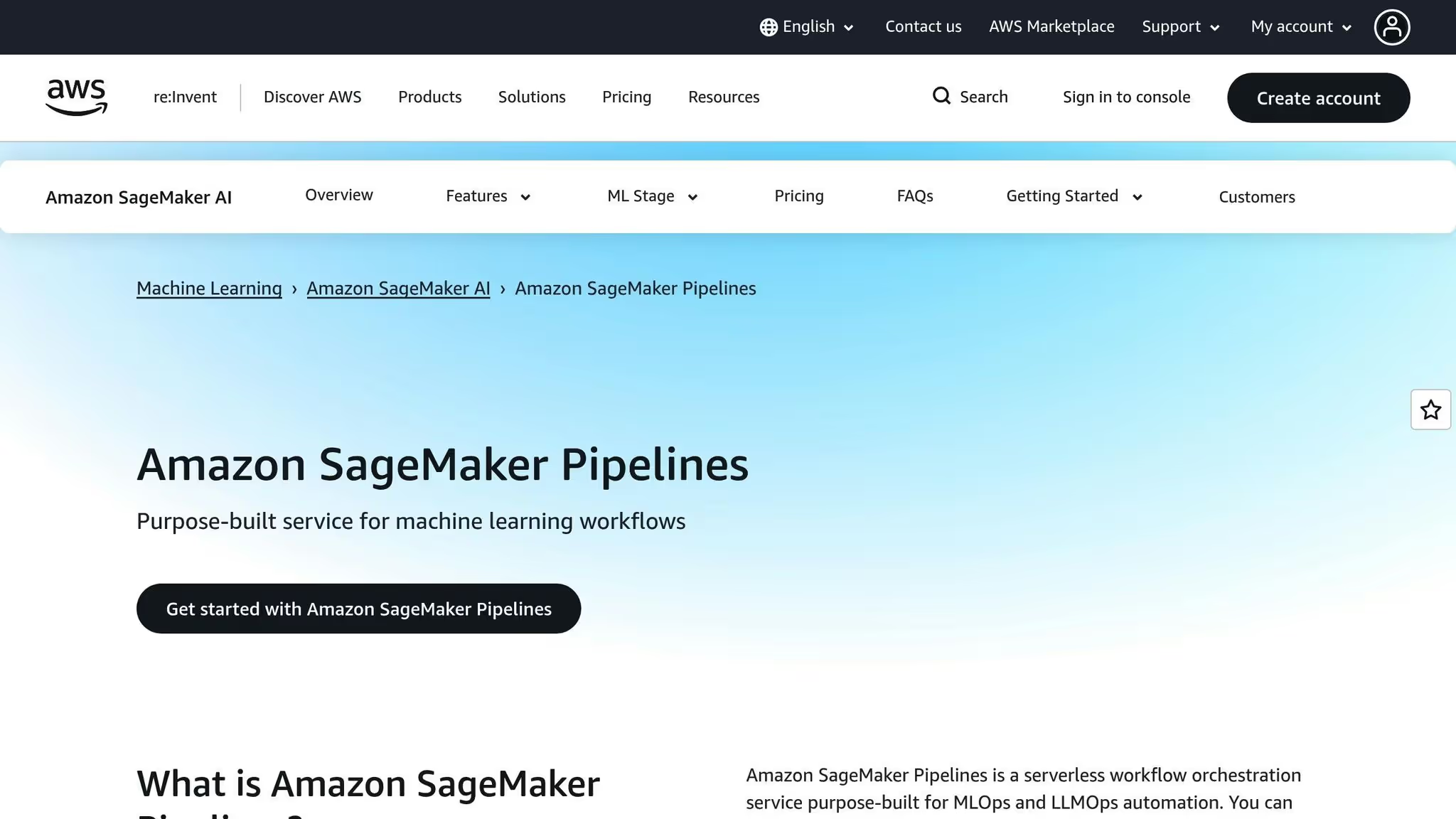
AWS SageMaker पाइपलाइन मशीन लर्निंग वर्कफ़्लो को स्वचालित करने की प्रक्रिया को सुव्यवस्थित करती है, जो उद्यम की ज़रूरतों के लिए एक सुरक्षित और कुशल समाधान प्रदान करती है। विज़ुअल डिज़ाइनर और SDK का लाभ उठाकर, यह श्रम-गहन कार्यों को दोहराने योग्य, स्वचालित प्रक्रियाओं में बदल देता है। सेवा निर्भरता को स्वचालित रूप से प्रबंधित करके सुचारू रूप से निष्पादन सुनिश्चित करती है, प्रत्येक चरण को केवल तभी चलाया जाता है जब इसकी आवश्यक शर्तें पूरी हो जाती हैं। विज़ुअल डिज़ाइन और स्वचालित वर्कफ़्लो के लिए यह दृष्टिकोण निर्बाध और इंटरकनेक्टेड AI सिस्टम की बढ़ती मांग को दर्शाता है।

एज़्योर मशीन लर्निंग एमएलओपीएस एज़्योर पर मशीन लर्निंग वर्कफ़्लो के प्रबंधन के लिए एक मजबूत समाधान प्रदान करता है। एडवांस ऑटोमेशन को एंटरप्राइज़-लेवल गवर्नेंस के साथ मिलाकर, यह उन संगठनों को पूरा करता है जो अनुपालन और परिचालन दक्षता को प्राथमिकता देते हैं।
एज़्योर मशीन लर्निंग एमएलओपीएस मशीन लर्निंग पाइपलाइनों के निर्माण और प्रबंधन को सरल बनाता है एज़्योर डेटा फैक्ट्री (एडीएफ)। विज़ुअल और कोड-आधारित दोनों टूल के साथ, ADF उपयोगकर्ताओं को एंड-टू-एंड वर्कफ़्लो को आसानी से डिज़ाइन करने, शेड्यूल करने और ऑर्केस्ट्रेट करने में सक्षम बनाता है।
बड़े पैमाने पर वितरित AI वर्कफ़्लोज़ के लिए, प्लेटफ़ॉर्म शामिल करता है सिनैप्स ईएमएल। यह एकीकरण उपयोग करता है अपाचे स्पार्क और बड़े डेटा वातावरण को संभालने के लिए क्लाउड डेटा वेयरहाउस, स्केलेबल मॉडल परिनियोजन और एनालिटिक्स सुनिश्चित करते हैं। इसके अतिरिक्त, प्लेटफ़ॉर्म MLFlow क्लाइंट इंटीग्रेशन का समर्थन करता है, जिससे उपयोगकर्ता MLFlow API के माध्यम से लगातार प्रयोग, मॉडल और मेट्रिक्स लॉग कर सकते हैं। यह मशीन लर्निंग लाइफसाइकल के सभी चरणों में सुचारू ट्रैकिंग और समन्वय सुनिश्चित करता है। ये ऑटोमेशन टूल Azure की अनुपालन सुविधाओं के साथ-साथ निर्बाध रूप से काम करते हैं।
Azure Machine Learning MLOps परिवर्तनों को ट्रैक करने और रोलबैक की सुविधा के लिए भूमिका-आधारित एक्सेस नियंत्रण, एन्क्रिप्शन और संपूर्ण डेटा संस्करण को लागू करके विनियमित उद्योगों की कठोर आवश्यकताओं को पूरा करता है। इसमें जिम्मेदार AI के लिए टूल भी शामिल हैं, जिसमें मॉडल की व्याख्या, पूर्वाग्रह का पता लगाने और निष्पक्षता मेट्रिक्स शामिल हैं, जो संगठनों को नैतिक और पारदर्शी AI प्रथाओं को बनाए रखने में मदद करते हैं।
हर समाधान अपनी खूबियों और समझौतों के साथ आता है, जिससे चुनाव आपकी विशिष्ट आवश्यकताओं, बजट और तकनीकी विशेषज्ञता पर अत्यधिक निर्भर हो जाता है। समाधान समीक्षाओं की मुख्य बातों का विवरण नीचे दिया गया है।
एंटरप्राइज़-ग्रेड प्लेटफ़ॉर्म, जैसे कि Prompts.ai, कई AI मॉडल को एकीकृत करके वर्कफ़्लो को सरल बनाता है और AI की लागत को 98% तक घटा सकता है।
ओपन-सोर्स समाधान, जिसमें क्यूबफ्लो और अपाचे एयरफ्लो शामिल हैं, मजबूत सामुदायिक सहायता द्वारा समर्थित लचीलापन और अनुकूलन प्रदान करते हैं। हालांकि, उन्हें महत्वपूर्ण सेटअप प्रयास और उन्नत तकनीकी कौशल की आवश्यकता होती है।
क्लाउड-नेटिव ऑफ़र जैसे एडब्ल्यूएस सेजमेकर पाइपलाइन और एज़्योर मशीन लर्निंग एमएलओपी अपने संबंधित इकोसिस्टम में मूल रूप से एकीकृत हो जाते हैं, लेकिन मल्टी-क्लाउड वातावरण के लिए वेंडर लॉक-इन और उच्च लागत का कारण बन सकते हैं।
यह तालिका लागत, जटिलता और शासन जैसे कारकों पर ध्यान केंद्रित करते हुए प्रत्येक प्लेटफ़ॉर्म की ताकत और सीमाओं पर प्रकाश डालती है।
लागत संरचनाओं, तकनीकी मांगों और शासन क्षमताओं में अंतर आश्चर्यजनक है। उदाहरण के लिए, Prompts.ai जैसे पे-एज़-यू-गो प्लेटफ़ॉर्म वास्तविक उपयोग के साथ खर्चों को संरेखित करते हैं, जबकि ओपन-सोर्स विकल्प जैसे कि Kubeflow को सेटअप और प्रबंधन के लिए उन्नत विशेषज्ञता की आवश्यकता होती है। एंटरप्राइज़ प्लेटफ़ॉर्म में आमतौर पर अंतर्निहित ऑडिट ट्रेल्स और भूमिका-आधारित एक्सेस नियंत्रण शामिल होते हैं, जबकि ओपन-सोर्स टूल को अक्सर कस्टम अनुपालन समाधानों की आवश्यकता होती है। ये अंतर आपके मशीन लर्निंग प्रोजेक्ट के लिए सबसे अच्छे विकल्प की ओर आपका मार्गदर्शन कर सकते हैं।
मशीन लर्निंग प्रोजेक्ट्स के लिए सही ऑर्केस्ट्रेशन समाधान चुनना आपके संगठन की विशिष्ट प्राथमिकताओं, तकनीकी विशेषज्ञता और बजट पर निर्भर करता है।
आखिरकार, सबसे अच्छा विकल्प प्लेटफ़ॉर्म की विशेषताओं को आपके संगठन के लक्ष्यों और संसाधनों के साथ संरेखित करना है।
अपनी मशीन लर्निंग प्रोजेक्ट्स के लिए ऑर्केस्ट्रेशन समाधान चुनते समय, उन कारकों को प्राथमिकता देना महत्वपूर्ण है जो आपकी टीम के वर्कफ़्लो और प्रोजेक्ट उद्देश्यों से मेल खाते हैं। यह सुनिश्चित करके शुरू करें आपके वर्तमान तकनीकी स्टैक के साथ संगतता - यह एकीकरण को सहज बनाएगा और सेटअप सिरदर्द को कम करेगा। उतना ही महत्वपूर्ण है उपयोग में आसानी, जो आपकी टीम को प्लेटफ़ॉर्म के साथ तेज़ी से और कुशलता से गति प्रदान करने की अनुमति देता है।
जैसी सुविधाओं की तलाश करें वर्कफ़्लो ऑटोमेशन, वास्तविक समय की निगरानी, और चेतावनी देने वाले उपकरण संचालन को आसान बनाने और संभावित मुद्दों को आगे बढ़ने से पहले उनसे निपटने के लिए। अंत में, यह आकलन करें कि समाधान संभाल सकता है या नहीं मापनीयता और अपनी टीम के विकास का समर्थन करें क्योंकि समय के साथ आपकी मशीन सीखने की पहल का विस्तार होता है।
Prompts.ai शीर्ष स्तरीय अनुपालन मानकों को बनाए रखता है जैसे एसओसी 2 टाइप II, हिपा, और जीडीपीआर, यह सुनिश्चित करना कि आपका डेटा हर चरण में सुरक्षित रहे। वांटा के साथ एकीकरण करके, प्लेटफ़ॉर्म सुरक्षा नियंत्रणों की निरंतर निगरानी को सक्षम बनाता है, जो अनुपालन का निरंतर आश्वासन देता है।
मजबूत शासन और उद्यम-स्तरीय सुरक्षा के प्रति अपने समर्पण के हिस्से के रूप में, Prompts.ai ने इसकी शुरुआत की SOC 2 टाइप II ऑडिट प्रक्रिया 19 जून, 2025 को
Prompts.ai आपको लागत में अधिकतम कटौती करने में सक्षम बनाता है 95% 35 से अधिक AI टूल को एक कुशल प्लेटफ़ॉर्म में एक साथ लाकर। इन टूल को समेकित करके, आप अपने ऑपरेशन को सरल बनाते हुए कई सदस्यताओं को प्रबंधित करने की परेशानी और खर्च को समाप्त कर सकते हैं।
इसके साथ पे-एज़-यू-गो प्राइसिंग मॉडल, आप केवल वही भुगतान करते हैं जो आप उपयोग करते हैं, जिससे आपको अपनी आवश्यकताओं के साथ खर्चों को संरेखित करने की सुविधा मिलती है। इससे भी अधिक बचत के लिए, आप वार्षिक प्लान का विकल्प चुन सकते हैं, जो एक प्लान के साथ आता है 10% की छूट, जो इसे दीर्घकालिक प्रतिबद्धताओं के लिए एक स्मार्ट विकल्प बनाता है।