Pay As You GoPrueba gratuita de 7 días; no se requiere tarjeta de crédito


Las plataformas de orquestación de IA son la columna vertebral de los flujos de trabajo de IA eficientes, ya que garantizan herramientas como GPT-5, Claudio, y Llama trabajen juntos de manera eficaz. La elección de la plataforma adecuada depende de sus necesidades de administración de costos, cumplimiento y escalabilidad. Este es un desglose rápido:
Cada opción tiene puntos fuertes y desventajas. Prompts.ai destaca por su acceso unificado a múltiples modelos de IA, su ahorro de costes y sus sólidas funciones de cumplimiento, lo que lo convierte en la mejor opción para las empresas que están ampliando sus operaciones de IA.
Profundicemos en lo que hace que estas plataformas funcionen.

Comparación de plataformas de orquestación de IA: características, costos y escalabilidad
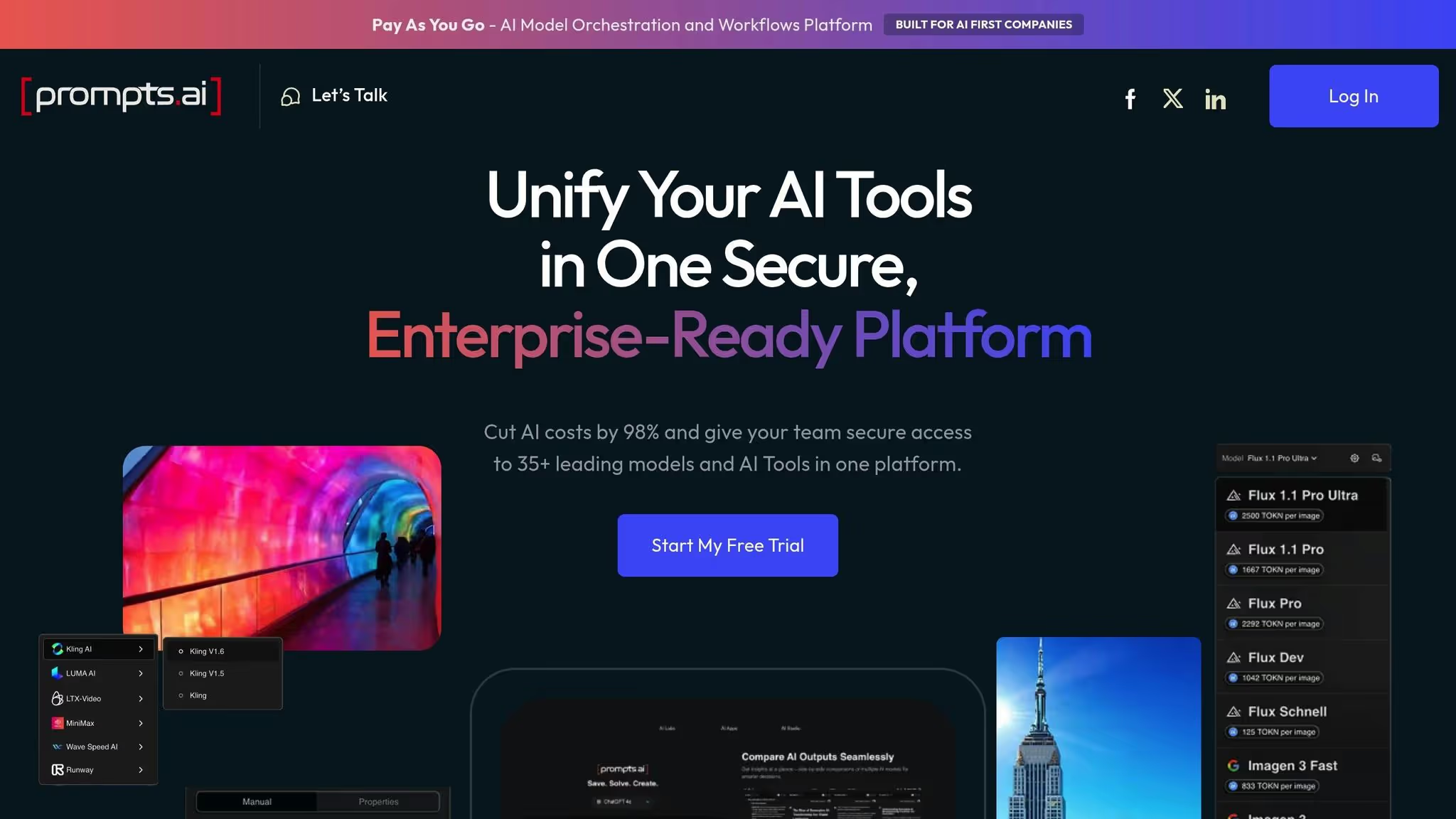
Prompts.ai reúne más de 35 modelos lingüísticos de gran tamaño en una plataforma segura y centralizada. Al proporcionar una interfaz única para acceder a estas herramientas, elimina el caos que supone tener que hacer malabares con varios sistemas, lo que hace que las implementaciones de IA sean más fluidas y eficientes. Este enfoque simplificado permite mejorar la integración, el control de los costos y el cumplimiento.
Con su arquitectura independiente del modelo, Prompts.ai le permite cambiar de proveedor en cuestión de segundos. Tanto si comparas las capacidades analíticas de GPT-5 con las de escritura creativa de Claude como si utilizas LLama para realizar tareas por lotes rentables, no es necesario configurar API por separado. Esta adaptabilidad resulta especialmente útil cuando se lanzan nuevos modelos, ya que los equipos pueden probarlos en paralelo con instrucciones y flujos de trabajo reales. La plataforma también admite modelos especializados como Flux Pro para la generación de imágenes y Kling para vídeo, lo que lo hace perfecto para equipos creativos que gestionan proyectos multimodales. Al eliminar las barreras de integración, Prompts.ai mantiene los flujos de trabajo de IA funcionando sin problemas, lo que ahorra tiempo y esfuerzo y garantiza que todo se mantenga alineado.
Prompts.ai elimina las conjeturas a la hora de elaborar presupuestos de IA mediante el uso de administración centralizada de prontas y almacenamiento en caché inteligente para reducir el uso de tokens y evitar llamadas innecesarias a la API. Su función de cambio de modelo le permite equilibrar los costos y el rendimiento al dirigir las tareas más sencillas a modelos económicos y reservar las avanzadas para problemas complejos. El sistema de crédito TOKN de pago por uso reemplaza las suscripciones recurrentes y ofrece flexibilidad y transparencia. Según Prompts.ai, este enfoque puede reducir los costos del software de inteligencia artificial hasta en un 98% en comparación con la administración de varios proveedores.
Para las organizaciones que navegan por normas estrictas, Prompts.ai incorpora pistas de auditoría y controles de acceso directamente en sus flujos de trabajo. Cada acción, ya sea una ejecución rápida, la selección de un modelo o la actividad del equipo, se registra, lo que crea los registros detallados que requieren los equipos de cumplimiento. Los datos confidenciales permanecen en su entorno seguro, ya que la plataforma gestiona los procesos sin almacenar información confidencial. Este diseño es especialmente importante para sectores como el sanitario, que debe cumplir con la HIPAA, o para las instituciones financieras que se rigen por el SOC 2, donde las filtraciones de datos pueden tener graves consecuencias legales.
Prompts.ai está diseñado para crecer con sus necesidades. Con el aprovisionamiento instantáneo y los paneles de FinOps en tiempo real, la escalabilidad entre usuarios, modelos o departamentos es rápida y eficiente. La plataforma también ofrece un programa de certificación inmediata para ingenieros y una biblioteca que permite ahorrar tiempo para promover las mejores prácticas. Tanto si se trata de una agencia creativa especializada como de una empresa incluida en la lista Fortune 500 que implementa la IA entre miles de usuarios, Prompts.ai se adapta sin esfuerzo a su escala.
Las herramientas de orquestación básicas están diseñadas para usuarios empresariales que necesitan flujos de trabajo de IA sencillos y sin código. Plataformas como Zapier y Parábola proporcionan interfaces de arrastrar y soltar, que permiten a los usuarios conectar modelos de IA a aplicaciones cotidianas en solo unos minutos. Por ejemplo, Zapier admite más de 8000 integraciones y más de 300 conexiones de herramientas específicas para la IA, lo que facilita la sincronización de datos entre sistemas de CRM, plataformas de comunicación y modelos lingüísticos extensos (LLM), como GPT-4o o Claudio 3.7. Estas herramientas eliminan la necesidad de costosos recursos de ingeniería o procesos de implementación prolongados, y ofrecen una forma sencilla de comenzar con los flujos de trabajo de IA. Si bien son excelentes para las tareas básicas, las soluciones empresariales ofrecen más control y escalabilidad.
Estas herramientas simplifican la integración de la IA mediante conectores prediseñados e interfaces sin código, lo que facilita la creación de flujos de trabajo sin conocimientos de codificación. Por ejemplo, puede dirigir las consultas de los clientes a Chat GPT para analizar los sentimientos y, a continuación, activar un correo electrónico de seguimiento a través de HubSpot - todo sin tocar una API. Un ejemplo notable es el de agosto de 2025, cuando Piscina, una empresa de tarjetas de presentación digitales, utilizó Zapier para organizar más de 100 flujos de trabajo automatizados. Estos flujos de trabajo incluían la categorización de clientes potenciales basada en inteligencia artificial en HubSpot y Fuerza de ventas, lo que permite a la empresa ahorrar 20 000$ al año al reemplazar una integración personalizada.
Para los equipos que necesitan más flexibilidad, los marcos centrados en los desarrolladores, como LangChain, proporcionan «cadenas» modulares para gestionar flujos de trabajo dinámicos y coordinar varios agentes. Sin embargo, estos marcos requieren conocimientos técnicos en lenguajes como Python o JavaScript.
Oferta básica de herramientas de orquestación precios de suscripción transparentes, lo que las convierte en una opción asequible para muchas empresas. Los planes comienzan desde tan solo 9 dólares al mes para Hacer y 19,99$ al mes para el plan Professional de Zapier. Esto supone un marcado contraste con plataformas empresariales como Alteryx, que puede costar 5.195 dólares por usuario al año. Además, estas herramientas ayudan a las empresas a evitar las tarifas ocultas y los costos de consultoría que suelen estar asociados a las soluciones de nivel empresarial. Por ejemplo, en 2025, UltraCamp usé Zapier para integrar ChatGPT y un analizador web para la incorporación de clientes. Esta configuración ahorró una hora de trabajo manual por cada nuevo cliente, lo que les permitió optimizar las operaciones sin contratar personal adicional. Sin embargo, las empresas deben tener cuidado con los modelos de precios basados en tareas, ya que los costos pueden aumentar rápidamente si los flujos de trabajo implican reintentos o grandes volúmenes de tareas.
Si bien las herramientas básicas carecen de la personalización de las soluciones empresariales, muchas vienen con funciones de seguridad esenciales como el control de acceso basado en roles (RBAC), el cumplimiento de SOC 2 y la compatibilidad con el GDPR. Esto los hace adecuados para equipos pequeños y medianos que trabajan con datos moderadamente confidenciales. Sin embargo, estas herramientas suelen operar los flujos de trabajo de la IA como cajas negras, lo que proporciona capacidades de auditoría limitadas. Si sus flujos de trabajo exigen una explicabilidad profunda (por ejemplo, comprender por qué una IA tomó una decisión en particular), es posible que deba considerar la posibilidad de utilizar plataformas empresariales con funciones de gobierno avanzadas.
Las herramientas básicas de orquestación sobresalen en flujos de trabajo sencillos que activan la acción que no requieren una transformación de datos extensa ni un razonamiento complejo. Son ideales para tareas como la asignación de clientes potenciales, la preparación de reuniones o la sincronización de los registros de clientes en todos los sistemas. Sin embargo, a medida que aumenten sus necesidades (por ejemplo, gestionar miles de usuarios o crear sistemas multiagente con lógica avanzada), es posible que encuentre limitaciones. Para requisitos más complejos, plataformas como Domo, que ha sido reconocida como líder en análisis y orquestación durante 31 trimestres consecutivos a finales de 2025, ofrecen una asignación dinámica de recursos para cerrar la brecha entre las herramientas básicas y la escalabilidad de nivel empresarial.
Las herramientas básicas pueden funcionar para tareas más pequeñas, pero las plataformas empresariales están diseñadas para las organizaciones que necesitan escalar los flujos de trabajo de la IA y, al mismo tiempo, mantener una supervisión estricta. Estas plataformas centralizan la administración, imponen el cumplimiento y garantizan una gobernanza sólida, lo que las hace ideales para equipos grandes. Tomemos como ejemplo a IBM watsonx Orchestrate: actúa como un supervisor y dirige las solicitudes a la herramienta o modelo lingüístico de gran tamaño más adecuado en tiempo real, lo que reduce las transferencias manuales.
Las plataformas empresariales brillan cuando se trata de integrar modelos. Ofrecen bibliotecas de modelos y pasarelas de IA integradas, que ayudan a evitar la dependencia de un solo proveedor. Por ejemplo, Amazon Bedrock brinda acceso a la impresionante cantidad de 83 modelos lingüísticos de gran tamaño. Esta configuración permite a las empresas cambiar entre los modelos básicos sin la necesidad de modificar los flujos de trabajo existentes. El auge de la «IA agencial», en la que los agentes toman decisiones de forma autónoma basándose en datos en tiempo real, resalta aún más el valor de estas plataformas a la hora de gestionar varios modelos a la vez. En el caso de las tareas críticas, como los resúmenes legales o financieros, los puntos de control independientes garantizan la precisión antes de finalizar las acciones.
Si bien las plataformas empresariales suelen tener un coste inicial más elevado, ofrecen ahorros a largo plazo al optimizar la administración y eliminar las redundancias. Por ejemplo, Amazon Bedrock utiliza un modelo de precios personalizado y basado en el uso, adaptado a las operaciones a gran escala. Además, la orquestación híbrida, que combina herramientas empresariales alojadas con modelos locales o de código abierto, ayuda a las organizaciones a equilibrar la privacidad de los datos, el rendimiento y el control de los costes. A diferencia de las herramientas básicas con tarifas mensuales fijas, las soluciones empresariales suelen requerir precios personalizados y pueden implicar gastos de consultoría para la configuración y la formación. Sin embargo, esta inversión se amortiza al ofrecer un control y un seguimiento avanzados, que se analizarán con más detalle en la siguiente sección.
La gobernanza eficaz es fundamental, especialmente en las industrias reguladas. Las plataformas empresariales destacan en áreas como el cumplimiento normativo y el seguimiento del origen de los datos, que son vitales para sectores como la sanidad y las finanzas. IBM watsonx Orchestrate, por ejemplo, ofrece un control de acceso basado en roles (RBAC), un despliegue de nube híbrida y registros de auditoría detallados, lo que lo convierte en una opción sólida para estos sectores. Sunil Murthy, director de tecnología de campo de datos e inteligencia artificial de IBM, destaca:
«En industrias altamente reguladas, como la atención médica, la gobernanza no es una idea de último momento, es el motor».
Del mismo modo, plataformas como Snap Logic proporcionan transparencia en el uso de los datos, lo que permite a las organizaciones rastrear cómo los modelos de IA acceden a los datos confidenciales y los transforman. Este enfoque centrado en la gobernanza adquiere cada vez más importancia a medida que los estados de EE. UU. introducen diferentes normativas sobre inteligencia artificial, lo que crea un complejo panorama de cumplimiento.
Las plataformas empresariales están diseñadas para gestionar flujos de trabajo complejos en grandes organizaciones. IBM watsonx Orchestrate, por ejemplo, coordina a los agentes especializados en los diferentes departamentos, garantizando que las tareas se completen de manera eficiente al actuar como un planificador central. Plataformas emergentes como Crecer y Géminis también están ganando terreno para las aplicaciones que exigen un procesamiento en tiempo real y de baja latencia, como las interfaces de voz. Para garantizar la escalabilidad, es fundamental elegir plataformas que admitan interfaces estandarizadas, como las API RESTful, que simplifican la integración de nuevos modelos o fuentes de datos sin necesidad de realizar una reingeniería importante. Las herramientas, como el control de versiones específico para el aprendizaje automático y los registros de modelos, ayudan a mantener la coherencia en entornos dinámicos y garantizan que la infraestructura de IA evolucione sin problemas.
La selección de la plataforma de orquestación de IA adecuada implica sopesar lo que ofrece cada opción con sus posibles inconvenientes. He aquí un análisis más detallado de cómo se comparan los diferentes tipos de plataformas.
Herramientas básicas, como Zapier, están diseñados para una configuración rápida y un uso sencillo. Con los compiladores visuales, los usuarios pueden crear automatizaciones en solo unos minutos. Estas herramientas son excelentes para conectar una amplia gama de aplicaciones sin necesidad de soporte de TI. Sin embargo, sus precios, a menudo basados en tareas, pueden resultar caros a medida que aumenta el uso. Además, por lo general carecen de funciones de gobierno sólidas y tienen dificultades para integrarse con los sistemas locales más antiguos. Como señala el blog empresarial de Flowable:
«La verdadera prueba se produce cuando se implementa en producción y se necesita demostrar a los reguladores qué es exactamente lo que hizo la IA y por qué».
Estas limitaciones resaltan la brecha que las plataformas empresariales pretenden cubrir, especialmente para las industrias con requisitos estrictos de cumplimiento y escalabilidad.
Plataformas empresariales aborde las deficiencias de las herramientas básicas ofreciendo funciones avanzadas, como la gobernanza integrada, los registros de auditoría y los puntos de control para la supervisión humana. Estas capacidades las convierten en una excelente opción para los sectores regulados, como la banca y la atención médica. También gestionan flujos de trabajo complejos con un acceso unificado a los datos y controles basados en funciones. Por ejemplo, Grupo TMF usado Senadoen 2025, la solución de orquestación para optimizar los servicios B2B y generar 32 millones de libras esterlinas en ingresos adicionales. Sin embargo, estos beneficios conllevan desventajas, como el aumento de los costos iniciales, los tiempos de implementación más prolongados y la necesidad de contar con consultores o expertos en TI especializados. Si bien las herramientas básicas pueden tener un precio inicial de 19,99$ al mes, las plataformas empresariales suelen requerir precios personalizados, que suelen incluir importantes tarifas de licencias y consultoría.
Para equipos con experiencia técnica, herramientas que dan prioridad a los desarrolladores ofrecen el máximo control. Estas plataformas permiten la personalización total del código y la integración de API/SDK, lo que las hace ideales para flujos de trabajo altamente técnicos. Sin embargo, su rentabilidad depende en gran medida de las habilidades y los recursos del equipo de desarrollo.
Este es un resumen de las principales diferencias entre los tipos de plataforma:
A la hora de decidirse por una plataforma, es importante tener en cuenta el modelo de precios. La facturación basada en tareas, por ejemplo, puede acumularse rápidamente en los flujos de trabajo en los que los agentes de IA vuelven a intentar realizar acciones con frecuencia, ya que cada intento puede considerarse un evento facturable. En el caso de los flujos de trabajo que exigen registros de auditoría, supervisión humana y cumplimiento normativo, los costes iniciales más altos de las plataformas empresariales pueden merecer la pena. Por otro lado, para una automatización sencilla de SaaS a SaaS, donde la velocidad es importante y la sensibilidad de los datos es mínima, las herramientas básicas suelen ser la mejor opción.
Cuando se trata de software de orquestación de IA, la solución ideal debería ofrecer tres frentes clave: rentabilidad, gobernanza y escalabilidad. Prompts.ai cumple todos estos requisitos al ofrecer un acceso simplificado a más de 35 LLM líderes, incluidos GPT-5, Claude, Llama y Gemini, a través de una interfaz única y unificada. Al eliminar la molestia de tener que hacer malabares con múltiples sistemas de facturación y suscripciones, la plataforma reduce los costos hasta en un 98% y, al mismo tiempo, permite comparar modelos en paralelo sin problemas.
Para los sectores sujetos a regulaciones estrictas, la gobernanza no es negociable y Prompts.ai está a la altura del desafío. Su diseño listo para ser auditado garantiza el cumplimiento de los estándares críticos, mientras que su capa FinOps en tiempo real rastrea el uso de los tokens en todos los modelos y usuarios. Esta función proporciona una visibilidad sin igual sobre el verdadero «coste del pase», teniendo en cuenta los reintentos y las correcciones, una capacidad esencial para sectores como el financiero y el sanitario, en los que entender y documentar las decisiones que se toman en materia de inteligencia artificial es un requisito reglamentario.
La estructura de pago por uso de la plataforma ofrece una escalabilidad sin esfuerzo, lo que permite a las organizaciones integrar nuevos modelos según sea necesario sin revisar los flujos de trabajo ni volver a capacitar al personal. Estas ventajas combinadas convierten a Prompts.ai en la opción ideal para crear flujos de trabajo de IA seguros y escalables que se adapten a las necesidades empresariales modernas.
Prompts.ai pone un gran énfasis en el cumplimiento e incorpora funciones avanzadas de seguridad y gobierno de datos en su plataforma preparada para la empresa. Diseñada para cumplir con los principales estándares del sector, garantiza que la información confidencial se gestione de forma responsable y con el máximo cuidado.
Al priorizar la confianza y la seguridad, Prompts.ai permite a las empresas adoptar con confianza las herramientas de IA sin dejar de cumplir con las directrices reglamentarias. Este enfoque garantiza una automatización segura, fluida y compatible de los flujos de trabajo de IA.
Prompts.ai ofrece una solución de orquestación de IA económica con su modelo de precios de pago por uso, asegurándote de que solo se te cobre por lo que realmente utilizas. Combinado con seguimiento de costos de FinOps en tiempo real, este enfoque ayuda a las empresas a ajustar sus gastos, con el potencial de reducir los costos tanto como 98% - una gran victoria para las empresas que desean gestionar los presupuestos de forma eficaz.
Empezando con tan solo 99$ por usuario al mes, Prompts.ai proporciona un punto de entrada accesible y, al mismo tiempo, mantiene un conjunto sólido de funciones. Esta combinación de transparencia de costos, adaptabilidad y eficiencia lo posiciona como una excelente opción para las empresas que buscan optimizar sus flujos de trabajo de inteligencia artificial sin arruinarse.
Prompts.ai está diseñado específicamente para satisfacer las rigurosas necesidades de las grandes empresas, ofreciendo escalabilidad a nivel empresarial y funciones de gobierno confiables. Garantiza un manejo fluido de los intrincados flujos de trabajo de inteligencia artificial a gran escala, lo que brinda eficiencia y confiabilidad a empresas de todos los tamaños.
Desde la gestión de grandes cantidades de datos hasta la integración de diversas herramientas de inteligencia artificial, Prompts.ai se adapta al crecimiento de su empresa a la vez que mantiene un rendimiento de primer nivel.