Pay As You Go7 दिन का फ़्री ट्रायल; किसी क्रेडिट कार्ड की आवश्यकता नहीं



गुणवत्ता में कटौती किए बिना AI की लागत में कटौती करें
AI वर्कफ़्लो को प्रबंधित करना महंगा है, लेकिन ऐसा होना जरूरी नहीं है। हर क्वेरी को टॉप-टियर मॉडल पर रूट करना जैसे जीपीटी-4 गुणवत्ता सुनिश्चित करता है - लेकिन उच्च लागत पर। दूसरी तरफ, सस्ते मॉडल पैसे बचाते हैं लेकिन निम्न-गुणवत्ता वाले परिणामों को जोखिम में डालते हैं। इसका समाधान? प्रॉम्प्ट रूटिंग, जो लागत और प्रदर्शन को संतुलित करते हुए स्वचालित रूप से सबसे उपयुक्त मॉडल के कार्यों से मेल खाता है।
केंद्रीकृत उपकरणों के साथ प्रॉम्प्ट रूटिंग को जोड़कर, व्यवसाय उच्च गुणवत्ता वाले परिणामों को बनाए रखते हुए AI की लागत में सात गुना से अधिक की कटौती कर सकते हैं।
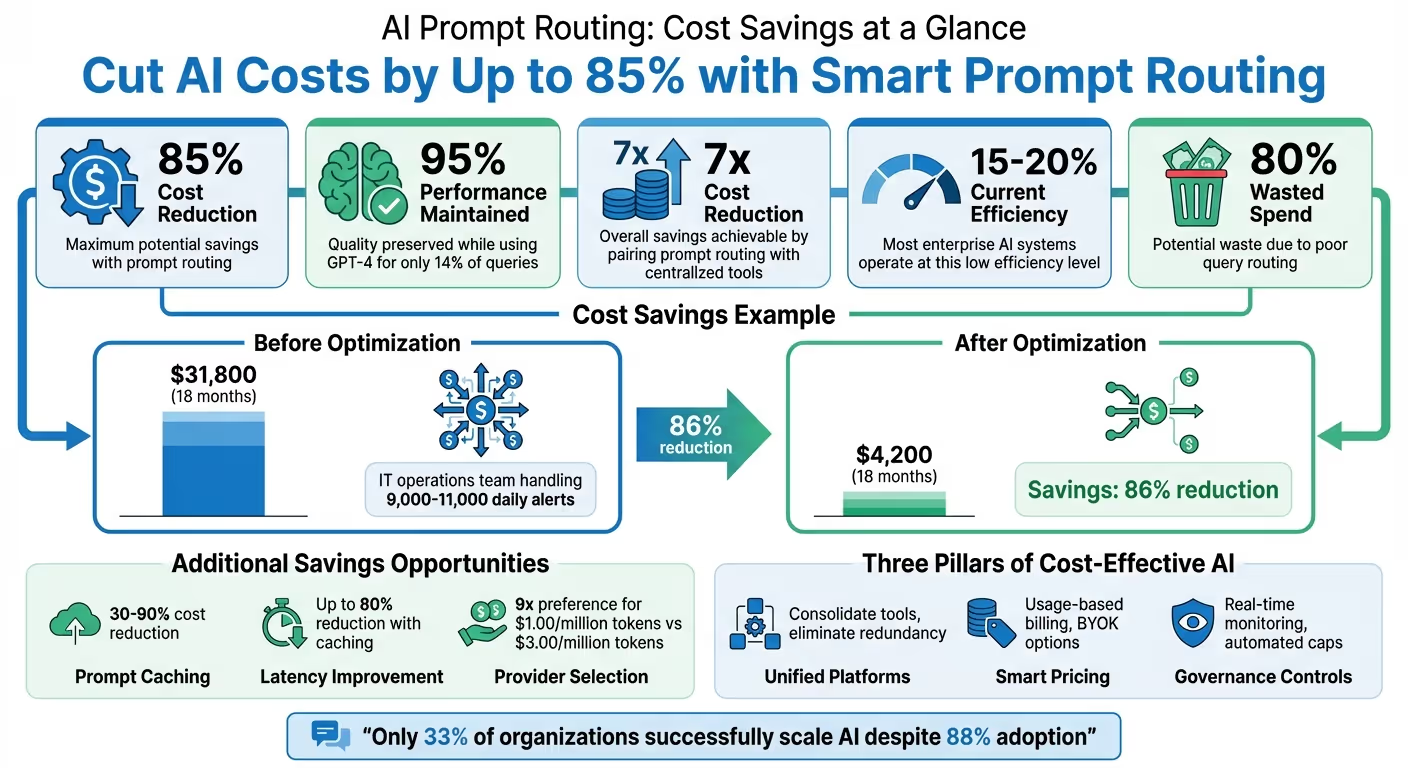
AI प्रॉम्प्ट रूटिंग लागत बचत: प्रमुख सांख्यिकी और लाभ
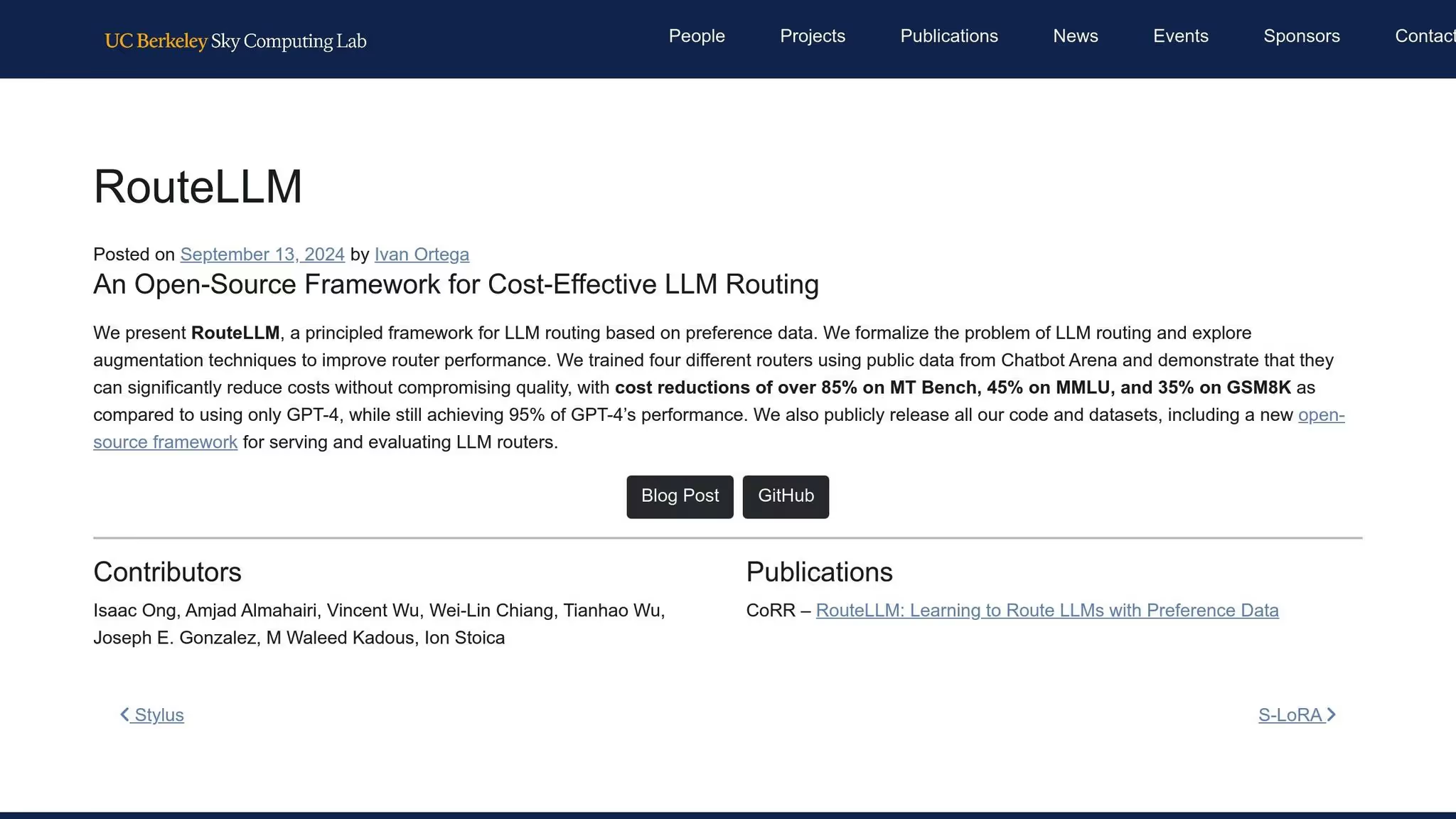
स्वचालित रूटिंग दक्षता का वादा कर सकती है, लेकिन यह गहरी वर्कफ़्लो चुनौतियों को समाप्त नहीं करती है।
AI सिस्टम को स्केल करने का अर्थ अक्सर कई टूल को एकीकृत करना होता है - ओपनएआई संवादात्मक AI के लिए, एंथ्रोपिक तर्क कार्यों के लिए, और युग्म मल्टीमॉडल ऑपरेशंस को संभालने के लिए। यह खंडित दृष्टिकोण निम्नलिखित की ओर ले जाता है डिस्कनेक्ट किए गए वर्कफ़्लो, जिससे उपयोग-आधारित लागतों को प्रभावी ढंग से मॉनिटर करना मुश्किल हो जाता है। कुल खर्चों के बारे में स्पष्ट जानकारी के बिना टीमें अक्सर ओवरलैपिंग सब्सक्रिप्शन के लिए खुद को भुगतान करती हुई पाती हैं। यह समस्या गैर-रेखीय मूल्य निर्धारण मॉडल के कारण और भी जटिल हो जाती है, जैसे कि जेमिनी की स्तरीय लागत संरचनाएं, जो अलग-अलग प्रदाता डैशबोर्ड पर मैन्युअल रूप से खर्च किए जाने पर सटीक बजट पूर्वानुमान को लगभग असंभव बना देती हैं। एकीकरण की यह कमी न केवल वित्तीय स्पष्टता को अस्पष्ट करती है, बल्कि इससे अतिरिक्त बाधाएं भी आती हैं।
कई संगठनों को केवल यह एहसास होता है कि नुकसान होने के बाद उन्होंने बजट को पार कर लिया है। के रूप में स्टैटसिग टीम हाइलाइट्स:
“वास्तविक ट्रैफ़िक काँटेदार होता है। विषम समय पर उछाल आता है, बजट पिछली सीमाओं को पार कर जाते हैं, और पहला संकेत चौंकाने वाला चालान होता है”।
रीयल-टाइम लागत निगरानी के लिए टूल के बिना, टीमें मासिक इनवॉइस पर प्रतिक्रिया करती रह जाती हैं, यह पहचानने में असमर्थ रहती हैं कि किस विशिष्ट मॉडल, प्रॉम्प्ट या वर्कस्पेस के कारण अप्रत्याशित स्पाइक्स हुए हैं। छोटी-छोटी अक्षमताएं - जैसे कि बातचीत का इतिहास या फिर से कोशिश करने का पैटर्न - चुपचाप महत्वपूर्ण खर्चों में बदल सकती हैं। उदाहरण के लिए, अकेले रिस्पांस कैशिंग लागू करने से लागत में 30% से 90% तक की कटौती हो सकती है, लेकिन जब तक कोई व्यक्ति मैन्युअल रूप से बिलिंग की समीक्षा नहीं करता, तब तक इन बचतों पर अक्सर किसी का ध्यान नहीं जाता है। तत्काल जानकारी की यह कमी शासन को और अधिक चुनौतीपूर्ण भी बनाती है।
अनियंत्रित वर्कफ़्लो संगठनों को वित्तीय और सुरक्षा दोनों जोखिमों से अवगत करा सकते हैं। अनट्रैक की गई “शैडो कुंजियां” अनधिकृत उपयोग की अनुमति देती हैं, जिससे लागत गलत बजटों को सौंपी जाती है या यहां तक कि निरीक्षण को पूरी तरह से दरकिनार कर दिया जाता है। स्टैटसिग टीम परिणामी अराजकता का वर्णन करती है:
“मॉडल खर्च तेजी से गड़बड़ हो जाता है... रसीदें कंसोल पर बिखरी हुई हैं, नुकसान के बाद इनवॉइस आते हैं, और कोई यह नहीं कह सकता कि किस टीम ने बिल का भुगतान किया”।
टीमों, परियोजनाओं और परिवेशों के लिए लगातार टैगिंग के बिना, वित्त टीमें यह अनुमान लगा लेती हैं कि विशिष्ट शुल्कों के लिए कौन जिम्मेदार है। फ़्रेग्मेंटेड लॉग सुरक्षा ऑडिट को और जटिल बनाते हैं, जिससे उद्यम असुरक्षित हो जाते हैं। चौंकाने वाली बात यह है कि अधिकांश एंटरप्राइज़ AI सिस्टम केवल किसके साथ काम करते हैं 15% से 20% दक्षता, जिसका अर्थ है कि खराब क्वेरी रूटिंग के कारण AI खर्च का 80% तक बर्बाद हो सकता है।
संगठन कचरे को कम करने और लागतों को अनुकूलित करने के लिए डिज़ाइन की गई तीन प्रमुख रणनीतियों के साथ अपने AI खर्च पर नियंत्रण वापस ले सकते हैं।
एक ऑर्केस्ट्रेशन लेयर के तहत कई एलएलएम प्रदाताओं को लाने से ऑपरेशन सरल हो जाता है और अनावश्यक सदस्यता समाप्त हो जाती है। OpenAI, एंथ्रोपिक या इन-हाउस मॉडल जैसे प्रदाताओं के लिए अलग-अलग इंटीग्रेशन बनाने के बजाय, एक एकीकृत API गेटवे सभी अनुरोधों को एक ही इंटरफ़ेस के माध्यम से प्रवाहित करने की अनुमति देता है। यह “टूल स्प्रेल” को कम करता है और इसे पेश करता है सिमेंटिक कैशिंग, जो टीमों में समान या समान संकेतों के लिए प्रतिक्रियाओं को संग्रहीत और पुन: उपयोग करता है। उदाहरण के लिए, यदि एक टीम प्रतिक्रिया उत्पन्न करती है, तो दूसरी अतिरिक्त लागत के बिना इसे एक्सेस कर सकती है।
डायनामिक रूटिंग जटिल तर्क के लिए उच्च लागत वाले मॉडल को आरक्षित करते हुए, अधिक किफायती मॉडल के लिए डेटा निष्कर्षण या वर्गीकरण जैसे सरल कार्यों को असाइन करके दक्षता की एक और परत जोड़ता है। इसके अतिरिक्त, लचीले मूल्य निर्धारण मॉडल उपयोग के पैटर्न और ज़रूरतों को अपनाकर लागत बचत को और बढ़ा सकते हैं।
लागतों के प्रबंधन के लिए स्मार्ट मूल्य निर्धारण रणनीतियाँ आवश्यक हैं। उपयोग-आधारित रूटिंग वास्तविक समय में सबसे किफायती प्रदाता की पहचान करती है, जिससे यह सुनिश्चित होता है कि हर अनुरोध को लागत प्रभावी ढंग से हैंडल किया जाए। समर्थन करने वाले प्लेटफ़ॉर्म “अपनी खुद की चाबी लाओ” (BYOK) संगठनों को प्लेटफ़ॉर्म-प्रदत्त एंडपॉइंट में टैप करने से पहले पहले अपने मौजूदा एंटरप्राइज़ क्रेडिट का उपयोग करने की अनुमति दें। उदाहरण के लिए, राउटर खोलेंलोड बैलेंसिंग इसे अच्छी तरह से प्रदर्शित करता है: $1.00 प्रति मिलियन टोकन चार्ज करने वाला प्रदाता चुना जाता है 9× अधिक बार एक से अधिक $3.00 प्रति मिलियन टोकन चार्ज कर रहे हैं। लागत सीमा निर्धारित करके, संगठन यह सुनिश्चित कर सकते हैं कि कोई भी अनुरोध उनके बजट से अधिक न हो, सिस्टम स्वचालित रूप से सबसे कम लागत वाले विकल्प को प्राथमिकता देता है जो प्रदर्शन आवश्यकताओं को पूरा करता है।
लागत को नियंत्रण में रखने के लिए मजबूत शासन नियंत्रण महत्वपूर्ण हैं। जैसी सुविधाएं अनुरोध-स्तरीय मूल्य कैप और स्वचालित लोड संतुलन अप्रत्याशित बजट ओवररन को रोकें। ये सिस्टम हाल के अपटाइम और स्थिरता जैसे कारकों के आधार पर कम लागत वाले प्रदाताओं को प्राथमिकता देते हैं। अनुपालन सुनिश्चित करने के लिए, डेटा नीति नियम उन प्रदाताओं को ब्लॉक कर सकते हैं जो प्रशिक्षण के लिए यूज़र डेटा संग्रहीत करते हैं, जिससे मैन्युअल समीक्षाओं की आवश्यकता समाप्त हो जाती है।
अकेले प्रॉम्प्ट कैशिंग से लागत में काफी कटौती हो सकती है, जिससे इनपुट टोकन खर्च कम हो सकता है 90% तक और विलंबता द्वारा 80% तक। स्ट्रक्चरिंग प्रॉम्प्ट प्रभावी रूप से - शुरुआत में निर्देश और उदाहरण जैसे स्थिर तत्वों को रखना और अंत में गतिशील सामग्री रखना - कैश दक्षता को अधिकतम करता है। OpenAI यहां तक कि 1,024 टोकन से अधिक के प्रॉम्प्ट के लिए स्वचालित रूप से कैशिंग को सक्षम करता है, जिससे बचत की एक और परत जुड़ जाती है।
जब आपके बजट को अधिकतम करने की बात आती है, तो सही AI वर्कफ़्लो प्लेटफ़ॉर्म का चयन करना उतना ही महत्वपूर्ण है जितना कि लागत-बचत रणनीतियों को लागू करना।
एक अच्छी तरह से डिज़ाइन किया गया प्लेटफ़ॉर्म आपके वर्कफ़्लो को सुव्यवस्थित करते हुए AI खर्च से अनुमान निकाल सकता है। उन समाधानों को प्राथमिकता देकर शुरू करें, जो कई प्रदाताओं के बीच काम करने वाले रियल-टाइम ऑप्टिमाइज़ेशन और रूटिंग लॉजिक जैसी उन्नत क्षमताओं के साथ केंद्रीकृत मॉडल प्रबंधन प्रदान करते हैं। रीयल-टाइम डैशबोर्ड बहुत ज़रूरी हैं - उन्हें विलंबित मासिक बिलिंग सारांश पर निर्भर रहने के बजाय टोकन उपयोग और API कॉल पर लाइव अपडेट प्रदान करना चाहिए। सिमेंटिक रूटिंग जैसी सुविधाएँ, जो कठोर कीवर्ड नियमों के बजाय इरादे के आधार पर प्रश्नों को निर्देशित करती हैं, और अंतर्निहित मूल्यांकन टूल जो आपको परिनियोजन से पहले शीघ्र समायोजन का परीक्षण करने की अनुमति देते हैं, दक्षता को और बढ़ा सकते हैं।
विचार करने के लिए शासन एक अन्य महत्वपूर्ण क्षेत्र है। अनुपालन सुनिश्चित करने और त्रुटियों को कम करने के लिए भूमिका-आधारित एक्सेस नियंत्रण, ऑडिट लॉग और पर्यावरण पृथक्करण वाले प्लेटफ़ॉर्म की तलाश करें। हाइब्रिड लॉजिक सपोर्ट, जो पारंपरिक अगर/तब के नियमों को AI-संचालित निर्णय लेने के साथ जोड़ता है, और कस्टम कोड क्षमताओं और SDK जैसे डेवलपर-अनुकूल टूल को भी ऑपरेशनल फ्लेक्सिबिलिटी में काफी सुधार कर सकता है।
इन आवश्यक विशेषताओं ने मूल्य निर्धारण मॉडल का आकलन करने के लिए मंच तैयार किया है, जहां पारदर्शी, उपयोग-आधारित बिलिंग सभी अंतर ला सकती है।
मूल्य निर्धारण में पारदर्शिता उतनी ही महत्वपूर्ण है जितनी कि कार्यक्षमता। निष्पादन-आधारित मूल्य निर्धारण, जहाँ आप प्रति वर्कफ़्लो रन का भुगतान करते हैं, पूर्वानुमेय लागत प्रदान करता है। दूसरी ओर, क्रेडिट-आधारित मॉडल प्रति चरण शुल्क लेते हैं, जिससे वर्कफ़्लो स्केल के रूप में अप्रत्याशित खर्च हो सकते हैं।
Prompts.ai अपने पे-एज़-यू-गो TOKN क्रेडिट के साथ एक विकल्प प्रदान करता है, जिससे आवर्ती शुल्क समाप्त हो जाता है। यह 35 से अधिक प्रमुख मॉडलों को एकीकृत करता है - जिनमें शामिल हैं जीपीटी-5, क्लाउड और जेमिनी - एक एकल, सुरक्षित इंटरफ़ेस में। बिल्ट-इन FinOps नियंत्रणों के साथ, जो वास्तविक समय में टोकन के उपयोग की निगरानी करते हैं, Prompts.ai यह सुनिश्चित करता है कि लागत सीधे उपयोग के साथ संरेखित हो, जो आपके बजट को प्रबंधित करने का एक स्पष्ट और कुशल तरीका प्रदान करती है।
स्वामित्व की कुल लागत पर विचार करते समय, ध्यान रखें कि 46% उत्पाद टीमें खराब एकीकरण को AI अपनाने के लिए सबसे बड़ी बाधा के रूप में उद्धृत करती हैं। एक प्लेटफ़ॉर्म जो आपके मौजूदा टूल के साथ आसानी से जुड़ता है, वह ऐसी बचत प्रदान कर सकता है जो सदस्यता मूल्य से कहीं अधिक हो। वास्तव में, बाहरी साझेदारियों का लाभ उठाने वाले AI पायलटों की सफलता दर पूरी तरह से आंतरिक रूप से विकसित पायलटों की तुलना में दोगुनी देखी गई है।
AI ऑपरेशंस में लागत में कटौती का मतलब कोनों को काटना नहीं है। सरल कार्यों को छोटे, अधिक लागत प्रभावी मॉडल की ओर निर्देशित करके और जटिल चुनौतियों के लिए प्रीमियम मॉडल को आरक्षित करके, संगठन उच्च गुणवत्ता वाले परिणामों को बनाए रखते हुए अपने AI खर्चों को सात गुना से अधिक घटा सकते हैं। उदाहरण के लिए, रोज़ाना 9,000-11,000 अलर्ट्स को हैंडल करने वाली एक IT ऑपरेशन टीम ने टियर मॉडल चयन को लागू करके 18 महीनों में अपनी लागत को $31,800 से घटाकर केवल $4,200 कर दिया।
“AI की लागत संचय के माध्यम से बढ़ती है। हर डिज़ाइन विकल्प की एक कीमत होती है, और सिस्टम इसे बड़े पैमाने पर चुकाता है।” - Clixlogix
पैसे बचाने के अलावा, केंद्रीकृत रूटिंग शासन और अनुपालन को बढ़ाता है। एक एकीकृत प्लेटफ़ॉर्म ऑडिटेबल API कॉल सुनिश्चित करता है, स्वचालित नियंत्रणों के साथ ओवरस्पीडिंग को रोकता है, और सेल्फ-होस्टेड रूटिंग के माध्यम से संवेदनशील डेटा को सुरक्षित करता है। चूंकि 88% संगठन AI का उपयोग करते हैं, लेकिन केवल 33% ही इसे सफलतापूर्वक बढ़ा रहे हैं, एक मजबूत ऑर्केस्ट्रेशन लेयर का होना गेम-चेंजर हो सकता है।
ये रणनीतियाँ आपके AI वर्कफ़्लो को प्रभावी ढंग से अनुकूलित करने के लिए आधार तैयार करती हैं।
अब जब आप इन लागत-बचत रणनीतियों से लैस हैं, तो कार्य करने का समय आ गया है। यह पता लगाने के लिए कि उच्च लागत वाले मॉडल अनावश्यक रूप से कहाँ उपयोग किए जा रहे हैं, अपने AI खर्चों का ऑडिट करके शुरू करें। उदाहरण के लिए, एक लॉजिस्टिक कंपनी ने पाया कि उसके 4,000-6,000 दैनिक रिकॉर्ड में से केवल 28% के लिए एलएलएम सारांश की आवश्यकता होती है। अकेले इस जानकारी से लागत में 3.6 गुना कमी आई।
अपने टूल को एक ही प्लेटफ़ॉर्म में समेकित करके उन्हें व्यवस्थित करें, जो रीयल-टाइम लागत ट्रैकिंग और उपयोग-आधारित मूल्य निर्धारण प्रदान करता है। Prompts.ai के पे-एज़-यू-गो TOKN क्रेडिट अंतर्निहित FinOps नियंत्रणों की पेशकश करते हुए 35 से अधिक मॉडलों तक सहज पहुंच प्रदान करते हैं। इन नियंत्रणों से आप वास्तविक समय में हर टोकन की निगरानी कर सकते हैं, यह सुनिश्चित करते हुए कि आपको ठीक-ठीक पता है कि आपका बजट कहाँ जा रहा है। इसके अतिरिक्त, “summary_standard” जैसे जेनेरिक लेबल का उपयोग करने से आप लचीले बने रह सकते हैं, मूल्य निर्धारण संरचनाओं के विकसित होने पर मॉडल चयनों को समायोजित कर सकते हैं।
प्रॉम्प्ट रूटिंग जटिलता के आधार पर कार्यों को सबसे उपयुक्त मॉडल पर निर्देशित करके AI की लागत में कटौती करने का एक स्मार्ट तरीका प्रदान करता है। सरल प्रश्नों को छोटे, अधिक किफायती मॉडल द्वारा संसाधित किया जाता है, जबकि केवल अधिक मांग वाले कार्य बड़े, उच्च प्रदर्शन वाले मॉडल को भेजे जाते हैं। यह कुशल आवंटन टोकन के उपयोग और अनुमान शुल्क को कम करता है, जिससे 85% तक की लागत बचत होती है।
लागत दक्षता पर ध्यान देने के बावजूद, गुणवत्ता प्राथमिकता बनी हुई है। सटीकता सुनिश्चित करने के लिए फ़ॉलबैक तंत्र मौजूद हैं, जिसका अर्थ है कि परिणाम सुसंगत हैं या इससे भी बेहतर हैं। उपलब्ध संसाधनों का अधिकतम उपयोग करके, प्रॉम्प्ट रूटिंग न केवल खर्चों को कम करती है, बल्कि वर्कफ़्लो को भी सरल बनाती है और विश्वसनीय, उच्च-गुणवत्ता वाला आउटपुट प्रदान करती है।
AI वर्कफ़्लो प्लेटफ़ॉर्म का चयन करते समय, जो प्रदर्शन के साथ लागत बचत को संतुलित करता है, दक्षता बनाए रखते हुए खर्चों को नियंत्रण में रखने के लिए डिज़ाइन की गई सुविधाओं पर ध्यान दें। प्लेटफ़ॉर्म ऑफ़र करने का विकल्प चुनें पे-एज़-यू-गो प्राइसिंग या टोकन-आधारित बिलिंग यह सुनिश्चित करने के लिए कि वित्तीय योजना को सरल बनाने के लिए आपसे केवल आपके द्वारा उपयोग की जाने वाली चीज़ों के लिए शुल्क लिया जाए। जैसे टूल रीयल-टाइम लागत ट्रैकिंग और उपयोग की चेतावनियां खर्चों की निगरानी और अप्रत्याशित शुल्कों से बचने के लिए अमूल्य हैं।
विचार करने के लिए एक असाधारण विशेषता है गतिशील रूटिंग, जो जटिल चुनौतियों के लिए बड़े मॉडल को आरक्षित करते हुए छोटे, अधिक किफायती मॉडल को सरल कार्य प्रदान करता है - यह दृष्टिकोण टोकन के उपयोग में काफी कटौती कर सकता है। इसके अतिरिक्त, प्लेटफ़ॉर्म के साथ फ़ॉलबैक तंत्र सुचारू संचालन सुनिश्चित करें, भले ही कोई मॉडल ओवरलोड हो जाए या अस्थायी रूप से अनुपलब्ध हो।
अपने वर्कफ़्लो को सरल बनाने के लिए, मजबूत से लैस प्लेटफ़ॉर्म की तलाश करें वर्कफ़्लो प्रबंधन टूल, जैसे कि केंद्रीकृत प्रॉम्प्ट ऑर्केस्ट्रेशन, संस्करण नियंत्रण, और भूमिका-आधारित अनुमतियां। ये सुविधाएं अतिरेक को कम करती हैं और टीम सहयोग में सुधार करती हैं। अंत में, प्लेटफ़ॉर्म के साथ मल्टी-मॉडल समर्थन आपको AI मॉडल की एक श्रृंखला का उपयोग करने देता है, जिससे आप कई API की बाजीगरी किए बिना प्रत्येक कार्य के लिए सबसे अधिक लागत प्रभावी विकल्प चुन सकते हैं। साथ में, ये सुविधाएं यह सुनिश्चित करने में मदद करती हैं कि आपके AI वर्कफ़्लो कुशल, स्केलेबल और बजट के अनुकूल बने रहें।
AI वर्कफ़्लो में अनुपालन बनाए रखने और उचित शासन सुनिश्चित करने के लिए, एक संरचित ढाँचे का निर्माण करके शुरू करें, जो आपकी कंपनी की नीतियों को आपके AI प्लेटफ़ॉर्म के तकनीकी नियंत्रणों से जोड़ता है। प्रत्येक प्रोजेक्ट के दायरे को स्पष्ट रूप से परिभाषित करें, प्रमुख हितधारकों की पहचान करें - जैसे कि डेटा मालिक, डेवलपर, और कानूनी टीमें - और पहले से जिम्मेदारियां सौंपें। मॉडल पूर्वाग्रह या डेटा उल्लंघनों जैसे संभावित जोखिमों से निपटने के साथ-साथ HIPAA या PCI-DSS जैसे विनियामक मानकों को पूरा करने के लिए पूरी तरह से जोखिम मूल्यांकन करें। एन्क्रिप्शन प्रोटोकॉल, रिटेंशन टाइमलाइन और स्वीकृत डेटा स्रोतों सहित मजबूत डेटा-हैंडलिंग प्रक्रियाओं को स्थापित करने के लिए इन जानकारियों का उपयोग करें।
इंटीग्रेट करें अभिगम नियंत्रण और पहचान प्रबंधन सीधे आपकी प्रक्रियाओं में। prompts.ai जैसे प्लेटफ़ॉर्म भूमिका-आधारित अनुमतियों को लागू करने, संस्करण नियंत्रण के साथ त्वरित संशोधनों को ट्रैक करने और जवाबदेही के लिए विस्तृत ऑडिट ट्रेल्स बनाए रखने में सहायता कर सकते हैं। वास्तविक समय में असामान्य गतिविधि का पता लगाने और उसका समाधान करने के लिए सुरक्षा की अतिरिक्त परतें जोड़ें, जैसे आउटपुट फ़िल्टर, टोकन सीमाएं, और स्वचालित मॉनिटरिंग सिस्टम। ऑडिट लॉग की नियमित रूप से समीक्षा करने, नीतियों को अपडेट करने और अनुपालन करने के लिए विकसित हो रहे नियमों के साथ तालमेल बिठाने का अभ्यास करें।
इसके अतिरिक्त, अच्छी तरह से परिभाषित प्रतिक्रिया योजनाओं वाली घटनाओं के लिए तैयार रहें। यदि कोई उल्लंघन या अप्रत्याशित परिणाम आता है, तो रोकथाम के उपायों, फोरेंसिक लॉगिंग और समय पर हितधारक संचार के साथ तुरंत कार्रवाई करें। इन गवर्नेंस प्रथाओं को एक केंद्रीकृत और कुशल प्रॉम्प्ट-रूटिंग सिस्टम के साथ जोड़कर, संगठन अमेरिकी अनुपालन मानकों का पालन करते हुए अपनी प्रक्रियाओं को सरल बना सकते हैं।