Pay As You Go7 दिन का फ़्री ट्रायल; किसी क्रेडिट कार्ड की आवश्यकता नहीं


आज के उद्यम परिदृश्य में, AI उपकरणों का बेहिचक उपयोग जैसे चैटजीपीटी और सह-पायलट गंभीर चुनौतियां पैदा कर रहा है - डेटा लीक, असंगत सुरक्षा, और भगोड़ा लागत। केंद्रीकृत निरीक्षण के बिना, व्यवसाय जोखिमों का प्रबंधन करने, जैसे नियमों का अनुपालन करने के लिए संघर्ष करते हैं यूरोपीय संघ एआई अधिनियम, और AI खर्च को नियंत्रित करें।
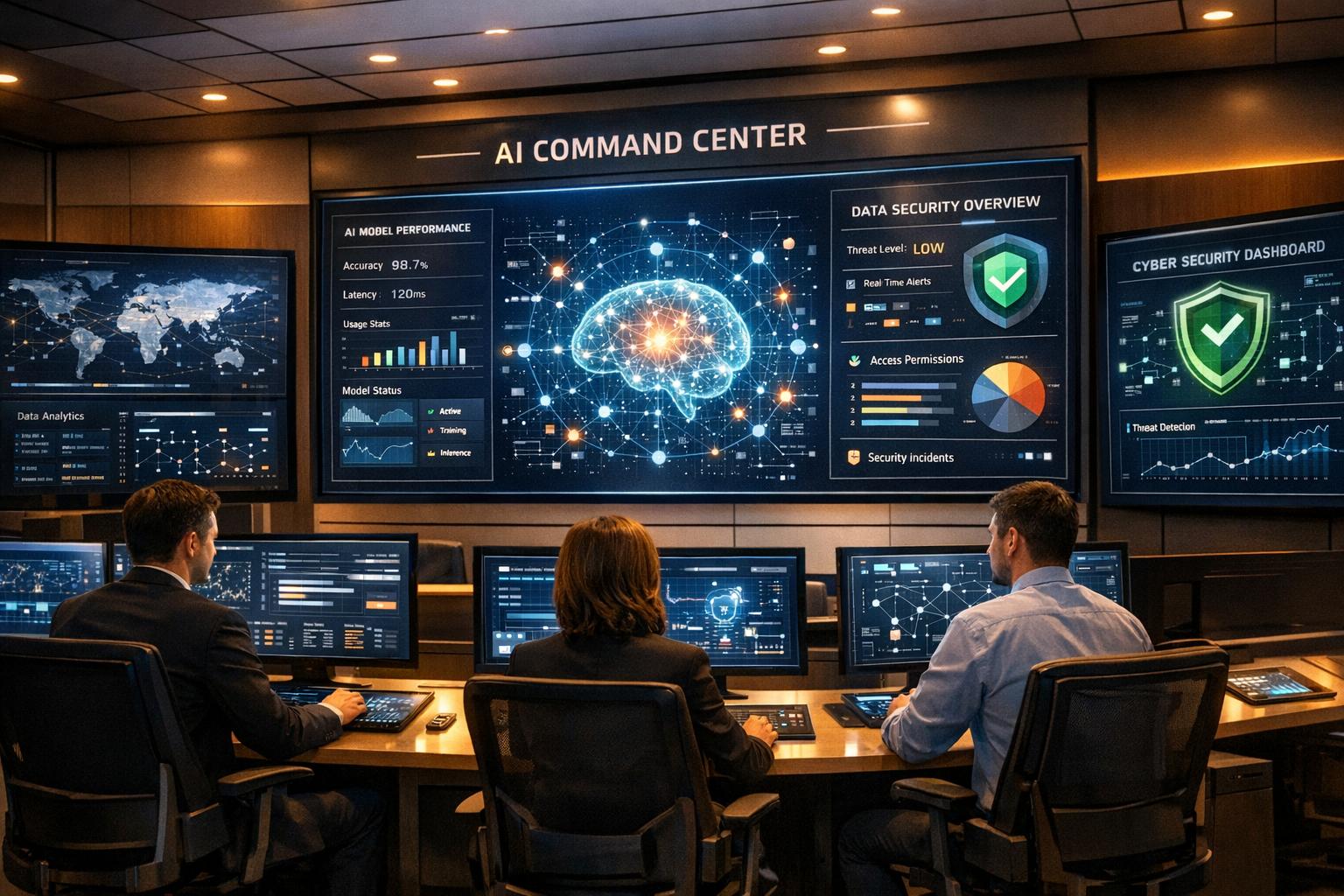
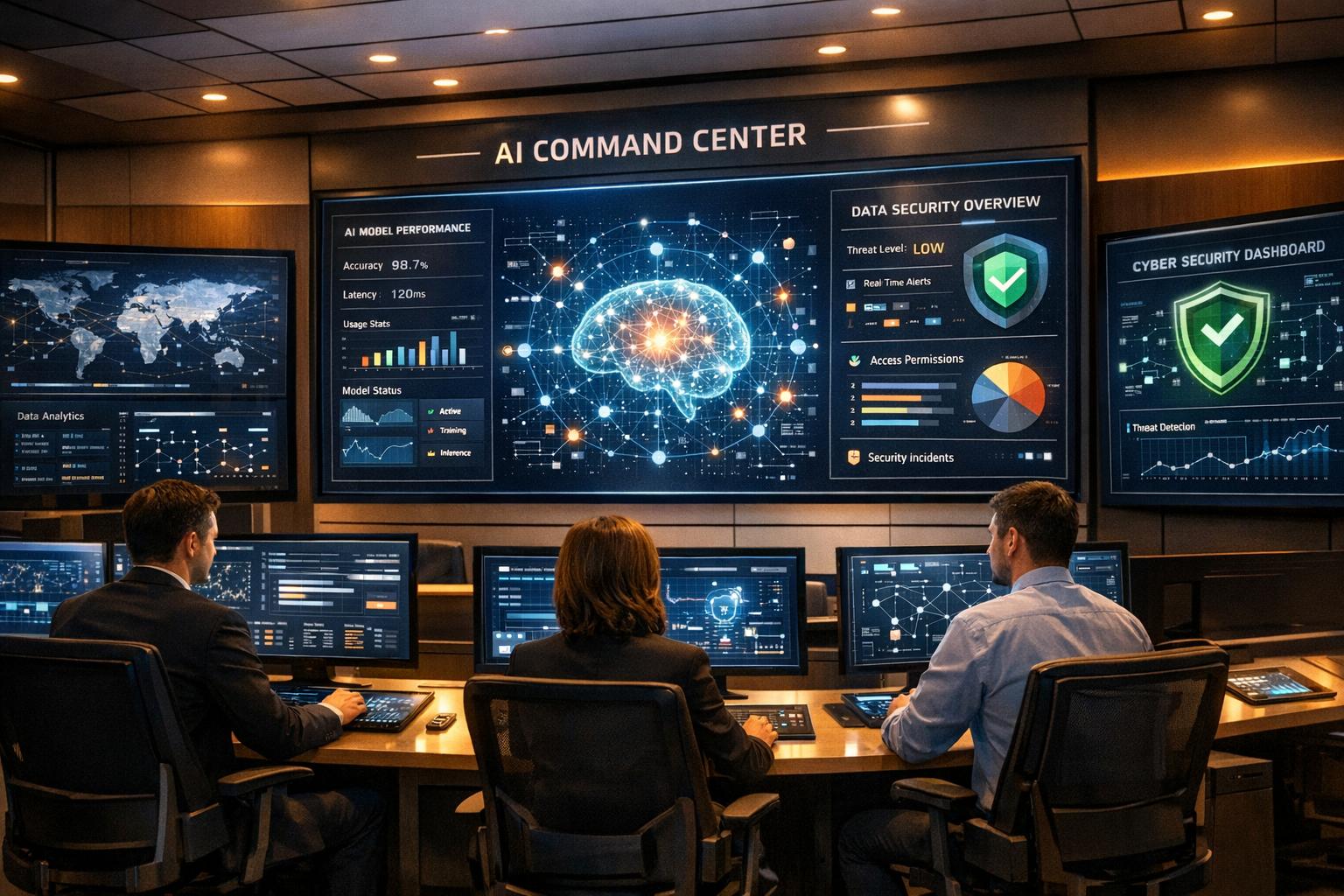
समाधान? एक AI कमांड सेंटर: सभी AI परिचालनों को संचालित करने, निगरानी करने और सुरक्षित करने के लिए एक केंद्रीय मंच। यह प्रदान करता है:
उदाहरण के लिए, केंद्रीकृत AI गवर्नेंस का उपयोग करने वाले व्यवसायों ने उल्लंघन नियंत्रण समय को 4 घंटे से घटाकर 30 मिनट कर दिया है और मासिक AI लागत को घटाकर $2,000 से कम कर दिया है। टूल को समेकित करके और वर्कफ़्लो को स्वचालित करके, AI कमांड सेंटर सुरक्षित, स्केलेबल और लागत प्रभावी AI संचालन सुनिश्चित करता है।
आइए देखें कि यह सिस्टम एंटरप्राइज़ एआई प्रबंधन को कैसे बदलता है।
एक AI कमांड सेंटर - जिसे कंट्रोल प्लेन या कंट्रोल टॉवर भी कहा जाता है - एक केंद्रीकृत प्लेटफ़ॉर्म है जो उद्यमों को उनके AI एजेंटों, मॉडलों और उपकरणों की पूरी निगरानी और प्रबंधन देता है। पारंपरिक डेटा गवर्नेंस सिस्टम के विपरीत, जो स्थिर डेटा पर ध्यान केंद्रित करते हैं, इस प्लेटफ़ॉर्म को AI की गतिशील और विकसित प्रकृति को संभालने के लिए डिज़ाइन किया गया है। यह आईटी नेताओं के लिए एक महत्वपूर्ण केंद्र के रूप में कार्य करता है, जिससे वे प्रदर्शन की निगरानी कर सकते हैं, सुरक्षा प्रोटोकॉल लागू कर सकते हैं और पूरे AI जीवनचक्र में संसाधनों के उपयोग को अनुकूलित कर सकते हैं। AI सिस्टम के अप्रत्याशित व्यवहार को देखते हुए यह केंद्रीकृत दृष्टिकोण विशेष रूप से महत्वपूर्ण है।
AI प्रॉम्प्ट डेटाबेस प्रश्नों से महत्वपूर्ण तरीके से भिन्न होते हैं: जबकि डेटाबेस क्वेरीज़ लगातार परिणाम देते हैं, AI आउटपुट भिन्न हो सकते हैं - यहां तक कि समान इनपुट के साथ भी। इस परिवर्तनशीलता के लिए उन्नत निगरानी क्षमताओं, ट्रैकिंग मेट्रिक्स जैसे ड्रिफ्ट, टोकन उपयोग, ग्राउंडेडनेस और आशय समाधान की आवश्यकता होती है। पारंपरिक गवर्नेंस सिस्टम इन चुनौतियों से निपटने के लिए सुसज्जित नहीं हैं, लेकिन AI कमांड सेंटर जनरेटिव AI की जटिलताओं का प्रबंधन करने के लिए अनुकूलित डैशबोर्ड, अलर्टिंग सिस्टम और स्वचालित सुरक्षा उपाय प्रदान करके इस अंतर को पूरा करता है।
“AI गवर्नेंस एक संगठन के भीतर AI गतिविधियों की निगरानी और प्रबंधन करने की क्षमता है। इसमें उद्यम के भीतर तैनात डेटा और मॉडल की उत्पत्ति का पता लगाने और उसका दस्तावेजीकरण करने के लिए प्रक्रियाएं और प्रक्रियाएं शामिल हैं।” - आईबीएम
व्यवहार में, AI कमांड सेंटर मौजूदा सुरक्षा उपकरणों के साथ मूल रूप से एकीकृत होता है - जैसे कि माइक्रोसॉफ्ट डिफेंडर या पर्व्यू - एआई-विशिष्ट जोखिमों जैसे कि जेलब्रेक के प्रयास, शीघ्र इंजेक्शन हमले और डेटा लीक को दूर करने के लिए। यह मॉडल इंटरैक्शन के लिए विस्तृत ऑडिट ट्रेल्स को बनाए रखते हुए, EU AI अधिनियम या HIPAA जैसे मानकों के साथ संरेखित करने के लिए नियामक मानचित्रण को स्वचालित करके अनुपालन को भी सरल बनाता है। अगले 12-24 महीनों में कुछ अलग-थलग AI टूल से हजारों अर्ध-स्वायत्त एजेंटों में संक्रमण करने वाले संगठनों के लिए, सुरक्षित और स्केलेबल AI संचालन सुनिश्चित करने के लिए यह केंद्रीकृत प्रणाली आवश्यक है।

AI कमांड सेंटर की मुख्य क्षमताएं: शासन, प्रबंधन और सुरक्षा सुविधाएँ
AI कमांड सेंटर AI संचालन के प्रबंधन के लिए एक संरचित, सुरक्षित और अनुरूप ढांचा प्रदान करता है। यह सेटअप महत्वपूर्ण है क्योंकि 90% संगठनात्मक डेटा असंरचित है, जो जनरेटिव AI की रीढ़ है, जबकि 48% वैश्विक CISO AI से संबंधित सुरक्षा जोखिमों को बढ़ाने पर चिंता व्यक्त करते हैं। इस आधार के साथ, संगठन मजबूत शासन, डेटा प्रबंधन और सुरक्षा प्रोटोकॉल लागू कर सकते हैं।
शासन स्वचालित उपकरणों से शुरू होता है जो संकेतों और प्रतिक्रियाओं को वर्गीकृत करते हैं, वित्तीय रिकॉर्ड, स्वास्थ्य डेटा या बौद्धिक संपदा जैसी संवेदनशील जानकारी के लिए स्कैन करते हैं। मैन्युअल टैगिंग पर निर्भर होने के बजाय, ये सिस्टम सभी डेटा के पैटर्न की पहचान करने के लिए उन्नत क्लासिफायर का उपयोग करते हैं। एक बार वर्गीकृत होने के बाद, केंद्रीकृत नीति प्रवर्तन प्रशासक को एक ही कार्रवाई के साथ नीतियां लागू करने की अनुमति देता है - अनधिकृत सेवाओं के साथ संवेदनशील डेटा के साझाकरण को रोकना या संवेदनशीलता लेबल का उपयोग करके इसे स्वचालित रूप से एन्क्रिप्ट करना।
विस्तृत ऑडिट ट्रेल्स हर इंटरैक्शन का दस्तावेजीकरण करते हैं, यह ट्रैक करते हैं कि किसने कौन से AI एप्लिकेशन को एक्सेस किया, कब, और कौन से डेटा या संकेत शामिल थे। लॉगिंग का यह स्तर अनुपालन समीक्षाओं और सुरक्षा जांचों के लिए अमूल्य है। विनियमों के साथ संरेखित करने के लिए, जैसे उपकरण अनुपालन प्रबंधक EU AI अधिनियम, GDPR, और HIPAA जैसे ढांचे के लिए मैप किए गए उपयोग के लिए तैयार टेम्पलेट प्रदान करें। स्वचालित जोखिम आकलन, जैसे कि माइक्रोसॉफ्ट पर्व्यूका DSPM स्कैनिंग टॉप शेयरपॉइंट जोखिमों को ओवरशेयरिंग करने के लिए साइटें, यह सुनिश्चित करती हैं कि संवेदनशील डेटा सुरक्षित रहे। संगठन डेटा रेजिडेंसी नियम भी लागू कर सकते हैं, यह सुनिश्चित कर सकते हैं कि AI केवल स्वीकृत क्षेत्रों में डेटा को प्रोसेस करता है, और एक निर्धारित अवधि के बाद इंटरैक्शन लॉग को हटाने के लिए अवधारण नीतियां सेट कर सकते हैं, जिससे जोखिम कम हो जाता है।
रोल-बेस्ड एक्सेस कंट्रोल (RBAC) यह सुनिश्चित करता है कि AI एजेंट अपने उपयोगकर्ताओं के समान अनुमति ढांचे के भीतर काम करें। जैसे पहचान प्रबंधन प्रणालियों के साथ एकीकरण करके माइक्रोसॉफ्ट एन्ट्रा, प्रत्येक एजेंट को विशिष्ट पहचान दी जाती है, जो कम से कम विशेषाधिकार के सिद्धांत को लागू करती है - केवल उनके कार्यों के लिए आवश्यक डेटा तक पहुंच प्रदान करती है।
संवेदनशीलता लेबल डेटा के साथ कहीं भी जाते हैं, यह सुनिश्चित करते हैं कि भले ही AI एक एन्क्रिप्टेड फ़ाइल को पुनर्प्राप्त करता है, सिस्टम सामग्री प्रदर्शित करने से पहले उपयोगकर्ता की अनुमतियों - जैसे VIEW या EXTRACT - को सत्यापित करता है। केंद्रीकृत डेटा डिस्कवरी टूल संवेदनशील जानकारी को मैप करते हैं, यह पहचानते हैं कि किसके पास पहुंच है, और यह मॉनिटर करते हैं कि AI मॉडल इसके साथ कैसे इंटरैक्ट करते हैं। यह बढ़ी हुई दृश्यता महत्वपूर्ण है, खासकर जब डेटा सुरक्षा आसन प्रबंधन (DSPM) बाजार के 2024 में 1.86 बिलियन डॉलर से बढ़कर 2033 तक 22.5 बिलियन डॉलर हो जाने की उम्मीद है।
AI कमांड सेंटर AI-विशिष्ट खतरों जैसे प्रॉम्प्ट इंजेक्शन, जेलब्रेक और डेटा पॉइजनिंग के खिलाफ रीयल-टाइम सुरक्षा लागू करते हैं। डेटा लॉस प्रिवेंशन (DLP) नीतियां इंटरैक्शन की निगरानी करती हैं, क्रेडिट कार्ड नंबर, सामाजिक सुरक्षा नंबर, या मालिकाना कोड जैसे संवेदनशील डेटा को स्वचालित रूप से ब्लॉक या संपादित करती हैं। अंदरूनी खतरों के लिए, अंदरूनी जोखिम प्रबंधन (IRM) टेम्पलेट असामान्य व्यवहारों को चिह्नित करते हैं, जिसमें बार-बार त्वरित इंजेक्शन के प्रयास या प्रतिबंधित सामग्री तक अनधिकृत पहुंच शामिल है।
सुरक्षित बूट, वर्चुअल ट्रस्टेड प्लेटफ़ॉर्म मॉड्यूल (vTPM), और ग्राहक-प्रबंधित एन्क्रिप्शन कुंजी (CMEK) जैसे उपायों के माध्यम से अवसंरचना सुरक्षा को मजबूत किया जाता है, जो AI मॉडल और उनके प्रशिक्षण डेटा दोनों की सुरक्षा करता है। इनपुट/आउटपुट फ़िल्टरिंग यह सुनिश्चित करती है कि मॉडल तक पहुंचने से पहले संभावित हानिकारक स्क्रिप्ट या इंजेक्शन सामग्री हटा दी जाए। वास्तविक समय में खतरे का पता लगाने के लिए AI का लाभ उठाने वाली कंपनियों ने इन सुरक्षा उपायों की प्रभावशीलता को उजागर करते हुए उल्लंघन रोकथाम समय में 41% की कमी दर्ज की है।
अनुकूली सुरक्षा उपयोगकर्ताओं को गतिशील रूप से जोखिम स्तर प्रदान करती है। जिन लोगों को उच्च जोखिम के रूप में चिह्नित किया जाता है, उन्हें सख्त DLP कार्रवाइयों या उच्च पहुंच आवश्यकताओं का सामना करना पड़ता है, जो केवल उल्लंघनों का पता लगाने से हटकर उन्हें सक्रिय रूप से रोकने के लिए स्थानांतरित हो जाते हैं। इन क्षमताओं को एक केंद्रीकृत प्रणाली में एकीकृत करके, संगठन विभिन्न उपयोग के मामलों और हजारों एजेंटों के बीच AI को सुरक्षित रूप से स्केल करने के लिए आवश्यक दृश्यता और नियंत्रण प्राप्त करते हैं।
AI कमांड सेंटर प्रबंधन कार्यों को समेकित करके और वर्कफ़्लो को स्वचालित करके दैनिक AI संचालन को सरल और बेहतर बनाते हैं। पूरी तरह से मैन्युअल निरीक्षण पर निर्भर होने के बजाय, ये प्लेटफ़ॉर्म उपयोग, खर्च और प्रदर्शन के लिए स्वचालित ट्रैकिंग प्रदान करते हैं। यह एकीकृत प्रणाली टीमों को सभी AI परिसंपत्तियों में पूर्ण दृश्यता प्रदान करती है, जिसमें देशी सह-पायलट, तृतीय-पक्ष एजेंट और कस्टम मॉडल शामिल हैं। संचालन को केंद्रीकृत करके, संगठन खंडित प्रक्रियाओं को सुव्यवस्थित वर्कफ़्लो से बदल सकते हैं, जो आगे बढ़ने से पहले संभावित समस्याओं का पता लगा लेते हैं और उनका समाधान कर सकते हैं।
ऐसी प्रणालियों की आवश्यकता लगातार जरूरी होती जा रही है। इसके मुताबिक गार्टनर, AI एजेंट 2028 तक दैनिक कार्य निर्णयों का 15% संभाल लेंगे, जो 2024 में 0% से नाटकीय वृद्धि होगी। चूंकि व्यवसाय कुछ अलग-थलग AI उपकरणों के प्रबंधन से हज़ारों स्वायत्त एजेंटों की देखरेख करने के लिए संक्रमण कर रहे हैं, इसलिए एक केंद्रीकृत नियंत्रण विमान का होना महत्वपूर्ण है। इसके बिना, IT टीमों को सक्रिय मॉडलों का ट्रैक खोने, संवेदनशील डेटा को सुरक्षित करने में विफल रहने, या अप्रत्याशित बजट ओवररन का सामना करने जैसी चुनौतियों का सामना करना पड़ता है। पहले के शासन ढांचे का निर्माण करके, कमांड सेंटर निगरानी से लेकर निष्पादन तक लगातार निगरानी सुनिश्चित करते हैं।
AI कमांड सेंटर एक संगठन के भीतर सभी AI गतिविधियों का एक व्यापक दृष्टिकोण प्रदान करते हैं, जो वास्तविक समय की निगरानी और अंतर्निहित अवलोकन प्रदान करते हैं। यह “कांच का एक फलक” दृष्टिकोण यह सुनिश्चित करता है कि अलर्ट, मूल्यांकन परिणाम और लॉग स्वचालित रूप से सहसंबद्ध हों, जिससे त्वरित निदान और डिबगिंग सक्षम हो सके। प्रमुख मेट्रिक्स जैसे टोकन खपत, प्रॉम्प्ट/रिस्पांस लॉग, लेटेंसी स्पाइक्स और एरर क्लस्टर को ओपन टेलीमेट्री और एज़्योर मॉनिटर जैसे इंटीग्रेशन का उपयोग करके ट्रैक किया जाता है। इसके अतिरिक्त, परफ़ॉर्मेंस मेट्रिक्स क्वालिटी इंडिकेटर्स जैसे कि टास्क का पालन, इंटेंट रिज़ॉल्यूशन, टूल कॉल की सफलता और ग्राउंडेडनेस तक विस्तारित होते हैं।
जब कोई एजेंट किसी समस्या का सामना करता है, तो टीम समस्या की पहचान करने के लिए तुरंत विस्तृत ट्रेस डेटा की समीक्षा कर सकती है। इंटेलिजेंट रूटिंग सिस्टम उच्चतम क्षमता या सबसे कम विलंबता वाले मॉडल के अनुरोधों को निर्देशित करके, देरी को कम करके और संसाधनों को अनुकूलित करके दक्षता सुनिश्चित करते हैं। जवाबदेही बढ़ाने के लिए, प्रत्येक एजेंट को Microsoft Entra जैसे सिस्टम के माध्यम से एक विशिष्ट पहचान दी जाती है, जिससे यह सुनिश्चित होता है कि हर कार्रवाई ऑडिट करने योग्य हो और वह किसी विशिष्ट स्वामी या विभाग से जुड़ी हो।
प्रदर्शन की निगरानी के अलावा, AI कमांड सेंटर संसाधन आवंटन को अनुकूलित करके लागत प्रबंधन को संबोधित करते हैं। एकीकृत FinOps उपकरण वास्तविक समय में हर टोकन, API कॉल और गणना चक्र को ट्रैक करते हैं, जिससे सटीक चार्जबैक और बजट अलर्ट सक्षम होते हैं। लागत केंद्र टैग विशिष्ट एजेंटों या परियोजनाओं को असाइन किए जा सकते हैं, जिससे यह सुनिश्चित होता है कि खर्च सही तरीके से आवंटित किए गए हैं।
एक ही प्लेटफ़ॉर्म में कई टूल को समेकित करके, संगठन लाइसेंस शुल्क को कम कर सकते हैं, सुरक्षा, गोपनीयता और शासन के लिए अलग-अलग उत्पादों को एक व्यापक समाधान के साथ बदल सकते हैं। डेटा स्वच्छता के लिए स्वचालित सुविधाएं निरर्थक, अप्रचलित और तुच्छ (ROT) डेटा की पहचान करती हैं और उन्हें खत्म करती हैं, जिससे टीमों को भंडारण और प्रसंस्करण खर्चों को कम करने में मदद मिलती है। ये प्लेटफ़ॉर्म GDPR, HIPAA और EU AI अधिनियम जैसे नियमों के लिए अनुपालन आकलन और साक्ष्य निर्माण को स्वचालित करते हैं, मैनुअल काम में कटौती करते हैं और महंगे जुर्माने से बचते हैं।
“परंपरागत रूप से संगठनों को संवेदनशील डेटा के लिए सुरक्षा, गोपनीयता, शासन और अनुपालन का प्रबंधन करने के लिए कई तरह के डिस्कनेक्ट किए गए टूल का उपयोग करने के लिए मजबूर किया गया है, जिससे असंगत परिणाम और लागत और जटिलता बढ़ जाती है।” - सुरक्षा
उन्नत कमांड सेंटर अनधिकृत गतिविधियों का भी पता लगाते हैं, जैसे कि क्लाउड वातावरण में क्रिप्टोमाइनिंग, जिससे बुनियादी ढांचे की लागत बढ़ सकती है। अप्रयुक्त एजेंटों को समाप्त करके और कम से कम विशेषाधिकार प्राप्त पहुंच को लागू करके, संगठन अनावश्यक खर्चों को कम कर सकते हैं और सुरक्षा जोखिमों को कम कर सकते हैं। इस दृष्टिकोण से AI संचालन में कमी आती है, जिससे यह सुनिश्चित होता है कि खर्च किया गया प्रत्येक डॉलर मापने योग्य व्यावसायिक मूल्य प्रदान करता है।
AI कमांड सेंटर में गोता लगाने से पहले, यह मूल्यांकन करना महत्वपूर्ण है कि क्या आपके संगठन का बुनियादी ढांचा, शासन और टीमें ऐसी केंद्रीकृत प्रणाली को संभालने के लिए तैयार हैं या नहीं। अपने डेटा की परिपक्वता की जांच करके शुरू करें - एजेंट कितनी अच्छी तरह जानकारी तक पहुँचते हैं, प्रोसेस करते हैं और उसे संग्रहीत करते हैं। इसमें लॉग और ट्रेनिंग डेटा के लिए डेटा रेजीडेंसी की ज़रूरतों और रिटेंशन नीतियों को समझना शामिल है। इन मूलभूत तत्वों के बिना, संवेदनशील जानकारी बिना निगरानी वाले चैनलों के माध्यम से लीक हो सकती है, जो संभावित रूप से GDPR जैसे नियमों का उल्लंघन कर सकती है, जिसके कारण €20 मिलियन या वैश्विक राजस्व का 4% तक का जुर्माना लग सकता है।
इसके बाद, आकलन करें कि क्या आपका बुनियादी ढांचा केंद्रीकृत AI संचालन का समर्थन कर सकता है। इसका अर्थ है केंद्रीकृत लॉगिंग के लिए Azure Log Analytics जैसे टूल लागू करना, एजेंटों को विशिष्ट पहचान प्रदान करना और मॉडल कॉन्टेक्स्ट प्रोटोकॉल जैसे मानकीकृत प्रोटोकॉल को अपनाना। SharePoint जैसे प्लेटफ़ॉर्म में “ओवरशेयर्ड” डेटा को उजागर करने के लिए Microsoft Purview जैसे टूल का उपयोग करके डेटा एक्सेस ऑडिट करें। यह कदम AI एजेंटों को अनधिकृत उपयोगकर्ताओं के लिए संवेदनशील जानकारी को उजागर करने से रोकने में मदद करता है।
हितधारक संरेखण एक और महत्वपूर्ण हिस्सा है। डेटा, जोखिम और अनुपालन के लिए प्रमुख मालिकों की पहचान करें और जवाबदेही सुनिश्चित करने के लिए एक कार्यकारी AI गवर्नेंस चार्टर सुरक्षित करें। आंकड़े बताते हैं कि खराब प्रबंधन या अज्ञात संपत्तियों के कारण लगभग 70% संगठनों को साइबर उल्लंघनों का सामना करना पड़ा है। जोखिमों को प्रभावी ढंग से प्रबंधित करने के लिए, थ्रेट मॉडलिंग फ्रेमवर्क का उपयोग करें जैसे स्ट्राइड 1-5 पैमाने पर गोपनीयता, अखंडता और उपलब्धता के लिए उपयोग के मामलों का मूल्यांकन करने के लिए।
एक बार इन तत्परता कारकों का समाधान हो जाने के बाद, अनुपालन बनाए रखते हुए तैनाती चुनौतियों पर काबू पाने पर ध्यान केंद्रित किया जा सकता है।
AI परिनियोजन में सबसे बड़ी बाधाओं में से एक “छाया AI” को संबोधित करना है - अनट्रैक किए गए वर्कलोड जो न केवल सुरक्षा अंतराल पैदा करते हैं बल्कि परिचालन लागत को भी बढ़ाते हैं। इससे निपटने के लिए, संगठनों को सभी एलएलएम एंडपॉइंट्स को क्लाउड, ऑन-प्रिमाइसेस और एज एनवायरनमेंट में रजिस्टर करना होगा। स्पष्ट इन्वेंट्री के बिना, IT टीमें सक्रिय मॉडल, उनका प्रबंधन करने वाले, और उनसे जुड़ी लागतों में अपनी दृश्यता खो देती हैं।
शासन के उपायों के आधार पर, मजबूत हितधारक संरेखण एक सुरक्षित और कुशल तैनाती सुनिश्चित करता है। केंद्रीकृत निरीक्षण महत्वपूर्ण है - सभी AI एंडपॉइंट्स को ट्रैक करने से शैडो AI जोखिम कम हो जाते हैं। एक एकीकृत नीति ढांचा स्थापित करें, जो एक सुसंगत सुरक्षा स्थिति बनाए रखते हुए, एक केंद्रीकृत गेटवे के माध्यम से हर AI इंटरैक्शन को रूट करता है। स्वीकृत फ्रेमवर्क को जल्दी अपनाने से रखरखाव की लागत कम हो जाती है और यह निर्बाध इंटरऑपरेबिलिटी सुनिश्चित करता है। कोड जनरेशन में उपयोग किए जाने वाले उच्च जोखिम वाले मॉडल के लिए, नियंत्रण बढ़ाने के लिए जस्ट-इन-टाइम (JIT) मैनेजर अनुमोदन टोकन लागू करने पर विचार करें।
“गवर्नेंस कोई बोल्ट-ऑन नहीं है; यह ऑपरेटिंग सिस्टम है जो बड़े भाषा मॉडल को जोखिम को उजागर किए बिना मूल्य जोड़ने देता है।” - एआई गवर्नेंस लीड, टेकको
नई नीतियों का प्रतिरोध अपनाने को रोक सकता है, खासकर अगर उन्हें अत्यधिक प्रतिबंधात्मक के रूप में देखा जाता है। चरणबद्ध दृष्टिकोण इस परिवर्तन को आसान बना सकता है। AI व्यवहारों का निरीक्षण करने और सख्त नियंत्रण लागू करने से पहले पैटर्न की पहचान करने के लिए ऑडिट-आधारित निगरानी से शुरुआत करें। स्वचालन के साथ सुरक्षा चिंताओं को दूर करें - उत्पादकता को बाधित किए बिना PII को संशोधित करने और त्वरित इंजेक्शन हमलों का अनुकरण करने के लिए टूल का उपयोग करें। स्पष्ट स्वामित्व के साथ विशिष्ट एजेंट पहचानें असाइन करें और पारदर्शिता और ऑडिटेबिलिटी सुनिश्चित करने के लिए विस्तृत संस्करण इतिहास बनाए रखें।
AI कमांड सेंटर उन संगठनों के लिए एक महत्वपूर्ण उपकरण के रूप में कार्य करता है, जो बढ़ती लागत, सुरक्षा कमजोरियों और अनुपालन अंतराल जैसी चुनौतियों से निपटने का लक्ष्य रखते हैं। सभी AI परिसंपत्तियों की केंद्रीकृत निगरानी प्रदान करके, यह उन अंधे धब्बों को समाप्त करता है, जो महंगे डेटा उल्लंघनों या बजट ओवररन का कारण बन सकते हैं। इसका एक प्रमुख उदाहरण है माइक्रोसॉफ्ट द्वारा इसे अपनाना सर्विस नाउ दिसंबर 2025 में AI कंट्रोल टॉवर अपने उद्यम AI एजेंटों का प्रबंधन करने के लिए। इस निर्णय ने इस बात पर प्रकाश डाला कि कैसे केंद्रीकृत शासन बिना नियंत्रण खोए मुट्ठी भर कोपिलटों के प्रबंधन से लेकर हजारों एजेंटों तक आसानी से पहुंच सकता है। इस तरह का दृष्टिकोण न केवल जोखिमों को कम करता है, बल्कि लागत में पर्याप्त बचत के अवसर भी पैदा करता है।
इस पर विचार करें: 10,000-टोकन संदर्भ वाली एक एकल GPT‑4 कॉल की लागत लगभग $0.30 है। प्रति माह एक मिलियन कॉल के पैमाने पर, जो लगभग $300,000 तक बढ़ जाता है। हालांकि, टोकन कैप, मॉडल टियरिंग और रियल-टाइम बजट अलर्ट को लागू करने के लिए कमांड सेंटर का उपयोग करके, संगठन इन खर्चों को काफी कम कर सकते हैं। उदाहरण के लिए, प्रति क्वेरी केवल 100 टोकन को ट्रिम करने से बड़े पैमाने पर सालाना लगभग 120,000 डॉलर की बचत हो सकती है। निक चेज़, मुख्य AI अधिकारी, क्लाउड जियोमेट्री, इसे पूरी तरह से समाहित करता है:
“अगर लागत अदृश्य है, तो यह किसी की समस्या नहीं है। जब यह दिखाई देता है, तो यह हर किसी की समस्या बन जाता है”।
ये लागत क्षमताएं परिचालन बचत और मजबूत शासन के बीच सीधे संबंध को रेखांकित करती हैं। वित्तीय लाभों के अलावा, केंद्रीकृत कमांड सेंटर परिचालन क्षमता को बढ़ाते हैं। उदाहरण के लिए, एक स्वास्थ्य सेवा प्रदाता, लीवरेज्ड क्लाउडनैदानिक नोट सारांश के लिए ‑2 और केंद्रीकृत निरीक्षण के माध्यम से HIPAA-अनुरूप PII मास्किंग और लॉकिंग मॉडल संस्करणों को लागू करके प्रतिक्रिया समय को चार घंटे से घटाकर केवल 30 मिनट कर दिया गया है। इसी तरह, एक वित्तीय सेवा संगठन ने यूएस‑ईस्ट क्षेत्र में डेटा रेजीडेंसी लागू करके और संवेदनशील खाता संख्याओं के लिए आउटपुट रिडक्शन लागू करके छह महीनों में कोई नीति उल्लंघन नहीं किया।
सक्रिय शासन वह है जो फलते-फूलते एआई कार्यक्रमों को उन कार्यक्रमों से अलग करता है जो विनियामक जांच के दायरे में आते हैं। मानकीकृत प्रोटोकॉल यूरोपीय संघ एआई अधिनियम और जीडीपीआर जैसे नियमों का पालन सुनिश्चित करते हैं, जहां जुर्माना €20 मिलियन या वैश्विक राजस्व का 4% तक पहुंच सकता है। AI कमांड सेंटर के साथ, संगठन न केवल इन संभावित नुकसानों से बचते हैं, बल्कि स्केलेबल और अनुरूप नवाचार के लिए एक ढांचा भी बनाते हैं, जिससे AI निवेश को मापने योग्य व्यावसायिक सफलता में बदल दिया जाता है।
AI कमांड सेंटर संगठनों के लिए विनियामक अनुपालन के शीर्ष पर बने रहने के लिए एक केंद्र के रूप में कार्य करता है। यह विभिन्न वातावरणों में सभी डेटा, AI मॉडल और वर्कफ़्लो का केंद्रीकृत, रीयल-टाइम अवलोकन प्रदान करता है। मुख्य विवरणों - जैसे डेटा की उत्पत्ति, संवेदनशीलता स्तर, और उपयोग पैटर्न को स्वचालित रूप से ट्रैक करके - यह व्यवसायों को लगातार नीतियां लागू करने और मैन्युअल काम की परेशानी के बिना ऑडिट के लिए तैयार रिपोर्ट तैयार करने में सक्षम बनाता है।
प्लेटफ़ॉर्म में शामिल हैं स्वचालित नियंत्रण डेटा को वर्गीकृत और सुरक्षित करने, एन्क्रिप्शन लागू करने और किसी भी नियम के उल्लंघन की निगरानी करने के लिए। यह खतरों की पहचान करता है और वास्तविक समय में जोखिमों का समाधान करता है, यह सुनिश्चित करता है कि अनुपालन को लगातार बरकरार रखा जाए। यदि समस्याएँ उत्पन्न होती हैं, तो सिस्टम ईवेंट लॉग करता है, सुधारात्मक उपाय शुरू करता है, और भविष्य के ऑडिट के लिए प्रतिक्रियाओं का दस्तावेजीकरण करता है।
सुरक्षा, कानूनी और डेटा गवर्नेंस जैसी टीमों के बीच सहयोग को प्रोत्साहित करके, AI कमांड सेंटर व्यावसायिक उद्देश्यों और स्थानांतरण नियमों के साथ अनुपालन प्रयासों को संरेखित करता है। यह अनुपालन को प्रतिक्रियाशील कार्य से हटाकर एक सक्रिय, मापनीय रणनीति में बदल देता है।
AI कमांड सेंटर पेशकश करके सुरक्षा को मजबूत करता है केंद्रीकृत निरीक्षण और नीति-आधारित सुरक्षा सभी AI मॉडल, डेटासेट और एप्लिकेशन के लिए। सुरक्षा टीमें जोखिम भरे सेटअप को ट्रैक करने, अनधिकृत पहुंच का पता लगाने और असामान्य गतिविधि को फ़्लैग करने की क्षमता हासिल करती हैं, जिससे संभावित कमजोरियों की गहन समझ सुनिश्चित होती है।
मुख्य विशेषताएं जैसे अभिगम नियंत्रण और पहचान प्रबंधन सुनिश्चित करें कि केवल अधिकृत व्यक्ति ही मॉडल को प्रशिक्षित कर सकते हैं, तैनात कर सकते हैं या उनके साथ बातचीत कर सकते हैं। संवेदनशील जानकारी को एन्क्रिप्शन के माध्यम से सुरक्षित किया जाता है - ट्रांज़िट और स्टोरेज दोनों के दौरान - और AI सिस्टम के साथ इंटरैक्ट करने से पहले निजी डेटा को छिपाने या संशोधित करने के लिए स्वचालित नीतियां बनाई जाती हैं।
AI के लिए अद्वितीय जोखिमों से निपटने के लिए, प्लेटफ़ॉर्म इस तरह के उपकरण प्रदान करता है शीघ्र फ़िल्टरिंग, आउटपुट सत्यापन, और मॉडल रिस्क स्कोरिंग, जो पूर्वाग्रह, डेटा लीक या गलत आउटपुट जैसे मुद्दों को कम करने में मदद करते हैं। निरंतर निगरानी और लॉगिंग के साथ, सुरक्षा टीमों को रीयल-टाइम अलर्ट और अनुपालन रिपोर्ट प्राप्त होती हैं। स्वचालित वर्कफ़्लो घटनाओं पर तेज़ी से प्रतिक्रिया देने, असुरक्षित परिवर्तनों को वापस लेने और शासन मानकों का पालन करने में सक्षम बनाते हैं।
AI कमांड सेंटर व्यवसायों को उनके AI संचालन को सुव्यवस्थित करने और मॉडल, एजेंट और वर्कफ़्लो के प्रबंधन को एक ही प्लेटफ़ॉर्म में समेकित करके लागत कम करने में मदद करता है। यह कई उपकरणों की आवश्यकता को समाप्त करता है, डुप्लिकेट सॉफ़्टवेयर लाइसेंस, अनावश्यक डेटा पाइपलाइन और समय लेने वाली मैन्युअल प्रक्रियाओं से जुड़े खर्चों में कटौती करता है। यह पुराने मॉडल और निष्क्रिय कंप्यूट संसाधनों को भी ट्रैक करता है, क्लाउड-कंप्यूट बिलों को ट्रिम करने के लिए उन्हें स्वचालित रूप से स्केल करता है या उन्हें बंद कर देता है।
प्लेटफ़ॉर्म एक पर काम करता है पे-एज़-यू-गो मूल्य निर्धारण मॉडल, जो कंपनियों को निश्चित सदस्यता शुल्क देने के बजाय केवल उनके द्वारा उपयोग की जाने वाली चीज़ों के लिए भुगतान करने की अनुमति देता है। यह लचीला दृष्टिकोण एंटरप्राइज़-स्तरीय अनुपालन सहित उन्नत क्षमताएं प्रदान करते हुए ओवर-प्रोविजनिंग से बचने में मदद करता है।
अंतर्निहित AI गवर्नेंस नीति प्रवर्तन, ऑडिट लॉगिंग और जोखिम आकलन जैसे महत्वपूर्ण कार्यों को स्वचालित करके लागत को और कम करता है। संचालन को सरल बनाने और अनुपालन सुनिश्चित करने से, AI कमांड सेंटर न केवल ओवरहेड में कटौती करता है, बल्कि परिचालन दक्षता को भी बढ़ाता है।