Pay As You Goإصدار تجريبي مجاني لمدة 7 أيام؛ لا يلزم وجود بطاقة ائتمان


تعمل عمليات سير عمل الذكاء الاصطناعي على تغيير طريقة عمل المطورين، مما يتيح عمليات أسرع وأكثر ذكاءً وكفاءة عبر الصناعات. بحلول عام 2026، سينصب التركيز على التنسيق والأتمتة والتكامل للتعامل مع التعقيد المتزايد للذكاء الاصطناعي للمؤسسات.
اختيار المنصة المناسبة: قد تفضل الشركات التي تسعى إلى الامتثال القوي وتتبع التكاليف Prompts.ai. يمكن للفرق التي تعطي الأولوية للتخصيص استكشاف n8n، بينما يعتبر Zapier و Make مثاليين للإعدادات السريعة وغير التقنية.
لم تعد عمليات سير عمل الذكاء الاصطناعي اختيارية - فهي ضرورية لتوسيع نطاق الإنتاجية وإدارة التعقيد. ستعمل المنصة الصحيحة على تبسيط العمليات وضمان الحوكمة وتمكين الفرق من الابتكار.
يبدأ بناء تدفقات عمل الذكاء الاصطناعي القابلة للتطوير بفهم مكوناتها الأساسية. تعمل هذه العناصر معًا لإنشاء خطوط أنابيب قادرة على التعامل مع كل شيء بدءًا من مكالمات API الأساسية وحتى التنسيق المتقدم متعدد النماذج. من خلال الجمع بين هذه الأجزاء بفعالية، يمكن للمطورين إنشاء أنظمة تتسم بالكفاءة وسهولة الصيانة.
التنسيق هو الآلية المركزية التي تنظم كيفية تفاعل المهام والنماذج والخدمات داخل سير العمل. إنه يضمن تنفيذ المهام بالترتيب الصحيح، ويدير التبعيات، ويشرف على تدفق البيانات بين المراحل المختلفة.
تعتمد معظم أنظمة التنسيق على الرسوم البيانية غير الحلقية الموجهة (DAGs) لهيكلها. تقوم DAGS بتعيين عمليات سير العمل كسلسلة من العقد (المهام) المتصلة بالحواف (التبعيات)، مع تحرك التنفيذ في اتجاه واحد فقط. تمثل كل عقدة عملية محددة، مثل استدعاء نموذج لغة كبير أو معالجة بيانات الإدخال أو التحقق من صحة المخرجات أو تشغيل واجهة برمجة تطبيقات خارجية. تتيح هذه البنية تصور سير العمل وتحديد الاختناقات وتحسين مسارات التنفيذ. على سبيل المثال، في حالة فشل إحدى المهام، تتم إعادة محاولة هذه المهمة المحددة فقط بدلاً من إعادة تشغيل سير العمل بأكمله. بالإضافة إلى ذلك، يمكن تشغيل المهام المستقلة في وقت واحد، مما يقلل من وقت المعالجة الإجمالي.
تأخذ الأنظمة متعددة الوكلاء التنسيق خطوة إلى الأمام من خلال تمكين وكلاء الذكاء الاصطناعي المتخصصين من التعاون في المهام المعقدة. يركز كل وكيل على وظيفة معينة - قد يقوم أحدهم بإنشاء رمز، وقد يقوم آخر بإجراء فحوصات أمنية، ويمكن لآخر إدارة الوثائق. يسمح هذا النهج المعياري للمطورين بترقية الوكلاء الفرديين أو استبدالهم دون إصلاح خط الأنابيب بالكامل، مما يشجع التحسين المستمر والتجريب.
الإدارة الفعالة للدولة هي ميزة رئيسية أخرى لأنظمة التنسيق الحديثة. تقوم هذه الأنظمة بتتبع المتغيرات والنتائج الوسيطة وسجل التنفيذ، مما يتيح لعمليات سير العمل إيقاف العمليات غير المتزامنة واستئنافها والتعامل معها. كما أنهم يتخذون القرارات بناءً على السياق الذي تم جمعه من الخطوات السابقة، مما يضمن التنفيذ السلس حتى في عمليات سير العمل طويلة المدى.
مع التنسيق القوي، يصبح دمج الأنظمة وتحقيق الاتصال السلس أسهل بكثير.
لكي تنجح عمليات سير عمل الذكاء الاصطناعي، يجب أن تتصل بسلاسة عبر الأنظمة المختلفة. تحتاج منصات التنسيق إلى العمل دون عناء مع نماذج اللغات الكبيرة وقواعد البيانات المتجهة وواجهات برمجة تطبيقات REST والخدمات المصغرة الداخلية وحتى الأنظمة القديمة. يعمل هذا الترابط على التخلص من صوامع البيانات وتمكين عمليات سير العمل من توسيع مجموعة التكنولوجيا بأكملها.
يعمل تكامل API بمثابة العمود الفقري للتشغيل البيني. تضمن ميزات مثل OAuth 2.0 ومفاتيح API ورموز JWT المصادقة الآمنة، بينما تقلل الأدوات المضمنة للتعامل مع حدود المعدل وعمليات إعادة المحاولة واستجابات الأخطاء من الحاجة إلى الترميز المتكرر.
بالإضافة إلى واجهات برمجة التطبيقات، يتضمن التكامل الاتصال بمصادر بيانات متنوعة. غالبًا ما تقوم عمليات سير العمل بسحب البيانات من قواعد البيانات والتخزين السحابي ومستودعات البيانات ومنصات البث. تعمل أنظمة التنسيق الحديثة على تبسيط هذه العملية باستخدام الموصلات الأصلية التي تتعامل مع مهام مثل تجميع الاتصال وتحسين الاستعلام وتحويل البيانات. يضمن التحقق من صحة المخطط تدفق البيانات بسلاسة بين الأنظمة ذات التنسيقات المختلفة، مما يجعل إدارة خطوط الأنابيب أسهل وأكثر شفافية.
بينما تتعامل المكونات القياسية مع المهام الروتينية، تتطلب العديد من عمليات سير العمل منطقًا مخصصًا لتلبية احتياجات العمل المحددة. القدرة على دمج التعليمات البرمجية المخصصة هي ما يفصل الأتمتة الأساسية عن أنظمة التنسيق المتقدمة.
يسمح تكامل التعليمات البرمجية المخصصة للمطورين بتضمين وظائف فريدة مباشرة في عمليات سير العمل. يمكن لهذه الوظائف الوصول إلى المتغيرات من الخطوات السابقة واستخدام إعدادات التكوين والتفاعل مع بيانات الاعتماد الخارجية. تقوم منصة التنسيق بإدارة التنفيذ والتسجيل ومعالجة الأخطاء، مما يتيح للمطورين التركيز على منطق الأعمال نفسه.
تعمل القوالب أيضًا على تسريع إنشاء سير العمل من خلال توفير أنماط قابلة لإعادة الاستخدام للمهام الشائعة، مثل معالجة أحداث webhook أو إدارة التفاعلات متعددة الخطوات أو التعامل مع عمليات الموافقة. يمكن تخصيص هذه القوالب بمعلمات أو نقاط نهاية أو منطق محدد، مما يسمح للمطورين ببناء عمليات سير العمل بسرعة مع الالتزام بالمعايير التنظيمية مثل بروتوكولات الأمان ومتطلبات الامتثال.
يتم ضمان الاتساق عبر البيئات - مثل التطوير والتدريج والإنتاج - من خلال إدارة البيئة. يتعامل التكامل مع أنظمة التحكم في الإصدار مع عمليات سير العمل كتعليمات برمجية، مما يمكّن الفرق من تتبع التغييرات والتعاون بفعالية والتراجع عن التحديثات إذا لزم الأمر.
تضيف المشغلات التي تعتمد على الأحداث طبقة أخرى من الاستجابة، مما يسمح لعمليات سير العمل بالتفاعل الفوري مع إجراءات أو شروط محددة. وهذا يضمن بقاء عمليات سير العمل ديناميكية وقادرة على التكيف مع متطلبات الوقت الفعلي.
في عام 2026، يمكن للمطورين الوصول إلى مجموعة من المنصات المصممة لتبسيط وإدارة تدفقات عمل الذكاء الاصطناعي. تلبي هذه المنصات الاحتياجات المتنوعة، وتوازن بين سهولة الاستخدام والتخصيص والمتطلبات على مستوى المؤسسة. يعتمد اختيار المنصة المناسبة على فهم نقاط القوة الفريدة وكيفية توافقها مع الأهداف الفنية والتشغيلية المحددة.
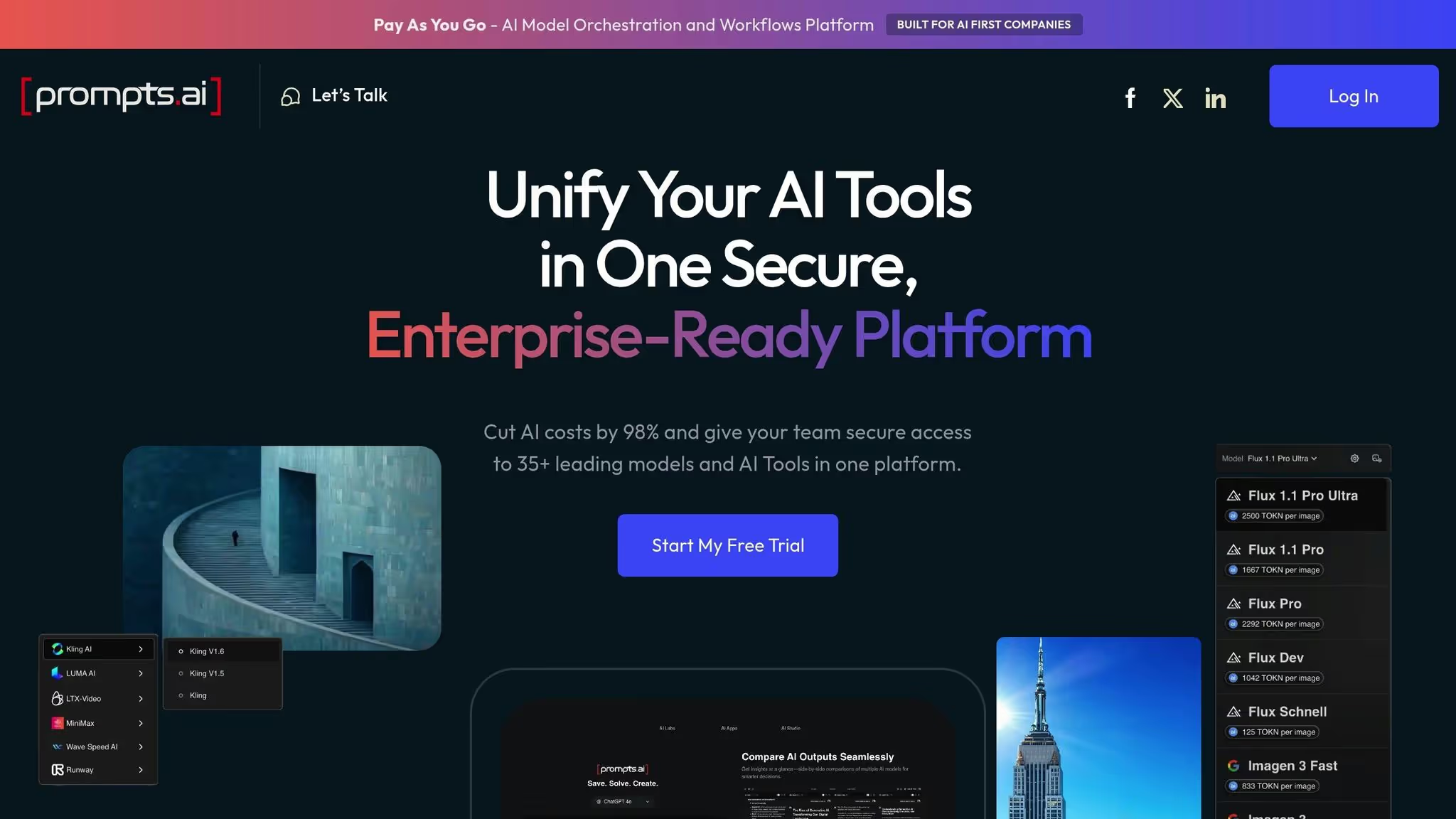
يجمع Prompts.ai أكثر من 35 نموذجًا للذكاء الاصطناعي، بما في ذلك GPT-5 وكلود لاما، الجوزاء، جروك-4، و فلووكس برو، في واجهة واحدة آمنة. يعمل هذا الدمج على التخلص من متاعب إدارة الاشتراكات المتعددة وأنظمة المصادقة وعمليات إعداد الفواتير عبر مختلف المزودين، مما يوفر حلاً مبسطًا للمؤسسات.
يوفر نظام تتبع FinOps الخاص بالمنصة رؤى التكلفة في الوقت الفعلي على مستوى الرمز المميز. يمكن للمؤسسات مراقبة الاستخدام عبر الفرق للمشاريع والنماذج، وتحديد مجالات توفير التكاليف. من خلال اختيار النماذج ديناميكيًا بناءً على متطلبات المهام بدلاً من التخلف عن الخيارات المتميزة، أبلغت الشركات عن خفض تكاليف الذكاء الاصطناعي بنسبة تصل إلى 98٪.
التوافق المؤسسي هي ميزة أساسية لـ Prompts.ai. اجتازت المنصة تدقيق SOC 2 Type 2 في منتصف عام 2025 وتعمل معها فانتا للمراقبة المستمرة للضوابط الأمنية. وهي تلتزم بمعايير SOC 2 Type II و HIPAA و GDPR، مما يضمن مسارات تدقيق قوية وأدوات حوكمة للصناعات المنظمة. يُبقي مركز الثقة العام المستخدمين على اطلاع بالإجراءات الأمنية للمنصة في الوقت الفعلي.
يتكامل Prompts.ai أيضًا بسلاسة مع أدوات مثل سلاك، Gmail، و تريلو، مما يمكّن الفرق من إنشاء عمليات سير عمل تعتمد على الذكاء الاصطناعي دون تطوير واجهة برمجة تطبيقات مخصصة. ال عمليات سير العمل القابلة للتشغيل المتبادل هذه الميزة، المتوفرة في خطط مستوى الأعمال، تضمن التعاون السلس بين نماذج الذكاء الاصطناعي والأدوات الخارجية، مما يعزز تطوير الذكاء الاصطناعي القابل للتطوير. بالإضافة إلى ذلك، تساعد ميزة مقارنة LLM جنبًا إلى جنب المؤسسات على تحديد الخيارات الفعالة من حيث التكلفة مع الاستفادة من ائتمانات TOKN للدفع أولاً بأول، والتي تعمل على مواءمة التكاليف مع الاستخدام الفعلي بدلاً من رسوم الاشتراك الثابتة.
تتميز n8n بنهجها القابل للتخصيص، مما يجعلها مثالية للمطورين المتقدمين. يسمح تصميمه مفتوح المصدر بفحص الكود بالكامل وتعديله، مما يوفر الشفافية التي لا يمكن للمنصات المغلقة مطابقتها. وهذا يجعلها جذابة بشكل خاص للمؤسسات ذات الأمن الصارم أو احتياجات التكامل المتخصصة.
تدعم المنصة خطوات JavaScript و Python المخصصة، مما يمكّن المطورين من معالجة تحديات API أو البيانات الفريدة. وهذا يضمن أنه حتى المتطلبات الأكثر تعقيدًا يمكن معالجتها دون الوصول إلى حواجز الطرق.
بالنسبة للمؤسسات المعنية بسيادة البيانات، تقدم n8n قدرات الاستضافة الذاتية، مما يسمح للشركات بإدارة بنيتها التحتية وبياناتها بالكامل داخل الشركة. لا يعمل هذا الخيار على تعزيز الامتثال للوائح التي تحظر المعالجة المستندة إلى السحابة للمعلومات الحساسة فحسب، بل يقلل أيضًا من تكاليف عمليات سير العمل ذات الحجم الكبير عن طريق تجنب التسعير لكل تنفيذ.
ساهم مجتمع n8n بأكثر من 4,000 قالب، والتي يمكن تخصيصها لتناسب احتياجات الأتمتة المحددة. هذه القوالب، إلى جانب جيت هاب الواردات، توفر ثروة من نقاط البداية. أسعار المنصة - مجانًا للإعدادات المستضافة ذاتيًا وتبدأ من 20 دولارًا شهريًا لعمليات النشر السحابية - تجعلها في متناول الفرق من جميع الأحجام.
بالنسبة لتكامل الذكاء الاصطناعي، يتضمن n8n أدوات مثل أداة إنشاء سير العمل بالذكاء الاصطناعي والمساعد، مما يمكّن المطورين من دمج إمكانات LLM في عمليات سير العمل الخاصة بهم. من خلال دعم JavaScript و Python، يمكن للفرق تنسيق نماذج متعددة ودمج واجهات برمجة تطبيقات الذكاء الاصطناعي الخارجية في تسلسلات التشغيل الآلي المعقدة.
يعد Zapier خيارًا ممتازًا للمستخدمين الذين يبحثون عن البساطة، حيث يقدم أكثر من 8000 عملية تكامل تم إنشاؤها مسبقًا. تتيح مكتبتها الواسعة للمستخدمين غير التقنيين، مثل فرق التسويق والمبيعات، إنشاء عمليات تلقائية معقدة دون كتابة سطر واحد من التعليمات البرمجية.
تتجاوز المنصة الأتمتة الأساسية بميزات مثل وكلاء الذكاء الاصطناعي وخطوات التشغيل الآلي للذكاء الاصطناعي ودعم بروتوكول السياق النموذجي (MCP). يساعد مساعد الطيار بالذكاء الاصطناعي المستخدمين على ترجمة تعليمات اللغة الطبيعية إلى عمليات سير عمل وظيفية، بينما تسمح قوالب البداية بالتنفيذ السريع. بالنسبة لأولئك الذين لديهم احتياجات متقدمة، يدعم Zapier أيضًا خطوات التعليمات البرمجية وعمليات تكامل API التابعة لجهات خارجية. يبدأ التسعير بمستوى مجاني، وتتوفر خطة Pro بسعر 19.99 دولارًا شهريًا، مما يجعلها خيارًا مناسبًا للميزانية للفرق الصغيرة أو المطورين الفرديين الذين يجربون الأتمتة.
يصنع يعمل كحل وسط، حيث يقدم منشئ سير العمل المرئي يعمل على تبسيط التعقيد التقني مع السماح بالتخصيص المعتدل. تم تصميم واجهته للمبتدئين والمستخدمين غير التقنيين، مما يوفر طريقة سهلة لتصميم سير العمل دون معرفة واسعة بالترميز. مثل Zapier، يدعم Make وظائف MCP ويتكامل مع العديد من التطبيقات، مما يجعله أداة متعددة الاستخدامات لتنسيق سير العمل.
غالبًا ما يعتمد الاختيار بين Zapier و Make على تفضيلات المستخدم لتصميم الواجهة واحتياجات التطبيق المحددة. توفر كلتا المنصتين خيارات سهلة وفعالة لبناء وإدارة سير العمل، وتلبية احتياجات مجموعة واسعة من المستخدمين وحالات الاستخدام.
يعتمد اختيار النظام الأساسي المناسب لسير عمل الذكاء الاصطناعي على نمط سير عمل فريقك ومتطلبات الأمان والاحتياجات الفنية. سيكون لفريق التسويق الذي يقوم بأتمتة منشورات وسائل التواصل الاجتماعي أولويات مختلفة جدًا مقارنة بفريق التطوير الذي ينشئ خطوط أنابيب مخصصة للذكاء الاصطناعي للتعامل مع بيانات الرعاية الصحية الحساسة. إن فهم هذه الاختلافات هو مفتاح الاختيار الصحيح.
يسلط الجدول أدناه الضوء على الميزات الرئيسية عبر العديد من المنصات لمساعدتك على تحديد الأنسب لاحتياجاتك:
يوفر Prompts.ai تسعيرًا مرنًا من خلال أرصدة TOKN للدفع أولاً بأول، مما يجعله قابلاً للتكيف مع مستويات الاستخدام المختلفة. من ناحية أخرى، يمكن لخيار الاستضافة الذاتية لـ n8n تقليل تكاليف كل تنفيذ للفرق التي تتعامل مع تدفقات العمل ذات الحجم الكبير، على الرغم من أنه يتطلب إدارة التحديثات والتوسع والأمان داخليًا. تقدم منصات مثل Zapier و Make أسعارًا شهرية يمكن التنبؤ بها، مما يجعلها مثالية للفرق ذات احتياجات التشغيل الآلي المتسقة والمعتدلة.
تتميز Prompts.ai أيضًا من خلال الجمع بين أكثر من 35 طرازًا في نظام مصادقة وفواتير واحد، مما يوفر مجموعة واسعة من النماذج المناسبة للمهام المتنوعة. على الرغم من اختلاف مجموعات الميزات، غالبًا ما تلعب احتياجات المؤسسة دورًا حاسمًا في تحديد النظام الأساسي الأنسب.
بالنسبة للمؤسسات، غالبًا ما يرجع القرار إلى موازنة مرونة المطور مع الحوكمة التنظيمية الصارمة. تحتاج الفرق الفنية إلى حرية إنشاء عمليات تكامل مخصصة، بينما تتطلب فرق الامتثال والأمان ضوابط قوية مثل مسارات التدقيق وقيود الوصول والالتزام بالمعايير المعتمدة.
يوفر حل n8n المستضاف ذاتيًا التحكم الكامل في تدفقات البيانات والأمان، مما يجعله جذابًا بشكل خاص للصناعات ذات اللوائح الصارمة حول إقامة البيانات. ومع ذلك، يأتي هذا النهج مع المسؤولية الإضافية لإدارة البنية التحتية، والتي يمكن أن تشكل عبئًا تشغيليًا كبيرًا.
تتخذ Prompts.ai مسارًا مختلفًا، حيث تقدم حوكمة مؤسسية مدمجة كجزء من الخدمة المُدارة. من خلال شهادات مثل SOC 2 Type II و HIPAA و GDPR، إلى جانب ميزات مثل مركز الثقة العام ومسارات التدقيق المتكاملة، فإنه يوفر تدابير أمنية قوية دون الحاجة إلى فرق لإدارة البنية التحتية الأساسية. بالإضافة إلى ذلك، يوفر نظام FinOps الخاص بها رؤية على مستوى الرمز المميز للإنفاق على الذكاء الاصطناعي، مما يسمح للمؤسسات بتخصيص الميزانيات حسب الفريق أو المشروع أو النموذج لتجنب التكاليف غير المتوقعة.
بالنسبة للمؤسسات ذات الاحتياجات الصارمة لوضع البيانات، قد تكون إمكانات الاستضافة الذاتية لـ n8n هي الخيار الأفضل، لأنها تسمح للبيانات بالبقاء ضمن حدود جغرافية محددة. تعتمد المنصات القائمة على السحابة، بما في ذلك Prompts.ai و Zapier و Make، على البنية التحتية المُدارة، والتي قد لا تلبي بعض المتطلبات التنظيمية.
في النهاية، يعتمد الاختيار بين التخصيص والحوكمة على الخبرة الفنية لمؤسستك وتحمل المخاطر. قد تفضل الشركات التي لديها فرق DevOps القوية التحكم الذي توفره الحلول المستضافة ذاتيًا، في حين أن أولئك الذين يسعون إلى النشر السريع وميزات الامتثال المتكاملة سيجدون المنصات المُدارة مثل Prompts.ai أكثر جاذبية. سيساعد تقييم هذه العوامل بعناية في ضمان استراتيجية سير عمل آمنة وفعالة للذكاء الاصطناعي للمستقبل.
عندما ننظر إلى مشهد التشغيل الآلي لسير العمل بالذكاء الاصطناعي في عام 2026، يواجه المطورون وفرة من الخيارات. ستعتمد أفضل منصة لاحتياجاتك على متطلباتك الفنية وديناميكيات الفريق والأهداف التنظيمية. سواء كنت تنشئ خطوط أنابيب مخصصة أو تقوم بأتمتة المهام الروتينية، فإن إيجاد التوازن الصحيح بين التخصيص وسهولة الاستخدام والحوكمة سيكون أمرًا بالغ الأهمية. توفر هذه الاعتبارات إطارًا لاتخاذ قرارات مستنيرة عند اختيار المنصة المناسبة.
لضمان النجاح على المدى الطويل، قم بمواءمة اختيار النظام الأساسي الخاص بك مع احتياجاتك الأساسية. على سبيل المثال، توفر الحلول المستضافة ذاتيًا مثل n8n تحكمًا كاملاً ولكنها تتطلب إدارة وموارد مستمرة.
من ناحية أخرى، تعمل منصات مثل Prompts.ai على تبسيط التكامل متعدد النماذج وتقليل وقت الإعداد بشكل كبير. كما أنها توفر تتبع التكلفة على مستوى الرمز المميز في الوقت الفعلي، مما يضمن توافق إنفاقك بشكل وثيق مع الاستخدام الفعلي.
تساعد نماذج التسعير المرنة، مثل الدفع أولاً بأول، على تجنب إهدار الموارد على السعة غير المستخدمة، بينما تعد خيارات التسعير التي يمكن التنبؤ بها مثالية للفرق ذات أعباء العمل الثابتة.
بالإضافة إلى هذه النصائح، من الضروري بناء استراتيجيات يمكن أن تتطور جنبًا إلى جنب مع النظام البيئي للذكاء الاصطناعي سريع التغير. يجب أن تسمح المنصة التي اخترتها بهذا النمو دون الحاجة إلى إصلاحات مستمرة. ابحث عن الحلول التي تدعم مرونة النموذج - مما يتيح لك التبديل بين موفري الذكاء الاصطناعي استنادًا إلى الاحتياجات الخاصة بالمهمة أو الأداء أو التكلفة، دون إعادة كتابة سير العمل.
تعد قابلية التشغيل البيني والحوكمة أمرًا حيويًا لإنشاء تدفقات عمل مستدامة. تعمل المنصات ذات المعايير المفتوحة وواجهات برمجة التطبيقات القوية على تسهيل دمج التقنيات الجديدة عند ظهورها. تضمن هذه القدرة على التكيف بقاء استثمارك مناسبًا وتسمح لك بالاستفادة من التطورات دون البدء من الصفر.
بالإضافة إلى ذلك، لم تعد الحوكمة والامتثال من الاهتمامات الخاصة بالصناعات المنظمة فقط. نظرًا لأن الذكاء الاصطناعي أصبح جزءًا لا يتجزأ من العمليات التجارية، أصبحت ميزات مثل مسارات التدقيق وضوابط الوصول والامتثال للمعايير مثل SOC 2 Type II و HIPAA و GDPR ضرورية عبر القطاعات. تعمل المنصات المُدارة مثل Prompts.ai، مع الأدوات المضمنة مثل مركز الثقة وتسجيل التدقيق، على إنقاذ فرق التطوير من عبء بناء هذه الأنظمة نفسها.
تعمل أفضل استراتيجيات سير عمل الذكاء الاصطناعي على تحقيق التوازن بين حرية المطور والإشراف التنظيمي. يحتاج المطورون إلى مساحة لتجربة النماذج الجديدة وإنشاء عمليات تكامل مخصصة، بينما تتطلب القيادة رؤية التكاليف والاستخدام والامتثال. تعمل المنصات التي تقدم ميزات مثل إدارة الميزانية القائمة على الفريق ولوحات معلومات الإنفاق في الوقت الفعلي والوصول المركزي إلى النماذج على تمكين الابتكار مع الحفاظ على التحكم.
في النهاية، النظام الأساسي الصحيح هو الذي يقلل الاحتكاك بين فريقك وقدرات الذكاء الاصطناعي. سواء أكنت تعطي الأولوية للتخصيص الكامل من خلال الاستضافة الذاتية، أو الوصول السلس متعدد النماذج عبر خدمة مُدارة، أو النشر السريع باستخدام الموصلات المبنية مسبقًا، فإن الاختيار يعتمد على خبرة فريقك واحتياجات الأمان وخطط النمو. قم بتقييم المنصات ليس فقط لقدراتها الحالية ولكن أيضًا لمعرفة مدى قدرتها على دعم طموحات الذكاء الاصطناعي الخاصة بك على مدار الـ 12 إلى 24 شهرًا القادمة.
منصات التنسيق مثل Prompts.ai قم بتبسيط سير عمل الذكاء الاصطناعي من خلال الجمع بين التكامل والأتمتة وقابلية التوسع في مكان واحد. يتيح هذا الأسلوب للمطورين العمل بكفاءة أكبر وخفض النفقات وإدارة حتى أكثر المشاريع تعقيدًا بسهولة أكبر.
من خلال تقديم حوكمة مركزية، توفر هذه المنصات بيانات في الوقت الفعلي حول استخدام الموارد والتكاليف وعائد الاستثمار. هذا المستوى من الرؤية يمكّن الفرق من اتخاذ قرارات مستنيرة مع الحفاظ على الشفافية. تم تصميمها لتتطور جنبًا إلى جنب مع التطورات في الذكاء الاصطناعي، وأصبحت ضرورية للبقاء في المقدمة في المشهد التنافسي لعام 2026.
يمكن للمطورين الاستفادة من المكونات المعيارية في عمليات سير عمل الذكاء الاصطناعي للصياغة حلول مصممة خصيصًا التي تتوافق تمامًا مع أهداف العمل المحددة. تم تصميم هذه المكونات للعمل معًا دون عناء، مما يمنح الفرق القدرة على ضبط سير العمل لمواجهة التحديات الفريدة دون الحاجة إلى إعادة بناء كل شيء من الألف إلى الياء.
يسمح هذا النهج المعياري للمطورين بدمج الميزات المبنية مسبقًا مثل نماذج لغة كبيرة، أدوات التشغيل الآلي، و خطوط أنابيب البيانات لإنشاء عمليات سير عمل قابلة للتطوير وفعالة. من خلال القيام بذلك، يمكن للفرق توفير الوقت الثمين وتكريس جهودها لدفع الابتكار وتقديم نتائج ذات مغزى لمؤسساتهم.
يلعب الامتثال دورًا رئيسيًا في حماية البيانات الحساسة وتلبية المتطلبات القانونية والتنظيمية الأساسية داخل منصات سير عمل الذكاء الاصطناعي. في Prompts.ai، نعطي الأولوية لذلك من خلال الالتزام بمعايير صارمة مثل SOC 2 من النوع الثاني، هيبا، و GDPR، مما يضمن أعلى مستوى من أمان البيانات والخصوصية والموثوقية.
من خلال دمج هذه الأطر الصارمة، تمكن Prompts.ai الشركات من البقاء متوافقة بسهولة، مما يسمح لها بالتركيز على قيادة الابتكار وتوسيع عملياتها.