Pay As You Goإصدار تجريبي مجاني لمدة 7 أيام؛ لا يلزم وجود بطاقة ائتمان


يعمل الذكاء الاصطناعي على تحويل الأعمال، لكن إدارة الأدوات المتناثرة يمكن أن تكون مكلفة وغير فعالة. تعمل منصات تكامل الذكاء الاصطناعي على حل هذه المشكلة من خلال تركيز الأدوات وتبسيط سير العمل وخفض النفقات. فيما يلي نظرة سريعة على خمس منصات:
تتمتع كل منصة بنقاط قوة مصممة خصيصًا لتلبية الاحتياجات المختلفة، بدءًا من التحكم في التكلفة وحتى التشغيل الآلي لسير العمل. اختر بناءً على أهدافك ومهاراتك الفنية وميزانيتك.
مقارنة سريعة:
تضمن المنصة المناسبة الكفاءة والأمان وقابلية التوسع لعمليات الذكاء الاصطناعي الخاصة بك.
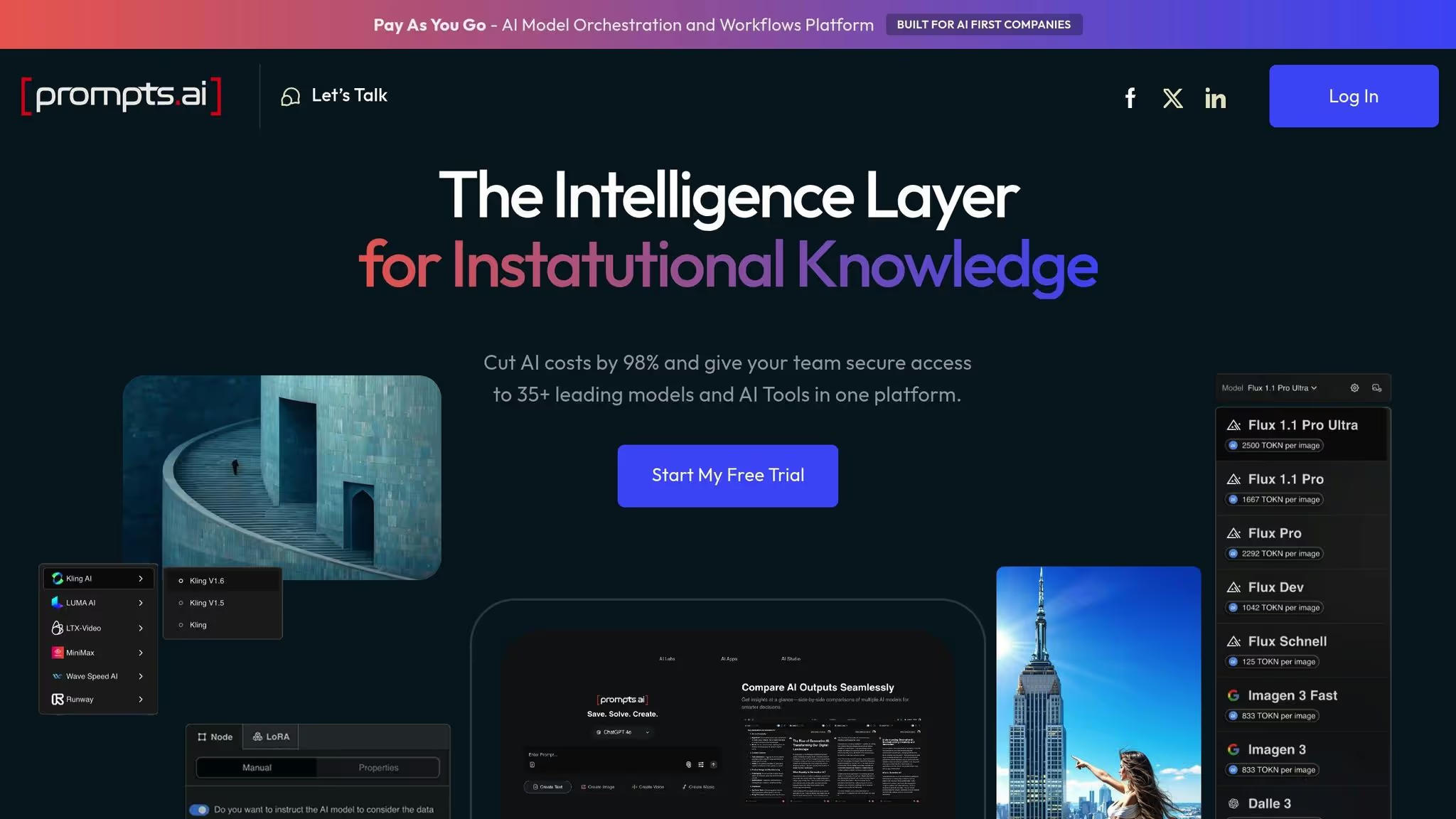
يمثل Prompts.ai تحولًا نحو تكامل الذكاء الاصطناعي المبسط والمركزي للشركات. تم إنشاء منصة تنسيق الذكاء الاصطناعي هذه على مستوى المؤسسات من قبل المدير الإبداعي الحائز على جائزة إيمي ستيفن بي سيمونز، وهي تربط المستخدمين بأكثر من 35 نموذجًا رائدًا للذكاء الاصطناعي من خلال واجهة واحدة آمنة. تضع هذه النظرة العامة على Prompts.ai الأساس لمقارنة المنصات الأخرى في الصناعة.
في قلب Prompts.ai يوجد نظامها البيئي النموذجي الشامل، والذي يتضمن نماذج اللغات الكبيرة الرئيسية مثل GPT-5، كلود، لاما، جيميني، وغروك-4، إلى جانب الأدوات المتخصصة مثل Flux Pro وKling، المصممة خصيصًا للمهام الإبداعية. يسمح هذا الوصول المركزي للفرق بتقييم النماذج جنبًا إلى جنب، وتبسيط القرارات لمهام مثل إنشاء المحتوى أو تحليل البيانات أو أتمتة خدمة العملاء. من خلال دمج هذه الأدوات في منصة واحدة، يمكن للمؤسسات تبني قدرات الذكاء الاصطناعي المتطورة دون الحاجة إلى إصلاح كامل للبنية التحتية.
يحول Prompts.ai تجارب الذكاء الاصطناعي إلى عمليات منظمة وقابلة للتكرار. من خلال ميزات مثل المشغلات الآلية وسير العمل المتسلسل، فإنه يتكامل بسلاسة مع أدوات الأعمال المستخدمة على نطاق واسع مثل Slack و Gmail و تريلو. هذا يضمن ذلك رؤى تعتمد على الذكاء الاصطناعي، يتم دمج المحتوى والاستجابات بسهولة في عمليات سير العمل اليومية، مما يعزز الإنتاجية عبر الأقسام. سواء كان الأمر يتعلق بالمبيعات أو التسويق أو العمليات، يمكن للفرق الاعتماد على Prompts.ai لتبسيط المهام وتحسين الكفاءة.
يعد الأمان حجر الزاوية في عروض مؤسسة Prompts.ai. تتوافق المنصة مع المعايير الصارمة مثل SOC 2 Type II و HIPAA و GDPR، مما يوفر الشفافية الكاملة وقابلية التدقيق لجميع تفاعلات الذكاء الاصطناعي. تتيح مراقبة الامتثال المضمنة للمؤسسات فرض الحوكمة على نطاق واسع، بينما يتم التعامل مع البيانات الحساسة وفقًا للوائح الصناعة. المنصة مركز الثقة يوفر رؤية في الوقت الفعلي لسياسات الأمان والضوابط والوضع العام، مما يضمن راحة البال للشركات التي تتعامل مع البيانات الهامة.
يعمل Prompts.ai على تبسيط إدارة التكاليف من خلال دمج الاشتراكات وإدخال نظام ائتمان Pay-As-You-Go TOKN، والذي يعمل على مواءمة الإنفاق مع الاستخدام الفعلي. يمكن لهذا النهج تقليل نفقات برامج الذكاء الاصطناعي بنسبة تصل إلى 98٪، مما يلغي الاشتراكات الزائدة عن الحاجة. بالإضافة إلى ذلك، تتيح إمكانات FinOps الخاصة بالمنصة التتبع في الوقت الفعلي لاستخدام الرمز المميز عبر النماذج والفرق. يمكن للفرق المالية تعيين تنبيهات الميزانية وتحليل اتجاهات الاستخدام وربط الإنفاق على الذكاء الاصطناعي مباشرة بنتائج الأعمال القابلة للقياس وعائد الاستثمار.
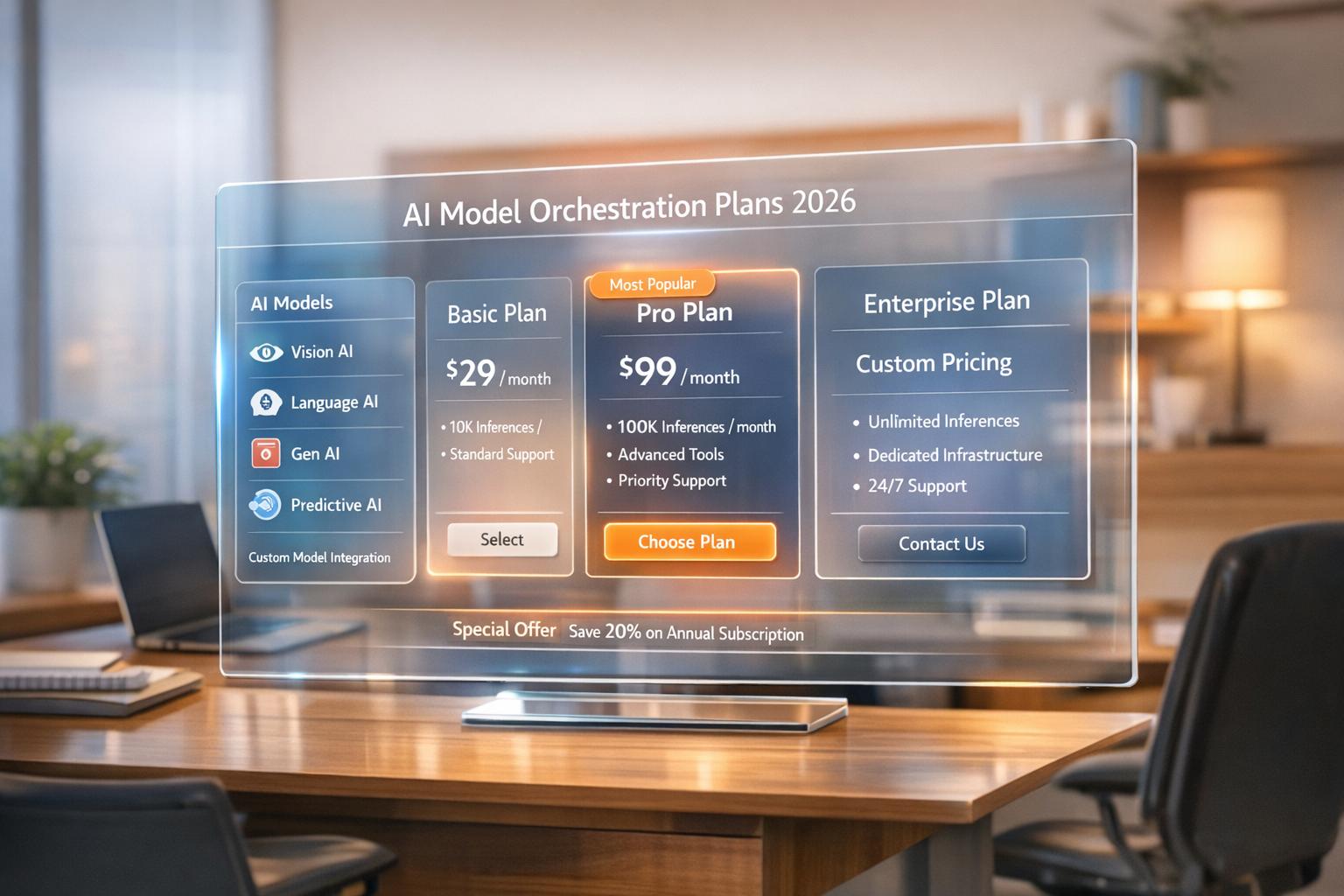
تم تصميم Prompts.ai للنمو مع الشركات، وهو يستوعب كلاً من الفرق الصغيرة والمؤسسات العالمية من خلال بنيته متعددة المستأجرين وعالية التوفر. تقدم خطط Business AI الخاصة بها - Core (99 دولارًا في الشهر) و Pro (119 دولارًا في الشهر) و Elite (129 دولارًا شهريًا لكل عضو) - ميزات مصممة خصيصًا وحوكمة محسّنة ودعمًا مخصصًا. بالنسبة للمؤسسات الكبيرة، تضمن الميزات على مستوى المؤسسة مثل تكامل إدارة الهوية أن يظل توسيع نطاق اعتماد الذكاء الاصطناعي آمنًا ومتوافقًا.
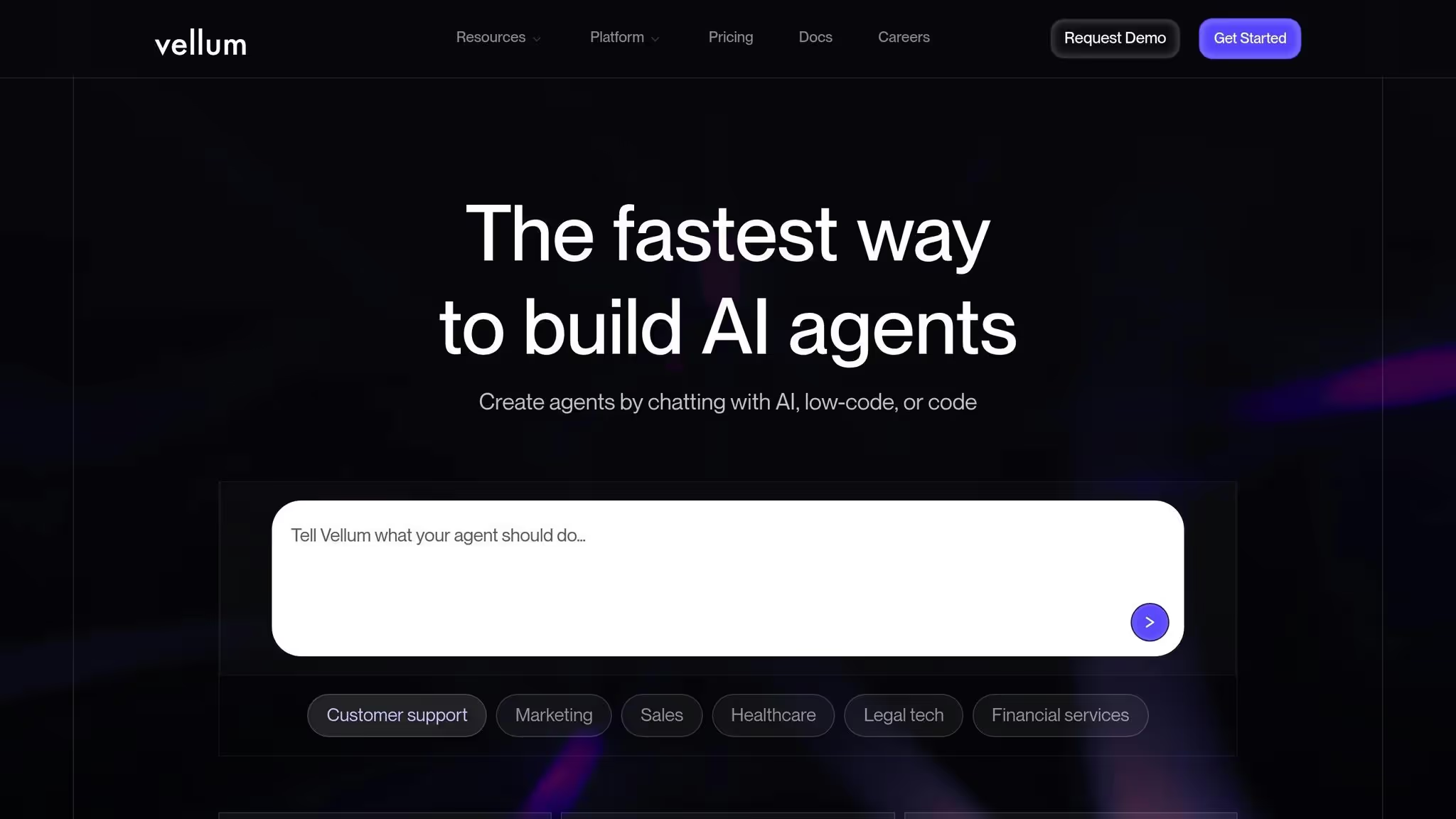
تصف Vellum.ai نفسها بفخر بأنها «أسرع طريقة لبناء وكلاء الذكاء الاصطناعي» تقديم منصة تبسط الأتمتة المتطورة من خلال اللغة الطبيعية. من خلال إزالة الحاجة إلى الترميز المعقد، فإنه يسد الفجوة بين تطوير الذكاء الاصطناعي المتقدم وحلول الأعمال العملية، مما يسمح للمستخدمين بإنشاء وكلاء بلغة إنجليزية بسيطة.
في صميم قدرات Vellum.ai هي قدرتها على إنشاء منطق سير العمل والأدوات وعمليات التكامل تلقائيًا استنادًا إلى الأوصاف المقدمة من المستخدم. بدلاً من مطالبة المستخدمين بتكوين نماذج الذكاء الاصطناعي الفردية يدويًا، تفسر المنصة المتطلبات التفصيلية المكتوبة بلغة إنجليزية بسيطة وتبني الاتصالات الضرورية بسلاسة. تعمل هذه العملية المبسطة على تقليل الحواجز الفنية لغير المطورين مع الحفاظ على المرونة التي يحتاجها المطورون للتكوينات الأكثر تقدمًا.
يتألق Vellum.ai في أتمتة العمليات التجارية المعقدة بأقل جهد. تدعم المنصة ثلاث طرق رئيسية لإنشاء وكلاء الذكاء الاصطناعي: الذكاء الاصطناعي للمحادثة، والواجهات ذات التعليمات البرمجية المنخفضة، وخيارات الترميز التقليدية.
تسلط الأمثلة العملية الضوء على تنوعها. على سبيل المثال، برنامج الدردشة الآلي لدعم العملاء يمكن تصنيف الرسائل الواردة إلى فئات مثل الفواتير والمدفوعات أو تعليمات المنتج أو إدارة الحساب. يستخدم قواعد بيانات الدعم للرد على الاستفسارات القياسية وتصعيد المشكلات الأكثر تعقيدًا من خلال تلخيصها وإخطار أعضاء الفريق عبر Slack. مثال آخر هو مساعد التصعيد التي تحدد تذاكر الدعم ذات الأولوية العالية، وتعيينها للمهندسين المناسبين في خطي، وتشارك الملخصات التفصيلية في قنوات Slack.
وكلاء آخرون، مثل متتبع التجديد، وضح كيف يمكن لـ Vellum.ai تحسين العمليات التجارية. تقوم هذه الأداة بالمسح هوب سبوت بالنسبة للصفقات التي تقترب من التجديد في غضون 60 يومًا، يقوم بتقييم مخاطر التجديد بناءً على التواصل مع العملاء وأنماط الاستخدام، ويرسل ملخصات المخاطر الأسبوعية مع توصيات قابلة للتنفيذ إلى مالكي الحسابات وقنوات Slack.
يتم دعم إمكانات الأتمتة هذه من خلال إجراءات أمنية قوية، مما يجعل النظام الأساسي مناسبًا لبيئات المؤسسات الصعبة.
يضمن Vellum.ai التعامل مع جميع البيانات الحساسة بأمان والاجتماع معايير الامتثال لـ SOC 2 من النوع 2 و HIPAA. كما يوفر خيارات نشر مرنة، بما في ذلك VPC والإعدادات المحلية، لاستيعاب المؤسسات ذات الإقامة الصارمة للبيانات أو الاحتياجات الأمنية.
بالإضافة إلى الامتثال، تم تصميم المنصة لدعم عمليات نشر المؤسسات على نطاق واسع.
يمكّن Vellum.ai الشركات من «نشر وكلاء الذكاء الاصطناعي على نطاق واسع» مع بنية تحتية مصممة للتبني على مستوى المؤسسة. يمكن تضمين الوكلاء في التطبيقات عبر SDK أو API، أو مشاركتهم داخليًا لاستخدام الفريق، أو نشرهم خارجيًا بنقرة واحدة.
للحفاظ على الجودة والأداء، تتضمن المنصة أدوات مراقبة شاملة. تسمح وحدة التحكم sandbox للمطورين باختبار الوكلاء بدقة أثناء مرحلة التطوير، بينما تساعد مراجعات المحادثة بعد الإطلاق على تحسين أداء الوكيل. تضمن ميزات التقييم المضمنة نتائج متسقة عبر عمليات النشر واسعة النطاق، وتسهل أدوات إدارة الفريق التعاون ومشاركة الوكلاء عبر الأقسام أو المؤسسات.
من خلال تركيزها على الأتمتة والأمان وقابلية التوسع، توفر Vellum.ai حلاً قويًا للشركات التي تتطلع إلى دمج الذكاء الاصطناعي في عملياتها بكفاءة.
Apache Airflow عبارة عن منصة مفتوحة المصدر مصممة لتنظيم عمليات سير العمل المعقدة. تم تطويره في البداية بواسطة Airbnb وتتم إدارتها الآن من قبل مؤسسة أباتشي للبرمجيات، فقد أصبحت أداة تستخدم لإدارة عمليات سير العمل المعقدة، بما في ذلك خطوط أنابيب البيانات وعمليات الذكاء الاصطناعي.
ينظم Airflow عمليات سير العمل باستخدام الرسوم البيانية غير الدورية الموجهة (DAGs)، والتي تحدد تسلسل المهام وتبعياتها. يتم تكوين عمليات سير العمل هذه باستخدام Python، مما يسمح للمستخدمين بإنشاء عوامل تشغيل وخطافات مخصصة تتكامل بسلاسة مع الأدوات والخدمات المختلفة. توفر واجهته المرئية سهلة الاستخدام المراقبة في الوقت الفعلي واستكشاف الأخطاء وإصلاحها، مما يسهل الإشراف على العمليات.
تسمح ميزات جدولة النظام الأساسي بتنفيذ عمليات سير العمل في أوقات محددة أو استجابة للمشغلات. كما تعمل أيضًا على أتمتة إدارة التبعية، مما يضمن إكمال كل مهمة بنجاح قبل بدء المهمة التالية.
تتيح البنية الموزعة لـ Airflow التوسع الأفقي عبر العقد العاملة المتعددة، مما يجعلها مناسبة تمامًا للتعامل مع عمليات سير العمل كثيفة الموارد. بالنسبة لعمليات النشر على مستوى المؤسسة، تدعم Airflow العديد من المنفذين، مثل Kubernetes Executor، الذي يضبط الموارد ديناميكيًا بناءً على متطلبات سير العمل. يسمح توافقه مع البنية التحتية السحابية للمؤسسات بدمج الخدمات السحابية مع الحفاظ على التحكم المركزي في عمليات سير العمل.
يتضمن Apache Airflow التحكم في الوصول المستند إلى الأدوار (RBAC) لإدارة أذونات المستخدم بفعالية. إنه يتكامل مع أنظمة مصادقة المؤسسات مثل LDAP و OAuth و SAML، مما يضمن التزام سير العمل بأطر الأمان الحالية. تعمل ميزات تسجيل التدقيق على تحسين فائدتها من خلال تتبع عمليات تنفيذ سير العمل والتغييرات ومحاولات الوصول، مما يساعد المؤسسات على تلبية معايير الامتثال.
Kubeflow عبارة عن منصة تعلم آلي مفتوحة المصدر مصممة لتبسيط نشر وإدارة نماذج ML. تم تصميمه على Kubernetes، وهو يتيح الدمج السلس للنماذج في سير العمل التشغيلي مع دعم قابلية التوسع والمرونة.
بفضل إطارها المعياري، تسهل Kubeflow نشر النماذج في الإنتاج دون الحاجة إلى بنية تحتية واسعة النطاق. يعمل هذا الأسلوب على تبسيط كيفية دمج نماذج التعلم الآلي في عمليات سير العمل الحالية، مما يقلل من التعقيد بالنسبة للفرق.
يستخدم Kubeflow التحكم في الوصول المستند إلى الأدوار (RBAC) من Kubernetes لتعزيز الأمان. وهذا يضمن حماية البيانات ويساعد المؤسسات على تلبية المعايير التنظيمية، مما يجعلها خيارًا موثوقًا للتعامل مع المعلومات الحساسة.
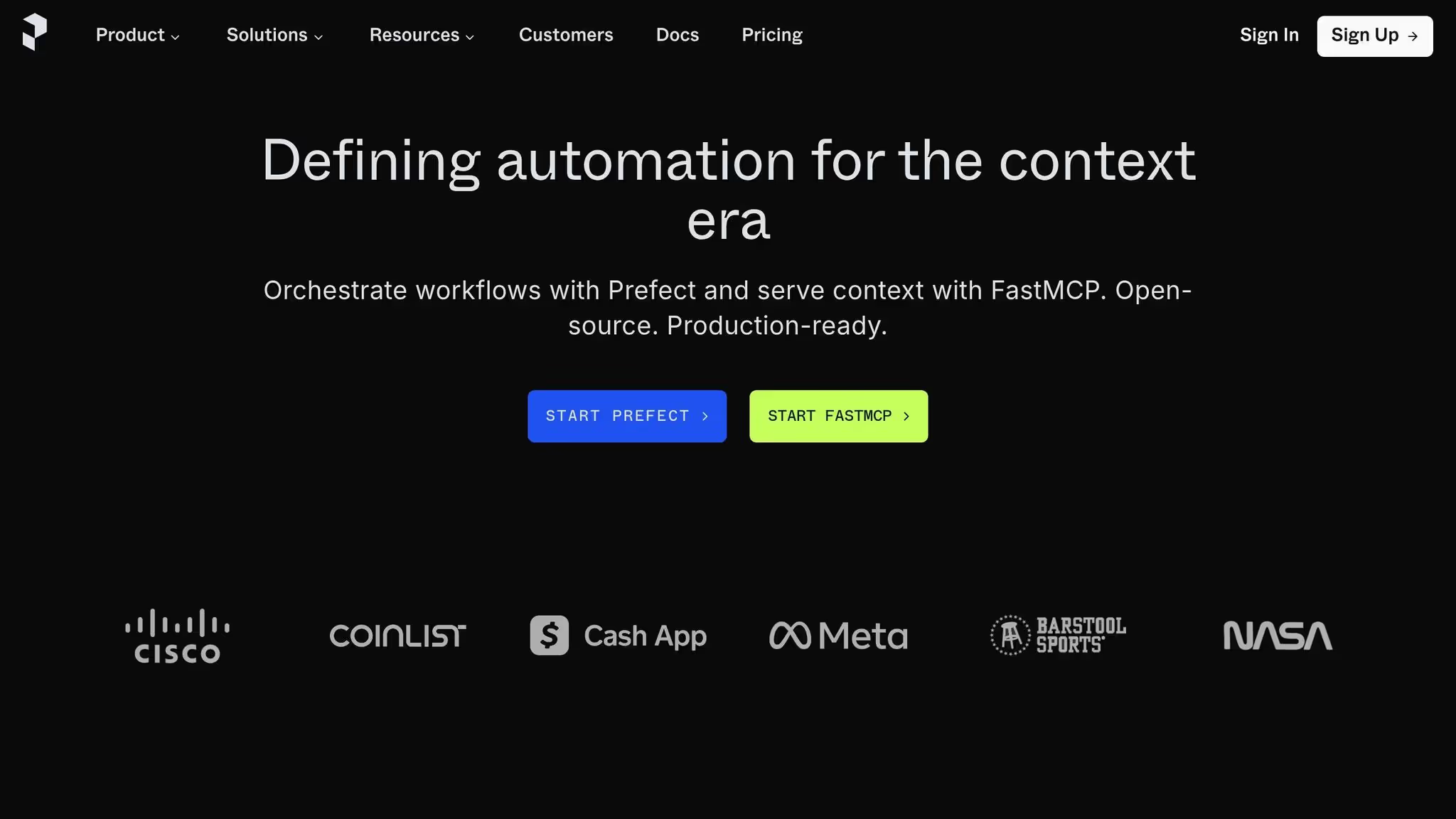
تعمل Prefect كمنصة لتنسيق سير العمل مصممة لمساعدة المستخدمين على إنشاء خطوط أنابيب البيانات وجدولتها ومراقبتها. ومع ذلك، هناك معلومات محدودة متاحة حول تكاملها مع الذكاء الاصطناعي، أو قدرتها على أتمتة العمليات، أو قابلية التوسع وميزات الأمان. هذا النقص في الوثائق التفصيلية يجعل من الصعب تقييم دورها المحتمل في عمليات سير العمل القائمة على الذكاء الاصطناعي. في المقابل، توفر منصات مثل Prompts.ai و Vellum.ai و Apache Airflow و Kubeflow وثائق شاملة ومفصلة، مما يسلط الضوء على فجوة ملحوظة في موارد Prefect المتاحة ويترك مجالًا لمزيد من التحقيق.
بعد استكشاف الميزات التفصيلية لكل منصة، دعنا نحلل نقاط القوة والقيود الأساسية. هذه المنصات تلبي الاحتياجات المختلفة، من قابلية التوسع وسهولة الاستخدام إلى تخصيص سير العمل. يعتمد اختيار الشخص المناسب على المهارات الفنية والبنية التحتية وأولويات التكامل لمؤسستك.
Prompts.ai تتميز بتكامل النموذج المركزي والتنسيق الموفر للتكاليف. تعتبر الواجهة وأدوات الحوكمة على مستوى المؤسسة مناسبة بشكل خاص للمؤسسات التي تعطي الأولوية للأمان والإدارة الفعالة للذكاء الاصطناعي.
من ناحية أخرى، Vellum.ai يركز على الإدارة السريعة والنشر السريع للوكلاء من خلال تكوين اللغة الطبيعية. يجدر التفكير فيما إذا كانت احتياجاتك تتوافق مع نهجها القائم على السرعة وقابلية التوسع.
تدفق هواء أباتشي يوفر تنسيقًا مرنًا للغاية لسير العمل يدعمه مجتمع نشط. ومع ذلك، فإنه يتطلب خبرة فنية كبيرة للإعداد والصيانة. وبالمثل، كيوبيفلو يوفر دعمًا قويًا لسير عمل التعلم الآلي المصمم خصيصًا لبيئات Kubernetes، على الرغم من أن تعقيده قد يشكل تحديات للفرق التي لا تتمتع بخبرة Kubernetes.
حاكم تم الإشادة به لتنسيقه الأصلي في Python وأدواته الصديقة للمطورين، إلى جانب إمكانية الملاحظة القوية. ومع ذلك، يجب على الفرق التأكد من أن قدرات التكامل الخاصة بالذكاء الاصطناعي تلبي متطلباتها من خلال الرجوع إلى وثائقها.
عند اختيار منصة، ضع في اعتبارك عوامل مثل كفاءة التكلفة وسهولة الاستخدام والخبرة الفنية وتوافق النظام. ستساعدك هذه العناصر على تحديد الحل الذي يتوافق بشكل أفضل مع أهداف تكامل الذكاء الاصطناعي لمؤسستك.
اختر منصة تكامل الذكاء الاصطناعي التي تناسب احتياجاتك الحالية مع توفير مساحة للنمو في المستقبل.
تتميز Prompts.ai بتركيزها على إدارة التكاليف والأمان. من خلال دمج تكامل النموذج، وتنفيذ ضوابط قوية للتكلفة، واستخدام نظام TOKN المرن للدفع أولاً بأول - حيث تتوافق النفقات بشكل مباشر مع الاستخدام - فإنه يوفر حلاً عمليًا وفعالًا. بينما تؤكد Prompts.ai على كفاءة التكلفة والأمان، قد تجلب المنصات الأخرى نقاط قوة مختلفة إلى الطاولة.
تعطي بعض المنصات الأولوية للنشر السريع أو تقدم ميزات قابلة للتخصيص بدرجة كبيرة. يجب أن يعتمد قرارك على متطلباتك الفنية وميزانيتك ونطاق احتياجات التكامل الخاصة بك.
إن دمج هذه الأدوات بفعالية في سير العمل الخاص بك يضمن لك تحقيق أقصى استفادة منها. ستحقق أفضل منصة التوازن الصحيح بين تقديم نتائج فورية ودعم قابلية التوسع المستقبلية.
عند اختيار منصة تكامل الذكاء الاصطناعي، من الضروري تحديد أولويات العوامل التي تناسب متطلبات عملك. ابدأ بضمان عروض المنصة سهولة التوافق مع أنظمتك الحالية، مثل واجهات برمجة التطبيقات أو موصلات البيانات، لضمان عملية تكامل سلسة. بنفس القدر من الأهمية المرونة، مما يتيح لك ضبط الميزات لتتماشى مع نمط علامتك التجارية وسير العمل التشغيلي.
جانب رئيسي آخر هو المنصة قدرات معالجة اللغة الطبيعية (NLP)، والتي يجب أن تكون قوية بما يكفي لإدارة مجموعة متنوعة من تفاعلات العملاء بفعالية. أخيرًا، قم بتقييمه القدرة على التوسع، مما يضمن إمكانية نموها جنبًا إلى جنب مع عملك والتكيف مع المتطلبات المتغيرة. من خلال التركيز على هذه العناصر، ستختار منصة تدعم أهدافك وتوفر فوائد دائمة.
يركز Prompts.ai بشدة على أمان البيانات والخصوصية من خلال التوافق مع معايير المستوى الأعلى مثل SOC 2 من النوع الثاني، هيبا، و GDPR. تطبق المنصة استراتيجيات مجربة لحماية المعلومات الحساسة والحفاظ على الخصوصية طوال عملياتها.
لضمان اليقظة المستمرة، تتعاون Prompts.ai مع فانتا لتتبع الإجراءات الأمنية في الوقت الفعلي. علاوة على ذلك، بدأت الشركة عملية تدقيق SOC 2 من النوع الثاني في 19 يونيو 2025، مما يسلط الضوء على تفانيها في الامتثال الصارم والعمليات الشفافة.
ال نظام ائتمان TOKN في Prompts.ai يفتح الباب أمام مجموعة متنوعة من الأدوات التي تعتمد على الذكاء الاصطناعي، بما في ذلك إنشاء النصوص والصور والفيديو والصوت والموسيقى. مع ائتمانات TOKN، تدفع فقط مقابل ما تستخدمه، مع الحفاظ على النفقات تحت السيطرة وتقديم خيار مرن للشركات من أي حجم.
يأتي Prompts.ai أيضًا مزودًا بجهاز مدمج طبقة FinOps، مصممة لمراقبة كل تفاعل وتحسينه لتحقيق الكفاءة من حيث التكلفة. توفر هذه الميزة للفرق رؤى في الوقت الفعلي حول الاستخدام والإنفاق وعائد الاستثمار، مما يساعد على تخصيص الموارد بحكمة وتحقيق وفورات كبيرة.