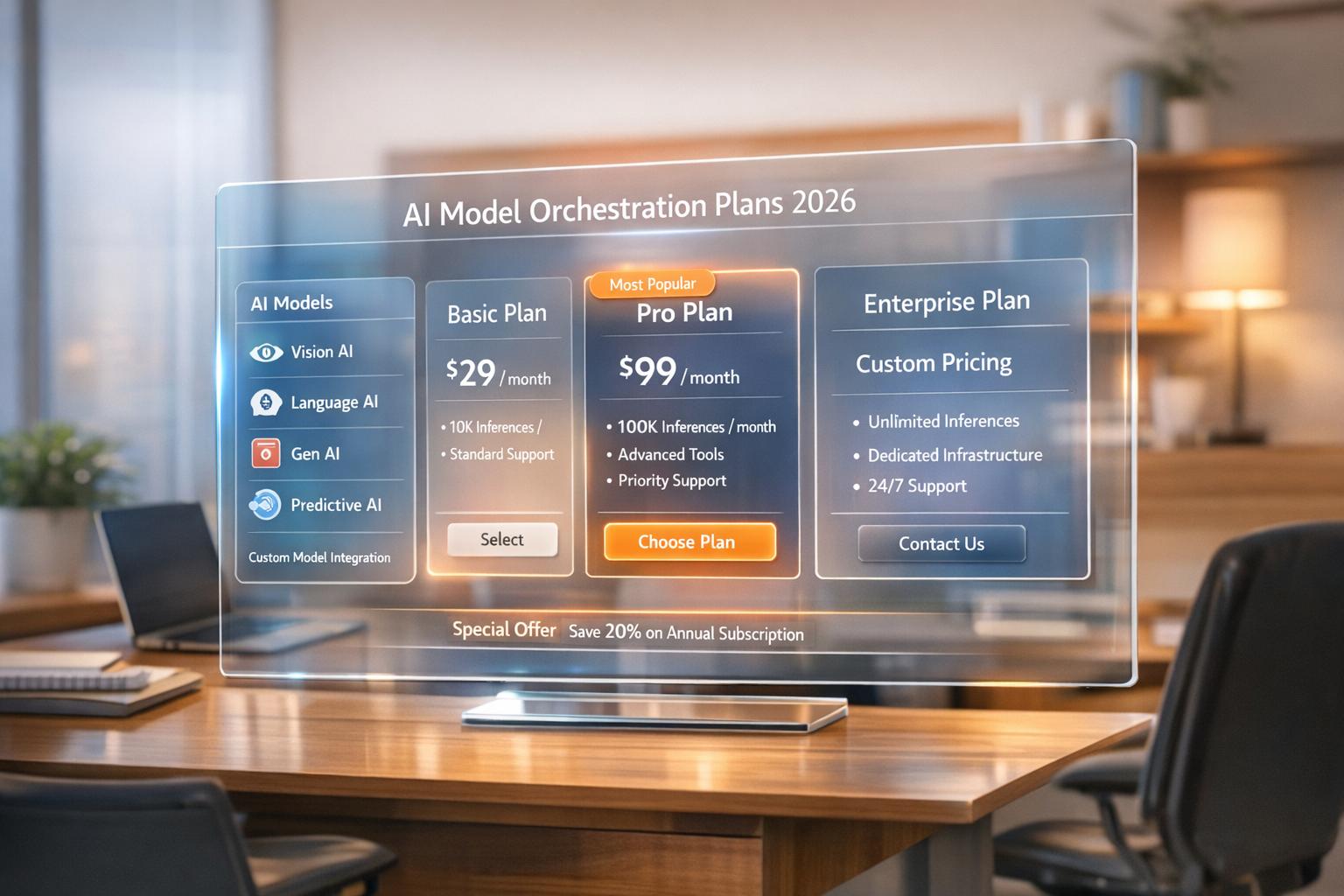
Pay As You Goإصدار تجريبي مجاني لمدة 7 أيام؛ لا يلزم وجود بطاقة ائتمان



تخلص من فوضى الذكاء الاصطناعي وأوجه عدم الكفاءة باستخدام الأدوات المناسبة. منصات الذكاء الاصطناعي التعاونية قم بتبسيط سير العمل وأتمتة المهام ودمج أنظمة متعددة لتعزيز إنتاجية الفريق. سواء كنت تدير المطالبات أو تنظم سير العمل أو تقوم بأتمتة المهام المتكررة، فقد تم تصميم هذه الأدوات لتلبية احتياجات الفريق المتنوعة. فيما يلي ملخص سريع لستة منصات رائدة:
تلبي كل منصة احتياجات محددة، من الشركات الناشئة إلى الشركات الكبيرة. فيما يلي، نتعمق في ميزاتها وقيودها وحالات استخدامها لمساعدتك في العثور على الملاءمة المثالية لفريقك.
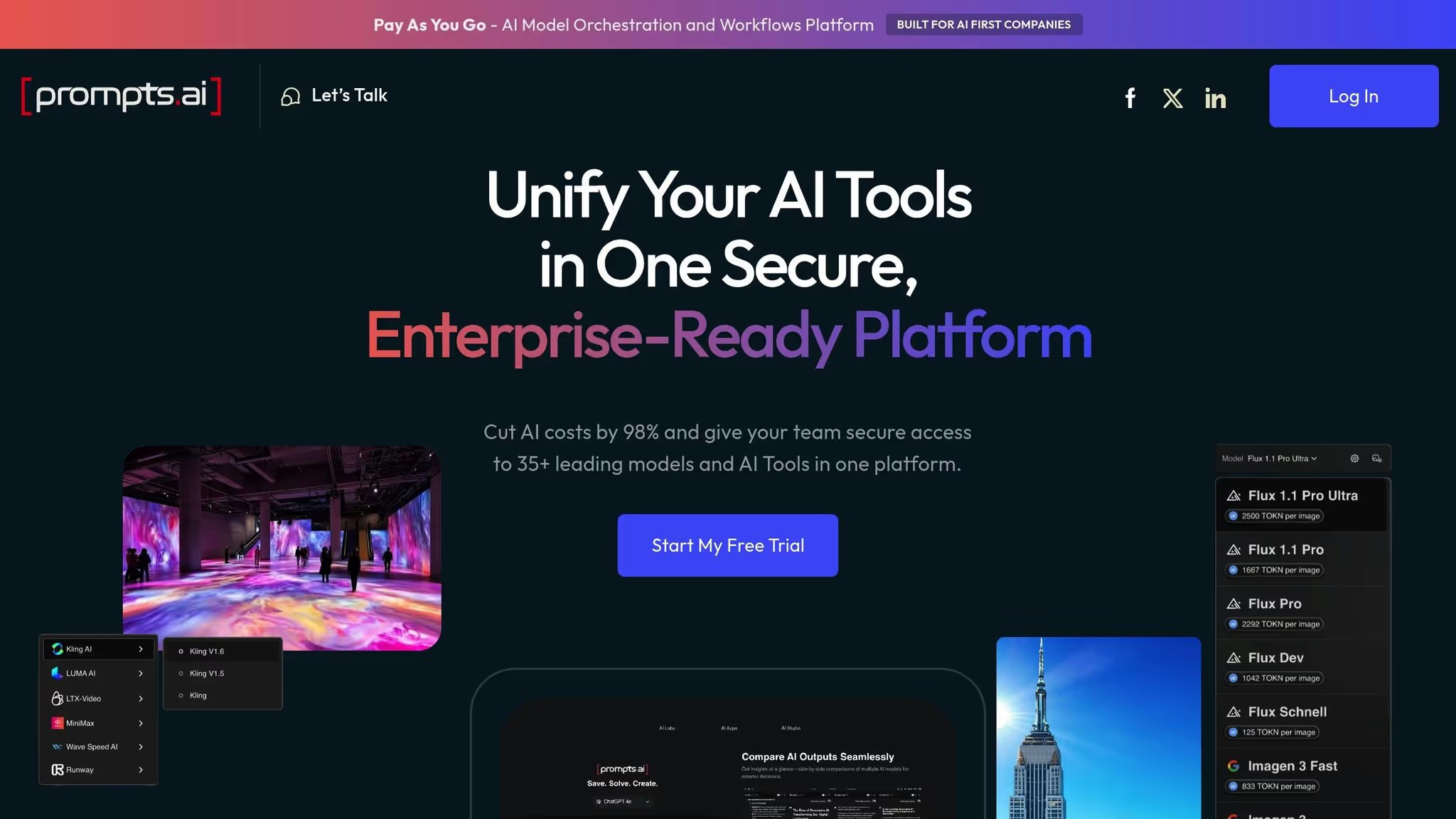
Prompts.ai عبارة عن منصة تنسيق قوية للذكاء الاصطناعي مصممة لفرق المؤسسات، وتوفر الوصول إلى أكثر من 35 نموذجًا رائدًا للذكاء الاصطناعي من خلال واجهة واحدة. بدلاً من التوفيق بين الاشتراكات المنفصلة لأدوات مثل GPT، كلود، الجوزاءوغيرها، يبسط Prompts.ai العملية من خلال دمج هذه الموارد في مكان واحد. يساعد هذا النهج المبسط المؤسسات على مواجهة تحديات انتشار الأدوات، حيث تتبنى الإدارات المختلفة حلول الذكاء الاصطناعي المختلفة، مما يؤدي إلى عدم الكفاءة والصوامع والنفقات غير الضرورية.
تم تصميم المنصة مع وضع المستخدمين التقنيين وغير التقنيين في الاعتبار، مما يتيح التعاون السلس بين الفرق المتنوعة، بما في ذلك التسويق وتطوير المنتجات والقيادة التنفيذية - كل ذلك دون الحاجة إلى تدريب مكثف على أدوات الذكاء الاصطناعي الفردية.
يوفر Prompts.ai مجموعة من الأدوات لتعزيز العمل الجماعي، بما في ذلك السبورات البيضاء لتبادل الأفكار و مستندات تعاونية للتخطيط في الوقت الفعلي. تسمح هذه الميزات للفرق بتحسين المطالبات وتجربة الاستراتيجيات وتوثيق النتائج التي توصلوا إليها - كل ذلك ضمن منصة واحدة.
تشمل أدوات التعاون الرئيسية ما يلي:
«اجعل فرقك تعمل معًا بشكل أوثق، حتى لو كانت متباعدة. قم بتجميع الاتصالات المتعلقة بالمشروع في مكان واحد، وتبادل الأفكار باستخدام اللوحات البيضاء، وقم بصياغة الخطط جنبًا إلى جنب مع المستندات التعاونية.» - Heanri Dokanai، UI Design
لاستيعاب الفرق من جميع الأحجام، تقدم Prompts.ai خطط تسعير مرنة. ال خطة المنشئ يدعم ما يصل إلى 5 متعاونين، خطة حل المشكلات يسمح بما يصل إلى 99، و خطط الأعمال توفر (Core و Pro و Elite) عددًا غير محدود من المتعاونين جنبًا إلى جنب مع ميزات مثل TOKN Pooling و Storage Pooling لمشاركة الموارد بكفاءة.
Prompts.ai يربط المستخدمين بأفضل نماذج الذكاء الاصطناعي - مثل GPT-5، كلود، لاماو Gemini و Flux Pro و Kling - من خلال منصة موحدة، مما يلغي الحاجة إلى إدارة اشتراكات متعددة أو تعلم واجهات مختلفة. كما أنه يتكامل بسلاسة مع الأدوات الشائعة مثل سلاك، Gmail، و تريلو، مما يمكّن الفرق من التشغيل الآلي لسير العمل دون مغادرة البيئات المفضلة لديهم.
ال عمليات سير العمل القابلة للتشغيل المتبادل الميزة، المضمنة في الخطط على مستوى الأعمال، تضمن عمل الأنظمة المختلفة معًا بسلاسة. على سبيل المثال، في يونيو 2025، استخدم يوهانس ف.، مدير الذكاء الاصطناعي المستقل، Prompts.ai لتنظيم فيديو ترويجي لـ بريتلينغ والقوات الجوية الفرنسية، بالاستفادة من العديد من أدوات الذكاء الاصطناعي المتخصصة. في مشروع آخر، استخدم يوهانس منتصف الرحلة للتوليد المرئي وتدريب نموذج LoRa لتكييف فيلم خيالي BMW سيارة نموذجية في بيئات مختلفة. تسلط هذه الأمثلة الضوء على كيفية عمل Prompts.ai كمحور مركزي للمشاريع المعقدة متعددة الأدوات.
يعمل Prompts.ai على تحسين الإنتاجية من خلال أتمتة المقارنة بين الإصدارات السريعة والنتائج. تسمح هذه الأتمتة للفرق بالتركيز على القرارات الإستراتيجية مع ضمان التطوير الفوري المتسق والفعال. من خلال العمل كمصدر وحيد للحقيقة، تعمل المنصة على تبسيط التعاون وتعزيز الكفاءة الشاملة.
يعد الأمان والامتثال جزءًا لا يتجزأ من تصميم Prompts.ai. تلتزم المنصة بمعايير الصناعة، بما في ذلك أطر SOC 2 Type II و HIPAA و GDPR، لحماية بيانات المستخدم. في يونيو 2025، دخلت Prompts.ai في شراكة مع فانتا لإطلاق عملية تدقيق SOC 2 Type II، مما يعزز التزامها بالأمن على مستوى المؤسسة. مخصص مركز الثقة يقدم تحديثات في الوقت الفعلي حول سياسات الأمان والضوابط والامتثال.
بالنسبة لمستخدمي المؤسسات، يوفر Prompts.ai أدوات حوكمة قوية، بما في ذلك مراقبة الامتثال و إدارة الحوكمة. تمنح هذه الميزات المؤسسات رؤية كاملة لتفاعلات الذكاء الاصطناعي، واستخدام نموذج التتبع، والنشاط السريع، ومعالجة البيانات - وهي ضرورية للصناعات ذات المتطلبات التنظيمية الصارمة. بالإضافة إلى الامتثال، تم تصميم المنصة للتكيف مع نمو المؤسسات، مما يضمن أنها تلبي الاحتياجات المتطورة.
تدعم بنية Prompts.ai مجموعة واسعة من المستخدمين، من الفرق الإبداعية الصغيرة إلى الشركات الكبيرة. إنها خدمة الدفع أولاً بأول نظام ائتمان TOKN يعمل على مواءمة التكاليف مع الاستخدام الفعلي، مما يساعد المؤسسات على خفض نفقات الذكاء الاصطناعي. يمكن للفرق إضافة النماذج والمستخدمين والموارد بسهولة دون الحاجة إلى تغييرات كبيرة في البنية التحتية. لمزيد من دعم التوسع، فإن شهادة مهندس سريع يزود البرنامج الفرق بالمهارات اللازمة لتحسين سير العمل والحفاظ على أفضل الممارسات مع توسع اعتماد الذكاء الاصطناعي.
أباتشي إيرفلوفر، تم تطويره في الأصل بواسطة Airbnb في عام 2014، هي عبارة عن منصة مفتوحة المصدر مصممة لإدارة عمليات سير عمل البيانات المعقدة باستخدام Python. على الرغم من أنه لم يتم إنشاؤه خصيصًا للتعاون في مجال الذكاء الاصطناعي، إلا أن طبيعته القابلة للبرمجة توفر التنوع اللازم لتحديد وإدارة عمليات سير العمل المعقدة. هذه القدرة على التكيف تجعلها رفيقًا قيمًا للفرق الفنية التي تتعامل مع العمليات المعقدة المليئة بالبيانات جنبًا إلى جنب مع أدوات مثل Prompts.ai، التي تركز على تركيز التعاون في نموذج الذكاء الاصطناعي.
يعمل Zapier كمركز أتمتة قوي، حيث يربط الآلاف من تطبيقات الأعمال لتبسيط سير العمل دون الحاجة إلى أي ترميز. إنه يعتني بالمهام المتكررة ويضمن التبادل السلس للبيانات بين الأدوات المختلفة.
في جوهرها، تتفوق Zapier كمنصة تكامل مركزية. يسمح بالتطبيقات الشائعة مثل الفكرة، تكبير، غوغل وورك سبيس، و عمل للتواصل بسلاسة، وتمكين الفرق من إنشاء عمليات سير عمل تمتد عبر النظم البيئية للبرامج المختلفة. من خلال دعم أكثر من 1300 تطبيق أعمال، توفر Zapier شبكة واسعة تساعد الفرق على توحيد أدواتها والحفاظ على الاتساق عبر مجموعة التكنولوجيا الخاصة بها. يشكل هذا التوافق الواسع أساس قدرات التشغيل الآلي الخاصة بها.
يمكّن Zapier الفرق من إنشاء عمليات سير عمل آلية، تُعرف باسم Zaps، باستخدام نظام الزناد والعمل. على سبيل المثال، عندما يحدث حدث معين في أحد التطبيقات، يقوم Zapier تلقائيًا بتشغيل إجراء مماثل في تطبيق آخر. يقلل هذا الأسلوب بشكل كبير من الحاجة إلى إدخال البيانات يدويًا. بالإضافة إلى ذلك، يدعم Zapier عمليات سير العمل متعددة الخطوات، مما يسمح للفرق بتوصيل أكثر من تطبيقين والتعامل مع مهام التشغيل الآلي الأكثر تعقيدًا بسهولة.
بينما يبسط Zapier الأتمتة، فإنه يثير أيضًا اعتبارات مهمة حول سلامة البيانات والامتثال. نظرًا لأنه يسهل نقل البيانات بين التطبيقات المتصلة، يجب على المؤسسات تقييم كيفية توافق النظام الأساسي مع بروتوكولات الأمان ومعايير الامتثال الخاصة بها. وهذا أمر بالغ الأهمية بشكل خاص عند التشغيل الآلي لعمليات سير العمل التي تتعامل مع المعلومات الحساسة، مما يضمن بقاء الحوكمة والأمان على رأس الأولويات.
تأخذ n8n إدارة سير العمل إلى مستوى آخر من خلال عمليات الدمج الذكية، لا سيما مع أدوات مثل awork. يقلل هذا الاتصال بمنصة إدارة المشروع من الحاجة إلى التحديثات اليدوية والحفاظ على تفاصيل المشروع محدثة وتحسين التواصل الجماعي. من خلال التشغيل الآلي للمهام المتكررة، تساعد n8n الفرق على التركيز على الأمور الأكثر أهمية مع ضمان بقاء عمليات سير العمل سلسة وفعالة.
واحدة من ميزات n8n البارزة هي محرر سير العمل المرئي. تم تصميمه ليكون سهل الاستخدام، وهو يمكّن المستخدمين التقنيين وغير التقنيين من إنشاء تسلسلات أتمتة مخصصة دون الحاجة إلى مهارات ترميز متقدمة. تعمل واجهته القائمة على العقد على تسهيل ربط الخدمات المختلفة، مما يمكّن الفرق من تصميم عمليات سير العمل المصممة وفقًا لاحتياجاتهم الخاصة.
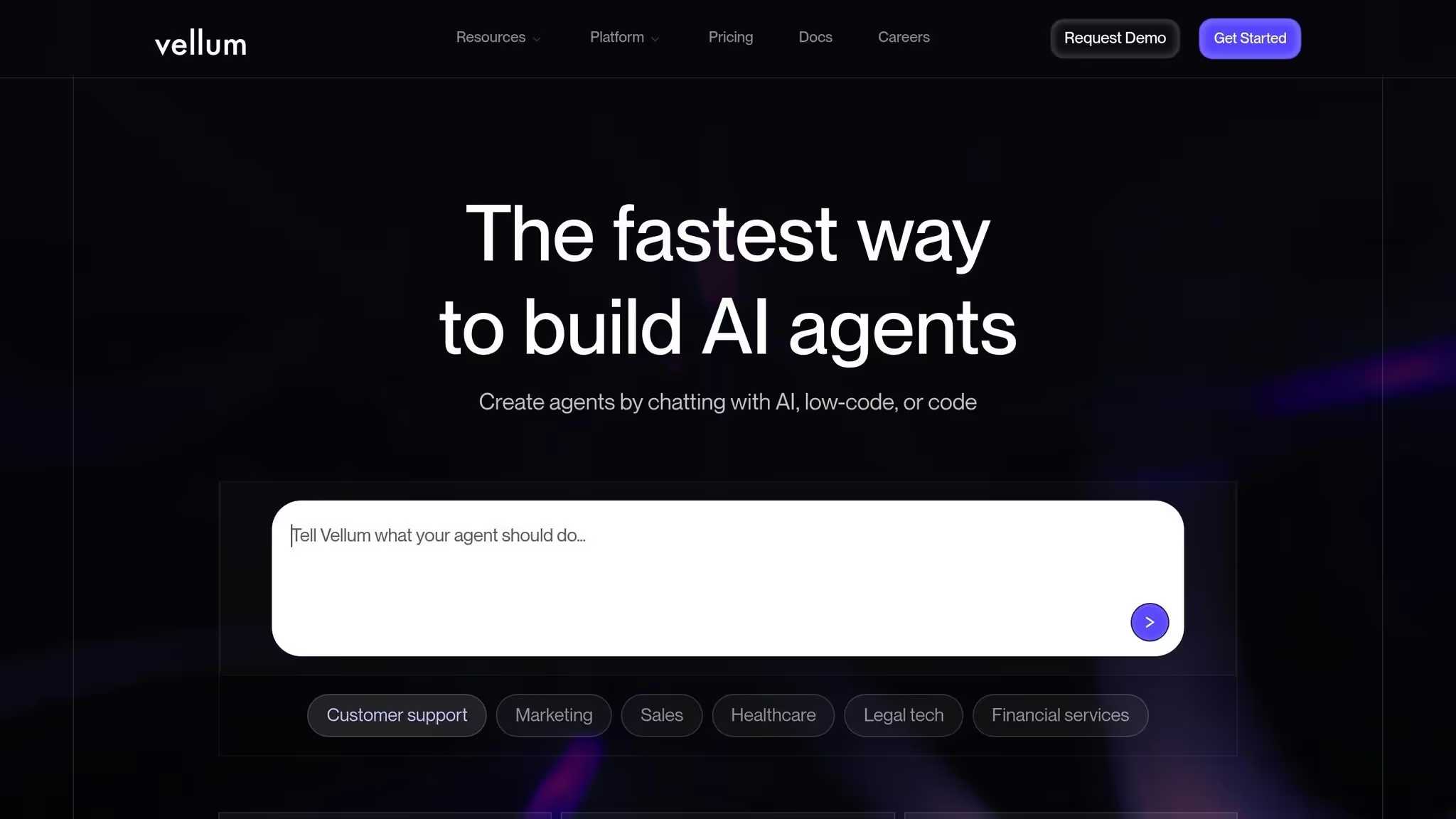
تم تقديم Vellum AI كمنصة مصممة لتطوير ونشر تطبيقات الذكاء الاصطناعي. ومع ذلك، فإن المعلومات المتاحة للجمهور حول ميزاته محدودة بشكل ملحوظ. هذا النقص في الوثائق التفصيلية يميزها عن المنصات التي تمت مناقشتها سابقًا، حيث يلعب التوثيق الشامل دورًا حيويًا في تقييم البرامج لمشاريع الذكاء الاصطناعي القائمة على الفريق.
لا توفر الموارد المتاحة رؤى محددة حول قدرات Vellum AI للتعاون أو التكامل أو التشغيل الآلي لسير العمل أو الحوكمة. هذا يترك المستخدمين المحتملين دون فهم واضح لكيفية دعم المنصة للعمل الجماعي أو جهود التطوير المشتركة.
لا توجد معلومات يمكن الوصول إليها للجمهور فيما يتعلق بكيفية تكامل Vellum AI مع الأدوات الحالية أو ما إذا كانت تدعم قابلية التشغيل البيني مع العديد من موفري نماذج اللغات الكبيرة. هذا الغياب للتفاصيل يجعل من الصعب تقييم مرونتها في الاتصال بالأنظمة الأخرى.
لا توضح الوثائق أي عمليات أو أدوات مؤتمتة قد تبسط عمليات التطوير أو الاختبار أو النشر. قد يمثل هذا النقص في الوضوح تحديًا للفرق التي تتطلع إلى تبسيط عملياتها.
لا يتم الكشف عن تفاصيل حول نهج Vellum AI للحوكمة، مثل عمليات التدقيق أو معايير الامتثال أو ممارسات إدارة البيانات، في المواد المتاحة. بالنسبة للمؤسسات ذات المتطلبات الأمنية أو التنظيمية الصارمة، يمكن أن يكون هذا النقص في الشفافية مصدر قلق.
بالنسبة للفرق أو المنظمات ذات الاحتياجات الخاصة، يوصى بالتواصل مع Vellum AI مباشرة للحصول على معلومات أكثر تفصيلاً. بالمقارنة مع المنصات الأخرى ذات الوثائق الشاملة والتي يمكن الوصول إليها، فإن التفاصيل المحدودة المتاحة للجمهور على Vellum AI تسلط الضوء على أهمية إجراء مزيد من البحث قبل التفكير في استخدامها، خاصة لأولئك الذين يعطون الأولوية للتكامل والتعاون في سير العمل.

تم تصميم IBM watsonx Orchestrate للمؤسسات التي تهدف إلى تبسيط وأتمتة العمليات الروتينية، على الرغم من عدم توفر تفاصيل محددة حول ميزاته على نطاق واسع. ولفهم إمكانياتها بشكل كامل في التعاون والأتمتة والأمان، نشجع الشركات على التواصل مع IBM مباشرة.
بينما يتم تسويق IBM watsonx Orchestrate للاستخدام المؤسسي، لم يتم تفصيل أدوات التعاون الخاصة بالمنصة علنًا.
تعطي المنصة الأولوية لأتمتة مهام الأعمال المتكررة لمساعدة الموظفين على التركيز على المسؤوليات الأكثر أهمية. ومع ذلك، لم يتم الكشف عن الأساليب والتقنيات الدقيقة التي تستخدمها للأتمتة.
نظرًا للتركيز على الأتمتة، يعد الحفاظ على سلامة البيانات وتلبية معايير الامتثال أمرًا ضروريًا. يجب على الشركات ذات الحماية الصارمة للبيانات أو المتطلبات التنظيمية الاستفسار عن تدابير الأمان الخاصة بـ IBM watsonx Orchestrate وبروتوكولات إدارة البيانات وشهادات الامتثال.
تم تصميم IBM watsonx Orchestrate مع وضع المؤسسات الكبيرة في الاعتبار، للتعامل مع متطلبات التشغيل الآلي للعمليات على مستوى المؤسسات.
لمزيد من المعلومات الشاملة حول ميزاتها وفوائدها، من الأفضل استشارة IBM مباشرة.
توفر كل منصة تعاونية للذكاء الاصطناعي مجموعتها الخاصة من نقاط القوة والضعف. يعد فهم هذه المقايضات أمرًا ضروريًا للمؤسسات لتحديد حل يتوافق مع سير العمل والخبرة الفنية واعتبارات الميزانية. فيما يلي ملخص للفوائد والقيود الرئيسية للمنصات التي تمت مناقشتها سابقًا.
Prompts.ai يعمل على تبسيط عمليات سير عمل الذكاء الاصطناعي من خلال دمج أكثر من 35 نموذجًا رائدًا - مثل GPT-5 وكلود ولاما وجيميني - في منصة واحدة. يؤدي ذلك إلى التخلص من متاعب إدارة الاشتراكات والأدوات المتعددة وتبسيط العمليات وتقليل انتشار الأدوات. تسمح ضوابط FinOps في الوقت الفعلي للمؤسسات بمراقبة إنفاق الذكاء الاصطناعي عن كثب، مما قد يؤدي إلى خفض التكاليف بنسبة تصل إلى 98٪. يضمن نظام TOKN الائتماني للدفع أولاً بأول أن تدفع الفرق فقط مقابل ما تستخدمه، وتجنب الرسوم المتكررة غير الضرورية. تعمل ميزات الحوكمة على مستوى المؤسسة، بما في ذلك مسارات التدقيق وضوابط الامتثال، على حماية البيانات الحساسة. بالإضافة إلى ذلك، يساعد برنامج Prompt Engineer Certification ومكتبة تدفقات عمل الخبراء الفرق من جميع مستويات المهارة على اعتماد المنصة بفعالية. ومع ذلك، قد تواجه المنظمات التي تستثمر بكثافة في نظام بيئي واحد للذكاء الاصطناعي تحديات في التكيف مع نهج النماذج المتعددة للمنصة.
تدفق هواء أباتشي هي أداة قوية لتنظيم خطوط أنابيب البيانات المعقدة وعمليات سير العمل، مما يوفر التحكم الدقيق من خلال إطارها القائم على Python. تعمل طبيعتها مفتوحة المصدر على التخلص من تكاليف الترخيص وتوفر إمكانات التخصيص الكاملة. يمكن لفرق التطوير المألوفة في Python إنشاء عمليات سير عمل مصممة خصيصًا للغاية، ويقدم مجتمع المصدر المفتوح النشط ثروة من المكونات الإضافية وعمليات الدمج. ومع ذلك، يتطلب Airflow خبرة فنية كبيرة وموارد DevOps المخصصة، ويفتقر إلى الميزات المصممة خصيصًا لسير عمل الذكاء الاصطناعي.
زابير تم تصميمه للمستخدمين غير التقنيين، حيث يوفر واجهة مرئية سهلة الاستخدام ومكتبة واسعة تضم أكثر من 5,000 عملية دمج للتطبيقات. إنه يمكّن الفرق من إعداد سير العمل الآلي بسرعة، أو «Zaps»، لمهام مثل مزامنة البيانات وإرسال الإشعارات وتحديث السجلات. هذا يجعلها مفيدة بشكل خاص لفرق التسويق والمبيعات والعمليات. ومع ذلك، يمكن أن تتصاعد التكاليف مع تدفقات العمل المعقدة، وتفتقر المنصة إلى قدرات تنسيق الذكاء الاصطناعي الأصلية وميزات الحوكمة اللازمة للتعامل مع بيانات المؤسسة الحساسة.
رقم 8 يوفر بديلاً مستضافًا ذاتيًا لأدوات التشغيل الآلي القائمة على السحابة، مما يمنح المؤسسات التحكم الكامل في بياناتها وبنيتها التحتية. إن أداة إنشاء سير العمل المرئية الخاصة بها سهلة الاستخدام، على غرار Zapier، ولكن مع المرونة الإضافية للبرامج مفتوحة المصدر. يمكن للفرق نشر n8n على خوادمها الخاصة، مما يضمن بقاء البيانات الحساسة آمنة. يدعم نموذج ترخيص الكود العادل الاستخدام التجاري مع الحفاظ على الشفافية. ومع ذلك، تتطلب الاستضافة الذاتية الخبرة الفنية وموارد تكنولوجيا المعلومات. بينما تقدم n8n العديد من عمليات الدمج، فإن نظامها البيئي أصغر من البدائل التجارية، ويفتقر إلى الميزات المتقدمة الخاصة بالذكاء الاصطناعي.
فيلوم AI تم تصميمه للفرق التي تعمل على تطوير تطبيقات نماذج اللغة الكبيرة (LLM)، وتقديم أدوات للهندسة السريعة والتحكم في الإصدار والاختبار. إنه مثالي لإدارة التكرارات السريعة وتتبع الأداء عبر إصدارات النماذج المختلفة. ومع ذلك، فإن تركيزها على عمليات سير عمل LLM يعني أنها تفتقر إلى أدوات تعاون أوسع أو قدرات تنسيق متعددة النماذج. قد تحتاج الفرق إلى استكمالها ببرنامج إضافي لإدارة المشاريع الشاملة أو احتياجات الاتصال.
أوركسترا آي بي إم واتسون يستهدف الشركات الكبيرة ذات متطلبات التشغيل الآلي المعقدة. تم تصميمه من أجل الحجم، وهو يتكامل بسلاسة مع النظام البيئي الأوسع للذكاء الاصطناعي لشركة IBM، مما يجعله خيارًا طبيعيًا للمؤسسات التي تستخدم البنية التحتية لشركة IBM بالفعل. ومع ذلك، توفر IBM تفاصيل عامة محدودة حول ميزات التعاون وقدرات التشغيل الآلي والأسعار، مما يتطلب استشارة مباشرة للحصول على التفاصيل. يشير تركيزها المؤسسي إلى أنها قد لا تكون فعالة من حيث التكلفة للفرق الصغيرة أو المنظمات متوسطة الحجم.
يعتمد اختيار النظام الأساسي على الخبرة الفنية لفريقك والميزانية وأهداف التعاون. سواء كانت أولويتك هي توفير التكاليف أو تنوع الذكاء الاصطناعي أو سهولة الاستخدام، قم بتقييم كل من احتياجاتك الحالية والأهداف طويلة المدى بعناية للعثور على أفضل ملاءمة.
يعتمد اختيار برنامج الذكاء الاصطناعي التعاوني المناسب على فهم الاحتياجات المحددة لفريقك والخبرة الفنية والأهداف طويلة المدى. لا يوجد حل عالمي، حيث يمكن أن تختلف متطلبات الشركات والشركات الناشئة والفرق الفردية بشكل كبير.
للمؤسسات التي تعطي الأولوية لقدرات الذكاء الاصطناعي القوية وكفاءة التكلفة، يوفر Prompts.ai الوصول إلى أكثر من 35 نموذجًا رائدًا للذكاء الاصطناعي مع الحفاظ على النفقات تحت السيطرة من خلال ائتمانات TOKN للدفع أولاً بأول. تعد أدوات الحوكمة وعناصر تحكم FinOps في الوقت الفعلي مثالية لإدارة البيانات الحساسة أو تنسيق العديد من مشاريع الذكاء الاصطناعي عبر الأقسام.
الفرق الفنية التي تسعى إلى التخصيص الشامل سوف نقدر إطار Apache Airflow مفتوح المصدر، والذي يوفر مرونة قوية. ومع ذلك، يتطلب هذا الخيار فريق DevOps مخصصًا لإدارة تعقيده بفعالية.
فرق غير فنية تهدف إلى البساطة قد تفضل Zapier، مع واجهته الخالية من التعليمات البرمجية والتكامل مع أكثر من 5,000 تطبيق. على الرغم من كونها رائعة بالنسبة للأتمتة الأساسية، إلا أنه من الجدير بالذكر أن التكاليف يمكن أن ترتفع بسرعة مع عمليات سير العمل المعقدة، كما أن الميزات الخاصة بالذكاء الاصطناعي محدودة.
للفرق التي تتطلب تحكمًا كاملاً في بياناتها، يضمن حل n8n المستضاف ذاتيًا بقاء جميع المعلومات على الخوادم الداخلية. على الرغم من أن هذا النهج يوفر أمانًا وامتثالًا لا مثيل لهما، إلا أنه يتطلب خبرة في تكنولوجيا المعلومات للتنفيذ والصيانة.
ركزت الفرق فقط على تطوير تطبيقات LLM سوف تجد أدوات Vellum AI للهندسة السريعة والتحكم في الإصدار لا تقدر بثمن. ومع ذلك، قد تكون هناك حاجة إلى منصات إضافية لتلبية احتياجات التعاون الأوسع.
استثمرت الشركات بالفعل في البنية التحتية لشركة IBM يجب أن تنظر في IBM watsonx أوركسترات. في حين أن هذا الخيار يتكامل بشكل جيد مع أنظمة IBM الحالية، فإن التفاصيل المحدودة المتاحة للجمهور تعني أن الاستشارة المباشرة ضرورية لفهم أسعارها وميزاتها بشكل كامل.
يبسط Prompts.ai عملية إدارة نماذج الذكاء الاصطناعي المتعددة من خلال منح الفرق القدرة على المقارنة المباشرة لنماذج اللغات الكبيرة الرائدة (LLMs) جنبًا إلى جنب. تعمل هذه الميزة على تسهيل تقييم الأداء وتحديد الخيار الأفضل للاحتياجات المحددة واتخاذ قرارات مستنيرة دون تأخير.
من خلال الجمع بين هذه المقارنات في منصة مركزية واحدة، تتخطى Prompts.ai التعقيد، وتحرر الفرق للتركيز على التعاون والإنتاجية بدلاً من الضياع في التعقيدات التقنية.
يركز Prompts.ai بشكل كبير على حماية البيانات والالتزام بها SOC 2 من النوع الثاني، هيبا، و GDPR المعايير. تم تصميم هذه الأطر لحماية المعلومات الحساسة مع ضمان الامتثال للوائح الصناعة الرئيسية.
لدعم الإجراءات الأمنية باستمرار، تتعاون Prompts.ai مع Vanta، المزود الموثوق به لمراقبة التحكم المستمر. ولإظهار تفانيهم في الشفافية والموثوقية، بدأوا عملية تدقيق SOC 2 من النوع الثاني في 19 يونيو 2025.
يجمع Prompts.ai الفرق معًا من خلال الدمج دون عناء مع مجموعة من الأدوات والمنصات، مما يضمن تعاونًا أكثر سلاسة دون مقاطعة سير العمل المعمول به. تهتم الأتمتة القائمة على الذكاء الاصطناعي بالمهام المتكررة، مما يتيح لأعضاء الفريق التركيز على مشاريع أكثر استراتيجية وتأثيرًا.
كما تتيح المنصة للفرق المقارنة المباشرة بين نماذج اللغات الكبيرة (LLMs) جنبًا إلى جنب، مما يساعدهم على اختيار حلول الذكاء الاصطناعي الأكثر ملاءمة لمتطلباتهم الفريدة. لا يعزز هذا النهج الإنتاجية فحسب، بل يشجع أيضًا مكان عمل أكثر ارتباطًا وتطلعًا إلى الأمام.