Pay As You Goإصدار تجريبي مجاني لمدة 7 أيام؛ لا يلزم وجود بطاقة ائتمان


تعد منصات تنسيق الذكاء الاصطناعي ضرورية الآن للشركات الأمريكية التي تدير تدفقات العمل المعقدة في عام 2025. تعمل هذه الأدوات على تبسيط نماذج الذكاء الاصطناعي وخطوط أنابيب البيانات وواجهات برمجة التطبيقات، مما يضمن الكفاءة والامتثال على نطاق واسع. فيما يلي أفضل 10 منصات للنظر في كل منها يقدم ميزات فريدة للتكامل والأتمتة والحوكمة:
تعمل هذه المنصات على تمكين الشركات من التشغيل الآلي لعمليات الذكاء الاصطناعي وتوسيع نطاقها وتأمينها وزيادة الكفاءة وخفض التكاليف. ركز على احتياجات سير العمل في مؤسستك ومتطلبات التوافق والميزانية لتحديد الأنسب.
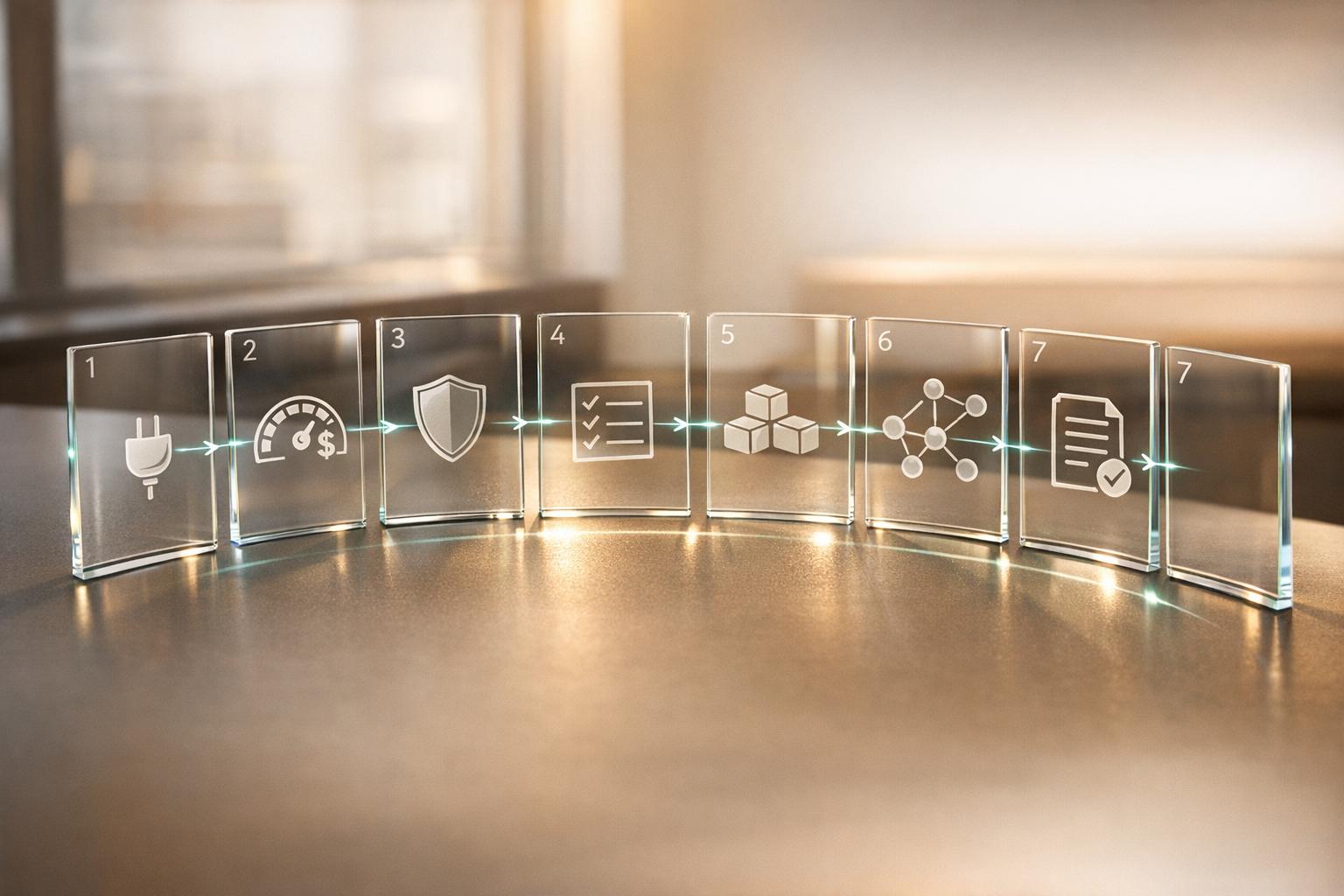
عند اختيار منصة تنسيق الذكاء الاصطناعي، من الضروري التركيز على الميزات التي تفصل الحلول الجاهزة للمؤسسات عن الأدوات الأساسية. تضمن هذه الإمكانات أن توفر المنصة قيمة طويلة الأجل مع التكيف مع احتياجاتك المتطورة. فيما يلي العناصر الأساسية التي يجب مراعاتها:
قابلية التشغيل البيني للنموذج والمرونة تشكل العمود الفقري لأي منصة تنسيق فعالة للذكاء الاصطناعي. تدعم أفضل الحلول مجموعة واسعة من نماذج الذكاء الاصطناعي، مما يسمح لك بتبني تقنيات جديدة بسرعة وتجنب الارتباط بمورد واحد. ابحث عن المنصات التي تتكامل بسلاسة مع النماذج الرائدة مثل متغيرات GPT و Claude و Llama و Gemini.
التشغيل الآلي لسير العمل وإدارة خطوط الأنابيب تبسيط المهام المتكررة وتوفير الوقت وتقليل الأخطاء. تتضمن المنصات المتقدمة أدوات إنشاء مرئية مزودة بأدوات السحب والإسقاط لتصميم عمليات سير عمل معقدة. يمكن لهذه المهام التعامل مع مهام مثل المعالجة المسبقة للبيانات، ونماذج التسلسل، والتحقق من صحة المخرجات، وإدارة الأخطاء، والجدولة، وبدء الإجراءات، والحفاظ على التحكم في الإصدار. هذه الأتمتة ضرورية لتوسيع نطاق عمليات الذكاء الاصطناعي بكفاءة.
إطار الأمان والامتثال أمر لا بد منه، خاصة بالنسبة للمؤسسات التي تتخذ من الولايات المتحدة مقراً لها والتي يجب أن تفي بالمعايير التنظيمية الصارمة. يجب أن تتوافق المنصة الموثوقة مع أطر مثل SOC 2 Type II و HIPAA و SOX. تضمن ميزات مثل التشفير من البداية إلى النهاية ومسارات التدقيق التفصيلية والوصول المتحكم فيه إلى البيانات الحساسة الأمان القوي والامتثال.
شفافية التكاليف والعمليات المالية (FinOps) تساعد في الحفاظ على مراقبة الميزانية والكفاءة التشغيلية. تتيح لك المنصات التي تقدم رؤى التكلفة في الوقت الفعلي مراقبة الإنفاق وتحديد مجالات التحسين وتجنب النفقات المفاجئة.
قابلية التوسع وإدارة الأداء تأكد من أن النظام الأساسي يمكن أن ينمو مع متطلبات الذكاء الاصطناعي المتزايدة لمؤسستك. ابحث عن ميزات مثل التحجيم التلقائي أثناء فترات الاستخدام العالية وموازنة التحميل والقدرة على التعامل مع مجموعات البيانات الأكبر وبيئات الحوسبة الموزعة. هذه القدرات ضرورية للحفاظ على الأداء المتسق مع توسع مبادرات الذكاء الاصطناعي الخاصة بك.
النظام البيئي للتكامل ودعم API حدد مدى سهولة اتصال النظام الأساسي بأدواتك وأنظمتك الحالية. بالإضافة إلى التشغيل الآلي لسير العمل، يضمن دعم API القوي التفاعل السلس مع تطبيقات الأعمال مثل Salesforce و Microsoft 365 و Slack، بالإضافة إلى مزودي السحابة الرئيسيين. تسمح الموصلات المبنية مسبقًا ووثائق API الشاملة ودعم واجهات برمجة تطبيقات REST و GraphQL بالتكامل والتخصيص بسهولة.
قدرات الحوكمة والتدقيق توفير الإشراف اللازم لعمليات الذكاء الاصطناعي على مستوى المؤسسة. يجب أن يسجل التسجيل الشامل كل تفاعل وقرار وحدث وصول إلى البيانات. تضمن عناصر التحكم في الوصول القائمة على الأدوار وصول أعضاء الفريق إلى ما يحتاجون إليه فقط، بينما يتيح التحكم في الإصدار عمليات التراجع السريع. وتعد هذه الميزات بالغة الأهمية للحفاظ على التوافق وتبسيط عملية استكشاف الأخطاء وإصلاحها.
تجربة المستخدم وأدوات التعاون تلعب دورًا رئيسيًا في التبني. تعمل الواجهات البديهية على خفض منحنى التعلم، مما يسهل على الفرق البدء. تعمل ميزات التعاون مثل المكتبات السريعة المشتركة ومساحات عمل الفريق وأنظمة التعليق المضمنة على تشجيع مشاركة المعرفة وتطوير أفضل الممارسات. تعمل المنصات التي تلبي احتياجات كل من المبتدئين والمستخدمين المتقدمين على تعزيز التبني على نطاق أوسع والتنفيذ الأكثر فعالية.
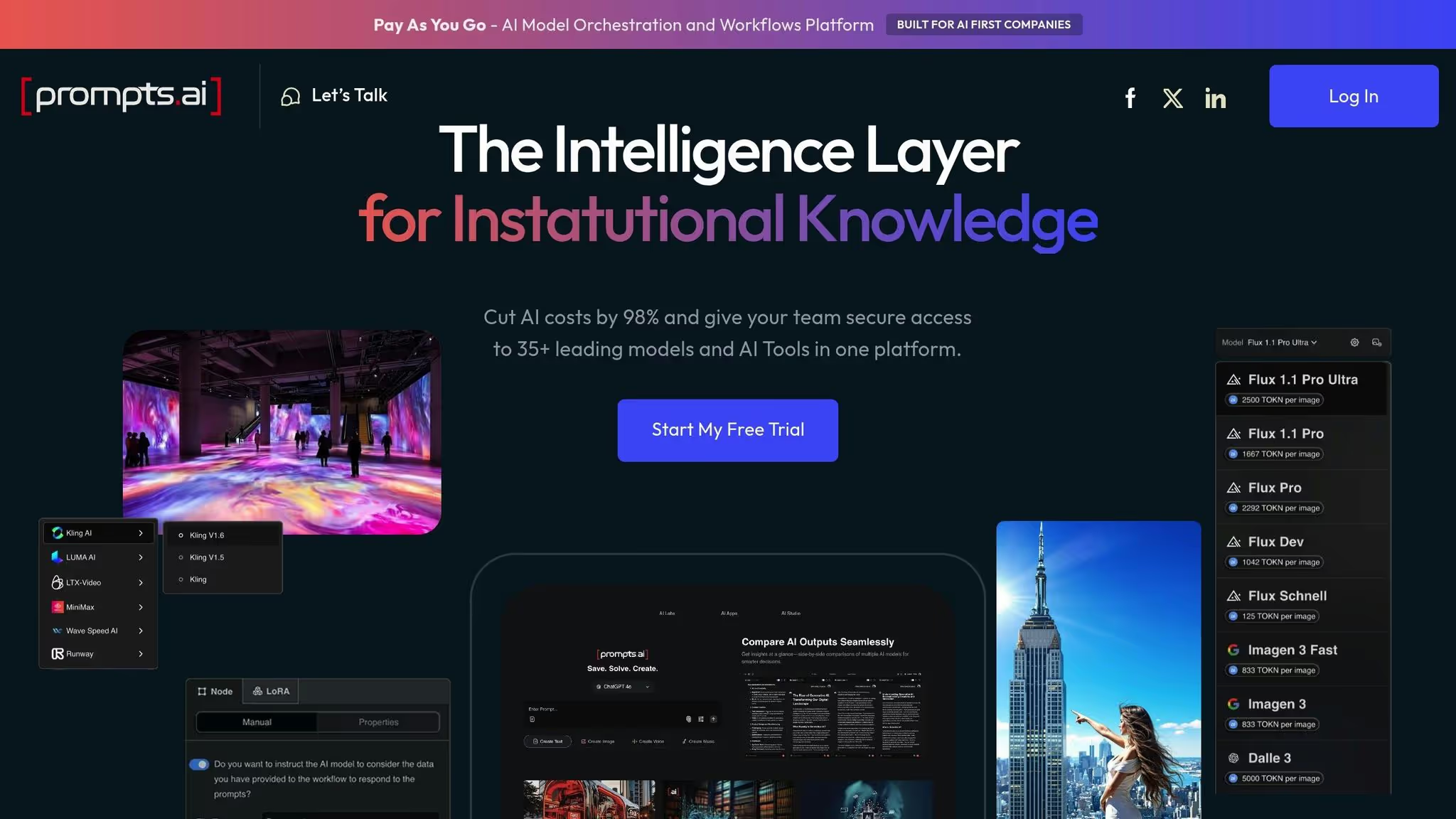
يبرز prompts.ai باعتباره الحل الأفضل في هذه المراجعة، حيث يعرض كيف يمكن لمنصة موحدة تبسيط تنسيق الذكاء الاصطناعي للمؤسسات. هذه منصة الذكاء الاصطناعي على مستوى المؤسسات يجمع أكثر من 35 نموذجًا رائدًا للذكاء الاصطناعي تحت سقف واحد، مما يوفر للشركات الحوكمة والتحكم في التكاليف التي تحتاجها. تم تصميمه خصيصًا لشركات Fortune 500 والوكالات الإبداعية ومختبرات الأبحاث، وهو يحول التجارب المتناثرة إلى تدفقات عمل قابلة للتكرار ومتوافقة. إن التكامل السلس للمنصة بين قابلية التشغيل البيني النموذجية وسير العمل الآلي يجعلها حجر الزاوية لعمليات الذكاء الاصطناعي للمؤسسات.
واحدة من نقاط القوة الرئيسية للمنصة هي واجهة واحدة للوصول إلى مجموعة واسعة من نماذج الذكاء الاصطناعي، بما في ذلك GPT-5 وكلود ولاما وجيميني. من خلال دمج الأدوات في نظام بيئي واحد، يزيل prompts.ai أوجه القصور في التوفيق بين منصات متعددة، وتبسيط سير العمل عبر الفرق والإدارات. كما أنها تدعم تعاون متعدد الوكلاء، مما يسمح لوكلاء الذكاء الاصطناعي بالعمل معًا ومشاركة السياق وإدارة المهام لعمليات قابلة للتطوير. بالإضافة إلى ذلك، تتكامل المنصة مع الخدمات السحابية الشائعة مثل جوجل كلاود فيرتex AI و أمازون نوفا، مع دعم مخطط OpenAPI لتوصيل الأنظمة الخارجية.
يتفوق ملف prompts.ai في تحويل المهام اليدوية إلى عمليات سير عمل تلقائية عبر وظائف الأعمال المختلفة. يمكن للمستخدمين الوصول إلى عمليات سير العمل المصممة من قبل الخبراء والقوالب السريعة القابلة للتخصيص، مما يتيح عمليات متسقة وفعالة.
تسلط أمثلة العالم الحقيقي الضوء على تأثيرها. على سبيل المثال:
«مخرجة إبداعية حائزة على جائزة إيمي، اعتادت أن تقضي أسابيع في العرض في 3D Studio وشهرًا في كتابة مقترحات الأعمال. بفضل LoRas وسير العمل الخاص بـ Prompts.ai، يقوم الآن بإكمال العروض والمقترحات في يوم واحد - لا مزيد من الانتظار، ولا مزيد من الضغط على ترقيات الأجهزة.» - الرئيس التنفيذي والمؤسس، ستيفن سيمونز
تتضمن المنصة أيضًا قدرات RAG المضمنة مع دعم قاعدة بيانات المتجهات، مما يسمح بالتكامل المتقدم مع قواعد المعرفة لإنشاء عمليات سير عمل أكثر ذكاءً. تعمل عمليات التكامل مع أدوات مثل Slack و Gmail و Trello على تعزيز الكفاءة، مما يضمن سير العمليات في جميع أنحاء المؤسسة بسلاسة. إلى جانب الأتمتة، يسهل هذا على المؤسسات توفير الوقت والتركيز على الأهداف الاستراتيجية.
يعطي prompts.ai الأولوية لأمن المؤسسة من خلال الالتزام بالمعايير الصارمة مثل SOC 2 Type II و HIPAA و GDPR. تراقب المنصة باستمرار الامتثال لهذه الأطر، مما يضمن أن المنظمات تحافظ على وضع أمني قوي.
ال مركز الثقة يوفر رؤية في الوقت الفعلي لسياسات الأمان والضوابط والتقدم المحرز في الامتثال. بفضل قابلية التدقيق الكاملة لجميع تفاعلات الذكاء الاصطناعي وضوابط الوصول القوية القائمة على الأدوار، يمكن للشركات توسيع نطاق عمليات الذكاء الاصطناعي الخاصة بها مع الحفاظ على الحوكمة الصارمة.
تتمثل إحدى الميزات البارزة للمنصة في قدرتها على مواجهة التحديات المالية لاعتماد الذكاء الاصطناعي. تقدم prompts.ai أدوات FinOps في الوقت الفعلي والتسعير الشفاف القائم على الاستخدام الذي يمنح المؤسسات رؤية كاملة لإنفاقها.
تعمل على نظام ائتمان TOKN للدفع أولاً بأول، تقوم المنصة بإلغاء الرسوم المتكررة، ومواءمة التكاليف مباشرة مع الاستخدام. لا يقلل هذا النهج من نفقات البرامج فحسب، بل يربط أيضًا استخدام الرمز المميز بنتائج الأعمال. تسمح مقارنات الأداء عبر النماذج للفرق باتخاذ قرارات مستنيرة، وتحويل الإنفاق على الذكاء الاصطناعي إلى استثمار استراتيجي وقابل للقياس.
Kubiya AI عبارة عن منصة مرنة متعددة الوكلاء مصممة لأتمتة عمليات سير عمل DevOps. وهي مصممة خصيصًا للمؤسسات على مستوى المؤسسات، وهي تبسط إدارة البنية التحتية والعمليات التشغيلية من خلال الأتمتة الذكية، مما يجعلها خيارًا قويًا للشركات ذات متطلبات البنية التحتية المعقدة.
تتمثل إحدى ميزات Kubiya AI البارزة في قدرتها على تقليل وقت توفير البنية التحتية بشكل كبير - من أيام إلى بضع ساعات فقط. من خلال تمكين توفير البنية التحتية للخدمة الذاتية، تلغي المنصة الحاجة إلى البرمجة اليدوية، مما يسمح للمطورين بتخصيص الموارد بسهولة.
أثناء تنفيذ سير العمل، تقوم المنصة بفرض قواعد الأمان مؤقتًا، مما يقلل من مخاطر الخطأ البشري مع ضمان الالتزام بالسياسات التنظيمية. يوفر هذا النهج عمليات متسقة ويمكن التنبؤ بها - وهو عامل أساسي للمؤسسات حيث تكون الموثوقية غير قابلة للتفاوض. تتكامل هذه العمليات الآلية بشكل طبيعي مع بروتوكولات الأمان الأكثر صرامة، مما يضمن عمليات سلسة وآمنة.
يدمج Kubiya AI الإنفاذ التلقائي لقواعد الأمان والامتثال للحماية من انتهاكات السياسة. هذا يقلل من الحاجة إلى المراقبة اليدوية المستمرة وتوفير الوقت وتقليل احتمالية الأخطاء.
يضمن التسجيل الشامل إمكانية التدقيق الكامل، ويوفر سجلاً مفصلاً لا غنى عنه للمؤسسات في الصناعات المنظمة. تعمل هذه السجلات، جنبًا إلى جنب مع تحديثات الحالة في الوقت الفعلي، على تعزيز المساءلة وتبسيط عمليات تدقيق الامتثال. هذا لا يقلل الجهد اليدوي فحسب، بل يدعم أيضًا التوسع الفعال للعمليات. ومع تطبيق هذه التدابير الأمنية القوية، تقدم Kubiya AI أيضًا رؤى حول التكاليف، والتي تعتبر بالغة الأهمية لاتخاذ قرارات مستنيرة في المؤسسة.
على الرغم من عدم الكشف عن تفاصيل التسعير المحددة لـ Kubiya AI علنًا، إلا أن ميزاتها المتقدمة مهيأة بشكل واضح للعمليات واسعة النطاق.
بالنسبة للمؤسسات التي تقوم بتقييم عائد الاستثمار، تشمل المزايا الرئيسية توفير البنية التحتية بشكل أسرع وتحسين إنتاجية المطورين. من خلال التشغيل الآلي للمهام الروتينية، تسمح المنصة لفرق DevOps بالتركيز على الأنشطة ذات القيمة الأعلى، مما يؤدي إلى توفير كبير في التكاليف. إن تركيزها على الموثوقية وتقليل التدخل اليدوي يعزز الكفاءة التشغيلية. ومع ذلك، قد تتجاوز القدرات المتطورة للمنصة احتياجات الفرق الصغيرة أو البيئات الأقل تعقيدًا، مما يجعلها مناسبة تمامًا للمؤسسات ذات متطلبات البنية التحتية الكبيرة والحجم لتبرير الاستثمار.
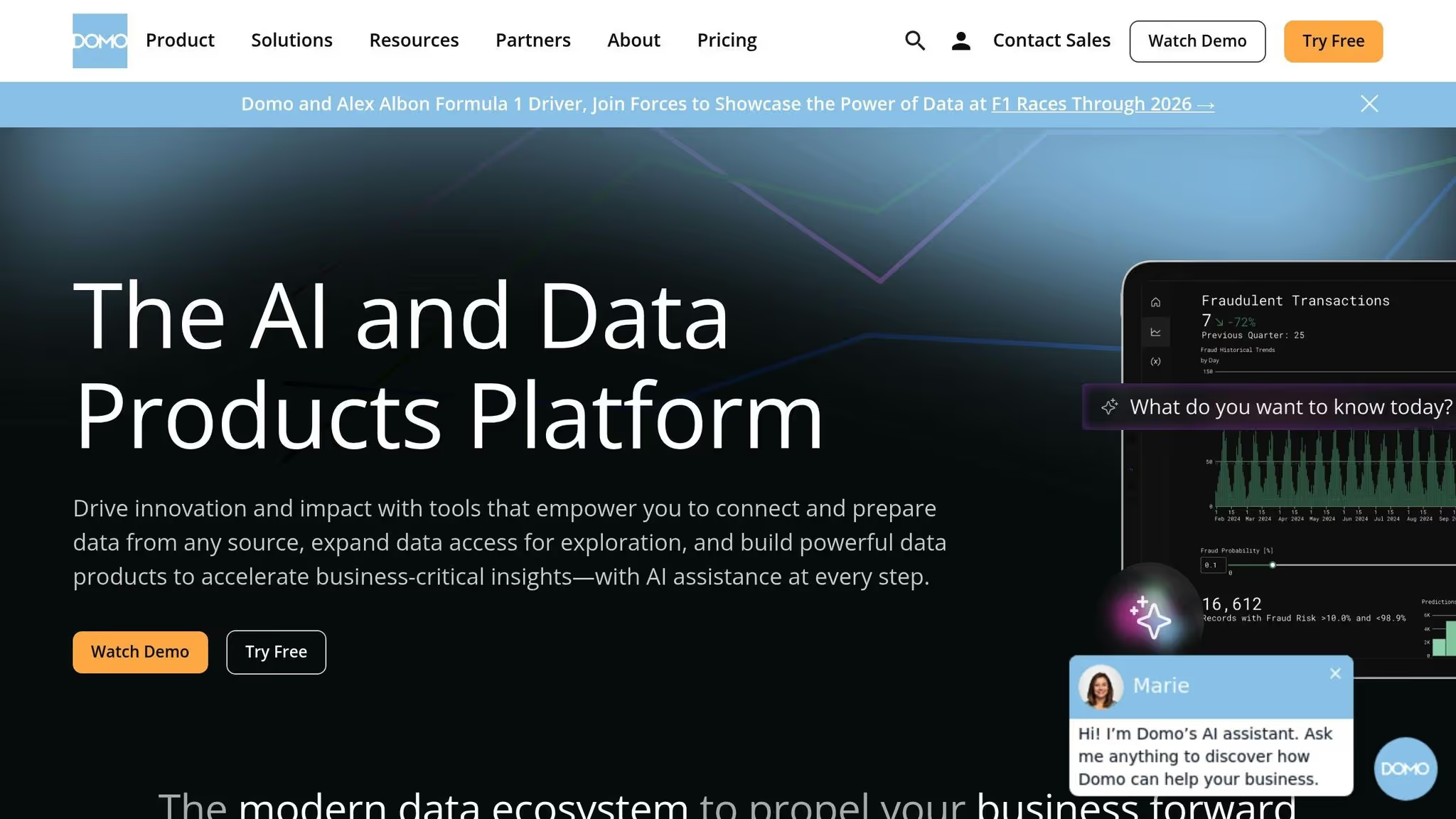
يوفر Domo منصة سير عمل آمنة للذكاء الاصطناعي مصممة بسياسات الأمان المضمنة وأطر الامتثال وسجلات التدقيق والتنبيهات الاستباقية للحفاظ على العمليات آمنة وفعالة. تساعد هذه الأدوات على ضمان جودة البيانات وتقليل المخاطر ودعم الحوكمة القابلة للتطوير. بفضل تركيزها القوي على الأمن والامتثال، تسمح Domo للمؤسسات بتوسيع مبادرات الذكاء الاصطناعي الخاصة بها بثقة.
Apache Airflow هو منظم سير عمل مفتوح المصدر يستخدم على نطاق واسع، ويتم تقديره بشكل خاص في هندسة البيانات ودوائر الذكاء الاصطناعي لقدرته على إدارة وتبسيط العمليات التي تعتمد على الذكاء الاصطناعي بشكل فعال. يضمن تصميمه الشفافية في تبعيات سير العمل ويعزز موثوقية تنفيذ المهام.
تقع الرسوم البيانية غير الحلقية الموجهة (DAGs) في صميم وظائف Airflow، والتي توفر تمثيلًا مرئيًا واضحًا لتبعيات المهام. تلعب DAGs هذه دورًا أساسيًا في تنسيق المهام المعقدة مثل تدريب ML ونشر النماذج والتوليد المعزز بالاسترجاع.
يأتي Airflow مزودًا بمجموعة من المشغلين الذين تم تصميمهم مسبقًا والمصممة خصيصًا لسير عمل التعلم الآلي، والتي تغطي مهام مثل التدريب النموذجي والاستدلال والمراقبة. تتيح ميزات الجدولة القوية وإدارة التبعية التنسيق السلس لتسلسلات الأتمتة المعقدة، مما يضمن تشغيل خطوط أنابيب الذكاء الاصطناعي بكفاءة.
تمتد قدرات Airflow إلى ما وراء الأتمتة. تتمثل إحدى ميزاته البارزة في قدرته على الاندماج بسهولة مع خدمات التعلم الآلي السحابية الرائدة، مثل Google Cloud Platform (GCP) وخدمات Amazon Web Services (AWS) و Azure ML. يتم تعزيز قابلية التشغيل البيني هذه من خلال قابليتها للتوسعة من خلال مكتبات Python والمكونات الإضافية المخصصة، مما يجعلها قابلة للتكيف بدرجة كبيرة لأتمتة سير العمل على مستوى المؤسسات. يمكن لفرق التطوير أيضًا إنشاء مشغلين مخصصين، مما يسمح بالتكامل مع أي خدمة ذكاء اصطناعي تقريبًا، مما يجعل النظام الأساسي متعدد الاستخدامات عبر مجموعات التكنولوجيا المختلفة.
كأداة مفتوحة المصدر، توفر Apache Airflow المرونة والتخصيص التي تحتاجها المؤسسات، مما يجعلها خيارًا ممتازًا لأولئك الذين يهدفون إلى بناء حلول تنسيق الذكاء الاصطناعي المصممة خصيصًا.
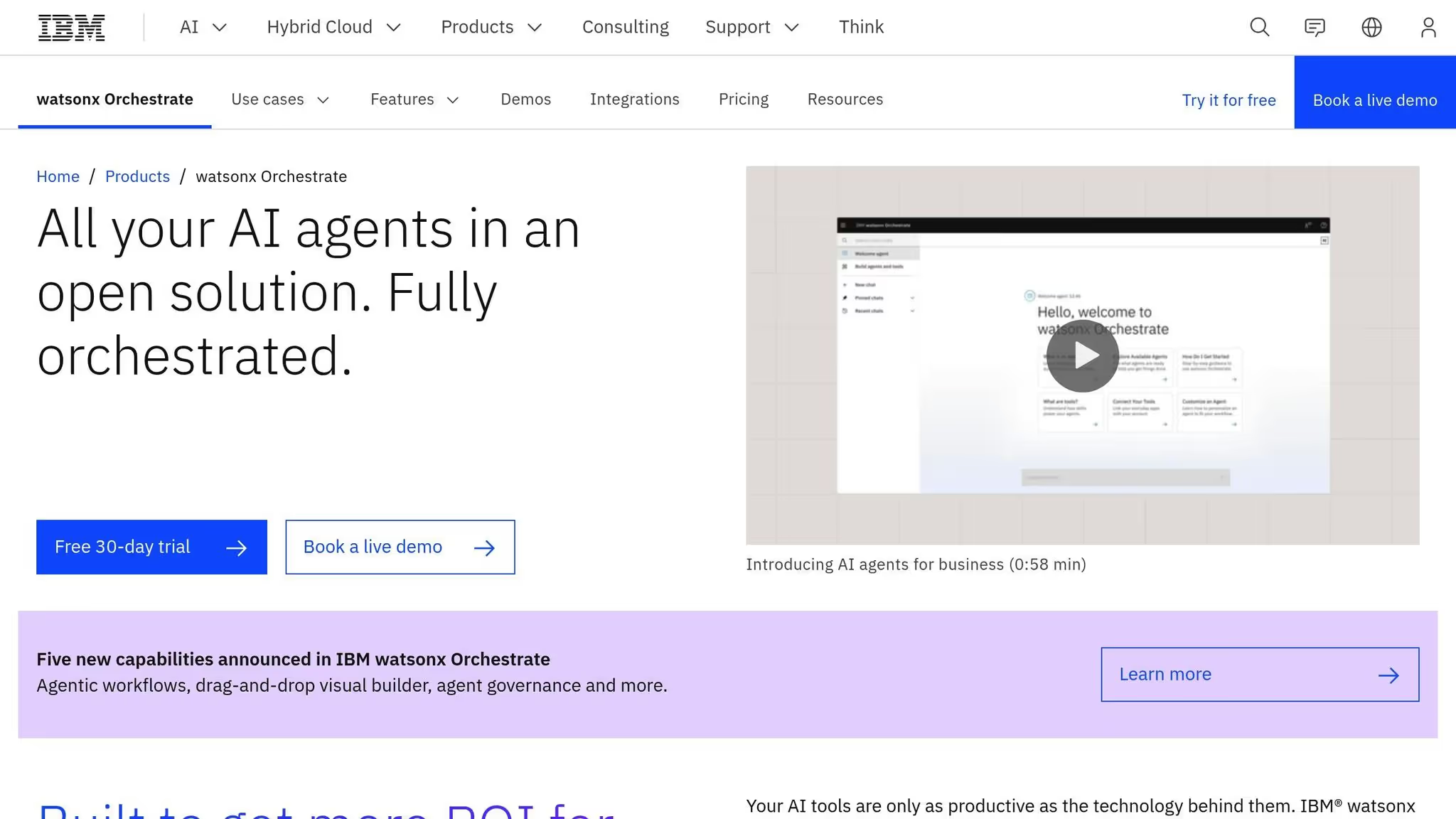
يجمع IBM watsonx Orchestrate بين الذكاء الاصطناعي للمحادثة وأتمتة سير العمل وتحسين العمليات التجارية، مدعومًا بعقود من الخبرة في برامج المؤسسات. إنه يوفر للشركات حلاً آمنًا ومتوافقًا للذكاء الاصطناعي يكون قويًا وسهل الاستخدام.
تعمل هذه المنصة على تبسيط التشغيل الآلي لسير العمل باستخدام أوامر اللغة الطبيعية، وتحويل مدخلات المستخدم إلى عمليات قابلة للتنفيذ عبر أنظمة مختلفة.
بفضل بنيتها القائمة على المهارات، توفر watsonx Orchestrate وظائف معدة مسبقًا لمجالات مثل الموارد البشرية وإدارة خدمات تكنولوجيا المعلومات والتمويل. يمكن تصميم هذه الوظائف لإنشاء عمليات سير عمل تلقائية عبر الأقسام. المنصة فعالة بشكل خاص في عمليات سير العمل بين الإنسان والحلقة، حيث تكون المدخلات البشرية أو الموافقة مطلوبة في مراحل محددة. يضمن هذا النموذج المختلط أنه في حين أن المهام الروتينية مؤتمتة، تظل القرارات الحاسمة تحت الإشراف البشري. تشكل هذه القدرات أساسًا قويًا لخيارات التكامل واسعة النطاق للمنصة.
يتكامل IBM watsonx Orchestrate بسلاسة مع IBM واتسون ديسكفري، مساعد واتسون، ونماذج watsonx.ai الأخرى. بالإضافة إلى ذلك، فإنه يتصل بأدوات المؤسسة مثل Salesforce، الخدمة الآنومايكروسوفت 365 و SAP، وذلك بفضل تصميم واجهة برمجة التطبيقات الأولى.
بالنسبة للشركات ذات الأنظمة الفريدة، تدعم المنصة الموصلات المخصصة، مما يوفر المرونة للتكيف مع المتطلبات المتخصصة. وهذا يضمن عدم ارتباط المؤسسات بمجموعة تقنية واحدة، مما يمكنها من تصميم النظام الأساسي وفقًا لاحتياجاتها الخاصة. يتم تعزيز عمليات الدمج هذه من خلال بروتوكولات أمان قوية.
الأمن هو جوهر أوركسترا واتسون. تستخدم المنصة عناصر التحكم في الوصول المستندة إلى الأدوار، مما يضمن وصول الموظفين فقط إلى عمليات سير العمل والبيانات ذات الصلة بأدوارهم. يدعم هذا النهج الدقيق إدارة البيانات مع تعزيز اعتماد الذكاء الاصطناعي على نطاق أوسع.
لتلبية الاحتياجات التنظيمية، ضوابط إقامة البيانات السماح للشركات بتحديد مكان معالجة بياناتها وتخزينها - وهي ميزة أساسية لصناعات مثل الرعاية الصحية والتمويل. تحتفظ المنصة أيضًا بمسارات تدقيق مفصلة لجميع أنشطة سير العمل، مما يوفر الشفافية للامتثال ومراقبة الأمان.
قامت شركة IBM بتضمين حوكمة الذكاء الاصطناعي المسؤولة في المنصة، وتوفير أدوات لتتبع صنع القرار في مجال الذكاء الاصطناعي وشرح الإجراءات الآلية. تساعد هذه الشفافية الشركات على تلبية معايير حوكمة الذكاء الاصطناعي الجديدة وتعزيز الثقة في الأنظمة الآلية.
تعمل المنصة على نموذج اشتراك يتم تعديله بناءً على الاستخدام. باستخدام التحليلات المضمنة، يمكن للشركات تحديد دوافع التكلفة وتخطيط الميزانيات بشكل أكثر فعالية.
يضمن نظام الفواتير القائم على الاستهلاك، جنبًا إلى جنب مع توصيات التحسين، توافق النفقات مع الاستخدام الفعلي. هذا النهج مفيد بشكل خاص للمؤسسات ذات أعباء العمل المتقلبة للذكاء الاصطناعي، مما يساعدها على إدارة التكاليف بكفاءة.
تأخذ منصة UiPath Agentic Automation التشغيل الآلي لسير العمل إلى المستوى التالي من خلال نهجها القائم على الوكيل. ومن خلال دمج وكلاء الذكاء الاصطناعي الأذكياء، تعمل المنصة على تحويل التشغيل الآلي التقليدي للعمليات الروبوتية (RPA) إلى نظام قادر على إدارة عمليات سير العمل المعقدة والمتعددة الأنظمة بشكل مستقل.
بفضل تصميمها الفعال، تعمل المنصة على تمكين الروبوتات من تحليل السيناريوهات بشكل مستقل والتعامل مع العمليات المعقدة متعددة الخطوات مع الحد الأدنى من التدخل البشري. هذا المزيج من صنع القرار وتنفيذ العمليات يضمن عمليات سلسة وفعالة.
تعطي المنصة الأولوية للرقابة والامتثال من خلال لوحات معلومات الحوكمة المركزية، مما يوفر رؤية واضحة لجميع أنشطة الأتمتة. تعمل الروبوتات التي تعتمد على الذكاء الاصطناعي على تعزيز ذلك من خلال التحقق من الالتزام بالمعايير التنظيمية وقواعد العمل الداخلية.
وفي حين لا يتم الكشف عن تفاصيل التسعير المحددة، فإن قدرة المنصة على تبسيط العمليات وتحسين الدقة تمكن المؤسسات من تحويل الموارد نحو مهام أكثر استراتيجية وذات قيمة عالية. تُترجم هذه الكفاءة إلى تحسينات تشغيلية، مما يُظهر التزام UiPath بمزج الأتمتة والأمان والفعالية من حيث التكلفة لتحقيق نتائج أعمال ملموسة.
Anyscale عبارة عن منصة تنسيق متقدمة للذكاء الاصطناعي مبنية على إطار Ray مفتوح المصدر. تم تصميمه لإدارة عمليات الذكاء الاصطناعي المعقدة عبر مجموعات متعددة، وهو متخصص في التعامل مع أعباء عمل الذكاء الاصطناعي الموزعة، مما يجعله خيارًا ممتازًا للمؤسسات التي تدير مشاريع التعلم الآلي واسعة النطاق.
من خلال الاستفادة من إطار Ray، تضمن Anyscale التوافق مع أطر التعلم الآلي الرائدة، مما يخلق بيئة متماسكة حيث يمكن لنماذج الذكاء الاصطناعي المتنوعة أن تزدهر. يسمح هذا التكامل لفرق علوم البيانات باستخدام أدواتها المفضلة مع الحفاظ على التنسيق السلس في جميع أنحاء خط أنابيب الذكاء الاصطناعي.
تدعم المنصة عمليات متعددة الأطر، مما يتيح النشر السلس للنماذج التي تم إنشاؤها باستخدام مكتبات التعلم الآلي المختلفة. تعد هذه القدرة على التكيف بمثابة تغيير لقواعد اللعبة بالنسبة للمؤسسات ذات المحافظ المتنوعة للذكاء الاصطناعي، مما يسمح لها بتوحيد سير العمل دون القلق بشأن التوافق. ونتيجة لذلك، يمكن للمؤسسات أتمتة العمليات التي تعزز الأداء والكفاءة.
بدعم من Ray Serve، تقدم Anyscale خدمة نماذج موزعة عالية الأداء وتعمل على أتمتة توزيع مهام التدريب عبر مجموعات GPU. وهي تعمل بشكل ديناميكي على توسيع نطاق الاستدلال في الوقت الفعلي، مما يضمن مطابقة الموارد للطلب دون نفقات غير ضرورية.
على سبيل المثال، فكر في شركة خدمات مالية في عام 2025 باستخدام نماذج تنبؤية واسعة النطاق. باستخدام Anyscale، يمكنهم توزيع وظائف التدريب عبر وحدات معالجة الرسومات، ونشر النماذج في الإنتاج، وتوسيع نطاق الاستدلال ديناميكيًا بناءً على حجم المعاملات. يضمن هذا الإعداد الأداء الأمثل مع الحفاظ على تكاليف البنية التحتية تحت السيطرة.
بالإضافة إلى ذلك، تتفوق Ray Serve في الإدارة خدمة النموذج الحساس لوقت الاستجابة على مستوى المؤسسة. تعتبر هذه الميزة ذات قيمة خاصة لتطبيقات الذكاء الاصطناعي ذات المهام الحرجة التي تتطلب أداءً موثوقًا به، حتى في ظل أعباء العمل المتقلبة.
لا تعمل Anyscale على تحسين الأداء فحسب - بل تعطي الأولوية أيضًا لكفاءة التكلفة. من خلال استخدام الإدارة الذكية للموارد والتوسع الديناميكي، تضمن المنصة استخدام موارد الحوسبة فقط عند الضرورة. يُترجم هذا النهج إلى وفورات قابلة للقياس مقارنة بعمليات النشر الثابتة.
يعد هذا التصميم المراعي للتكلفة مفيدًا بشكل خاص للمؤسسات التي تدير أعباء عمل متعددة للذكاء الاصطناعي مع احتياجات حسابية مختلفة على مدار اليوم أو عبر مشاريع مختلفة.
يظل الأمان أولوية قصوى لـ Anyscale. من خلال خيارات النشر المختلطة والضمانات للإعدادات متعددة المجموعات، تمكن المنصة المؤسسات من إدارة البيانات الحساسة بأمان عبر البيئات السحابية والمحلية.
تم تصميم Anyscale ليتوافق مع سياسات أمان المؤسسة، مما يضمن بقاء عمليات الذكاء الاصطناعي الموزعة آمنة دون المساومة على الأداء أو قابلية التوسع. هذا التوازن يجعله خيارًا موثوقًا للمؤسسات التي تتعامل مع البيانات الحساسة أو المنظمة.
SuperAgi عبارة عن منصة مفتوحة المصدر مصممة لإنشاء وكلاء ذكاء اصطناعي مستقلين قادرين على العمل بشكل مستقل مع التنسيق بسلاسة ضمن عمليات سير العمل المعقدة. تتميز بقدرتها على إدارة هؤلاء الوكلاء بفعالية، مما يضمن عملهم معًا بسلاسة.
تم تصميم بنية SuperAgi للتكامل مع مجموعة متنوعة من نماذج اللغات الكبيرة وأطر الذكاء الاصطناعي. من خلال واجهات الوكيل الموحدة، تتيح المنصة التبديل بسهولة بين نماذج الذكاء الاصطناعي المختلفة دون الحاجة إلى إجراء تغييرات على الكود الأساسي.
هذه القدرة على التكيف مفيدة بشكل خاص للشركات التي تهدف إلى تحقيق التوازن بين الأداء والتكلفة عبر التطبيقات المختلفة. على سبيل المثال، قد يقوم فريق خدمة العملاء بنشر نماذج خفيفة للاستعلامات الروتينية وتصعيد المشكلات الأكثر تعقيدًا تلقائيًا إلى النماذج المتقدمة. تدير SuperAgi هذه التحولات في الخلفية، مما يضمن أداءً ثابتًا بغض النظر عن النموذج المستخدم.
بفضل ITS تصميم لا يعتمد على النموذج، يمكن للفرق اختبار نماذج الذكاء الاصطناعي الجديدة واعتمادها بسهولة عند ظهورها، وتجنب حبس البائعين والبقاء في صدارة التطورات التكنولوجية. تدعم هذه المرونة أيضًا عمليات سير العمل المعقدة متعددة الوكلاء، مما يجعل من السهل تصميم الحلول حسب تطور الاحتياجات.
تتألق SuperAGI عندما يتعلق الأمر بتنظيم عمليات سير العمل التي تتضمن العديد من وكلاء الذكاء الاصطناعي الذين يعملون معًا. تسمح أدوات التنسيق المتقدمة للوكلاء بالتواصل بفعالية ومشاركة السياق وتنفيذ المهام إما بالتتابع أو بالتوازي.
يمكن لكل وكيل التركيز على مهام محددة مع البقاء على دراية بسير العمل الأوسع. على سبيل المثال، في مشروع بحث آلي، قد يقوم أحد الوكلاء بجمع البيانات، ويمكن لآخر تحليلها، وقد يقوم ثالث بتجميع النتائج في تقرير. يضمن هذا النهج التعاوني الكفاءة والوضوح في العمليات المعقدة.
المنصة بنية تعتمد على الأحداث يضيف طبقة أخرى من القدرة، مما يمكّن الوكلاء من التكيف ديناميكيًا مع الظروف المتغيرة. يمكنهم مراقبة الأنظمة الخارجية والاستجابة للمعلومات الجديدة وتعديل إجراءاتهم دون تدخل بشري. هذا يجعل SuperAgi خيارًا ممتازًا للتطبيقات في الوقت الفعلي حيث تكون الاستجابات السريعة والمرنة أمرًا بالغ الأهمية.
تكمل SuperAgi قدرات التكامل والأتمتة القوية بميزات أمان قوية. من خلال التحكم في سلوك الوكيل وبروتوكولات الاتصال الآمنة، تضمن المنصة أن الأنظمة المستقلة تعمل بأمان ومسؤولية. تساعد الضوابط القائمة على الأدوار وتدابير السلامة القابلة للتخصيص في تقييد إجراءات الوكيل وتقليل المخاطر ومنع النتائج غير المقصودة.
بالإضافة إلى ذلك، تحتفظ المنصة بسجلات تدقيق مفصلة تتعقب كل قرار وإجراءات يتخذها وكلاؤها. هذه الشفافية ضرورية للمؤسسات التي تحتاج إلى الامتثال للمعايير التنظيمية أو الالتزام بسياسات الحوكمة الداخلية.
أجهزة سوبر آجي آليات أمان قابلة للتخصيص السماح للشركات بتحديد الحدود التشغيلية بناءً على سياساتها المحددة وتحملها للمخاطر. حتى في الحالات التي لا يمكن التنبؤ بها، تضمن هذه الضمانات أن يعمل الوكلاء ضمن حدود مقبولة، مما يوفر راحة البال للمؤسسات التي تعتمد على الأنظمة المستقلة.
Microsoft AutoGen هو إطار مفتوح المصدر تم إنشاؤه بواسطة Microsoft Research لبناء أنظمة AI للمحادثة متعددة الوكلاء. تم تصميمه لتمكين وكلاء الذكاء الاصطناعي من التعاون بفعالية في المهام المعقدة من خلال المحادثات المنظمة، مما يجعله مفيدًا بشكل خاص للسيناريوهات التي تتطلب مجموعة من الخبرة وحل المشكلات التكراري.
تم تصميم بنية AutoGen لتتكامل بسهولة مع العديد من نماذج اللغات الكبيرة، بما في ذلك سلسلة GPT من OpenAI وخدمة Azure OpenAI والعديد من الخيارات مفتوحة المصدر. إنها تصميم محايد للنموذج يسمح للمطورين بدمج نماذج الذكاء الاصطناعي المختلفة في تدفق محادثة واحد، وتحقيق التوازن بين الوظائف وكفاءة التكلفة.
على سبيل المثال، يمكن لمساعد الترميز الاستفادة من نموذج يركز على البرمجة، بينما يمكن لوكيل الكتابة استخدام نموذج مصمم خصيصًا للمهام الإبداعية. تضمن AutoGen أن هؤلاء الوكلاء يمكنهم التواصل بسلاسة، بغض النظر عن نماذج الذكاء الاصطناعي الأساسية التي يعتمدون عليها.
كما يدعم الإطار استخدام النماذج المخصصة والمضبوطة بدقة، مما يمكّن المؤسسات من دمج حلول الذكاء الاصطناعي الخاصة بها. بفضل واجهته القياسية، يتضمن التبديل بين النماذج الحد الأدنى من تعديلات التعليمات البرمجية. لا يحمي هذا الاستثمارات السابقة في البنية التحتية للذكاء الاصطناعي فحسب، بل يسمح أيضًا للفرق بتجربة التقنيات الجديدة. تمهد هذه القدرة على التكيف الطريق لأتمتة سير العمل الديناميكي.
من خلال التوسع في قدرات التكامل الخاصة به، يسهل AutoGen أتمتة عمليات سير العمل المعقدة من خلال البرمجة التحادثية. على عكس الأتمتة الخطية التقليدية، تعمل هذه المنصة على تمكين الوكلاء من المشاركة في الحوارات الديناميكية ومناقشة الأفكار وتحسين مخرجاتهم بشكل متكرر من خلال المناقشات المنظمة.
يدعم إطار العمل كل شيء بدءًا من التفاعلات البسيطة بين الوكلاء وحتى المحادثات المعقدة متعددة الأطراف. يمكن للوكلاء القيام بأدوار مثل الوكلاء، مساعدين، أو النقاد، كل منها يساهم بمنظورات متميزة. هذا مفيد بشكل خاص للمهام التي تتطلب جولات متعددة من المراجعة والتحسين.
أوتوجين وظيفة الدردشة الجماعية يعزز التنسيق من خلال السماح للوكلاء بالانضمام إلى المحادثات أو الخروج منها بناءً على السياق أو خبرتهم أو المرحلة الحالية من سير العمل. يقوم النظام بإدارة تبادل الأدوار، ويضمن المساهمات ذات الصلة، ويحتفظ بسجل محادثة مفصل للرجوع إليه.
تم تجهيز Microsoft AutoGen بميزات أمان على مستوى المؤسسات لتلبية المعايير التنظيمية. وهي تشمل أدوات تصفية المحتوى يمكن تخصيصها لتتماشى مع سياسات الشركة، مما يضمن بقاء المخرجات مناسبة ومهنية عبر جميع تفاعلات الوكلاء.
توفر المنصة أيضًا مسارات التدقيق يقوم بتسجيل كل رسالة وقرار واستدعاء نموذج ضمن محادثات متعددة الوكلاء. هذه الشفافية لا تقدر بثمن لتلبية متطلبات الامتثال ومراجعة عمليات صنع القرار القائمة على الذكاء الاصطناعي.
التكامل مع دليل أزور النشط ويضيف النظام البيئي الأمني الأوسع لـ Microsoft طبقة أخرى من الحماية. يمكن للمؤسسات تنفيذ ضوابط الوصول القائمة على الأدوار ومراقبة أنشطة الوكلاء وفرض سياسات الحوكمة التي تتوافق مع أطر الأمان الحالية. وهذا يضمن أنه مع تعزيز التعاون بين الوكلاء، تحافظ المنصة أيضًا على بروتوكولات الأمان والامتثال القوية.
تبرز Botpress كمنصة AI للمحادثة مفتوحة المصدر مصممة لتبسيط إدارة الحوار مع الاندماج بسلاسة مع نماذج اللغات الكبيرة. يسمح الإعداد المعياري الخاص به بإنشاء سير عمل مخصص وتنفيذ قابل للتطوير والتكامل السلس مع أنظمة المراسلة الخاصة بالمؤسسات. وهذا يجعلها أداة قوية لأتمتة تفاعلات المحادثة ودمجها في عمليات أكبر تعتمد على الذكاء الاصطناعي. من خلال التركيز على التصميم المرتكز على الحوار، تتوافق Botpress مع استراتيجيات سير العمل المتقدمة للذكاء الاصطناعي، مما يوفر للمؤسسات حلاً عمليًا لتعزيز قدرات الذكاء الاصطناعي للمحادثة.
يعمل الرسم البياني أدناه على تبسيط الميزات الرئيسية لمختلف المنصات، مع التركيز على العناصر الأساسية لإدارة تدفقات عمل الذكاء الاصطناعي بفعالية. يوفر مرجعًا سريعًا لاستكمال المراجعات التفصيلية التي تمت مناقشتها سابقًا.
توضح هذه المقارنة أن كل منصة لها نقاط القوة والمقايضات الخاصة بها. لاختيار حل تنسيق الذكاء الاصطناعي المناسب، ركز على الميزات التي تتوافق مع الاحتياجات الفنية لمؤسستك ومعايير الامتثال والاعتبارات المالية.
يتطلب اختيار منصة تنسيق الذكاء الاصطناعي المناسبة نظرة متأنية على الاحتياجات الفريدة لمؤسستك والمتطلبات الفنية والأهداف طويلة المدى. تقدم المنصات التي تمت مناقشتها هنا مجموعة من الخيارات، من حلول المؤسسات الشاملة إلى الأدوات المصممة لمهام محددة، كل منها يعالج جوانب مختلفة من إدارة سير عمل الذكاء الاصطناعي.
إدارة التكلفة هي أولوية قصوى للشركات الأمريكية. تُظهر أدوات مثل prompts.ai كيف يمكن لميزات مثل إمكانات FinOps في الوقت الفعلي خفض نفقات برامج الذكاء الاصطناعي بنسبة تصل إلى 98٪. من خلال تقديم تتبع شفاف للرموز وأسعار الدفع أولاً بأول، تعمل هذه المنصات على مواءمة التكاليف مباشرةً مع الاستخدام، مما يجعلها خيارًا عمليًا للمؤسسات المهتمة بالميزانية.
التوافق والأمان غير قابلة للتفاوض، خاصة بالنسبة للشركات في الصناعات المنظمة. توفر المنصات على مستوى المؤسسات مع مسارات التدقيق التفصيلية وضوابط الحوكمة الموثوقية اللازمة للاستخدام المسؤول للذكاء الاصطناعي. تضمن هذه الميزات سيادة البيانات وتوفر الوثائق اللازمة لتلبية متطلبات الأمان الصارمة.
تنوع النموذج يلعب دورًا مهمًا في الحفاظ على القدرة على التكيف وتجنب حبس البائع. تعمل المنصات التي تدعم أكثر من 35 نموذجًا لغويًا كبيرًا - مثل GPT-5 و Claude و LLama و Gemini - على تمكين المؤسسات من مواكبة التطورات التكنولوجية مع معالجة أعباء العمل المتنوعة واحتياجات الإدارات.
بالنسبة للمؤسسات التي تتخذ من الولايات المتحدة مقراً لها والتي بدأت للتو بتنسيق الذكاء الاصطناعي، ركز على تحديد سير العمل الأساسي ومتطلبات الامتثال. ضع في اعتبارك ما إذا كنت بحاجة إلى وصول واسع إلى النموذج أو تكامل Kubernetes أو ميزات الذكاء الاصطناعي للمحادثة. بالإضافة إلى ذلك، حدد أولويات المنصات التي تقدم أسعارًا قائمة على الاستخدام لإدارة التكاليف بفعالية لأعباء العمل المتقلبة.
مع استمرار نمو مجال تنسيق الذكاء الاصطناعي، ابحث عن منصات ذات مشاركة مجتمعية نشطة وتحديثات متسقة وخرائط طريق تطوير واضحة. ستساعد هذه الصفات على ضمان بقاء النظام الأساسي ذا قيمة مع تطور احتياجات مؤسستك والتكنولوجيا نفسها.
عند اختيار منصة تنسيق الذكاء الاصطناعي، من المهم التركيز على بعض الجوانب الأساسية للتأكد من أنها تلبي احتياجات عملك وتلتزم بمعايير الامتثال. قدرات التكامل يجب أن يكون على رأس القائمة - اختر نظامًا أساسيًا يتصل بسهولة بأدواتك وأنظمتك الحالية، مما يساعد على تبسيط سير العمل. ميزات التشغيل الآلي هي عامل رئيسي آخر، حيث ينبغي تبسيط إدارة المهام وتقليل الحاجة إلى الجهد اليدوي.
بنفس القدر من الأهمية الحوكمة والأمن. يجب أن تكون حماية البيانات الحساسة والامتثال للوائح الصناعة غير قابلة للتفاوض. عرض منصة النمطية وقابلية التوسع تعتبر أيضًا ذات قيمة، حيث يمكنها التوسع مع عملك والتكيف مع المتطلبات المتطورة. أخيرًا، لا تغفل سهولة الاستخدام - يمكن للواجهة المباشرة والدعم الموثوق به تسهيل الانتقال لفريقك بشكل كبير.
تقوم Prompts.ai بتزويد الشركات بطبقة FinOps مدمجة مصممة لتحقيق وضوح التكاليف وتحسن الإدارة المالية. توفر هذه الميزة رؤى في الوقت الفعلي حول الاستخدام والنفقات وعائد الاستثمار (ROI)، مما يمكّن المؤسسات من اتخاذ قرارات أكثر ذكاءً وضبط استراتيجيات الإنفاق الخاصة بها.
من خلال توفير رؤية شفافة للنفقات المتعلقة بالذكاء الاصطناعي، يمكن للمؤسسات تخصيص الموارد بشكل أكثر كفاءة، مما يضمن بقاء عملياتها وأهدافها المالية متوافقة.
تلعب قابلية التشغيل البيني دورًا رئيسيًا في منصات تنسيق الذكاء الاصطناعي، مما يضمن أن نماذج وأنظمة الذكاء الاصطناعي المختلفة يمكن أن تعمل معًا دون احتكاك. يسمح هذا التوافق للمؤسسات بإدخال أدوات وتقنيات جديدة دون التسبب في اضطرابات في سير العمل الحالي.
عندما تتعاون نماذج الذكاء الاصطناعي المتنوعة بسلاسة، يمكن للشركات التكيف بسرعة مع المتطلبات المتطورة وتسريع الابتكار والاستعداد للتحديات المستقبلية. إنه يمنح المؤسسات القدرة على توسيع قدرات الذكاء الاصطناعي الخاصة بها مع الحفاظ على الكفاءة والقدرة على التكيف.