Pay As You Goإصدار تجريبي مجاني لمدة 7 أيام؛ لا يلزم وجود بطاقة ائتمان


يعمل الذكاء الاصطناعي على تحويل التشغيل الآلي للأعمال من خلال توفير الوقت وخفض التكاليف وتحسين الكفاءة. تقارن هذه المقالة Prompts.ai، زابير، يصنع، رقم 8، و Workato - خمس منصات مصممة لتبسيط سير العمل ودمج الأنظمة وتحسين العمليات. توفر كل منصة نقاط قوة فريدة مصممة خصيصًا لتلبية احتياجات الأعمال المختلفة، بدءًا من تنسيق الذكاء الاصطناعي إلى الأتمتة القائمة على التطبيقات والحوكمة على مستوى المؤسسة.
يعتمد اختيار النظام الأساسي المناسب على حجم عملك وخبرتك الفنية وأهداف الأتمتة. تعمق في استكشاف الحل الذي يتوافق مع احتياجاتك.
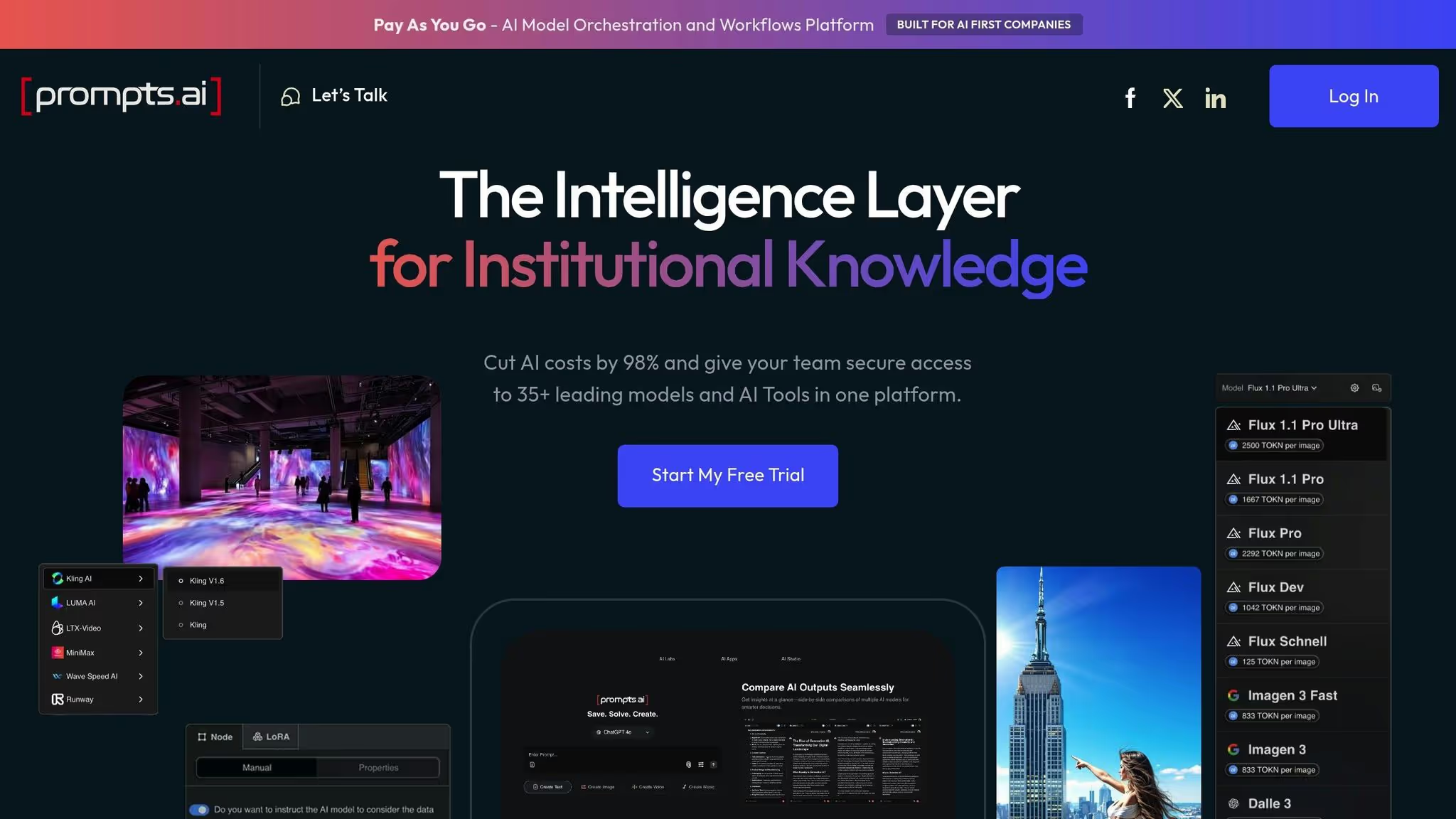
يجمع Prompts.ai أكثر من 35 نموذجًا رائدًا للذكاء الاصطناعي - بما في ذلك جي بي تي -5، كلود، لاما، الجوزاء، جروك-4، فلووكس برو، و كلينج - في منصة واحدة، لحل مشكلة التحميل الزائد للأدوات. بدلاً من التوفيق بين الاشتراكات والمنصات المتعددة، يمكن للفرق الوصول إلى مجموعة شاملة من إمكانيات الذكاء الاصطناعي من خلال لوحة تحكم مركزية واحدة.
يعيد هذا الدمج تعريف كيفية تعامل الشركات مع الأتمتة، وتحويل المهام المتناثرة التي لا تتكرر إلى عمليات منظمة وقابلة للتكرار مدعومة بالذكاء الاصطناعي. بالنسبة للمؤسسات التي تدير العمليات عبر الأقسام المختلفة، يعمل هذا النهج المبسط على تبسيط إدارة البائعين وإلغاء الحاجة إلى الحفاظ على أدوات منفصلة لوظائف الذكاء الاصطناعي المختلفة.
يعطي Prompts.ai الأولوية لتنوع النماذج على عمليات تكامل التطبيقات التقليدية، مما يسمح للمستخدمين بالتبديل بسلاسة بين النماذج بناءً على احتياجاتهم - سواء للاستدلال المعقد أو إنشاء المحتوى أو المهام الواعية بالتكلفة. ليست هناك حاجة لإدارة مفاتيح API متعددة، حيث يتم التعامل مع كل شيء من خلال النظام الأساسي. يمكن للمستخدمين أيضًا مقارنة النماذج مباشرةً عن طريق اختبار نفس المطالبة عبر عدة خيارات لتحديد الأنسب لسير العمل الخاص بهم. يخلق هذا التكامل السلس أساسًا لعمليات التشغيل الآلي القوية عبر الأقسام.
تدعم المنصة إنشاء عمليات تلقائية متعددة الخطوات من خلال ربط النماذج المتخصصة. على سبيل المثال، يمكن لنموذج واحد التعامل مع استخراج البيانات، ويمكن لنموذج آخر إجراء التحليل، ويمكن لنموذج ثالث إنشاء تقارير. لتسريع التبني، تقدم Prompts.ai مكتبة من عمليات سير العمل المبنية مسبقًا تسمى «Time Savers» وبرنامج شهادة المهندس الفوري. يعمل المجتمع النشط باستمرار على تحسين تدفقات العمل هذه، مما يضمن قدرة الشركات على تكييف العمليات وتخصيصها لتلبية احتياجاتها الفريدة.
يضيف متتبع التكلفة في الوقت الفعلي طبقة أخرى من الكفاءة من خلال مراقبة كل رمز مستخدم عبر النماذج. تساعد هذه الميزة الفرق على تحسين النفقات من خلال التحول إلى نماذج أكثر ملاءمة للميزانية دون المساس بالأداء. بالنسبة للمؤسسات، تظل الأتمتة الآمنة أولوية قصوى.
يتطلب توسيع نطاق سير العمل حوكمة قوية، ويقدم Prompts.ai امتثالًا لمعايير الصناعة، بما في ذلك SOC 2 من النوع الثاني، هيبا، و GDPR. يمكن تتبع كل تفاعل سريع ونموذجي ومخرجات، وهو أمر بالغ الأهمية للصناعات المنظمة مثل الرعاية الصحية والتمويل والخدمات القانونية. بدأت الشركة عملها SOC 2 من النوع الثاني التدقيق في 19 يونيو 2025، ويستمر العمل معه فانتا لمراقبة التحكم المستمر. يمكن للمستخدمين الوصول إلى مركز الثقة على https://trust.prompts.ai/ للحصول على تحديثات في الوقت الفعلي حول إجراءات الأمان والسياسات والتقدم المحرز في الامتثال.
يمكن للمسؤولين فرض الحوكمة على نطاق واسع من خلال تعيين السياسات التي تنطبق عبر الفرق وعمليات سير العمل. على سبيل المثال، يمكنهم تقييد نماذج معينة للبيانات الحساسة، أو طلب موافقات سير العمل، أو قصر ميزات معينة على أعضاء الفريق المعتمدين. يتم تضمين ميزات مراقبة الامتثال وإدارة الحوكمة في جميع الخطط - سواء الخاصة بالشركات (الأساسية والمحترفة والنخبة) والشخصية (الدفع حسب الاستخدام، والمبدع، والخطة العائلية) - مما يجعل الأمان على مستوى المؤسسة في متناول المؤسسات من أي حجم.
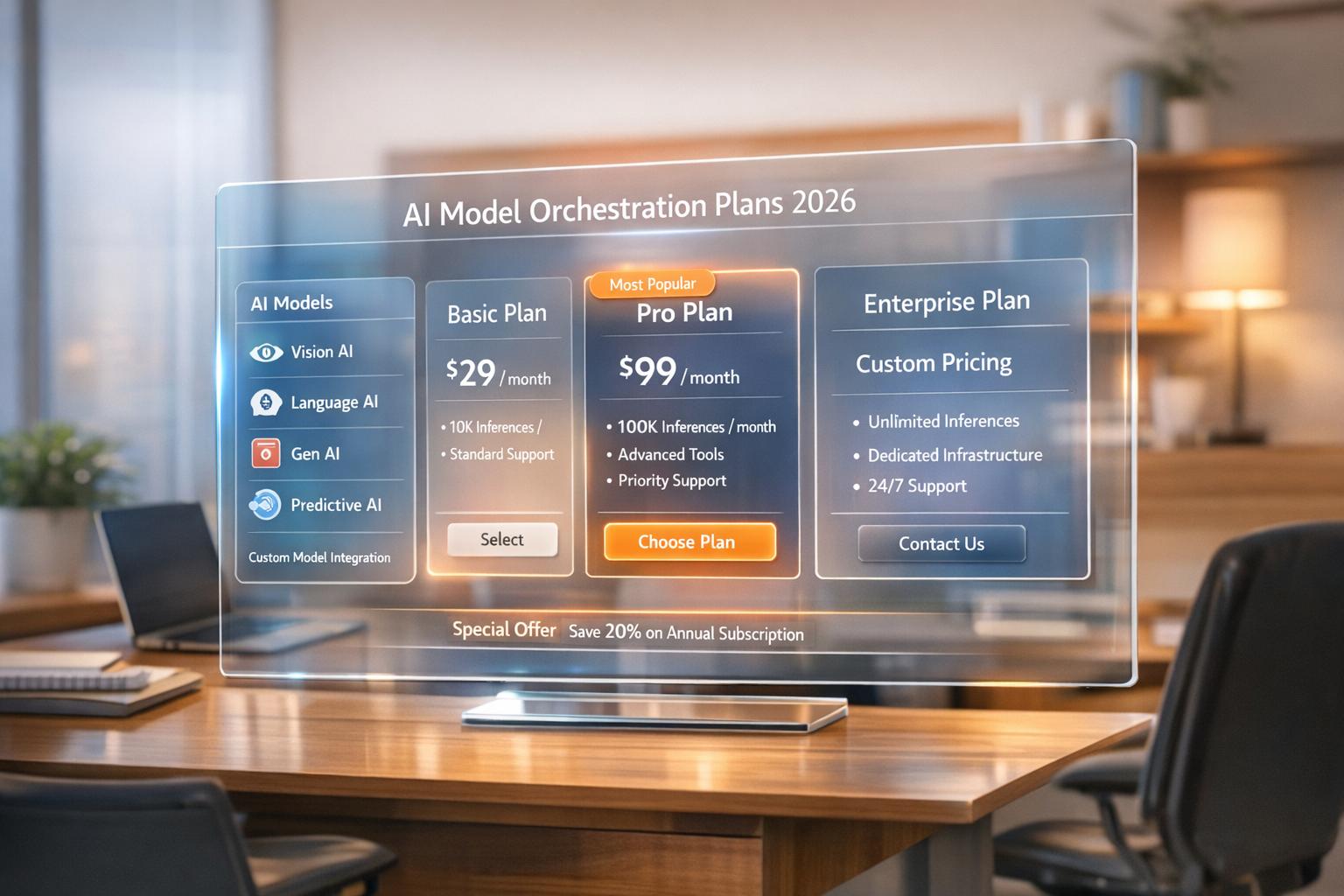
تقدم Prompts.ai نموذج تسعير الدفع أولاً بأول، مما يضمن المرونة والتحكم في التكاليف. بدلاً من الاشتراكات التقليدية، تستخدم المنصة أرصدة TOKN، لذلك تدفع فقط مقابل معالجة الذكاء الاصطناعي التي تستخدمها. ويؤدي ذلك إلى إلغاء الرسوم الشهرية الثابتة أو التراخيص لكل مقعد، ومواءمة التكاليف مع الاستخدام الفعلي.
تبدأ الخطط الشخصية من 0 دولار شهريًا (الدفع حسب الاستخدام)، و 29 دولارًا في الشهر (Creator)، و 99 دولارًا في الشهر (الخطة العائلية). تبلغ أسعار خطط الأعمال 99 دولارًا في الشهر (Core)، و 119 دولارًا في الشهر (Pro)، و 129 دولارًا في الشهر (Elite) لكل عضو، مع تقديم كل مستوى ميزات مصممة خصيصًا لاحتياجات الفريق المختلفة. بالنسبة للشركات ذات متطلبات الأتمتة المختلفة، يمكن أن يؤدي هيكل التسعير هذا إلى وفورات كبيرة في التكاليف.
عند النظر إلى Zapier، من الواضح أن النظام الأساسي يركز على إنشاء تكوينات سير عمل مخصصة للاحتياجات الفردية. إنه يتوافق مع لوائح الخصوصية الرئيسية مثل GDPR و CCPA، مما يضمن التعامل مع بيانات المستخدم بمسؤولية. ومع ذلك، بالنسبة للاستخدام على مستوى المؤسسة، يتطلب Zapier اتصالات API وأسرارًا منفصلة لكل سير عمل. في حين أن هذا النهج يعزز عزل بيانات الاعتماد، إلا أنه يمكن أن يجعل العمليات أقل كفاءة ويخلق تحديات في الحوكمة مقارنة بالمنصات التي توفر إدارة التكوين المركزية.
يوفر Make خيارات صديقة للميزانية مصممة خصيصًا للشركات الصغيرة والشركات الناشئة. مع توفر فئة مجانية، يمكن للمستخدمين استكشاف ميزات الأتمتة الأساسية دون أي تكلفة مسبقة. تبدأ الخطط المدفوعة في مجرد 9 دولارات في الشهر، مما يجعلها وسيلة ميسورة التكلفة للانتقال من المهام اليدوية إلى التشغيل الآلي القابل للتطوير. استراتيجية التسعير هذه تجعل من Make خيارًا جذابًا للشركات التي تتطلع إلى تبسيط العمليات دون إفلاس.
n8n هي شركة بارزة بين منصات الذكاء الاصطناعي، حيث تقدم تكاملاً سلسًا وأتمتة فعالة من حيث التكلفة تهدف إلى تعزيز العمليات التجارية. إنها تلبي احتياجات المطورين من خلال نهجها المرن والصديق للمطورين، حيث توفر خيارات الاستضافة الذاتية والسحابة - وهي مثالية للشركات التي تعطي الأولوية للتحكم في البيانات وتخصيصها.
n8n يجعل من السهل على الشركات توصيل الأدوات والخدمات المختلفة. يسمح إطارها مفتوح المصدر للفرق الفنية بإنشاء عمليات تكامل مخصصة، وهو أمر مفيد بشكل خاص للمؤسسات ذات الأنظمة الفريدة التي تحتاج إلى العمل جنبًا إلى جنب مع تطبيقات الأعمال القياسية.
يتمتع المطورون بحرية إنشاء عمليات سير العمل من البداية، وتخصيص كيفية تفاعل الخدمات المختلفة. كما تسلط ليندي دروب، مؤسسة GTM في ليندي، الضوء على ما يلي:
«إذا كنت تفضل إنشاء عمليات سير العمل من البداية بدلاً من الاعتماد على قوالب بدون تعليمات برمجية، فإن n8n يمنحك الأدوات والحرية للقيام بذلك.»
تضمن هذه المرونة قدرة n8n على التكيف مع مجموعة واسعة من احتياجات الأعمال، مما يمهد الطريق لميزات الأتمتة المتقدمة.
تم تصميم محرك التشغيل الآلي لـ n8n للتعامل مع عمليات سير العمل الأكثر تعقيدًا. وهي تستخدم نموذجًا قائمًا على التنفيذ، حيث يتم احتساب كل عملية سير عمل كوحدة واحدة، مما يؤدي إلى تجنب التكاليف المتزايدة المرتبطة غالبًا بالتسعير المستند إلى المهام. يمكن للمستخدمين دمج المنطق المتقدم والتوجيه الشرطي ومعالجة البيانات مباشرة داخل عمليات سير العمل. لمزيد من التخصيص، تسمح المنصة للمطورين بكتابة JavaScript مخصصة لإدارة تدفقات البيانات.
بالنسبة للمؤسسات ذات المتطلبات الصارمة لإدارة البيانات، يوفر الإصدار المجتمعي المجاني المستضاف ذاتيًا من n8n تحكمًا كاملاً في وضع البيانات ومعالجتها. وهذا يجعلها خيارًا قويًا للصناعات التي تتطلب رقابة صارمة على البيانات. وفي الوقت نفسه، توفر Pro Plan المستندة إلى السحابة ميزات مثل أدوار المسؤول وعناصر التحكم المتقدمة في الوصول، مما يضمن أذونات المستخدم المناسبة وإدارة سير العمل.
يضمن هذا العرض المزدوج للشركات اختيار الحل الذي يناسب احتياجات الحوكمة الخاصة بها مع الحفاظ على إمكانية إدارة التكاليف.
تعتبر أسعار n8n جذابة بشكل خاص للشركات التي تتعامل مع تدفقات العمل المعقدة. يقول عمر ناصر، المؤسس السابق ومحلل رأس المال الاستثماري:
«تقدم نماذج التسعير القائمة على التنفيذ مثل n8n مزايا التكلفة مقارنة بالتسعير القائم على المهام لعمليات سير العمل المعقدة.»
تتضمن خطة Starter Plan، التي يبلغ سعرها 24 دولارًا شهريًا، 2500 عملية تنفيذ و 5 عمليات سير عمل نشطة وعدد غير محدود من المستخدمين - وهو خيار ميسور التكلفة للفرق الصغيرة. تضيف خطة Pro، بسعر 60 دولارًا شهريًا، ميزات مثل المشاريع المشتركة وأدوار المشرف وأدوات البحث وعناصر التحكم في الوصول المحسّنة. بالنسبة للفرق التي تتمتع بالقدرة التقنية على إدارة البنية التحتية الخاصة بها، فإن الإصدار المجتمعي المجاني المستضاف ذاتيًا يلغي تكاليف الاشتراك مع توفير وظائف النظام الأساسي الكاملة، مما يجعله خيارًا جذابًا للشركات الناشئة وفرق التطوير.
تم تصميم Workato من أجل التشغيل الآلي على مستوى المؤسسة، مما يلبي احتياجات المؤسسات التي تطلب حلولًا آمنة وقابلة للتطوير عبر أقسام متعددة. إنه يركز بشدة على ميزات مثل الأمان والامتثال والحوكمة - المتطلبات الرئيسية للشركات العاملة في الصناعات المنظمة.
من خلال الاتصالات بأكثر من 1200 تطبيق، يمكّن Workato فرق تكنولوجيا المعلومات من إنشاء عمليات سير عمل تلقائية سلسة ومتعددة الأقسام. يعمل مساعد الذكاء الاصطناعي الخاص به، والمعروف باسم AIRO، ومكتبة Agent التي تم إنشاؤها مسبقًا والتي تتميز بـ «Genies» على تبسيط عملية بناء عمليات سير العمل ونشرها، مما يوفر الوقت والجهد.
يتعامل Workato مع عمليات سير العمل المعقدة والمتعددة الخطوات بسهولة، ويقدم ميزات مثل المنطق الشرطي وتحولات البيانات والتنسيق عبر الأنظمة. تم تصميم المنصة خصيصًا لمحترفي تكنولوجيا المعلومات لتوسيع نطاقها ودعم قواعد المستخدمين الكبيرة وأحجام المعاملات الكبيرة. يؤدي تضمين وظيفة MCP (بروتوكول السياق النموذجي) إلى تحسين قدرتها على إدارة سيناريوهات التشغيل الآلي المعقدة. ومع ذلك، تجدر الإشارة إلى أن التخصيص المحدود للكود المضمن في Workato قد يشكل تحديات لأولئك الذين يحتاجون إلى خيارات ترميز مخصصة واسعة النطاق.
بالنسبة للمؤسسات في القطاعات المنظمة، تقدم Workato مجموعة قوية من أدوات الحوكمة والامتثال. إنه يفي بمعايير SOC 2 Type II ويتضمن التحكم القوي في الوصول المستند إلى الأدوار (RBAC)، مما يسمح للمسؤولين بتحديد الأذونات التفصيلية. توفر لوحة معلومات الحوكمة المركزية لقادة تكنولوجيا المعلومات رؤية كاملة لأنشطة الأتمتة، مما يضمن بقاء سير العمل متوافقًا مع السياسات التنظيمية والمعايير التنظيمية. من خلال اتفاقيات مستوى الخدمة المضمونة لوقت التشغيل والدعم، تلبي المنصة أيضًا توقعات الموثوقية لعمليات المؤسسة.
تعمل Workato على نموذج تسعير مخصص للمؤسسات، والذي يتطلب من المؤسسات الاتصال بالمبيعات للحصول على عرض أسعار. تتأثر التكاليف بعوامل مثل عدد المهام المنفذة واستخدام الموصلات المتقدمة وعدد المستخدمين في الحساب. في حين أن الاستثمار المسبق قد يكون كبيرًا، إلا أن قدرة Workato على إدارة تدفقات العمل المعقدة والحرجة على نطاق واسع يمكن أن تحل محل العديد من الأدوات المستقلة وتقلل من العمليات اليدوية. ويؤدي ذلك إلى تحقيق وفورات كبيرة في التكاليف التشغيلية وتقليل المخاطر، مما يجعله خيارًا قيمًا للمؤسسات التي تبحث عن حلول التشغيل الآلي الفعالة. تميز هذه السمات Workato في مشهد منصات التشغيل الآلي لسير العمل بالذكاء الاصطناعي.
يتضمن اختيار منصة التشغيل الآلي المناسبة موازنة نقاط القوة والضعف لكل خيار للتوافق مع أهداف مؤسستك.
Prompts.ai يتفوق كحل لتنسيق الذكاء الاصطناعي على مستوى المؤسسة، حيث يجمع أكثر من 35 نموذجًا رائدًا للغات الكبيرة في واجهة واحدة آمنة. وتتمثل ميزتها البارزة في القدرة على خفض تكاليف الذكاء الاصطناعي بنسبة تصل إلى 98٪، وذلك بفضل طبقة FinOps، مع القضاء على أوجه القصور الناجمة عن انتشار الأدوات. يمكن للمؤسسات تحويل تجارب الذكاء الاصطناعي المتناثرة إلى تدفقات عمل منظمة ومتوافقة، مع ميزة إضافية تتمثل في نموذج تسعير الدفع أولاً بأول من خلال ائتمانات TOKN - تجنب رسوم الاشتراك المتكررة. ومع ذلك، بالنسبة للشركات التي تركز فقط على التشغيل الآلي التقليدي من تطبيق إلى تطبيق، قد تكون المنصات ذات عمليات تكامل الطرف الثالث الأوسع مناسبة بشكل أفضل.
زابير تشتهر ببساطتها وسهولة الوصول إليها، مما يجعلها مثالية للشركات الصغيرة والمتوسطة الحجم والمستخدمين غير التقنيين. بفضل اتصالاته بأكثر من 6000 تطبيق، يعد هذا التطبيق خيارًا مثاليًا لإنشاء عمليات سير عمل مباشرة دون الحاجة إلى مهارات الترميز. على الجانب السلبي، فهي تعاني من عمليات التشغيل الآلي المعقدة متعددة الخطوات، ويمكن أن ترتفع التكاليف بسرعة مع زيادة حجم المهام. يمكن أن يشعر المنطق المتقدم أيضًا بأنه مرهق في التنفيذ.
يصنع (المعروفة سابقًا باسم Integromat) تقدم تجربة التشغيل الآلي القائمة على الرؤية من خلال واجهتها ذات نمط المخطط الانسيابي. هذا جذاب بشكل خاص للمستخدمين الذين يفضلون التفكير التخطيطي. إنه ممتاز للتعامل مع تحويلات البيانات المعقدة وسير العمل باستخدام المنطق الشرطي، وكل ذلك بمستويات تسعير تنافسية. ومع ذلك، يمكن أن يكون منحنى التعلم الخاص بالمنصة حادًا، وغالبًا ما يتطلب استكشاف أخطاء سير العمل الفاشلة مزيدًا من الجهد مقارنة بالأدوات النصية.
رقم 8 يوفر حلاً مستضافًا ذاتيًا ومفتوح المصدر، مما يمنح الفرق الفنية التحكم الكامل في البنية التحتية للأتمتة الخاصة بهم. هذه ميزة كبيرة للشركات في الصناعات المنظمة التي تحتاج إلى ضمان عدم مغادرة البيانات لبيئتها أبدًا. يسمح المحرر المستند إلى العقدة بتنفيذ التعليمات البرمجية المخصصة، مما يوفر المرونة للمطورين لإنشاء حلول مخصصة. ومع ذلك، فإن إدارة البنية التحتية والمطالبة بالخبرة الفنية يمكن أن تجعل الوصول إليها أقل للفرق غير الفنية.
بالنسبة للشركات ذات الاحتياجات على مستوى المؤسسة، Workato يوفر ميزات قوية للحوكمة والامتثال وقابلية التوسع مصممة خصيصًا للمؤسسات الكبيرة. تعمل عمليات دمج التطبيقات التي يزيد عددها عن 1200 تطبيق على تسهيل عمليات سير العمل المعقدة عبر الأقسام، مع الامتثال لـ SOC 2 Type II وضوابط الوصول المتقدمة القائمة على الأدوار لضمان الأمان. على الرغم من قوتها، إلا أن هيكل التسعير المخصص والتكاليف الأولية المرتفعة قد يشكلان حاجزًا أمام المؤسسات الصغيرة.
توضح هذه المقارنة المقايضات بين المنصات، مما يساعد المؤسسات على مواءمة استراتيجيات الأتمتة الخاصة بها مع احتياجاتها الخاصة.
في النهاية، يعتمد الخيار الأفضل على ما إذا كان تركيزك على تنسيق نموذج الذكاء الاصطناعي، أو التشغيل الآلي التقليدي من تطبيق إلى تطبيق، أو تصميم سير العمل المرئي، أو التحكم في البنية التحتية، أو الحوكمة على مستوى المؤسسة. بالنسبة للمؤسسات التي تجمع بين العمليات القائمة على الذكاء الاصطناعي وسير العمل التقليدي، يمكن دمج إمكانات Prompts.ai جنبًا إلى جنب مع الأدوات الأخرى لإنشاء أنظمة موحدة وفعالة مصممة خصيصًا لأهداف الأتمتة الخاصة بك.
يتوقف اختيار منصة التشغيل الآلي المناسبة للذكاء الاصطناعي على حجم مؤسستك وخبرتها الفنية ومتطلبات سير العمل. للشركات الصغيرة والفرق غير الفنية، زابير يوفر واجهة سهلة الاستخدام مثالية لإعداد الأتمتة الأساسية. ومع ذلك، ضع في اعتبارك أن التكاليف قد ترتفع مع نمو احتياجات الأتمتة الخاصة بك.
غالبًا ما تحتاج الشركات متوسطة الحجم إلى مزيد من المرونة والتحكم المرئي في سير العمل. منصات مثل يصنع، مع محررها بنمط المخطط الانسيابي، تعد خيارًا قويًا للتعامل مع المنطق الشرطي وتحولات البيانات. يسهّل هذا الأسلوب المرئي على الفرق تصميم عمليات التشغيل الآلي وفهمها واستكشاف أخطائها وإصلاحها.
للفرق الفنية أو الصناعات ذات المتطلبات الصارمة لمراقبة البيانات، رقم 8 يوفر حلاً مستضافًا ذاتيًا ومفتوح المصدر. وهذا يضمن بقاء البيانات داخل البنية التحتية الخاصة بك، ولكنه يتطلب موارد فنية مخصصة للإعداد والإدارة المستمرة.
سوف تجد الشركات الكبيرة ذات تدفقات العمل المعقدة والمشتركة بين الإدارات Workato اختيار قوي. تم تصميم ميزات الحوكمة المتقدمة وأدوات التحكم في الوصول القائمة على الأدوار للعمليات واسعة النطاق. ومع ذلك، فإن الاستثمار المسبق الكبير والأسعار المخصصة تجعله الأنسب للمؤسسات ذات ميزانيات التشغيل الآلي الكبيرة. إن قابلية التوسع وقدرات الامتثال للمنصة تجعلها منافسًا قويًا لاحتياجات المؤسسة.
بالنسبة للمؤسسات التي تركز على التشغيل الآلي للذكاء الاصطناعي، Prompts.ai يجلب ميزة فريدة. إنه يدمج الوصول إلى أكثر من 35 نموذجًا لغويًا رائدًا من خلال واجهة واحدة ويتضمن طبقة FinOps التي يمكنها خفض تكاليف الذكاء الاصطناعي بنسبة تصل إلى 98٪. خدمة الدفع أولاً بأول نظام ائتمان TOKN يلغي رسوم الاشتراك المتكررة، مما يجعله مثاليًا للفرق التي تجري تجارب الذكاء الاصطناعي عبر أقسام متعددة. من خلال تبسيط إدارة التكلفة وفرض الحوكمة والحفاظ على مسارات التدقيق، يساعد Prompts.ai في القضاء على فوضى إدارة أدوات متعددة.
مع هذه الخيارات المتنوعة، يتطلب اختيار النظام الأساسي المناسب مواءمة اختيارك مع الأولويات التشغيلية لمؤسستك والأهداف طويلة المدى.
يركز Prompts.ai بشدة على الامتثال والالتزام بالمعايير التنظيمية الهامة مثل SOC 2 من النوع الثاني، هيبا، و GDPR لتوفير حماية قوية للبيانات والحوكمة.
تستخدم المنصة حلول المراقبة المستمرة مثل Vanta وبدأت رسميًا عملية تدقيق SOC 2 من النوع الثاني في 19 يونيو 2025. تدعم استراتيجية التفكير المستقبلي هذه الشركات في القطاعات المنظمة، وتساعدها على تلبية احتياجات الامتثال مع ضمان أمن البيانات الحساسة.
تقدم Prompts.ai نظام ائتمان TOKN للدفع أولاً بأول، مما يمنحك طريقة مباشرة لإدارة تكاليف التشغيل الآلي للذكاء الاصطناعي. باستخدام هذا النموذج، تتم محاسبتك فقط على الموارد التي تستخدمها - بدون رسوم متكررة ولا عقود ملزمة.
تم تصميم هذا النظام ليناسب الشركات من أي حجم، مما يسمح لك بتعديل الاستخدام حسب الحاجة دون القلق بشأن الإنفاق الزائد. من خلال تقديم أسعار واضحة وشفافية في التكلفة، يتيح لك نظام TOKN الائتماني التحكم، مما يساعدك على تحقيق أقصى استفادة من الأتمتة القائمة على الذكاء الاصطناعي مع البقاء في حدود الميزانية.
يمكن للشركات أن تدمج بسلاسة Prompts.ai في عمليات سير العمل الخاصة بهم، وذلك باستخدام أدواتها القائمة على الذكاء الاصطناعي لتبسيط العمليات والقضاء على المهام المتكررة. يمكن تصميم قدرات التشغيل الآلي للمنصة لتلبية الاحتياجات الفريدة للإدارات المختلفة، مما يساعد على تحسين الكفاءة في جميع المجالات.
مع Prompts.ai، يمكن للفرق أيضًا تقييم أفضل النماذج اللغوية جنبًا إلى جنب، وتمكينها من اتخاذ قرارات مستنيرة وزيادة الإنتاجية. من خلال تضمين Prompts.ai في الأنظمة الحالية، يمكن للمؤسسات الاستمتاع بسير عمل مبسط وعمليات أكثر كفاءة - كل ذلك دون مقاطعة عملياتها الحالية.