Pay As You Goإصدار تجريبي مجاني لمدة 7 أيام؛ لا يلزم وجود بطاقة ائتمان


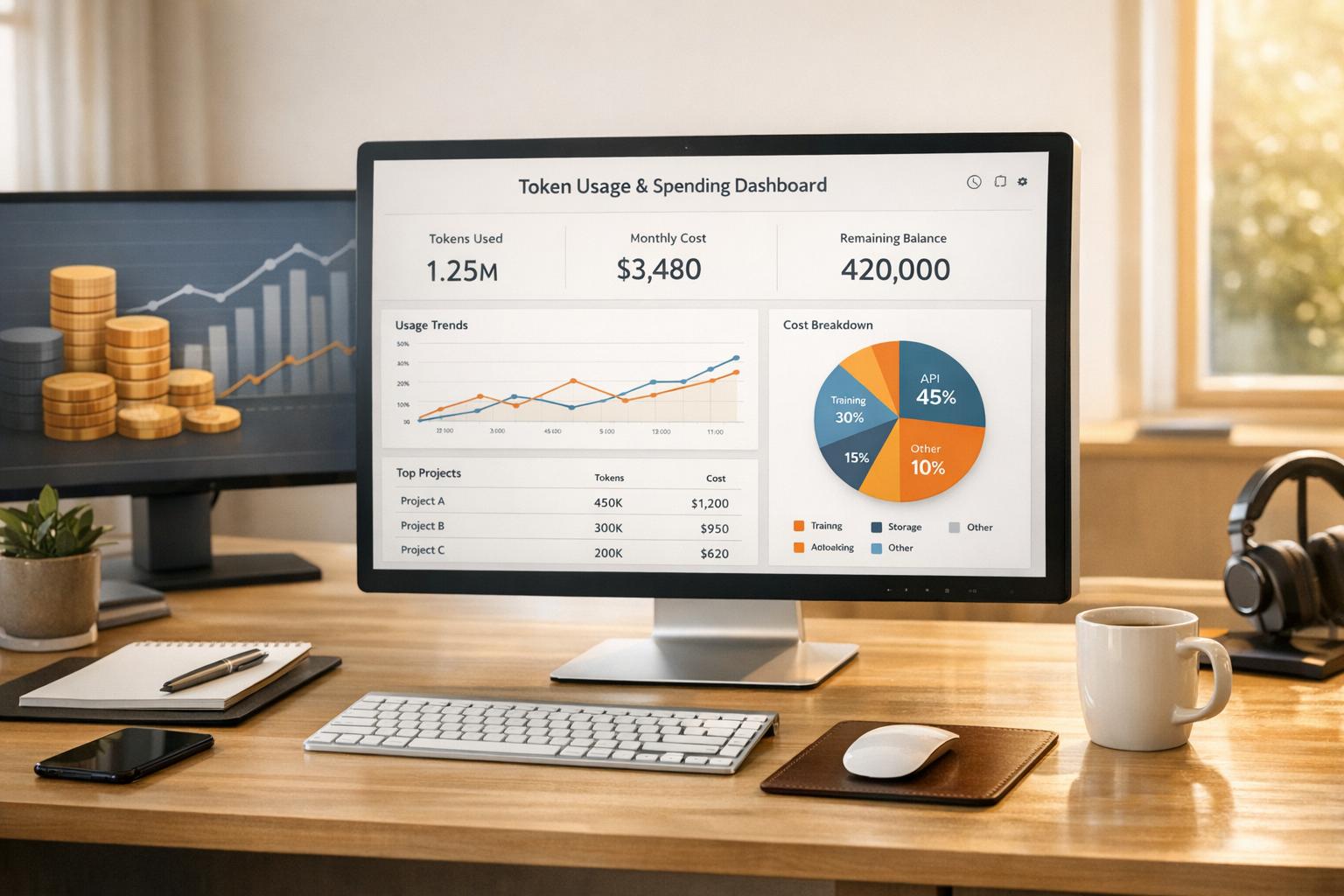
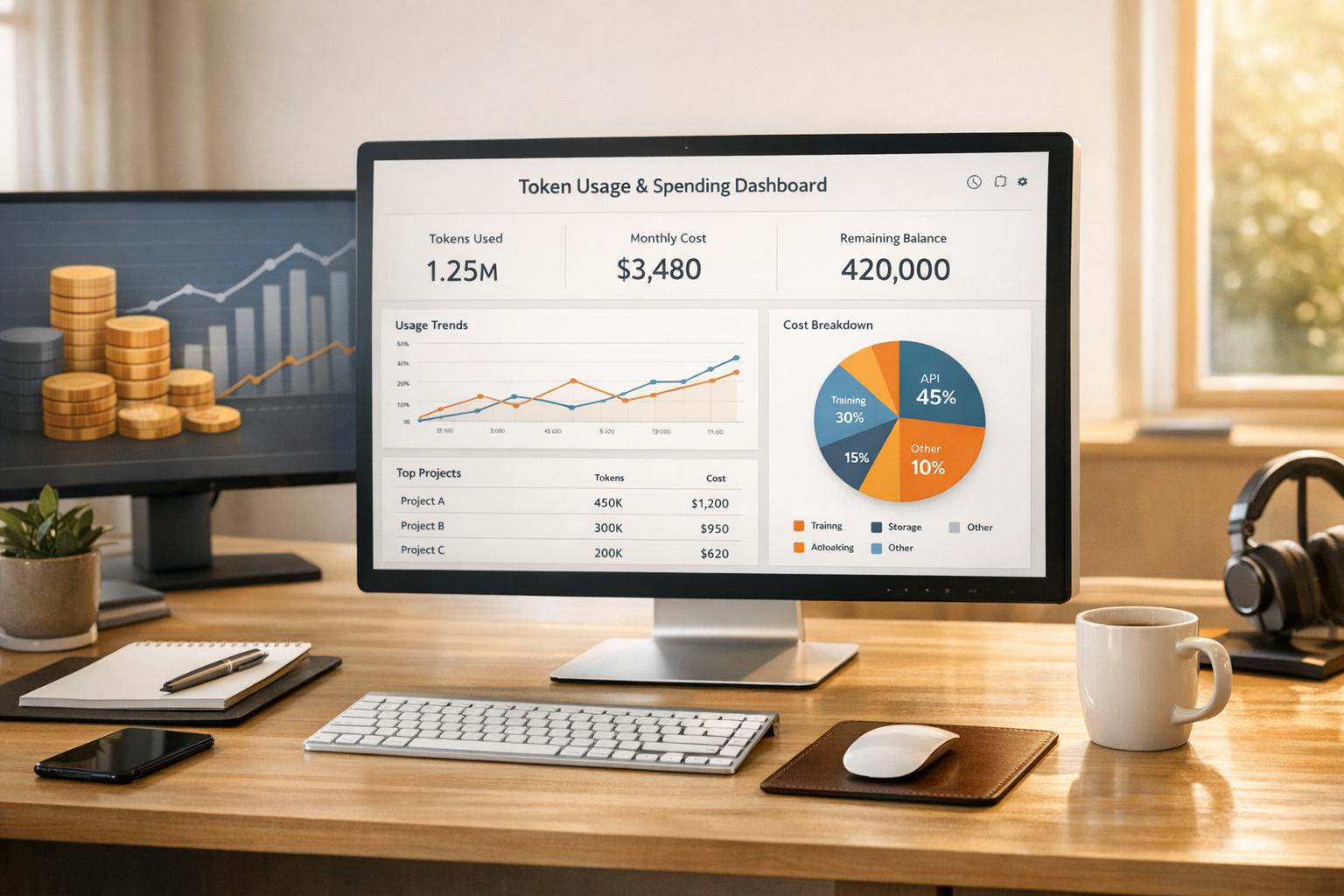
تعد إدارة تكاليف رموز الذكاء الاصطناعي تحديًا متزايدًا للشركات التي تعمل على توسيع نطاق عملياتها. يمكن أن تؤدي نماذج التسعير القائمة على الرموز إلى نفقات غير متوقعة، خاصة مع تدفقات العمل المعقدة وأنظمة الذكاء الاصطناعي متعددة الوسائط. لمعالجة هذا الأمر، توفر العديد من الأدوات الآن تتبع الرموز في الوقت الفعلي وإحصاءات الإنفاق، مما يساعد الفرق على تحسين التكاليف ومنع مفاجآت الفواتير. فيما يلي ستة حلول رائدة:
تضمن هذه الأدوات إمكانية رؤية استخدام الرمز المميز، مما يتيح اتخاذ قرارات أكثر ذكاءً وضوابط أكثر صرامة للتكلفة. سواء كنت تدير بعض عمليات سير العمل أو مليارات الرموز شهريًا، فإن هذه المنصات تبسط التتبع وتقلل النفقات.

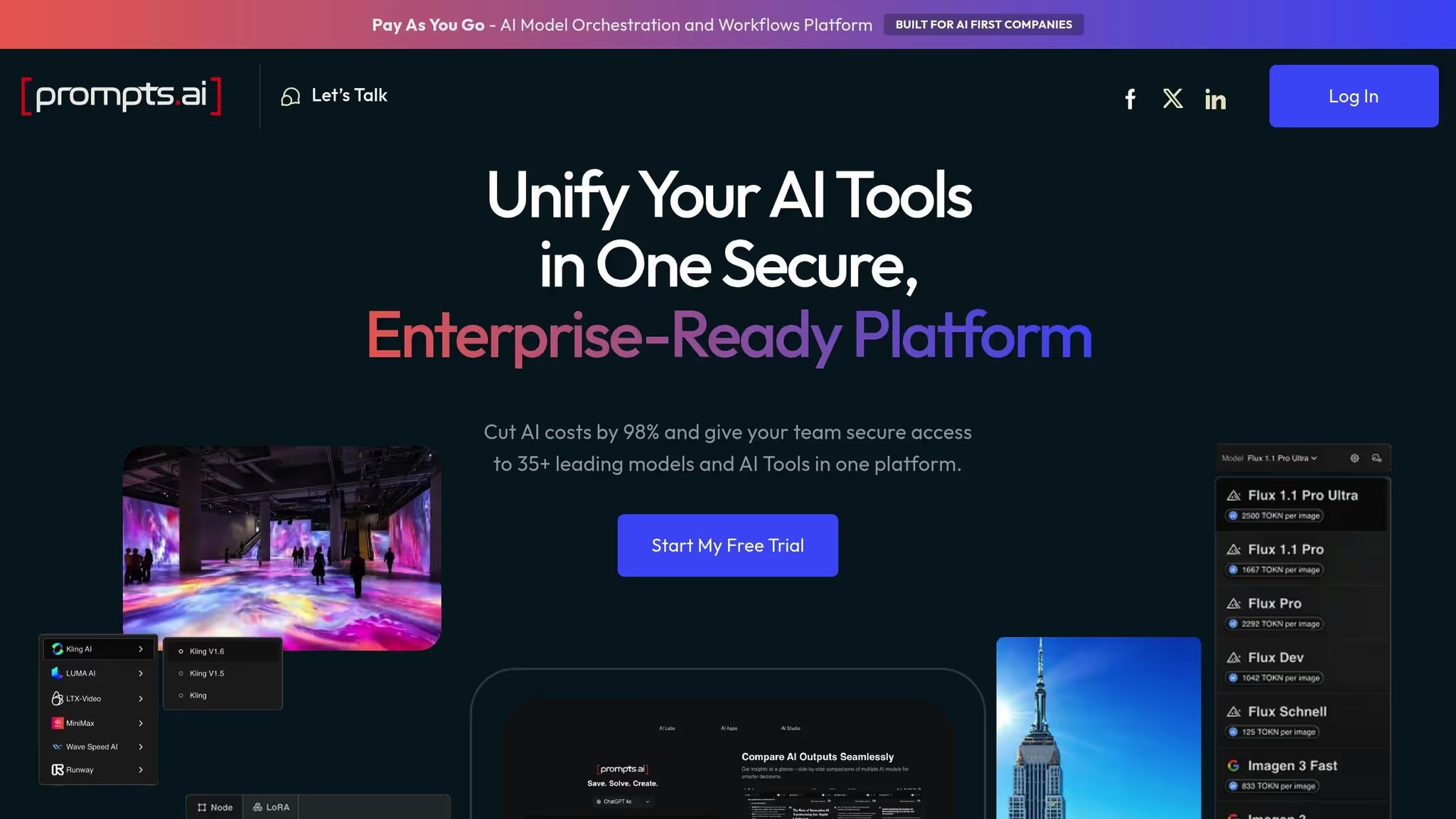
عروض Prompts.ai رؤية الرمز المميز في الوقت الفعلي مباشرة داخل مساحة العمل الهندسية السريعة، مما يزيل عدم اليقين بشأن الرسوم غير المتوقعة. من خلال عداد الرموز المباشر المضمن في محرر المطالبة، يمكن للمستخدمين معرفة عدد الرموز التي تستهلكها كل مطالبة ومتغيراتها بالضبط - قبل التنفيذ وبعده. تساعد هذه الملاحظات الفورية الفرق على تحديد دوافع التكلفة أثناء العمل. أدناه، استكشف ميزات Prompts.ai البارزة في تتبع الرموز، ودعم العديد من مقدمي الخدمات، والتكامل مع تدفقات عمل الذكاء الاصطناعي.
يلتقط ملف Prompts.ai رموز الإدخال و رموز الإخراج مباشرة من مقدمي الخدمة ويحسب التكاليف الإجمالية باستخدام بطاقات الأسعار المحدثة. عندما يقوم المستخدمون بتبديل النماذج، يتم تحديث تقديرات التكلفة على الفور، مما يسهل مقارنة النفقات عبر محركات الذكاء الاصطناعي المختلفة. توفر المنصة أيضًا الإسناد التفصيلي، وتفصيل استخدام الرمز المميز من قبل المستخدمين، أو الجلسات، أو المسارات، أو عمليات سير العمل. يسمح هذا المستوى من التفصيل للشركات بتحديد العمليات الأكثر كثافة في استخدام الموارد.
تدمج المنصة 35 نموذجًا لغويًا رائدًا، بما في ذلك GPT-5 وكلود ولاما و الجوزاء، في واجهة واحدة. يمكن للفرق تتبع وإدارة الإنفاق عبر مقدمي الخدمات مثل أوبن إيه آي، أزور، فيرتيكس إيه آي، و AWS بيدروك، كل ذلك من لوحة تحكم واحدة. يعمل هذا النهج المبسط على التخلص من الخلط بين الحسابات المتعددة وأنظمة الفواتير، مما يوفر رؤية واضحة لاستخدام الرمز المميز والنفقات الشهرية.
يتكامل Prompts.ai بسهولة مع منصات LLM الرئيسية، مما يتيح تدفق البيانات الآلي إلى لوحات معلومات مركزية. هذا يحول تتبع التكلفة إلى أداة استباقية بدلاً من عملية تفاعلية. من خلال التقاط البيانات الوصفية الرئيسية في طبقة تنفيذ النموذج، توفر المنصة رؤى في الوقت الفعلي حول استخدام الرمز المميز عبر النماذج والمطالبات والمستخدمين وعمليات سير العمل. يضمن هذا التكامل عمل كل من الفرق المالية والهندسية ببيانات متسقة ودقيقة، مما يجعل مناقشات الميزانية واضحة ومرتكزة على الأرقام الحقيقية.
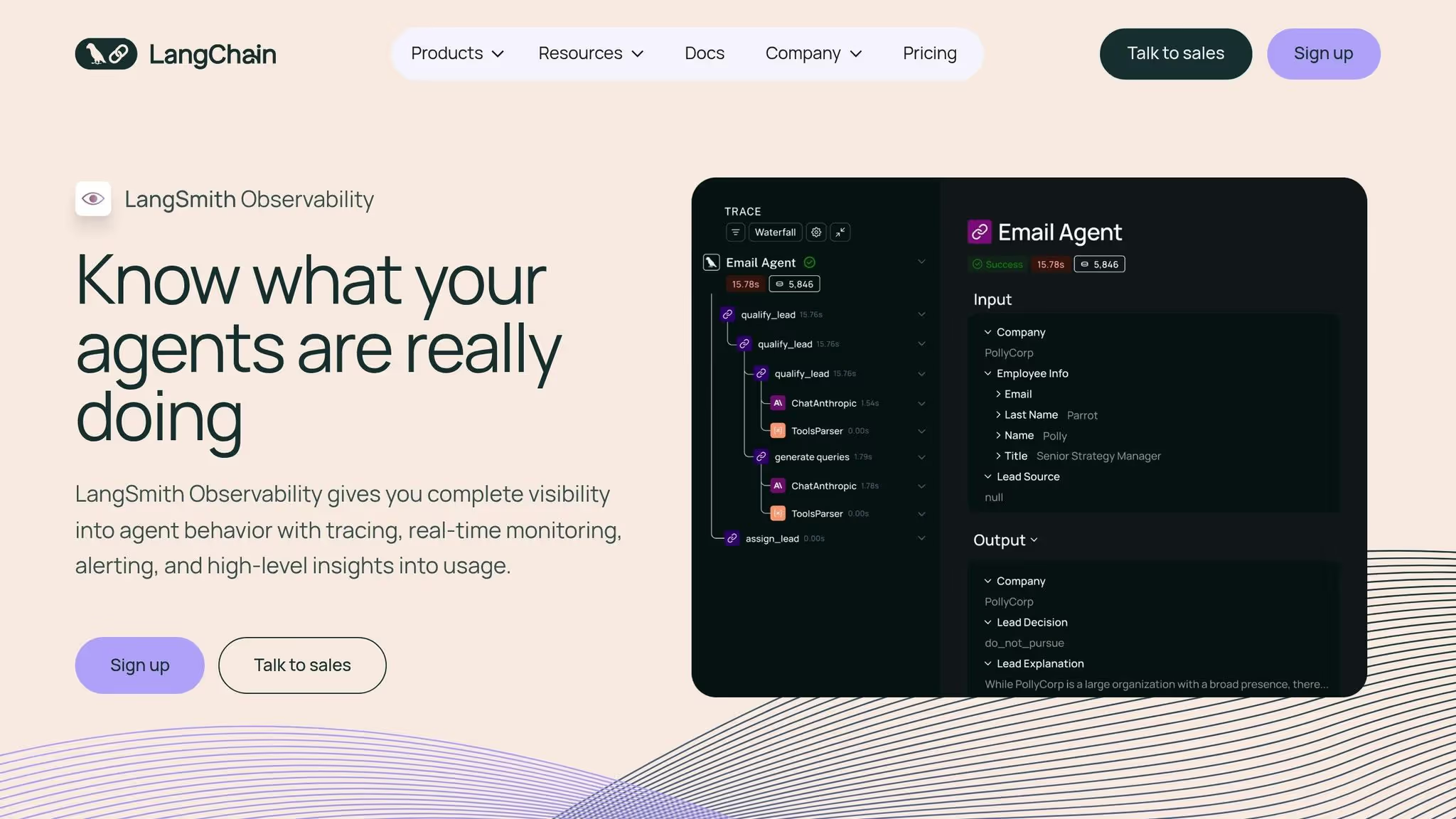
يعالج LangSmith الحاجة المتزايدة إلى رؤى التكلفة في الوقت الفعلي من خلال تقديم تتبع مفصل عبر جميع مكونات الذكاء الاصطناعي، بما في ذلك مكالمات LLM واستخدام الأدوات وخطوات الاسترداد. في 1 ديسمبر 2025، لانج تشين قدم هذه الميزة، مما يتيح حسابات التكلفة التلقائية لمقدمي الخدمات الرئيسيين مع السماح بالإدخالات اليدوية لعمليات التشغيل غير القياسية. تراقب المنصة استخدام الرمز المميز وتحسب التكاليف لمقدمي الخدمات مثل OpenAI، أنثروبي، و Gemini، التي تدعم الرموز متعددة الوسائط مثل الصور والصوت، بالإضافة إلى قراءات ذاكرة التخزين المؤقت.
تنظم LangSmith بيانات الرمز والتكلفة في ثلاث طرق عرض رئيسية: شجرة التتبع (تفصيل مفصل لكل جولة)، إحصائيات المشروع (المجاميع المجمعة) و لوحات المعلومات (اتجاهات الاستخدام). ينقسم الاستخدام إلى فئات - الإدخال (على سبيل المثال، النص والصور وقراءات ذاكرة التخزين المؤقت) والمخرجات (مثل النص والصور ورموز الاستدلال) وغيرها (مثل استدعاءات الأدوات والاسترجاع) - مما يسهل تحديد المطالبات المكلفة أو الاستخدام غير الفعال للأداة. توفر هذه التحليلات رؤى قابلة للتنفيذ، مما يمهد الطريق لإدارة التكلفة والتحسين بشكل أفضل.
لمعالجة الزيادات غير المتوقعة في الفواتير، تقدم LangSmith أدوات لإدارة الاحتفاظ بالبيانات والنفقات. يمكن للمستخدمين تشغيل قواعد الاحتفاظ بالتتبع تلقائيًا، مثل الاحتفاظ بنسبة 10٪ فقط من إجمالي حركة المرور أو الاحتفاظ بالتبعات غير الصحيحة لتصحيح الأخطاء، مما يساعد على تقليل تكاليف التخزين. بالإضافة إلى ذلك، يمكن للمؤسسات تعيين حدود إنفاق مطلقة على مستوى مساحة العمل لتجنب الرسوم المفاجئة. بالنسبة للتسعير غير الخطي أو الأدوات المخصصة، فإن بيانات تعريف الاستخدام يسمح الحقل بإدخال التكلفة يدويًا، مما يضمن أن لوحات المعلومات تعكس بدقة جميع النفقات.
يدعم LangSmith التتبع التلقائي للتكاليف لمقدمي الخدمات مثل OpenAI و Anthropic و Gemini والنماذج الأخرى المتوافقة مع OpenAI. بالنسبة إلى الموفرين غير المدعومين، فإن خريطة أسعار الطراز يتيح المحرر للمستخدمين تحديد التكاليف المخصصة لكل رمز باستخدام مطابقة regex لأسماء النماذج. تضمن هذه المرونة إعداد تقارير دقيقة، حتى بالنسبة للأسعار التي يتم التفاوض عليها من قبل المؤسسة أو النماذج المخصصة.
يندمج LangSmith بسهولة في عمليات سير عمل الذكاء الاصطناعي من خلال متغيرات البيئة، @traceable مصمم لبيثون وتايب سكريبت، أو مكالمات إطار عمل LangChain الأصلية. يمكن للمطورين أيضًا تتبع التكاليف غير المتعلقة بـ LLM، مثل واجهات برمجة تطبيقات البحث وعمليات استرداد المتجهات، باستخدام التكلفة الإجمالية الحقل في البيانات الوصفية للتشغيل. يوفر نهج التتبع الموحد هذا رؤية واضحة للإنفاق عبر المطالبات والمخرجات والأدوات وعمليات الاسترداد، وهو أمر ضروري لإدارة تطبيقات الذكاء الاصطناعي المعقدة.
تقدم Langfuse نظامًا قويًا لتتبع استخدام الرمز المميز والتكاليف من خلال تصنيف تفاعلات الذكاء الاصطناعي على أنها إما توليد أو تضمين داخل الآثار. تقوم المنصة بجمع البيانات من خلال طريقتين: الاستدلال التلقائي استنادًا إلى أسماء النماذج أو الاستيعاب الصريح، حيث يتم توفير أعداد الرموز المميزة والتكاليف عبر حزم SDK أو واجهات برمجة التطبيقات. يضمن هذا الأسلوب المزدوج التتبع الدقيق، سواء كنت تعمل مع نماذج قياسية أو إعدادات مخصصة، مما يشكل الأساس لتحليلاته التفصيلية.
يوفر Langfuse تحليلات في الوقت الفعلي من خلال لوحات المعلومات القابلة للتخصيص وواجهة برمجة تطبيقات Metrics، مما يسمح للمستخدمين بتصفية البيانات حسب أبعاد مختلفة مثل معرف المستخدم والجلسة والموقع والميزة والإصدار الفوري. بالإضافة إلى تتبع المدخلات والمخرجات الأساسية، تحدد المنصة أنواع الاستخدام المتخصصة، بما في ذلك الرموز المخزنة مؤقتًا، الرموز الصوتية، رموز الصورة، و رموز المنطق. للحصول على التتبع الأكثر دقة - خاصة بالنسبة للرموز المنطقية التي تم إنشاؤها بواسطة نماذج مثل عائلة o1 من OpenAI - يمكن للمستخدمين استيعاب أعداد الرموز مباشرة من استجابة LLM.
يحسب Langfuse تكاليف النماذج المدعومة من موفري خدمات مثل OpenAI و Anthropic و Google. يتعامل مع هياكل التسعير المعقدة باستخدام مستويات التسعير، والتي تقوم بتعديل الأسعار بناءً على شروط مثل حدود عدد الرموز. على سبيل المثال، يتم تطبيق معدلات أعلى على Claude Sonnet 3.5 عندما يتجاوز الإدخال 200,000 رمز مميز. يمكن للمستخدمين أيضًا تحديد النماذج المخصصة وهياكل التسعير من خلال واجهة المستخدم أو API، مما يتيح تتبع النماذج المستضافة ذاتيًا أو التي تم ضبطها بدقة والتي لا يتم تضمينها في المكتبة الافتراضية. عن طريق وضع علامات على الآثار باستخدام معرف المستخدم، يمكن للفرق تحديد المستخدمين أو الميزات التي تؤدي إلى زيادة التكاليف، مما يسهل تنفيذ الفواتير أو الحصص القائمة على الاستخدام.
يدعم Langfuse مقدمي الخدمات الرئيسيين مثل OpenAI وأنثروبيك وجوجل. إنه يحدد مقاييس الاستخدام بأسلوب OpenAI (على سبيل المثال، رموز_سريعة و رموز الإكمال) إلى حقولها الداخلية، مع احتساب التكاليف في وقت الابتلاع باستخدام السعر الحالي للنموذج. بالنسبة للنماذج المستضافة ذاتيًا، يمكن للمستخدمين الانتقال إلى إعدادات المشروع > النماذج لإضافة الترميز والتسعير المخصصين، مما يضمن التتبع الدقيق. هذه الميزات تجعل تتبع التكاليف سلسًا عبر مجموعة متنوعة من النماذج.
يتكامل Langfuse مع أكثر من 50 مكتبة وإطارًا، بما في ذلك OpenAI SDK و LangChain مؤشر لاما، و لايت إل إم. إنه يدعم جلسات لتتبع المحادثات متعددة الأدوار وسير العمل المؤتمت، مما يوفر عرضًا زمنيًا لتصحيح مشكلات وقت الاستجابة والتكلفة خطوة بخطوة. يمكن أيضًا تصدير المقاييس إلى منصات خارجية مثل بوست هوغ و ميكس بانل من خلال واجهة برمجة تطبيقات Daily Metrics، مما يمكّن الشركات من دمج بيانات التكلفة المجمعة في أنظمة الفواتير أو فرض حدود معدل برمجي.

تتبنى Arize مفهوم التتبع في الوقت الفعلي وتقوم بتوسيعه لتلبية احتياجات المؤسسة. باستخدام Arize AX، يتم تتبع استخدام الرمز المميز بدقة باستخدام معايير OpenInference، والتي تغطي عدد الرموز السريعة والإكمال وإجمالي عدد الرموز. تقوم المنصة أيضًا بتصنيف الرموز المميزة إلى أنواع متخصصة مثل الصوت والصورة والمنطق ورموز ذاكرة التخزين المؤقت (الإدخال والقراءة والكتابة). يتم حساب التكاليف لكل مليون رمز، ويمكن للمستخدمين تحديد أسعار مخصصة لنماذج وموفرين محددين. ومع ذلك، من المهم ملاحظة أنه يجب تكوين التسعير قبل استيعاب التتبع، حيث لا يمكن تطبيق تتبع التكلفة بأثر رجعي. يضع هذا الإعداد القوي الأساس للتحليلات المتقدمة وأدوات التحسين.
تؤكد Arize على الشفافية من خلال قدرات المراقبة في الوقت الفعلي، والتي تحدد المشكلات وتطلق التنبيهات الآلية. تستخدم المنصة المنطق الاحتياطي لضمان التتبع الدقيق للتكاليف، باستخدام التسلسل الهرمي لحقول البيانات الوصفية - بدءًا من اسم نموذج LLM، ثم llm.invocation_parameters.model، وأخيرًا نموذج البيانات الوصفية - للتعامل مع التناقضات عبر مكالمات LLM. بالنسبة للعمليات واسعة النطاق، تم تصميم Arize AX Enterprise لمعالجة مليارات الأحداث يوميًا دون مشاكل وقت الاستجابة، مما يوفر نوافذ مراجعة كل ساعة لتحليل الأداء التفصيلي. تتيح لوحات المعلومات المخصصة والقوالب المعدة مسبقًا للمستخدمين تصور التوزيعات الإحصائية وخرائط الأداء، مما يجعل استكشاف الأخطاء وإصلاحها أسرع وأكثر كفاءة.
يتضمن أريز ملعب برومبون حيث يمكن للمطورين اختبار ومقارنة المطالبات المختلفة جنبًا إلى جنب. توفر هذه الأداة رؤى في الوقت الفعلي لكل من الأداء والتكلفة، مما يتيح اتخاذ قرارات نشر أكثر ذكاءً. كما يتميز أيضًا بـ Alyx، وهو طيار مساعد للذكاء الاصطناعي يقترح تعديلات سريعة لتحسين الكفاءة وتقليل استهلاك الرموز. يعد تتبع رمز ذاكرة التخزين المؤقت ميزة بارزة أخرى، مع حقول مثل إدخال ذاكرة التخزين المؤقت، قراءة ذاكرة التخزين المؤقت، و كتابة ذاكرة التخزين المؤقت تمكين الفرق من مراقبة وتحسين الفوائد المالية للتخزين المؤقت على مستوى النموذج. بالإضافة إلى ذلك، يمكن للمستخدمين تحديد معدلات مخصصة لكل مليون رمز، مما يضمن توافق تتبع التكلفة مع خصومات المؤسسات أو عمليات النشر الخاصة.
تضمن Arize إدارة التكلفة الدقيقة من خلال التمييز بين النماذج المتطابقة التي يقدمها مزودون مختلفون. على سبيل المثال، فإنه يفرق بين GPT-4 على OpenAI و GPT-4 على أزور أوبن إيه آي, وهو ما يفسر الاختلافات في الأسعار الإقليمية أو المعدلات الخاصة بالعقود. تدعم المنصة مزودي الذكاء الاصطناعي الرئيسيين مثل OpenAI و Anthropic و Bedrock و أزور أوبن إيه آي، واستخراج تفاصيل الموفر والطراز مباشرة من الآثار. يعد هذا الدعم متعدد المزودين مفيدًا بشكل خاص للمؤسسات التي تعتمد على خدمات الذكاء الاصطناعي المتعددة أو عمليات النشر المخصصة.
تتكامل Arize بسلاسة مع أطر الذكاء الاصطناعي الشائعة، وتقدم أجهزة تلقائية لـ LangChain و LLAmaIndex و dSpy و Mastra و Vercel AI SDK. باستخدام أدوات OpenTelemetry و OpenInference، فإنه يقبل الآثار من بيئات ولغات برمجة متنوعة مثل Python و TypeScript و Java. تتضمن المنصة أيضًا «Prompt Hub» مركزيًا، حيث يمكن للمستخدمين إدارة المطالبات وإصدارها ومزامنتها عبر البيئات عبر SDK. بالنسبة لسير عمل التطوير، تدعم Arize بوابات CI/CD، مما يسمح للفرق بقياس تحسينات الأداء ومنع النماذج أو المطالبات ذات الأداء الضعيف من الوصول إلى الإنتاج.
ينقل Maxim AI التتبع والتحسين إلى المستوى التالي، حيث يقدم أدوات متقدمة للمراقبة وخفض التكاليف. من خلال تحليلات السجل التفصيلية وتصور البيانات في الوقت الفعلي، توفر المنصة رؤى واضحة حول استخدام الرمز المميز والنفقات ووقت الاستجابة. تسلط مخططات السجل التفاعلية، سواء كانت رسوم بيانية شريطية أو خطية، الضوء على اتجاهات الاستخدام والعيوب. يمكنك التعمق في هذه المخططات لفحص إدخالات السجل المحددة المتعلقة بارتفاع التكاليف، كل ذلك دون الحاجة إلى تبديل لوحات المعلومات.
يدعم Maxim AI التتبع الموزع، مما يمكّن الفرق من تحليل بيانات الإنتاج عبر تطبيقات متعددة. تسمح المقاييس المخصصة المرتبطة ببيانات الرمز المميز بتتبع القيم الخاصة بالتطبيق، مثل رضا المستخدم أو مؤشرات الأداء الرئيسية للأعمال. تعمل ميزات التصفية المتقدمة و «المشاهدات المحفوظة» للمنصة على توفير الوقت من خلال السماح للفرق بالوصول بسرعة إلى أنماط بحث محددة مرتبطة بالاستخدام والتكاليف. توفر خيارات التجميع المتعددة (المتوسط، p50، p90، p95، p99) عرضًا دقيقًا لتوزيع التكلفة، مما يوفر رؤى قابلة للتنفيذ للتحسين.
ال بوابة بيفروست هي ميزة بارزة، باستخدام التخزين المؤقت الدلالي مع عمليات تضمين المتجهات لتقديم الاستجابات المخزنة مؤقتًا في الأسفل 50 مللي ثانية، مقارنة بالمعتاد من 1.5 إلى 5 ثوانٍ. يقلل هذا النهج من إنفاق API بمقدار 20-40% على الاستفسارات التي يمكن التنبؤ بها. حتى في مستويات حركة المرور العالية - 5000 طلب في الثانية - تضيف البوابة فقط 11 ميكرو ثانية من النفقات العامة، مما يضمن بقاء الأداء سلسًا. يعمل التوجيه الذكي على توجيه المهام البسيطة إلى نماذج أكثر تكلفة، مع الاحتفاظ بالنماذج المتميزة للمهام المعقدة. بالإضافة إلى ذلك، مفاتيح افتراضية تقديم ضوابط هرمية للميزانية، مما يسمح بفرض قيود على مستوى العميل أو الفريق أو التطبيق. تساعد هذه الميزة في منع الاستخدام غير المصرح به للموارد باهظة الثمن عن طريق تقييد الوصول إلى نماذج أو موفرين محددين.
يتكامل Maxim AI بسلاسة مع أكثر من 12 مزودًا، بما في ذلك أوبن إيه آي، أنثروبيك، إيه دبليو إس بيدروك، غوغل فيرتيكسس، أزور، كوهير، الميسترال ريح شمالية، و تنمو. تتطلب بنية الاستبدال الخاصة به تغييرًا واحدًا فقط في الكود للتبديل إلى بوابة Bifrost. تعمل آليات الرجوع التلقائي على تعزيز الموثوقية من خلال إعادة محاولة الطلبات الفاشلة مع موفري خدمات بديلين في سلسلة احتياطية تم تكوينها مسبقًا، مما يضمن الخدمة غير المنقطعة وتجنب فترات التوقف المكلفة.
يعمل Maxim AI بشكل جيد مع أطر الذكاء الاصطناعي الشائعة مثل Langchain، لانغ غراف، الذكاء الاصطناعي للطاقم، و أغنو. كما أنه يدعم نقاط نهاية OpenTelemetry (OTLP)، مما يجعل من السهل دمج السجلات والتتبعات من تطبيقاتك الحالية. تتكامل المنصة مع الأدوات التشغيلية مثل سلاك و واجب جهاز الاستدعاء للتنبيهات في الوقت الفعلي ويدعم خطوط أنابيب CI/CD للتقييمات الآلية. يمكن للمطورين استخدام ملعب++ بيئة لمقارنة التكلفة ووقت الاستجابة لمجموعات المطالبة والنموذج المختلفة قبل النشر. بالإضافة إلى ذلك، تساعد القدرة على تنظيم بيانات الإنتاج في مجموعات بيانات الضبط الدقيق على تحسين أداء النموذج بمرور الوقت.

يتعامل Portkey مع 50 مليار رمز مميز يوميًا من خلال واجهة برمجة تطبيقات واحدة تتصل بأكثر من 1600 LLMs. باستخدام ثلاثة أسطر فقط من التعليمات البرمجية في Node.js أو Python، يصبح التكامل سريعًا ومباشرًا.
توفر لوحة معلومات قابلية المراقبة في Portkey رؤى فورية حول التكاليف واستخدام الرمز المميز ووقت الاستجابة والدقة عبر أكثر من 40 مقياسًا. يسمح لك بتعيين أزواج قيمة المفاتيح المخصصة، مثل _مستخدم، فريق، أو بيئة، لتتبع التكاليف والإسناد بدقة.
«Portkey هو مغير كامل لقواعد اللعبة. قبل أن تضطر إلى إنشاء لوحة تحكم منفصلة للحصول على إحصاءات حول البيانات على مستوى المستخدم... يمكنك الآن فقط استخدام لوحة معلومات Portkey.»
- تيم مانيك، مهندس الحلول السحابية، الإنترنت 2
بالنسبة لأولئك الذين يحتاجون إلى وصول برمجي، توفر واجهة برمجة تطبيقات التحليلات نقاط نهاية RESTful لاسترداد بيانات التكلفة والاستخدام في الوقت الفعلي. هذا يجعل من السهل إنشاء لوحات بيانات الفواتير المخصصة أو إعداد أنظمة المراقبة الآلية. يعتمد الاحتفاظ بالبيانات على الخطة: 30 يومًا لفئة المطور، و 365 يومًا للإنتاج، وغير محدود لمستخدمي المؤسسة. تم تصميم هذه الأدوات لتبسيط إدارة التكاليف وتحسين الرقابة المالية.
يستخدم Portkey التخزين المؤقت الدلالي لتخزين النتائج وإعادة استخدامها لاستعلامات مماثلة، مما يقلل من استخدام الرمز المميز بنسبة 30٪ - 90٪ للمهام المتكررة مثل ردود الأسئلة الشائعة أو الاستعلامات الحتمية. بالإضافة إلى ذلك، يضمن التوجيه الذكي توجيه الطلبات إلى نماذج فعالة من حيث التكلفة دون التضحية بالجودة، مما يؤدي إلى توفير متوسط سنوي بنسبة 25٪.
تسمح ضوابط الميزانية للمستخدمين بوضع قيود صارمة على الإنفاق، سواء بالدولار أو الرموز المميزة. تُعلمك تنبيهات البريد الإلكتروني الآلية بحدود الاستخدام، مع حدود دنيا تبدأ من 1 دولار أو 100 رمز، مما يساعد على تجنب التكاليف غير المتوقعة.
«Portkey هو أمر لا يحتاج إلى تفكير لأي شخص يستخدم الذكاء الاصطناعي في عمليات سير عمل GitHub الخاصة به. لقد وفر لنا آلاف الدولارات عن طريق التخزين المؤقت للاختبارات التي لا تتطلب إعادة التشغيل.»
- كيران براساد، كبير مهندسي ML، أريو
هذه الميزات، جنبًا إلى جنب مع دعم تعدد المزودين، تجعل Portkey أداة قوية لإدارة التكاليف.
يعمل Portkey على تبسيط إدارة المزودين المتعددين من خلال منح الوصول إلى أكثر من 200 مزود للذكاء الاصطناعي من خلال واجهة واحدة. تضمن آليات الرجوع التلقائي الموثوقية من خلال التبديل إلى موفري خدمات بديلين عند فشل النماذج الأولية. هذا يلغي الحاجة إلى طبقات المصادقة المخصصة، مما يوفر الوقت والجهد للفرق الهندسية.
حصلت بوابة الذكاء الاصطناعي مفتوحة المصدر من Portkey على أكثر من 10,000 نجمة GitHub، بمساهمات من أكثر من 50 مطورًا، مما يسلط الضوء على دعمها المجتمعي القوي. إنه متوافق مع OpenTelemetry، مما يضمن التكامل السلس مع أدوات المراقبة القياسية. بالنسبة لواجهة برمجة تطبيقات Realtime الخاصة بـ OpenAI، يوفر Portkey تسجيلًا متخصصًا يلتقط تدفق الطلب والاستجابة بالكامل، بما في ذلك أي انتهاكات لحاجز الحماية. بالإضافة إلى ذلك، يعمل توفير مساحة العمل على تركيز إدارة بيانات الاعتماد، مما يسمح للفرق بالتحكم في الوصول إلى نماذج وعمليات تكامل محددة عبر بيئات التطوير والتدريج والإنتاج.
«إن وجود جميع LLMs في مكان واحد والسجلات التفصيلية قد أحدث فرقًا كبيرًا. توفر لنا السجلات رؤى واضحة حول وقت الاستجابة وتساعدنا في تحديد المشكلات بشكل أسرع.»
- أوراس الكبيسي، الرئيس التنفيذي للشؤون التقنية فيغ

أدوات تتبع الرموز بالذكاء الاصطناعي: مخطط مقارنة الميزات والأسعار
بالتوسع في المناقشة السابقة حول رؤية الرمز المميز، يقارن هذا القسم ميزات وأسعار المنصات المختلفة، مما يساعدك على تقييم خياراتك بفعالية.
ماكسيم آي تتميز بالتنبيهات في الوقت الفعلي عبر Slack و PagerDuty، جنبًا إلى جنب مع بوابة LLM المتكاملة، Bifrost، التي تدعم أكثر من 12 مزودًا. يشمل التسعير فئة مجانية لـ 10000 سجل، تليها 1 دولار لكل 10000 سجل أو 29 دولارًا لكل مقعد شهريًا.
لانج سميث يوفر تكاملاً سلسًا مع عمليات سير عمل LangChain من خلال @traceable مزخرف. ومع ذلك، قد يكون من الصعب التنقل في لوحة التحكم الخاصة به. تبدأ خطط المؤسسة من 75,000 دولار، مع تسعير بسعر 0.50 دولارًا لكل 1000 أثر أساسي بعد فئة مجانية من 5,000 أثر، أو 39 دولارًا لكل مقعد شهريًا.
أريز يركز على MLOPs للمؤسسات، ويقدم استخدامًا غير محدود لأدواته مفتوحة المصدر والتخزين السحابي مقابل 50 دولارًا شهريًا. إنه اختيار ممتاز للفرق التي تدير كل من نماذج ML التقليدية و LLMs.
لانغفيوز يوفر حلاً خفيف ومفتوح المصدر مثاليًا للفرق الصغيرة. يتضمن 50,000 وحدة مجانية شهريًا، مع خطة Pro بسعر 59 دولارًا. ومع ذلك، فإنه يفتقر إلى قدرات التقييم في الوقت الفعلي. تسمح نماذج وميزات التسعير المتنوعة هذه بالأداء المصمم واستراتيجيات التكلفة.
تظل المراقبة المستمرة أمرًا بالغ الأهمية، حيث تعاني معظم أنظمة التعلم الآلي من تدهور الأداء بمرور الوقت. تسلط تعليقات المستخدمين الضوء على قيمة هذه المنصات في تحقيق كفاءة التكلفة وتحسين الإنتاجية.
«منذ استخدام لوحة التحكم، قمنا بخفض تكاليف الذكاء الاصطناعي بنسبة 26٪ مع زيادة الاستخدام فعليًا. إن النظرة العالمية لتكاليف فواتير الذكاء الاصطناعي لدينا تغير قواعد اللعبة بالنسبة لنا.» - سارة تشين، رئيسة قسم التكنولوجيا في شركة AI Startup
بالإضافة إلى ذلك، مايندغدغدغ سجلت زيادة بنسبة 76٪ في الإنتاجية بعد اعتماد منصة تقييم Maxim AI. وقد أدى ذلك إلى تقليل وقت الإنتاج من 21 يومًا إلى 5 أيام فقط من خلال الاستفادة من نشر الميزات القائمة على المقاييس. شهدت الفرق التي تنفذ استراتيجيات التخزين المؤقت للمطالبات والاستجابات أيضًا توفيرًا في الرموز يزيد عن 30٪ عندما تتجاوز معدلات الوصول إلى ذاكرة التخزين المؤقت هذا الحد.
في النهاية، تعتمد أفضل منصة على احتياجاتك التشغيلية. ضع في اعتبارك ماكسيم آي لإدارة دورة حياة الوكيل الشاملة مع التنبيهات في الوقت الفعلي، لانج سميث لتكامل LangChain المتقدم، أريز لمراقبة ML على مستوى المؤسسة، أو لانغفيوز لتتبع خفيف الوزن مصمم خصيصًا للفرق الصغيرة. يوفر كل خيار نقاط قوة فريدة للتوافق مع أهدافك.
تعد مراقبة استخدام الرمز المميز أمرًا أساسيًا للحفاظ على عمليات الذكاء الاصطناعي الفعالة. يعتمد نهج المراقبة الصحيح على المرحلة الحالية لمؤسستك. بالنسبة لأولئك الذين يعملون في المرحلة 0 (التسجيل الأساسي)، تعد الأدوات التي تتعقب أعداد رموز الموفر وحساب التكاليف ضرورية. الفرق في المرحلة 1 الاستفادة من المنصات التي تخصص الإنفاق لمستخدمين محددين وعمليات سير العمل، بينما المرحلة 2 تحتاج المؤسسات إلى حلول تربط التكاليف مباشرة بنتائج الأعمال.
يلعب التركيز الفني لفريقك دورًا أيضًا. قد تميل الفرق التي تضم عددًا كبيرًا من المطورين نحو الأدوات التي تحتوي على تكامل SDK وأشجار التتبع، مما يوفر رؤى مفصلة. وفي الوقت نفسه، قد يفضل أصحاب المصلحة الموجهون نحو التمويل لوحات المعلومات المرئية مع ميزات مثل تنبيهات الميزانية والتحليلات التنبؤية. حدد ما إذا كنت بحاجة إلى التشغيل التلقائي لـ «الضبط والنسيان» للنماذج ذات الحجم المناسب أو عناصر التحكم اليدوية لتخصيص الأسعار - يجب أن يتوافق اختيارك مع استراتيجية التسعير الخاصة بك.
اعتبارات الميزانية لا تقل أهمية. يمكن أن تكون المستويات المجانية مفيدة للاختبار الأولي، ولكن بيئات الإنتاج غالبًا ما تتطلب خططًا مدفوعة بحدود أعلى وتنبيهات في الوقت الفعلي. قم بتقييم التكاليف بناءً على النتائج المحققة، بدلاً من مجرد حساب مكالمات API.
أخيرًا، يعد الاختبار أمرًا بالغ الأهمية قبل النشر الكامل. قم بإجراء الاختبارات للتأكد من أن تحسينات التكلفة لا تؤثر على الجودة. حدد حدود التنبيه أثناء مرحلة التقييم لاكتشاف أي زيادات في الإنفاق مبكرًا وتجنب التأثيرات غير المتوقعة على ميزانيتك الشهرية.
توفر أدوات الذكاء الاصطناعي المصممة لتتبع استخدام الرموز للشركات عرضًا واضحًا في الوقت الفعلي لكيفية استهلاك الرموز عبر عمليات سير عمل الذكاء الاصطناعي. تعمل هذه الأدوات على تحويل هياكل فواتير الدفع أولاً بأول المربكة في كثير من الأحيان إلى رؤى مباشرة وقابلة للتنفيذ. يمكن للفرق مراقبة الاستخدام بسهولة حسب النموذج أو المشروع أو المستخدم، بينما يكتسب المسؤولون القدرة على تعيين حدود الإنفاق وتلقي التنبيهات لتجنب النفقات غير المتوقعة - مع الحفاظ على الميزانيات تحت السيطرة تمامًا.
تعمل هذه الأدوات أيضًا على جعل إدارة التكلفة أكثر فعالية من خلال تحديد النماذج عالية التكلفة، وتعديل الأطوال السريعة لتحقيق الكفاءة، وتوجيه الطلبات إلى خيارات أكثر ملاءمة للميزانية دون التضحية بالأداء. من خلال تقديم التتبع المركزي عبر العديد من مقدمي الخدمات، يمكن للشركات التخلص من التراخيص المكررة والتفاوض على أسعار أفضل، مما يؤدي غالبًا إلى وفورات ملحوظة في التكاليف. لا يعزز هذا النظام المبسط الكفاءة فحسب، بل يضمن أيضًا بقاء ميزانيات الذكاء الاصطناعي قابلة للإدارة.
عند اختيار حل تتبع الرموز، ركز على الأدوات التي توفر الوضوح وإدارة التكلفة والكفاءة لسير عمل الذكاء الاصطناعي. ميزات مثل المراقبة وإعداد التقارير في الوقت الفعلي تجعل من السهل تتبع استخدام الرمز المميز عبر النماذج المختلفة وتحديد اتجاهات الإنفاق.
ابحث عن حلول مع أدوات إدارة الميزانية، مثل حدود الإنفاق وحدود الاستخدام والتنبيهات، لمساعدتك على تجنب النفقات غير المتوقعة. متقدم تحليلات التكلفة يمكن تحديد المجالات التي يمكن فيها تحسين الكفاءة، مما يضمن الاستخدام الأمثل للرموز دون التضحية بالأداء. أ نظام ائتمان مركزي يبسط الميزانية من خلال الجمع بين النفقات من منصات متعددة، بينما تنبيهات وتوقعات قابلة للتخصيص نبقيك على دراية بأنماط الإنفاق والارتفاعات المحتملة. هذه الميزات هي المفتاح لإدارة تكاليف الرموز بشكل فعال مع الحفاظ على أداء الذكاء الاصطناعي العالي.
تقدم أدوات تتبع الرموز رؤى في الوقت الفعلي في كيفية استخدام نماذج اللغة وتكاليفها، مما يمنح الفرق القدرة على إدارة الميزانيات بفعالية وتبسيط سير العمل. من خلال مراقبة استهلاك الرموز لكل من المطالبات والإكمالات، تسهل هذه الأدوات الإبلاغ عن الطلبات باهظة الثمن وتعيين حدود الإنفاق ومنع التكاليف غير المتوقعة. بهذه الطريقة، تبقى المشاريع في حدود الميزانية دون المساس بالأداء.
بالإضافة إلى مجرد تتبع النفقات، تساعد هذه الأدوات في الكشف عن مجالات التحسين، مثل المطالبات المعقدة للغاية أو الاعتماد على النماذج المكلفة. يمكن للفرق استخدام هذه البيانات لتحسين عملياتها - سواء كان ذلك من خلال تبسيط المطالبات أو تحويل المهام إلى نماذج أكثر اقتصادا أو تنفيذ ممارسات موحدة. النتيجة؟ أوقات معالجة أسرع وزمن انتقال أقل، و تكاليف أقل، كل ذلك مع ضمان استمرار أنظمة الذكاء الاصطناعي في تقديم نتائج عالية الجودة. تعمل هذه الأدوات على تحويل بيانات الإنفاق إلى استراتيجيات عملية للتحسين المستمر.