Pay As You Goإصدار تجريبي مجاني لمدة 7 أيام؛ لا يلزم وجود بطاقة ائتمان


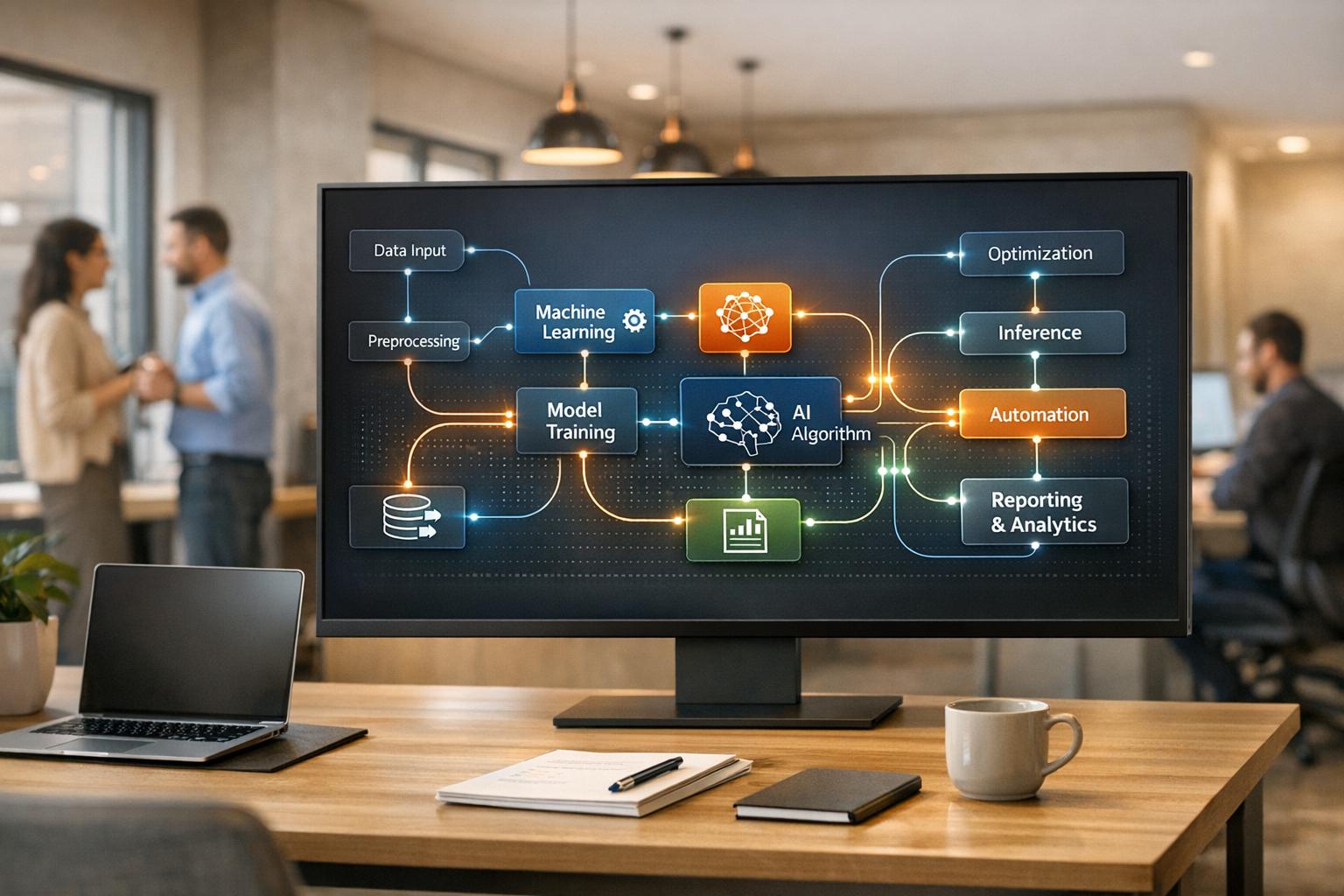
تعمل الأتمتة بالذكاء الاصطناعي على تحويل كفاءة الأعمال في عام 2026. تنتقل الشركات من الأدوات المعزولة إلى الأنظمة المتكاملة، مما يقلل التكاليف ويوفر الوقت. النقاط البارزة الرئيسية:

إحصاءات عائد الاستثمار لأتمتة سير العمل بالذكاء الاصطناعي وتوفير التكاليف 2026
تأتي عمليات سير العمل اليدوية بسعر باهظ. يقضي الموظفون ما يصل إلى 27٪ من وقتهم في أنشطة منخفضة القيمة مثل رسائل البريد الإلكتروني والاجتماعات. علاوة على ذلك، تتسبب الأدوات غير المتصلة في حدوث تأخيرات في اتخاذ القرار، مما يزيد من النفقات التشغيلية. غالبًا ما تفشل الأتمتة التقليدية عند مواجهة مدخلات غير متوقعة، مثل اللغات المختلفة أو التنسيقات غير العادية أو البريد العشوائي.
تُترجم أوجه القصور هذه إلى ساعات ضائعة وخسائر مباشرة في الإيرادات. تفقد الشركات التي تعتمد على الأنظمة المجزأة الوقت في التبديل بين الأنظمة الأساسية وإعادة إدخال البيانات يدويًا وحل مشكلات التكامل. أفادت 70% من الشركات أن «انتشار الأدوات» يعيق قدرتها على دمج الذكاء الاصطناعي بفعالية. هذا يعني أن الشركات لا تدفع فقط مقابل اشتراكات متعددة ولكن أيضًا تلجأ إلى الحلول اليدوية. النتيجة؟ المشاريع المتأخرة ومعدلات الخطأ المرتفعة وفرص الإيرادات الضائعة - كل ذلك يسلط الضوء على الحاجة الملحة لحلول الذكاء الاصطناعي المتكاملة.
توفر منصات الذكاء الاصطناعي المتكاملة حلاً لهذه التحديات من خلال دمج وظائف متعددة في واجهة واحدة. يعمل هذا النهج على خفض تكاليف الترخيص وتقليل الوقت اللازم لتدريب الموظفين وتبسيط سير العمل عبر الأقسام. في حين يخطط 93٪ من المديرين التنفيذيين للاستثمار في الذكاء الاصطناعي لخفض التكاليف بحلول عام 2026، وحوالي 50٪ فقط من الشركات تحقق أهدافها في توفير التكاليف. غالبًا ما يكمن الاختلاف الرئيسي في ما إذا كانت تعتمد أنظمة متكاملة أو تلتزم بأدوات مجزأة.
المزايا المالية للتكامل واضحة في أمثلة العالم الحقيقي. ديليفري هيرو نفذ سير عمل موحد لعمليات تكنولوجيا المعلومات وأتمتة المهام مثل إدارة المستخدم واسترجاع البيانات. النتيجة؟ يتم توفير 200 ساعة كل شهر. توضح هذه الأمثلة كيف يمكن للحلول المتكاملة تحويل تخصيص الموارد والكفاءة.
بمجرد تقليل أوجه القصور، يصبح قياس عائد الاستثمار (ROI) أمرًا حيويًا. لقياس تأثير الذكاء الاصطناعي، يجب على الشركات تتبع مقاييس مثل الإنتاجية الأساسية ووقت الدورة ومعدلات الخطأ ومعدلات التشغيل الآلي - النسبة المئوية للمهام المكتملة دون تدخل بشري - قبل النشر وبعده. تبلغ المؤسسات التي تطبق الذكاء الاصطناعي التوليدي على نطاق واسع في عمليات تكنولوجيا المعلومات عن عائد استثمار بنسبة 90٪ من جهود التحول الرقمي. ومع ذلك، فإن تحقيق هذه النتائج يتطلب تتبعًا دقيقًا وخطة واضحة لاستخدام الوقت المستصلح بفعالية.
التشغيل الآلي القائم على الذكاء الاصطناعي يمكن أن تخفض التكاليف بنسبة 20٪ إلى 30٪ في الوظائف كثيفة المعرفة وما يصل إلى 90٪ في عمليات خدمة العملاء. على سبيل المثال، حملة نشطة تمت معالجة معدل التقلب بنسبة 25٪ من خلال تطوير نظام تأهيل مدعوم بالذكاء الاصطناعي. قام هذا النظام بتمييز المستخدمين حسب اللغة وتسجيلهم في جلسات مباشرة مخصصة، مما أدى إلى زيادة بنسبة 440٪ في حضور الندوات عبر الإنترنت، وانخفاض بنسبة 15٪ في الإنتاج المبكر، وزيادة مضاعفة في اعتماد المنتج خلال أول 90 يومًا. وبالمثل، استخدم مدير الأصول العالمي الذكاء الاصطناعي لأتمتة استفسارات العملاء، خفض نفقات التشغيل بنسبة 33% وتحقيق تأثير بقيمة 100 مليون دولار على المحصلة النهائية. تؤكد هذه الأمثلة كيف يمكن لأتمتة الذكاء الاصطناعي تحقيق عوائد مالية قابلة للقياس عندما تركز الشركات على المقاييس الصحيحة وتستخدم الموارد المستصلحة بشكل جيد.
في عام 2026، أعادت ثلاث تقنيات تحويلية تعريف كيفية قيام الشركات بأتمتة سير العمل مع الحفاظ على إمكانية إدارة التكاليف. تتناول هذه الابتكارات - الذكاء الاصطناعي الوكيل والذكاء الاصطناعي متعدد الوسائط والمنصات منخفضة الكود - جوانب مختلفة من معادلة الكفاءة، من تقليل المهام اليدوية إلى تبسيط التطوير وتقليل التكرار في الأدوات.
تم تصميم أنظمة Agentic AI للعمل بشكل مستقل، والتعامل مع المهام المعقدة والمتعددة الخطوات دون تدخل بشري مستمر. على عكس الأتمتة التقليدية، التي تعتمد على نصوص جامدة، يمكن لهذه الأنظمة التكيف مع التحديات وتعديل الاستراتيجيات في الوقت الفعلي والعمل على مدار الساعة. يمكن لهذه القدرة على التكيف أن تعزز سرعات العمليات التجارية بنسبة 30٪ إلى 50٪ مع تقليل الوقت المستغرق في المهام المتكررة بنسبة 25٪ إلى 40٪.
تصبح الفوائد المالية لـ Agentic AI واضحة بسرعة. على سبيل المثال، أدى وكلاء الذكاء الاصطناعي في ServiceNow وقدرات «Now Assist» إلى خفض أعباء العمل اليدوية في عمليات تكنولوجيا المعلومات بنسبة تصل إلى 60٪. في صناعة التأمين، أدت معالجة المطالبات المدعومة بالذكاء الاصطناعي إلى تقليل أوقات المعالجة بنسبة 40٪. وبالمثل، شهدت الفرق المالية التي تستخدم الكشف الذاتي عن الأعطال انخفاضًا بنسبة 60% في أحداث المخاطر. تعتبر هذه الأنظمة ذات قيمة خاصة للشركات التي تدير الطلب الموسمي أو النمو السريع، لأنها تتعامل مع طفرات البيانات دون الحاجة إلى موظفين إضافيين.
«الذكاء الاصطناعي العامل يسد هذه الفجوة من خلال تمكين الأنظمة التي لا تولد الاستجابات فحسب، بل تتخذ أيضًا الإجراءات - تحويل الذكاء الاصطناعي من مساعد طيار إلى طيار». - سميرة كيلكار، ناتوما
السمة المميزة لـ Agentic AI هي قدرتها على التكيف. على سبيل المثال، إذا اكتشف وكيل سلسلة التوريد زيادات غير متوقعة في التكلفة، فيمكنه بدء إعادة التقييم المالي وتعديل استراتيجيات الشراء دون انتظار المدخلات البشرية. تعمل هذه القدرة على حل المشكلات ديناميكيًا على تقليل الاختناقات وتسريع أوقات الاستجابة عبر العمليات. وبناءً على هذا الأساس، يعمل الذكاء الاصطناعي متعدد الوسائط على زيادة الكفاءة من خلال دمج تدفقات البيانات المتنوعة في عمليات سير العمل الموحدة.
يعمل الذكاء الاصطناعي متعدد الوسائط على تبسيط العمليات من خلال الجمع بين النص والصوت والصور والبيانات المنظمة في سير عمل واحد، مما يلغي الحاجة إلى أدوات متخصصة متعددة. بدلاً من التوفيق بين منصات منفصلة للنسخ والتعرف على الصور وتحليل النصوص، يمكن للشركات معالجة جميع أنواع البيانات من خلال نظام واحد. يعمل هذا الأسلوب على تقليل رسوم ترخيص البرامج وخفض تكاليف التكامل وتقليل المعالجة اليدوية للبيانات. أبلغت الشركات التي تتبنى تنسيق ERP و CRM القائم على الذكاء الاصطناعي عن تحسن أوقات دورات سير العمل بنسبة 20٪ إلى 30٪.
هذه التكنولوجيا مفيدة بشكل خاص للصناعات التي تدير مدخلات البيانات المتنوعة. على سبيل المثال، يمكن لمقدمي الرعاية الصحية تبسيط العمليات من خلال معالجة الصور الطبية جنبًا إلى جنب مع سجلات المرضى، بينما يمكن لتجار التجزئة تنسيق صور المنتجات مع بيانات المخزون. واستكمالًا لهذه الكفاءة، تعمل منصات الترميز المنخفض وAutoML على تمكين الفرق من نشر تدفقات عمل الذكاء الاصطناعي بسرعة وبتكاليف أقل.
تتيح المنصات منخفضة التعليمات البرمجية للموظفين غير التقنيين إنشاء تدفقات عمل بالذكاء الاصطناعي، مما يقلل الاعتماد على المطورين المكلفين. من خلال واجهات السحب والإسقاط سهلة الاستخدام والتعليمات باللغة الطبيعية، يمكن للفرق في الموارد البشرية أو التسويق أو المبيعات تصميم عمليات التشغيل الآلي المعقدة في ساعات فقط، مما يوفر الوقت ونفقات العمالة. تقوم الشركات باستمرار بالإبلاغ عن تخفيضات كبيرة في التكاليف وأوقات نشر أسرع عند استخدام هذه الأدوات.
«يستغرق الأمر ساعتين كحد أقصى لتوصيل واجهات برمجة التطبيقات وتحويل البيانات التي نحتاجها. لا يمكنك القيام بذلك بهذه السرعة في البرمجة.» - لوكا بيليتش، قائد التكنولوجيا في Marketplace، StepStone
توفر المنصات الحديثة ذات التعليمات البرمجية المنخفضة مرونة مختلطة، حيث تجمع بين الأدوات المرئية للإنشاءات السريعة وخيارات دمج JavaScript أو Python المخصصة للحصول على منطق أكثر تقدمًا. تتضمن العديد من المنصات أيضًا وصولاً مدمجًا إلى نماذج اللغات الكبيرة، مما يزيل متاعب إدارة مفاتيح API المتعددة أو الاشتراكات.
مقدمة عن بروتوكول سياق النموذج (MCP) زاد من تبسيط النشر. من خلال تقليل أوقات إعداد الاتصال من أشهر إلى 15-30 دقيقة فقط، تسمح MCP للشركات باختبار سير العمل بسرعة وتحديد ما يصلح وتوسيع نطاق عمليات التشغيل الآلي الناجحة دون تأخيرات طويلة في التنفيذ. هذه القدرة السريعة على التكيف تجعل من السهل أكثر من أي وقت مضى إطلاق العنان للإمكانات الكاملة لسير العمل القائم على الذكاء الاصطناعي.
يتطلب تحويل مفاهيم الذكاء الاصطناعي إلى حلول عملية نهجًا مدروسًا يوازن بين المخاطر والمكافأة. الهدف؟ ابدأ صغيرًا وأثبت القيمة وقم بتوسيع نطاق ما ينجح فقط - وتجنب الخطأ المكلف المتمثل في أتمتة العمليات المعيبة.
الخطوة الأولى هي تدقيق عملياتك وتحديد الاختناقات. ابحث عن المهام المتكررة، واتبع الأنماط التي يمكن التنبؤ بها، ولا تتطلب الكثير من الحكم البشري. هؤلاء هم المرشحون المثاليون للأتمتة، مما يوفر مسارًا واضحًا لكل من الكفاءة والتأثير.
ركز على عمليات سير العمل التي يمكن أن تحقق مكاسب سريعة - توفير التكاليف واستعادة الوقت وتحسين تجربة المستخدم. تشمل الأمثلة توجيه تذاكر مكتب المساعدة أو تأهيل العملاء المحتملين أو التحضير للاجتماعات. غالبًا ما تتطلب هذه العمليات الحد الأدنى من الإعداد الفني ويمكنها إظهار القيمة في وقت مبكر وبناء الثقة داخل فريقك.
ومع ذلك، يتوقف نجاح الأتمتة على جودة البيانات. في حين أن 87٪ من قادة الأعمال يدعون أنهم مستعدون لتوسيع نطاق الذكاء الاصطناعي، فإن 70٪ من الفرق الفنية تقضي ساعات يوميًا في التنظيف وإصلاح مشكلات البيانات. التشغيل الآلي باستخدام البيانات الفوضوية لا يحل المشكلات - بل يضخمها. قبل المضي قدمًا، تأكد من أن بياناتك نظيفة ومنظمة ويمكن الوصول إليها.
قاعدة مهمة: لا تقم أبدًا بأتمتة عملية معطلة. إذا كان سير العمل الحالي غير واضح أو غير فعال، فلن تؤدي الأتمتة إلا إلى نشر الفوضى. ابدأ بتخطيط العملية خطوة بخطوة. حدد نقاط القرار، ووضح أين تكون المدخلات البشرية ضرورية، وعالج أوجه القصور. بمجرد توثيق سير العمل وتحسينه، قم بإجراء اختبارات تجريبية صغيرة للتحقق من الحلول التي تستحق التوسع.
ابدأ بمشروع تجريبي واحد في قسم واحد. يتيح لك ذلك اختبار الأجواء وتحديد الحالات المتطورة وتحسين نهجك دون المخاطرة باضطراب واسع النطاق. استخدم هذه المرحلة لضبط المطالبات واختبار عمليات الدمج وجمع الملاحظات.
تتبع المقاييس الرئيسية أثناء الإصدار التجريبي، مثل الوقت الذي تم توفيره ومعدلات الخطأ والتدخلات اليدوية ورضا المستخدم. ستبرر هذه المؤشرات ما إذا كان القياس مفيدًا وتسلط الضوء على المجالات التي تحتاج إلى تعديل. يمكن للمنصات منخفضة التعليمات البرمجية تبسيط التجريب، وتمكين الفرق من اختبار أساليب متعددة وتوسيع نطاق سير العمل فقط الذي يحقق نتائج قابلة للقياس.
بمجرد أن يثبت الطيار نجاحه، قم بتوسيع نطاقه بعناية. تعتبر المراقبة المستمرة والحوكمة التكيفية أمرًا بالغ الأهمية لضمان النجاح والكفاءة على المدى الطويل.
إن عمليات سير عمل الذكاء الاصطناعي ليست حلاً «لإعداده ونسيانه». إنهم بحاجة إلى الإشراف المستمر والتدخل البشري الدوري للبقاء فعالين مع تطور ظروف العمل. حدد مقاييس الأداء مقدمًا - مثل توفير التكاليف ومعدلات الخطأ وكفاءة الوقت ورضا العملاء - واستخدمها لتتبع التقدم.
«عمليات سير عمل الذكاء الاصطناعي ليست آلات ضبط الأشياء ونسيانها، وهي ليست أجهزة نفسية. إنها تتطلب مقاييس أداء محددة والتحقق البشري الدوري.» - نيكول ريبوجل، كاتبة الموظفين، Zapier
اعتمد نهج «الإنسان في الحلقة» (HITL)، حيث يراجع البشر مخرجات الذكاء الاصطناعي كاختبار نهائي للجودة. هذا لا يضمن الدقة فحسب، بل يعزز أيضًا الثقة داخل فريقك. تظهر الأبحاث أن الموظفين في الشركات التي لديها إرشادات واضحة للذكاء الاصطناعي هم أكثر عرضة بست مرات تقريبًا لتجربة أدوات الذكاء الاصطناعي من أولئك الذين ليس لديهم مثل هذه السياسات.
مراقبة انحراف سير العمل مهمة بنفس القدر. راقب المقاييس مثل معدلات التدخل اليدوي وأنماط الخطأ لاكتشاف مشكلات الأداء مبكرًا. قم بإنشاء قناة مركزية للإبلاغ عن المخرجات غير المتوقعة أو السلوك غير المعتاد، والتي يمكن أن تساعد في تحسين المطالبات والآليات الاحتياطية قبل تصاعد المشكلات.
الحوكمة هي حجر الزاوية الآخر لسير العمل المستدام للذكاء الاصطناعي. يجب أن يتناول إطار العمل الخاص بك خصوصية البيانات والامتثال وضوابط الوصول. حدد بوضوح مكان تخزين البيانات، ومن يمكنه الوصول إليها، وما إذا كانت تُستخدم للتدريب النموذجي. نظرًا لأن 70٪ من قادة أمن تكنولوجيا المعلومات يهتمون بدقة الذكاء الاصطناعي، فإن الشفافية في الحوكمة أمر حيوي للحفاظ على الثقة وكفاءة التكلفة.
أخيرًا، تعد تحديثات النموذج المنتظمة ضرورية. ومع تغير ظروف السوق وعمليات الأعمال، تحتاج نماذج الذكاء الاصطناعي إلى إعادة التدريب أو الضبط الدقيق لتظل ملائمة. تضمن المراجعة الدورية لعمليات سير العمل الأكثر تأثيرًا استمرارها في تقديم القيمة المتوقعة بمرور الوقت.
تتطور أتمتة سير العمل بالذكاء الاصطناعي بوتيرة ملحوظة، مع اتجاهات جديدة تعيد تشكيل كيفية تحقيق الشركات للكفاءة مع الحفاظ على التكاليف تحت السيطرة. دعونا نتعمق في ثلاثة تطورات رئيسية تقود استراتيجيات التشغيل الآلي الأكثر ذكاءً والأكثر ملاءمة للميزانية.
تعمل منصات الذكاء الاصطناعي المتخصصة على تحويل كيفية قيام صناعات مثل الرعاية الصحية والتمويل والحكومة بتنفيذ الأتمتة. تأتي هذه المنصات مجهزة بنماذج امتثال معدة مسبقًا ومنطق خاص بالقطاع، مما يقلل الحاجة إلى حلول مخصصة باهظة الثمن. على سبيل المثال، يمكن لمقدمي الرعاية الصحية الآن نشر تدفقات عمل متوافقة في أيام فقط بدلاً من أشهر، مما يقلل تكاليف التنفيذ بنسبة تصل إلى 60٪.
ما يميز هذه المنصات هو قدرتها على التعامل مع تحديثات المتطلبات التنظيمية على مستوى المنصة. وهذا يقلل من نفقات الصيانة المستمرة للشركات الفردية، مما يسمح لها بالتركيز على العمليات بدلاً من التعديلات المستمرة للنظام. من خلال تقديم حلول جاهزة مصممة خصيصًا لصناعات محددة، تعمل هذه المنصات على تبسيط عملية النشر وضمان الامتثال دون تكلفة إضافية.
تعمل الأتمتة الفائقة على نقل الأتمتة إلى المستوى التالي من خلال دمج الذكاء الاصطناعي والتعلم الآلي وتعدين العمليات لربط الأنظمة المعزولة والتخلص من صوامع البيانات اليدوية. في الوقت الحالي، تعمل 80٪ من المؤسسات على أتمتة عمليات الأعمال بأكملها بدلا من التركيز على المهام المعزولة. يعمل هذا النهج على مستوى المؤسسة على تقليل النفقات التشغيلية وتسريع عوائد الاستثمار.
النتائج مقنعة: يوفر تحسين العمليات القائم على الذكاء الاصطناعي زيادة الإنتاجية بنسبة 25-30٪ وتقليل الأخطاء بنسبة 40-75٪. علاوة على ذلك، 60% من الشركات ترى عائد الاستثمار من الأتمتة الذكية في غضون 12 شهرًا فقط. من خلال التعامل مع الأتمتة كمبادرة شاملة عبر الإدارات والأنظمة، يمكن للشركات توسيع نطاق جهود الذكاء الاصطناعي دون تكبد تكاليف أعلى نسبيًا.
الأتمتة ليست جهدًا منفردًا. وبمرور الوقت، يمكن أن تشهد عمليات سير العمل «الانجراف» مع تغير أنماط البيانات وتطور احتياجات الأعمال. ولمواجهة ذلك، تم تصميم أنظمة الذكاء الاصطناعي الحديثة للتعلم المستمر ومراقبة أدائها وتحديد انخفاضات الدقة والتكيف بشكل مستقل للحفاظ على الكفاءة.
«وكلاء الذكاء الاصطناعي قادرون أيضًا على الذكاء والقدرة على التكيف والتعلم المستمر. ويمكنهم اتخاذ إجراءات مستقلة وموجهة نحو الهدف ومعالجة سير العمل وتحسينه بمعدل غير مسبوق، دون مشاكل في وقت الاستجابة.» - Boston Consulting Group
مثال مثالي على ذلك هو فريق تكنولوجيا المعلومات في Remote، التي نفذت مكتب مساعدة مدعوم بالذكاء الاصطناعي في ديسمبر 2025. باستخدام التعلم المستمر، يقوم النظام الآن بمعالجة 1100 تذكرة وتحديد أولوياتها كل شهر، والتعامل معها تلقائيًا 28% منهم وإنقاذ الفريق 600 ساعة شهرياً. يكمن سر نجاحها في قدراتها التكيفية والتعلم من كل تفاعل والتحسن بمرور الوقت. وهذا لا يضمن الأداء المتسق فحسب، بل يقلل أيضًا من تكاليف الصيانة طويلة الأجل، مما يحافظ على توافق سير العمل مع أهداف الأعمال المتطورة.
يتوقف تحقيق تدفقات عمل الذكاء الاصطناعي الفعالة من حيث التكلفة في عام 2026 على تنسيق الأدوات والموارد التي لديك بالفعل. كما تقول نيكول ريبلوغل من زابير بجدارة:
«التنسيق هو بمثابة المدير النهائي للتحسين الرقمي لعملك».
تتجاوز المزامنة الحقيقية مجرد ربط التطبيقات بالمشغلات الصلبة - فهي تقوم بمزامنة البيانات والنماذج واتخاذ القرار عبر العملية بأكملها.
للبدء، ركز على الأمور الأكثر أهمية: تحديد الاختناقات عالية التأثير حيث تستغرق المهام المتكررة ساعات ثمينة ولكنها لا تزال تتطلب الإشراف البشري. أثبتت شركات مثل Popl و Remote أن الأتمتة المستهدفة يمكن أن تؤدي إلى وفورات كبيرة. لم تتطلب هذه النجاحات استثمارات ضخمة - فقد اعتمدت على منصات يمكن الوصول إليها وعالجت العمليات التي حققت تحسينات قابلة للقياس في غضون عام. تمهد هذه الدروس الطريق للتنسيق الفعال ذو الحلقة المغلقة.
مع 84% من الشركات تزيد من استثماراتها في الذكاء الاصطناعي و 92% تتوقع تدفقات العمل الرقمية فإن إمكانية تحقيق مكاسب في الكفاءة يمكن قياسها هائلة. لتحقيق أقصى قدر من هذه الفوائد، قم بتركيز بياناتك، ووضع إجراءات حماية شاملة للمخرجات الحساسة، وراقب أربعة مقاييس مهمة: المهام المنفذة، والساعات المحفوظة، ومستويات الدقة، والتكلفة لكل مهمة. تعزز هذه المقاييس النتائج السابقة حول عائد الاستثمار وتوفر إطارًا منضبطًا للتوسع بشكل فعال.
في حين 67% من الرؤساء التنفيذيين يتعاملون مع الذكاء الاصطناعي بحذر، يتم بناء الاستراتيجيات الأكثر نجاحًا على أساليب مجربة ومختبرة تجريبيًا. تميل الشركات التي تحقق عائد استثمار حقيقي إلى البدء على نطاق صغير باستخدام برامج تجريبية مركزة، وتعزيز أنظمتها بحوكمة قوية، والتوسع باستخدام مناهج موحدة. والجدير بالذكر أن الموظفين في المنظمات التي لديها إرشادات واضحة للذكاء الاصطناعي هم أكثر احتمالا بست مرات للتجربة بشكل مثمر، وإثبات أن الأطر المنظمة - وليس الفوضى - تطلق العنان للإمكانات الكاملة للذكاء الاصطناعي.
ينتمي المستقبل إلى الشركات التي ترى الذكاء الاصطناعي كمتعاون وليس بديلاً عن البصيرة البشرية. قم ببناء عمليات سير العمل التي تتعلم باستمرار وتتجنب أعطال الأتمتة وتتكيف مع متطلبات الأعمال المتطورة. سواء كنت تتعامل مع 1100 تذكرة شهريًا أو تدير المئات من العملاء المحتملين يوميًا، فإن المفتاح يكمن في الدمج والقياس والتوسع بشكل فعال. من خلال توحيد الاستراتيجيات والتقنيات الأساسية التي تمت مناقشتها سابقًا، يمكنك تحويل الذكاء الاصطناعي من تجربة مكلفة إلى ميزة قوية وفعالة من حيث التكلفة.
تعمل منصات الذكاء الاصطناعي المتكاملة على تبسيط العمليات التجارية من خلال أتمتة المهام المتكررة مثل إدخال البيانات والموافقات والمراقبة الروتينية. لا يؤدي ذلك إلى تسريع سير العمل فحسب، بل يقلل أيضًا من الأخطاء، مما يقلل من عمليات إعادة العمل المكلفة. من خلال التعامل مع هذه المهام بكفاءة، يمكن للموظفين تحويل انتباههم إلى المزيد من الأعمال الاستراتيجية وذات القيمة العالية، مما يؤدي إلى زيادة الإنتاجية ونمو الإيرادات.
يلعب الذكاء الاصطناعي أيضًا دورًا مهمًا في تحديد أوجه القصور، مثل الاختناقات أو الموارد غير المستخدمة بشكل كافٍ، مما يسمح للشركات بتخصيص العمالة والأصول بشكل أكثر فعالية. يمكن للأدوات المدعومة بالذكاء الاصطناعي إدارة العمليات ذات الحجم الكبير، مثل دعم العملاء أو عمليات سلسلة التوريد، مما يقلل الحاجة إلى فرق كبيرة. تُترجم هذه التحسينات إلى وفورات في التكاليف قابلة للقياس وعائد قوي على الاستثمار، مما يضمن عمل الشركات بكفاءة مع البقاء في حدود الميزانية.
يشير Agentic AI إلى الوكلاء المدعومين بالذكاء الاصطناعي الذين يعملون بشكل مستقل لجمع البيانات واتخاذ القرارات وتنفيذ المهام عبر الأنظمة المختلفة. يتمتع هؤلاء الوكلاء بقيمة خاصة في تبسيط سير عمل الأعمال، حيث يمكنهم تحمل مسؤوليات معقدة مثل إنشاء التقارير وحل استفسارات العملاء وتنسيق انتقالات الفريق. وهذا يسمح للموظفين بتحويل تركيزهم إلى الأولويات الاستراتيجية ذات المستوى الأعلى.
من خلال الوصول إلى البيانات في الوقت الفعلي، يمكن لـ Agentic AI تسريع سير العمل بنسبة 30-50٪، وخفض تكاليف المهام الفردية، وتكييف الأنظمة مع الظروف المتطورة. تساهم هذه الكفاءات في تقديم خدمات أكثر اتساقًا وتقليل الأخطاء والنتائج التي يسهل التنبؤ بها.
من خلال النظر إلى وكلاء الذكاء الاصطناعي كجزء من «القوى العاملة الرقمية»، يمكن للشركات توسيع عملياتها، وتعزيز عمليات صنع القرار، وتحقيق عوائد واضحة على الاستثمار - كل ذلك مع ضمان بقاء الرقابة البشرية في مكانها. هذا يضع Agentic AI كأداة فعالة للغاية واقتصادية لأتمتة عمليات سير العمل الحديثة.
تعمل المنصات منخفضة التعليمات البرمجية على جعل تنفيذ عمليات سير عمل الذكاء الاصطناعي أكثر وضوحًا من خلال تقديم أدوات مرئية تعمل بالسحب والإسقاط. تتيح هذه الأدوات للمستخدمين تصميم عمليات سير العمل دون الحاجة إلى خبرة تشفير عميقة. يتم التعامل مع المهام المعقدة مثل مكالمات API وتنسيق البيانات والمصادقة بسلاسة في الخلفية، مما يسمح حتى للمستخدمين غير التقنيين بإنشاء ونشر عمليات مدعومة بالذكاء الاصطناعي بسرعة مثل تحليل البيانات أو تنبؤات النماذج أو إنشاء المحتوى.
تهتم هذه المنصات بالبنية التحتية التقنية - مثل نقاط النهاية للذكاء الاصطناعي وتخزين البيانات - خلف الكواليس، مما يقلل الحاجة إلى الخبرة الهندسية المتخصصة. كما أنها مزودة بميزات أساسية للحوكمة والامتثال وإدارة التكاليف، بما في ذلك أدوات المراقبة وضوابط الوصول القائمة على الأدوار وهياكل التسعير المرنة. يساعد هذا المزيج الشركات على البقاء في حدود الميزانية مع تكرار عمليات سير عمل الذكاء الاصطناعي وتوسيع نطاقها بكفاءة. من خلال تبسيط هذه العمليات، تمكّن المنصات منخفضة التعليمات البرمجية الفرق من التركيز على تحقيق أهداف أعمالهم مع جعل الأتمتة القائمة على الذكاء الاصطناعي أكثر سهولة وبأسعار معقولة.