Pay As You Goإصدار تجريبي مجاني لمدة 7 أيام؛ لا يلزم وجود بطاقة ائتمان


خفض التكاليف وتعزيز الإنتاجية وتركيز عمليات سير عمل الذكاء الاصطناعي
في عام 2026، تتجه الشركات إلى أنظمة الذكاء الاصطناعي الموحدة لتبسيط سير العمل وخفض التكاليف وتحسين الكفاءة. تعمل هذه المنصات على دمج البيانات والأدوات ونماذج الذكاء الاصطناعي في نظام واحد، مما يتيح تنفيذ المهام بشكل مستقل واتخاذ القرار في الوقت الفعلي. ومع هيمنة أعباء العمل الاستدلالية على الإنفاق على البنية التحتية للذكاء الاصطناعي (55%، ومن المتوقع أن تصل إلى 70-80%)، فإن الطلب على الحلول القابلة للتطوير والفعالة لم يكن أبدًا أعلى من أي وقت مضى.
الوجبات السريعة الرئيسية:
مقارنة سريعة:
سواء كنت شركة ناشئة أو مؤسسة كبيرة، توفر منصات الذكاء الاصطناعي الموحدة مثل Prompts.ai إمكانية الإعداد السريع والتحكم في التكاليف والحوكمة المركزية لتلبية متطلبات الذكاء الاصطناعي الحالية أثناء الاستعداد للنمو المستقبلي.
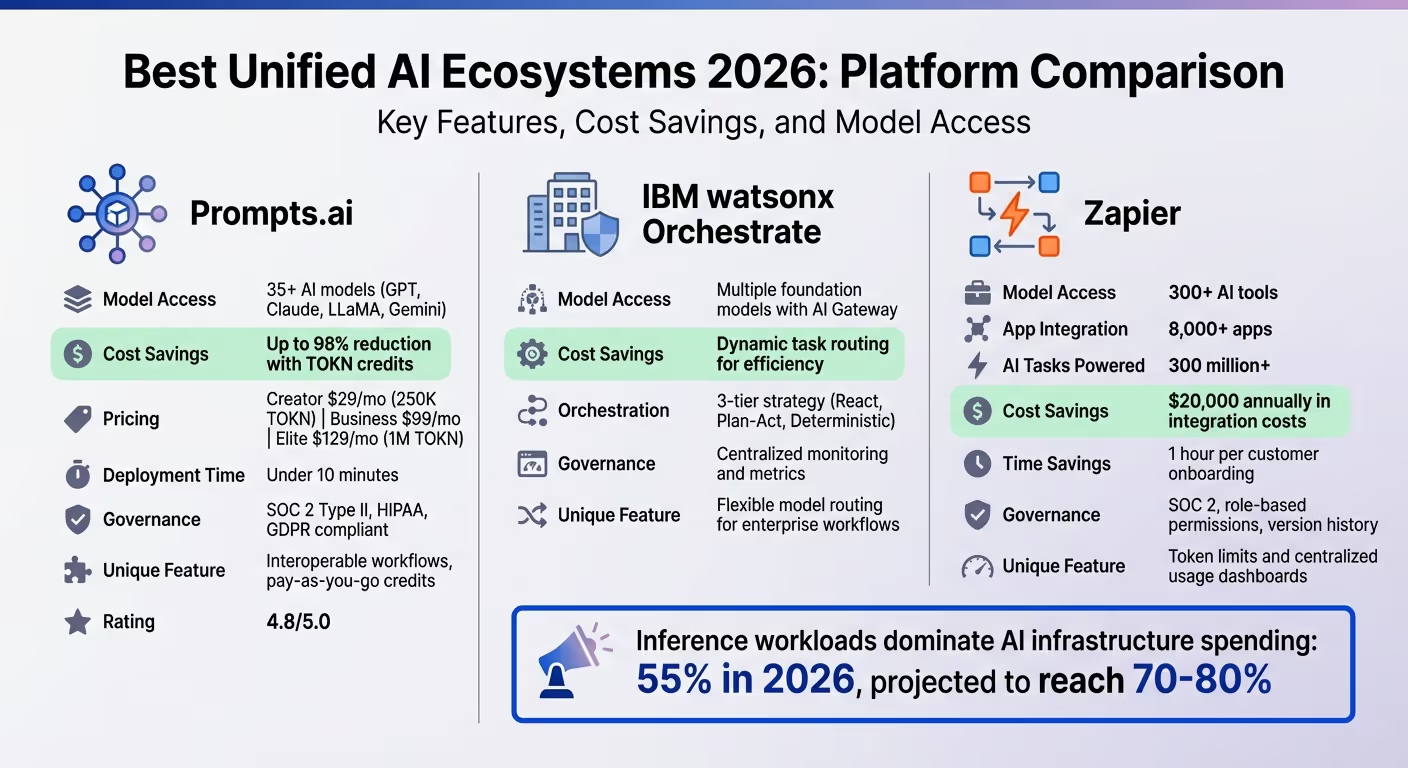
مقارنة منصات الذكاء الاصطناعي الموحدة 2026: الميزات والتكاليف والقدرات
يبسط Prompts.ai الوصول إلى أكثر من 35 نموذجًا من نماذج لغة الذكاء الاصطناعي من الدرجة الأولى، بما في ذلك GPT، كلود، لاما، و الجوزاء، من خلال منصة واحدة وموحدة. من خلال إزالة متاعب التوفيق بين الاشتراكات المتعددة وعمليات تسجيل الدخول، فإنه يوفر الوقت والجهد. تسمح أداة المقارنة جنبًا إلى جنب الخاصة بالمنصة للفرق باختبار وتقييم LLMs المختلفة في وقت واحد، مما يضمن اختيار أفضل نموذج لمهام محددة. وقد ثبت أن هذه القدرة تعمل على تحسين الإنتاجية بما يصل إلى 10 مرات. بالإضافة إلى ذلك، يتكامل Prompts.ai بسلاسة مع أدوات الطرف الثالث الشائعة مثل سلاك، Gmail، و تريلو، مما يجعل من السهل تنسيق سير العمل عبر الإدارات المختلفة.
تعمل ميزة Interoporabilable Workflowks الخاصة بـ Prompts.ai، والمضمنة في خطط مستوى الأعمال التي تبدأ من 99 دولارًا لكل عضو شهريًا، على تحويل المهام المعزولة إلى عمليات قابلة للتطوير وقابلة للتكرار تغطي نماذج وأدوات متعددة. وأبرز ستيفن سيمونز، الرئيس التنفيذي والمؤسس، كيف ساعدته المنصة على إكمال المهام المعقدة مثل العروض ثلاثية الأبعاد ومقترحات الأعمال في يوم واحد فقط - وهو العمل الذي كان يستغرق أسابيع. يمكن نشر المنصة في أقل من 10 دقائق، ودمج أكثر من 35 أداة ذكاء اصطناعي منفصلة سابقًا في نظام واحد مبسط.
لمعالجة التكاليف المرتفعة لاستخدام الذكاء الاصطناعي، تستخدم Prompts.ai نظام ائتمان TOKN بدلاً من الاشتراكات التقليدية المتكررة. ويقال إن هذا النهج يقلل من نفقات الذكاء الاصطناعي بنسبة تصل إلى 98٪. تتضمن خطة Creator، التي يبلغ سعرها 29 دولارًا شهريًا، 250,000 نقطة من نقاط TOKN، بينما تقدم خطة Business Elite مليون رصيد TOKN مقابل 129 دولارًا لكل عضو شهريًا. تسمح الخطط ذات المستوى الأعلى أيضًا بتجميع TOKN والتخزين، مما يوفر المرونة لمطابقة التكاليف مع الاستخدام الفعلي.
يوفر Prompts.ai إدارة مركزية مع رؤية كاملة لاستخدام الذكاء الاصطناعي، مما يضمن الشفافية والتحكم. اعتبارًا من 19 يونيو 2025، بدأت المنصة عمليات تدقيق SOC 2 من النوع الثاني من خلال Vanta وتتوافق مع معايير HIPAA و GDPR. تتضمن خطط الأعمال أدوات لإدارة الحوكمة ومراقبة الامتثال وتحليلات الاستخدام، مما يساعد المؤسسات على إدارة الإنفاق والأداء بفعالية. وأشاد الرئيس التنفيذي والمدير التنفيذي للشركة فرانك بوسكيمي بالمنصة وقيّمها 4.8 من أصل 5.0 لقدرتها على تبسيط عملية إنشاء المحتوى وأتمتة عمليات سير العمل الاستراتيجية. من خلال الجمع بين تكامل النماذج وإدارة سير العمل وكفاءة التكلفة والحوكمة، تضع Prompts.ai نفسها كحل شامل للذكاء الاصطناعي للمؤسسات الحديثة.
تضفي المنصات المختلفة دورها الخاص على تكامل الذكاء الاصطناعي وتنسيق سير العمل، حيث تعرض مجموعة متنوعة من الأساليب عند مقارنتها بالأنظمة الموحدة.
تتميز IBM watsonx Orchestrate ببوابة الذكاء الاصطناعي الخاصة بها، مما يتيح التبديل السلس بين النماذج الأساسية المتعددة. من ناحية أخرى، يدمج Zapier أكثر من 300 أداة للذكاء الاصطناعي وقام بتشغيل 300 مليون مهمة للذكاء الاصطناعي عبر أكثر من 8000 تطبيق مذهل. شركة كوبيا للذكاء الاصطناعي يركز على عمليات سير عمل DevOps، مما يسمح للفرق ببدء تغييرات البنية التحتية باستخدام أوامر اللغة الطبيعية على منصات مثل Slack أو مايكروسوفت تيمز. وفي الوقت نفسه، دومو يركز على ذكاء الأعمال، وربط مصادر البيانات مثل سالسفورس، SAP، و بيج كويري مع تدفقات عمل الذكاء الاصطناعي لتقديم تحليلات تنبؤية في الوقت الفعلي.
يقدم IBM watsonx Orchestrate إستراتيجية تنسيق متدرجة مع ثلاثة مناهج متميزة: «React» للمهام الاستكشافية، و «Plan-Act» لسير العمل المنظم، و «الحتمية» للعمليات التي يمكن التنبؤ بها بدرجة كبيرة. تم تسليط الضوء على قدرات Zapier في التنسيق من قبل نيكول ريبوجل، الكاتبة في Zapier، التي تصفها على النحو التالي:
«تنسيق الذكاء الاصطناعي هو التنسيق الشامل للبيانات والأدوات ونماذج الذكاء الاصطناعي بحيث تؤدي كل خطوة من خطوات عملية الأعمال إلى الخطوة التالية دون تسليم بشري».
حققت الأتمتة الخاصة بـ Zapier وفورات قابلة للقياس، حيث خفضت تكاليف التكامل بمقدار 20,000 دولار سنويًا وقللت وقت الإعداد بحوالي ساعة واحدة لكل عميل.
يستخدم IBM watsonx Orchestrate التوجيه الديناميكي ويوجه المهام إلى النموذج الأكثر فعالية من حيث التكلفة لكل حاجة محددة. يتبع Zapier نهجًا أكثر تحكمًا من قبل المستخدم، مما يسمح بحدود الرموز لكل خطوة من خطوات الذكاء الاصطناعي، والفلاتر لتجاوز الاستعلامات ذات الأولوية المنخفضة، ولوحات المعلومات المركزية لمراقبة الاستخدام.
تعتبر الحوكمة أداة قوية لشركة IBM watsonx Orchestrate، والتي تتميز بالمراقبة المركزية للمخرجات والمقاييس للتخفيف من مخاطر الأتمتة غير المقيدة. يضمن Zapier الامتثال لمعايير SOC 2، ويوفر أذونات قائمة على الأدوار، ويوفر سجل الإصدارات. كما أنه يدعم تشغيل أجزاء من عمليات سير العمل المحلية عبر webhooks لتحسين خصوصية البيانات. يعد التخزين المركزي للبيانات واتفاقيات التسمية الواضحة والحقول المطلوبة من ممارسات الحوكمة الأساسية، مما يضمن قدرة أنظمة الذكاء الاصطناعي على التفكير بفعالية ودقة. تسلط هذه التدابير الضوء على أهمية الحفاظ على التحكم والإشراف في النظم البيئية التي يحركها الذكاء الاصطناعي.
يسلط الجدول أدناه الضوء على المزايا الرئيسية والمقايضات التي يجب مراعاتها عند اختيار منصة لسير عمل الذكاء الاصطناعي.
بالنسبة للمؤسسات التي تهدف إلى إنشاء تطبيقات متكاملة تتطلب إدارة متقدمة للدولة، من الضروري تقييم ما إذا كانت هذه المنصات تتوافق مع متطلباتها المعمارية. توفر هذه الرؤى لمحة عن دور كل منصة داخل النظام البيئي الأوسع للذكاء الاصطناعي، مما يمهد الطريق لاستكشاف أكثر تفصيلاً في الختام.
عند اختيار نظام بيئي للذكاء الاصطناعي في عام 2026، من الضروري مواءمة اختيارك مع متطلبات سير العمل والقيود الفنية. تميل الصناعة بشكل متزايد نحو المنصات الموحدة التي تبسط الوصول إلى النماذج والحوكمة وإدارة التكاليف.
تواصل Prompts.ai قيادة الطريق للشركات التي تهدف إلى تحسين التكاليف والحفاظ على المرونة. من خلال الوصول إلى أكثر من 35 نموذجًا من أفضل نماذج الذكاء الاصطناعي، ونظام الدفع أولاً بأول الشفاف من خلال ائتمانات TOKN، والقدرة على خفض تكاليف الذكاء الاصطناعي بنسبة تصل إلى 98٪، فإنها توفر مزايا لا يمكن إنكارها. تتناول مسارات التدقيق على مستوى المؤسسة وبرنامج شهادة المهندس الفوري الامتثال وجاهزية الفريق - وهما عاملان رئيسيان لتوسيع نطاق الذكاء الاصطناعي عبر الأقسام. يعد هذا النوع من التكامل أمرًا بالغ الأهمية حيث تقوم المؤسسات بتوسيع عمليات الذكاء الاصطناعي الخاصة بها.
يوفر التحول نحو الحوكمة المركزية - إدارة جميع وكلاء الذكاء الاصطناعي بأمان من بوابة واحدة - حلاً لانتشار الأدوات الذي أعاق التبني. كما مسبك مايكروسوفت يسلط الضوء على:
«تتيح منصة الذكاء الاصطناعي الموحدة والقابلة للتشغيل المتبادل للمطورين البناء بشكل أسرع وأكثر ذكاءً، بينما تكتسب المؤسسات الأمان والحوكمة على مستوى الأسطول في بوابة موحدة.»
تؤكد هذه الحركة على أهمية المنصات التي تعمل بشكل جيد اليوم مع الاستعداد للنمو المستقبلي.
يتوافق Prompts.ai تمامًا مع هذا الاتجاه، حيث يوفر تحكمًا مركزيًا يلبي الاحتياجات الحالية وقابلية التوسع المستقبلية.
في عام 2026، يجب أن تزن الشركات قابلية الاستخدام الفوري مقابل النمو طويل الأجل. تستفيد الشركات الناشئة والشركات متوسطة الحجم من المنصات ذات الأسعار الواضحة والإعداد السريع، بينما يجب أن تركز الصناعات شديدة التنظيم على الامتثال وأدوات التدقيق القوية.
يمكّن Prompts.ai الشركات من خفض تكاليف الذكاء الاصطناعي بمقدار 98%. من خلال لوحة تحكم واحدة وموحدة، يمكن للمستخدمين الوصول إلى أكثر من 35 طرازًا متقدمًا، مما يزيل متاعب التوفيق بين اشتراكات البائعين المتعددين أو الدفع مقابل موارد الحوسبة غير المستخدمة. مع رمز نظام الائتمان، وهو حل مرن للدفع أولاً بأول، تتم محاسبتك فقط على الموارد التي تستخدمها بالفعل.
علاوة على ذلك، يقدم Prompts.ai الوقت الفعلي مراقبة FinOps، مما يوفر الشفافية الكاملة والتحكم في نفقات الذكاء الاصطناعي. لا يعمل هذا الإعداد الفعال على تبسيط عملية التحجيم فحسب، بل يضمن أيضًا تحسين سير العمل دون الحاجة إلى إنفاق غير ضروري.
تدمج Prompts.ai إطارًا قويًا للحوكمة ضمن منصة تنسيق الذكاء الاصطناعي الخاصة بها، والمصممة لضمان إدارة سير العمل بشكل آمن ومبسط. تشمل ميزاته البارزة ما يلي: عناصر التحكم في الوصول المستندة إلى الأدوار، تطبيق السياسة، و المراقبة في الوقت الحقيقي، مما يمنح المسؤولين الإشراف الكامل على استخدام النموذج - من يستخدمه، وكيف يتم استخدامه، ولأي أغراض.
تقدم المنصة أيضًا تسجيل مسار التدقيق، وتسجيل كل طلب واستجابة وحدث متعلق بالتكلفة. وهذا يضمن للشركات إجراء فحوصات امتثال شاملة وتحقيقات الطب الشرعي عند الحاجة. مع شهادة SOC 2 من النوع الثاني، تلتزم Prompts.ai بمعايير أمان البيانات والخصوصية الصارمة.
لمساعدة الشركات على البقاء في حدود الميزانية، تتضمن المنصة أدوات التحكم في التكاليف مثل حدود الإنفاق ولوحات المعلومات في الوقت الفعلي وتتبع الائتمان بنظام الدفع أولاً بأول، مما يمنع المفاجآت المالية بشكل فعال مع الحفاظ على الحوكمة.
تسمح هذه القدرات للمؤسسات بالإشراف على سير عمل الذكاء الاصطناعي وإدارته بثقة عبر أكثر من 35 نموذجًا، مما يضمن المساءلة والامتثال والتكامل السلس طوال عملية الذكاء الاصطناعي.
الجدول الزمني للنشر لـ Prompts.ai يعتمد على المتطلبات المحددة لمؤسستك والإعداد الحالي للبنية التحتية الخاصة بك. على الرغم من عدم توفير الأطر الزمنية الدقيقة، فقد تم تصميم النظام الأساسي للتكامل السريع والمباشر. يتضمن ميزات مثل تسعير الدفع أولاً بأول، تنسيق متعدد النماذج، والوصول المركزي إلى أكثر من 35 نموذجًا للذكاء الاصطناعي، مما يجعل عملية التبني أسهل.
للحصول على تقدير دقيق مصمم خصيصًا لاحتياجاتك، تواصل مع فريق Prompts.ai لمناقشة أهدافك وخطط التنفيذ.