Pay As You Goإصدار تجريبي مجاني لمدة 7 أيام؛ لا يلزم وجود بطاقة ائتمان


تُحدث عملية صنع القرار القائمة على الذكاء الاصطناعي ثورة في كيفية عمل الشركات، حيث تقدم أدوات لتحسين سير العمل والتحكم في التكاليف وضمان الامتثال. تقارن هذه المقالة ثلاث منصات رائدة - prompts.ai، سحابة داتا روبوت للذكاء الاصطناعي، و H2O.ai - تم تصميم كل منها لتلبية احتياجات المؤسسة المحددة. فيما يلي ملخص سريع:
الوجبات السريعة الرئيسية:
مقارنة سريعة:
تقدم كل منصة مزايا فريدة اعتمادًا على حجم مؤسستك وأهدافها وقدراتها الفنية. استمر في القراءة للحصول على تحليل مفصل لميزاتها.
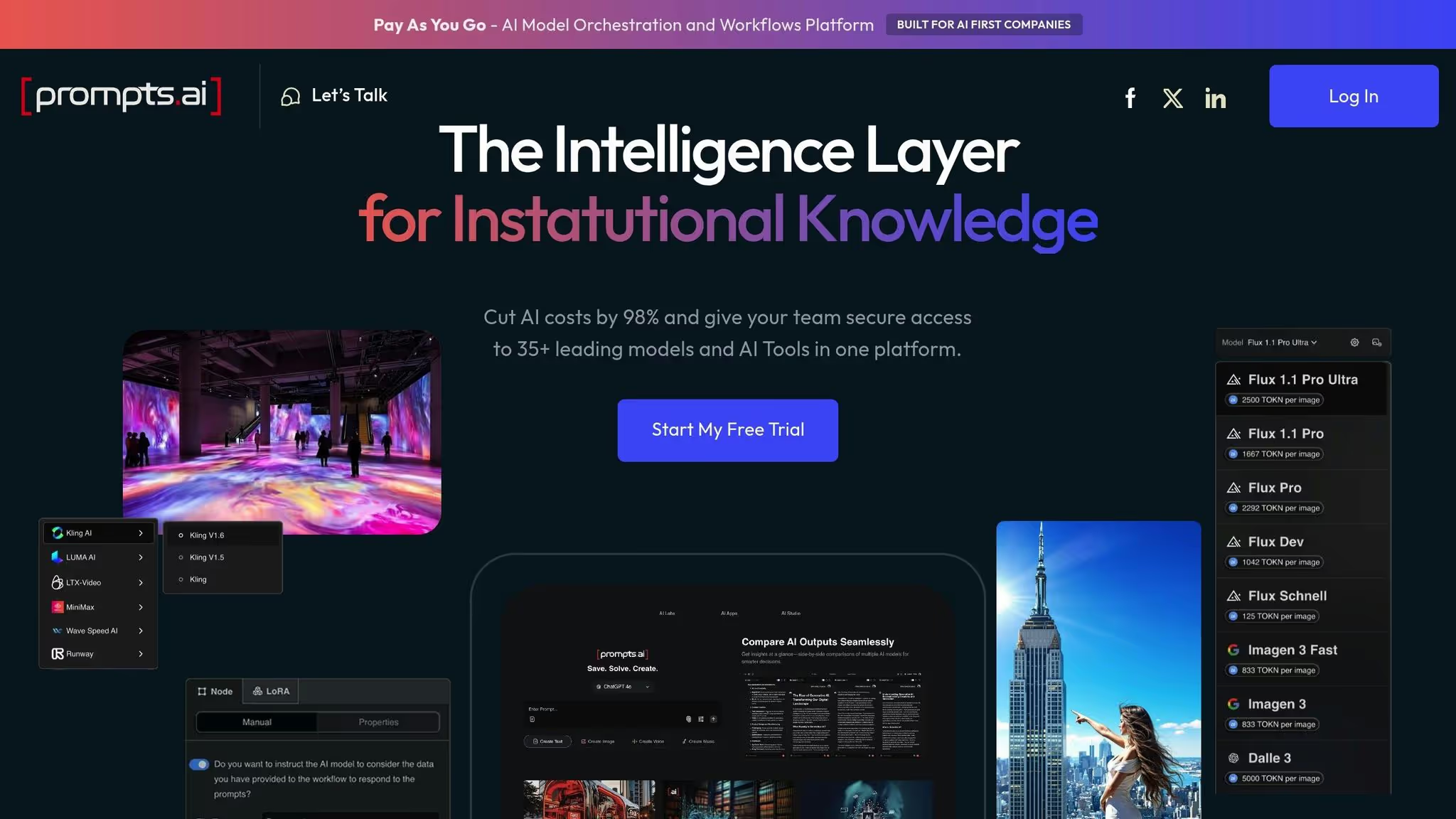
تبرز Prompts.ai كملف منصة تنسيق الذكاء الاصطناعي على مستوى المؤسسات، مصممة لمواجهة التحديات الرئيسية التي تواجهها الشركات الحديثة. بدلاً من التوفيق بين أدوات الذكاء الاصطناعي المتعددة، تعمل المنصة على دمج الوصول إلى أكثر من 35 نموذجًا رائدًا للغات الكبيرة - مثل GPT-5، كلود، لاما، و الجوزاء - في واجهة واحدة مبسطة. تم تصميمه خصيصًا لشركات Fortune 500 والوكالات الإبداعية ومختبرات الأبحاث، ويوفر حلاً متماسكًا لإدارة تدفقات عمل الذكاء الاصطناعي.
ينصب التركيز الأساسي للمنصة على تبسيط العمليات من خلال الحد من انتشار الأدوات مع توفير الحوكمة وضوابط التكلفة التي تتطلبها الشركات. من خلال الجمع بين الوصول إلى نماذج الذكاء الاصطناعي المتقدمة والعمليات المالية المتكاملة (FinOps)، تقوم prompts.ai بتحويل تجارب الذكاء الاصطناعي المتناثرة إلى عمليات قابلة للتطوير ومتوافقة يمكن للمؤسسات تنفيذها عبر الإدارات المختلفة. دعونا نتعمق في كيفية معالجة ميزاته - قابلية التشغيل البيني والأتمتة وشفافية التكلفة والامتثال - لهذه التحديات.
مع prompts.ai، يعد دمج النماذج المتقدمة أمرًا سهلاً. تدعم بنيتها مجموعة واسعة من الخيارات، بما في ذلك النماذج المتطورة مثل جروك-4، فلووكس برو، و كلينج. تسمح هذه المرونة للمؤسسات باختيار أفضل نموذج لكل مهمة دون الاقتصار على النظام البيئي لمزود واحد.
تقدم المنصة أيضًا مقارنات الأداء جنبًا إلى جنب، مما يمكّن الفرق من اختبار نماذج مختلفة باستخدام مطالبات ومجموعات بيانات متطابقة. هذه الميزة لا تقدر بثمن لتحسين سير العمل استنادًا إلى عوامل مثل الدقة أو السرعة أو التكلفة. يمكن للفرق التبديل بسلاسة بين النماذج ضمن نفس سير العمل، مما يضمن أنها تستخدم دائمًا الذكاء الاصطناعي الأنسب لأي سيناريو معين.
تأخذ Prompts.ai الأتمتة إلى المستوى التالي من خلال تبسيط عمليات صنع القرار. تتيح المنصة للمؤسسات إنشاء عمليات سير عمل قابلة للتكرار تقوم تلقائيًا بتوجيه مهام محددة إلى نماذج الذكاء الاصطناعي الأكثر ملاءمة، مما يقلل بشكل كبير من الوقت الذي يستغرقه تحويل البيانات إلى رؤى قابلة للتنفيذ.
تعمل القوالب المصممة مسبقًا والمشغلات في الوقت الفعلي على تبسيط التشغيل الآلي لعمليات الأعمال الرئيسية. تم تصميم عمليات سير العمل هذه لحالات الاستخدام الشائعة، مثل التحليل المالي أو تحسين الحملة التسويقية. يمكن أن تبدأ المشغلات الآلية عمليات صنع القرار استنادًا إلى حدود البيانات المحددة مسبقًا أو أحداث تجارية محددة، مما يضمن الكفاءة والاتساق.
تمثل التكاليف غير المتوقعة عقبة رئيسية أمام الشركات التي تتبنى الذكاء الاصطناعي، ويعالج prompts.ai هذه المشكلة بشكل مباشر. يعمل نظام Pay-As-You-Go TOKN الائتماني الخاص بها على التخلص من رسوم الاشتراك المتكررة ومواءمة التكاليف مع الاستخدام الفعلي وخفض نفقات الذكاء الاصطناعي بنسبة تصل إلى 98٪.
توفر طبقة FinOps المدمجة في المنصة تتبع التكلفة في الوقت الفعلي، مما يوفر رؤى تفصيلية حول استهلاك الرموز على كل مستوى - سواء من خلال المطالبات الفردية أو المستخدمين أو الأقسام. تساعد هذه الرؤية الدقيقة فرق التمويل على مراقبة الإنفاق وتحديد أوجه القصور وتحسين الميزانيات.
يمكن للمؤسسات تعيين حدود الإنفاق وتلقي التنبيهات مع اقتراب الاستخدام من الحدود المحددة، مما يمنع تجاوزات الميزانية. بالإضافة إلى ذلك، تربط التقارير التفصيلية الإنفاق على الذكاء الاصطناعي بنتائج الأعمال، مما يجعل من السهل حساب عائد الاستثمار للمبادرات المدعومة بالذكاء الاصطناعي.
يعطي Prompts.ai الأولوية لأمن البيانات والامتثال، بما في ذلك ضوابط الحوكمة على مستوى المؤسسة في تأسيسها. تلتزم بالأطر المعمول بها مثل SOC 2 من النوع الثاني، هيبا، و GDPR لحماية المعلومات الحساسة.
«يشتمل Prompts.ai على أفضل الممارسات من أطر SOC 2 من النوع الثاني و HIPAA و GDPR لحماية بياناتك. وفقًا لرسالة مشاركة Vanta الخاصة بنا، نشارك بنشاط مع Vanta لمراقبة التحكم المستمر وقمنا بتنشيط عملية تدقيق SOC 2 Type 2 في 19 يونيو 2025.»
تتميز المنصة بـ مركز الثقة المخصص (https://trust.prompts.ai/) الذي يوفر تحديثات في الوقت الفعلي حول إجراءات الأمان والسياسات والتقدم المحرز في الامتثال. هذا المستوى من الشفافية مهم بشكل خاص للمؤسسات في الصناعات المنظمة التي يجب أن تلتزم بالمعايير الصارمة ومتطلبات حوكمة الذكاء الاصطناعي الناشئة.
يتضمن Prompts.ai أيضًا مسارات تدقيق مضمنة لتوثيق كل تفاعل للذكاء الاصطناعي، مما يضمن حصول المنظمات على السجلات اللازمة للامتثال التنظيمي والمراجعات الداخلية. يتم تضمين ميزات مثل «مراقبة الامتثال» و «إدارة الحوكمة» في جميع خطط الأعمال، مع التوسع جنبًا إلى جنب مع النمو التنظيمي دون الحاجة إلى عمليات شراء إضافية.

DataRobot AI Cloud عبارة عن منصة تركز على المؤسسات مصممة لمساعدة المؤسسات على إنشاء نماذج التعلم الآلي وتقييمها ونشرها بكفاءة.
تم تصميم النظام الأساسي لاستيعاب مجموعة واسعة من الخوارزميات والأطر، مما يسمح للمستخدمين بإدارة أنواع النماذج المختلفة داخل مساحة عمل موحدة. يوفر أدوات لمقارنة النماذج، وتمكين الفرق من تقييم خوارزميات متعددة باستخدام مقاييس الأداء الأكثر أهمية لأهدافها. يتكامل DataRobot AI Cloud بسلاسة مع أدوات علوم البيانات الشائعة مثل Python و R، بينما يدعم أيضًا استيراد النماذج المخصصة المطورة خارجيًا. تضمن هذه المرونة قدرة الفرق على الحفاظ على الاتساق مع الالتزام بمتطلبات الأمان والامتثال الصارمة.
بالنسبة للصناعات ذات اللوائح الصارمة، توفر DataRobot AI Cloud ميزات أمان على مستوى المؤسسة. وهو يضمن التسجيل التفصيلي لأنشطة تطوير النماذج ونشرها، مع استكمال مسارات التدقيق وأدوات التفسير التي توضح القرارات القائمة على الذكاء الاصطناعي. ولحماية المعلومات الحساسة، تستخدم المنصة التشفير للبيانات سواء أثناء النقل أو في حالة الراحة. تساعد الضمانات الإضافية، مثل ضوابط الوصول القائمة على الأدوار وتكامل هوية المؤسسة، المؤسسات على تلبية المعايير التنظيمية بثقة.
H2O.ai عبارة عن منصة قوية للذكاء الاصطناعي مصممة لبيئات المؤسسات، وتجمع بين قدرات الذكاء الاصطناعي التوليدية والتنبؤية. تم تصميمه لدمج الإشراف البشري مع سير العمل الآلي، مما يضمن عمليات صنع القرار الدقيقة والمضبوطة.
يعالج H2O.ai تحديات المؤسسة من خلال أتمتة عمليات سير العمل لتحسين كفاءة اتخاذ القرار. تقدم المنصة وكلاء H2O العموديون، والتي تم تصميمها خصيصًا للمهام واسعة النطاق والخاصة بالمجال مثل اكتشاف الاحتيال ودعم الموارد البشرية وعمليات KYC وأتمتة القروض وإعداد التقارير التنظيمية. إنها H2O الذكاء الاصطناعي بدون سائق يعمل على تبسيط وتسريع المراحل الأولى من تطوير النموذج من خلال التشغيل الآلي لمهام مثل هندسة الميزات وتقديم إمكانية شرح مضمنة. بالإضافة إلى ذلك، تتصل واجهات برمجة التطبيقات الخاصة بالمنصة بسلاسة بأدوات الأعمال الشائعة مثل Google Drive و SharePoint و Slack و Teams. من خلال مزج الإشراف البشري مع الأتمتة، تنشئ H2O.ai عمليات سير عمل تتسم بالكفاءة والموثوقية.
لتكملة ميزات الأتمتة الخاصة به، تعطي H2O.ai الأولوية للأمان والامتثال. تدعم المنصة خيارات النشر المرنة، بما في ذلك بيئات السحابة الافتراضية الخاصة (VPC) ذات الفجوات الهوائية أو المحلية أو السحابية، مما يضمن عمليات آمنة. مع سياسات حماية البيانات الصارمة - مثل «عدم مشاركة البيانات» و «لا يوجد نموذج يتم استخراجه» - H2O.ai يحمي المعلومات الحساسة. أدواتها، مثل H2gpte، مصممة خصيصًا لتطبيقات الذكاء الاصطناعي التوليدية والتنبؤية الآمنة.
بالنسبة للمؤسسات التي تواجه متطلبات تنظيمية صارمة، يدعم H2O.ai خريطة فيدرام الالتزام ويقدم أدوات متقدمة مثل 2 لتر متر مكعب و استوديو إيفال للاختبار الآلي والتقييمات التي تتم معايرتها من قبل الإنسان ومراقبة المخاطر في الوقت الفعلي. ال استوديو LLM للمؤسسات يسمح للمستخدمين بضبط نماذج اللغات الصغيرة (SLMs) على البيانات الخاصة، مما يضمن سيادة البيانات.
أحد الأمثلة البارزة على تأثير H2O.ai هو بنك الكومنولث الأسترالي، الذي حقق انخفاضًا بنسبة 70٪ في الاحتيال باستخدام H2O Enterprise AI. وسلّط أندرو ماكمولان، الرئيس التنفيذي السابق للبيانات والتحليلات في البنك، الضوء على القوة التحويلية للمنصة:
«كل قرار نتخذه لعملائنا - ونجني الملايين كل يوم - نتخذ هذه القرارات بشكل أفضل بنسبة 100٪ باستخدام H2O.ai».
يعتمد اختيار منصة صنع القرار المناسبة القائمة على الذكاء الاصطناعي على المتطلبات الفريدة لمؤسستك والقدرات الفنية والميزانية. كل منصة تجلب نقاط القوة والتحديات الخاصة بها، والتي يمكن أن تؤثر على نجاح مبادرات الذكاء الاصطناعي الخاصة بك.
قابلية التوسع
تتفوق Prompts.ai في قابلية التوسع من خلال واجهتها الموحدة، مما يمكّن الفرق من إضافة النماذج والمستخدمين وسير العمل في دقائق معدودة. ليست هناك حاجة للتوفيق بين العديد من البنى التحتية، ويضمن نموذج الدفع أولاً بأول توسيع نطاق التكاليف مع الاستخدام، وتجنب رسوم الترخيص الثابتة.
تدعم DataRobot AI Cloud أيضًا قابلية التوسع على مستوى المؤسسة ولكنها تتطلب عادةً استثمارات مسبقة كبيرة في الترخيص والموارد التقنية. إنه الأنسب للمؤسسات ذات قدرات علوم البيانات الناضجة وفرق MLOPs الموجودة.
يوفر H2O.ai قابلية تطوير مثبتة للتطبيقات الكبيرة، ولكن تحقيق هذا المستوى من الأداء غالبًا ما يتطلب خبرة فنية كبيرة واستثمارًا في الموارد المتخصصة.
سهولة الاستخدام
يحافظ Prompts.ai على بساطة الأمور من خلال واجهته البديهية، مما يزيل تعقيد إدارة أدوات متعددة. تساعد ميزات مثل المكتبة السريعة التي يقودها المجتمع وبرامج الشهادات الفرق على تبني أفضل الممارسات بسرعة، دون الحاجة إلى تدريب فني مكثف.
من ناحية أخرى، يتطلب كل من DataRobot AI Cloud و H2O.ai تدريبًا متخصصًا وموظفين متخصصين للتعامل مع تدفقات العمل الأكثر تعقيدًا، مما قد يؤدي إلى إبطاء التبني وزيادة النفقات التشغيلية.
الرقابة المالية
يتضمن Prompts.ai طبقة FinOps التي توفر رؤى في الوقت الفعلي حول استخدام الرمز المميز، مما يضمن ربط التكاليف مباشرة بالنتائج. تساعد هذه الشفافية الفرق في الحفاظ على الرقابة المالية وتجنب النفقات غير المتوقعة.
في المقابل، غالبًا ما تعتمد منصات المؤسسات التقليدية مثل DataRobot AI Cloud و H2O.ai على اتفاقيات ترخيص معقدة مع التزامات سنوية. يمكن أن تجعل هذه الهياكل من الصعب التنبؤ بالتكاليف بدقة، مما قد يؤدي إلى تجاوزات الميزانية.
يسلط هذا التحليل الضوء على ثلاثة مناهج متميزة لمنصات صنع القرار القائمة على الذكاء الاصطناعي، كل منها مصمم لتلبية الأهداف التنظيمية والاحتياجات الفنية المختلفة.
تتميز Prompts.ai بتركيزها على قابلية التشغيل البيني وأتمتة سير العمل ووضوح التكلفة. من خلال دمج أكثر من 35 نموذجًا للغات الكبيرة من الدرجة الأولى - بما في ذلك GPT-5 و Claude و LLama و Gemini - في منصة واحدة آمنة، فإنها تبسط عمليات الذكاء الاصطناعي للمؤسسات. يؤدي استخدام أرصدة TOKN للدفع أولاً بأول إلى إلغاء رسوم الاشتراك، بينما يتيح تتبع التكاليف في الوقت الفعلي للشركات تقليل نفقات الذكاء الاصطناعي بنسبة تصل إلى 98٪. علاوة على ذلك، يتيح prompts.ai عمليات نشر الذكاء الاصطناعي السريعة والآمنة والمتوافقة في دقائق معدودة. كما تدعم مكتبتها السريعة التي يقودها المجتمع المنظمات في دمج أدوات الذكاء الاصطناعي الخاصة بها وبناء الخبرات دون الحاجة إلى موارد تقنية واسعة النطاق.
بالنسبة للشركات التي تهدف إلى تبسيط عمليات الذكاء الاصطناعي مع الحفاظ على إدارة واضحة للتكاليف، تقدم prompts.ai حلاً قابلاً للتطوير وشفافًا وسهل الاستخدام يبسط تكامل الذكاء الاصطناعي في كل مرحلة.
ال نظام ائتمان TOKN يقدم حلاً مباشرًا للدفع أولاً بأول للوصول إلى الخدمات على منصة prompts.ai. بدلاً من تأمين الاشتراكات المتكررة المكلفة، يمكنك شراء أرصدة حسب الحاجة وتطبيقها على أي ميزة مدعومة بالذكاء الاصطناعي متاحة.
يزيل هذا النموذج أوجه القصور المرتبطة غالبًا بالترخيص التقليدي، مما يمنحك حرية تعديل استخدامك بناءً على الاحتياجات المتغيرة. باستخدام أرصدة TOKN، تتم محاسبتك فقط على ما تستخدمه، مما يوفر طريقة عملية وصديقة للميزانية للاستفادة من أدوات الذكاء الاصطناعي المتقدمة.
تم تصميم Prompts.ai وفقًا لبروتوكولات الامتثال والأمان الصارمة، مما يجعله مثاليًا للصناعات ذات المتطلبات التنظيمية الصارمة. تلتزم بالأطر المعمول بها مثل SOC 2 من النوع الثاني، هيبا، و GDPR، مما يضمن بقاء بياناتك آمنة وتفي بالمعايير اللازمة.
ولتعزيز ذلك، تستخدم المنصة مراقبة التحكم المستمرة المدعومة من Vanta. بالإضافة إلى ذلك، بدأت عملية تدقيق SOC 2 من النوع الثاني في 19 يونيو 2025، تأكيدًا على تفانيها في دعم أمن البيانات من الدرجة الأولى والامتثال التنظيمي.
يجعل Prompts.ai من السهل دمج أنظمة الذكاء الاصطناعي المختلفة، مما يسمح للمستخدمين بالعمل عبر أدوات ومنصات متعددة دون الوقوع في مشاكل التوافق. يتيح هذا النهج للشركات الاستفادة من نقاط القوة الفريدة للنماذج المختلفة مع الحفاظ على سير العمل منظمًا وفعالًا.
بفضل قدرتها على دعم التبادل السلس للبيانات والتعاون بين النماذج، تعزز Prompts.ai الإنتاجية في عمليات صنع القرار. فهي تساعد المؤسسات على الاستجابة بسرعة للمطالب المتغيرة، والاستفادة بشكل أفضل من مواردها، وتحقيق النتائج التي تتوافق بشكل وثيق مع أهدافها.